REVIEW · TOKYO
tokyo city walk tour visit Tokyo in one day
Book on GetYourGuide →Operated by Rui liu · Bookable on GetYourGuide
One day in Tokyo, done your way. This private Tokyo city walk tour lets you pick the exact mix of sights, with story and history woven into your stops as you walk, eat locally, and sightsee. I love the freedom to choose what fits your interests and your energy level. I also love the practical local feel: you learn how to move around and when to aim for the best photos. The main drawback to consider is that it’s still a full day outside, so if you hate walking or want lots of indoor time, you’ll need to choose fewer locations.
This is built for small groups (up to five) with personal earphones so you don’t miss a thing. You’ll start with pickup options in Ginza or Shinjuku City, then use public subway/metro, and your day includes a viewpoint moment plus a long stretch for sightseeing and a secret stop. The guide team can work in Japanese, Chinese, or English, and the tour is wheelchair accessible.
In This Review
- 5 Key Things You’ll Really Care About
- How a Tokyo City Walk Works When You Only Have One Day
- Pickup Points: Getting Started Without Losing Half the Day
- Tokyo Tower: The TV-Dramas Landmark and Photo-Ready Stops
- Sensoji Temple in One Day: Big Numbers, Even Bigger Atmosphere
- Meiji Shrine: Shinto Basics and Imperial Family Connections
- Shibuya: Fashion City, Best Sunset Timing, and Viewpoints
- Akihabara and Anime Culture: A Must If It’s Part of Your Trip
- Museums in Tokyo: How to Pick the Right One for Your Group
- Shinjuku Night Energy and Kabukicho: Watch It Like a Local
- Ginza: Brand Shopping and How Discounts Can Matter
- What’s Included, What You’ll Pay for, and the Real Cost
- Price and Value: Is $258 for Up to 5 a Good Deal?
- Tips to Make the Day Feel Like Local Tokyo
- Who This Tour Fits Best
- Should You Book This Tokyo City Walk Tour?
- FAQ
- How much does the Tokyo city walk tour cost?
- How long is the tour?
- Where can the guide pick you up?
- Is this a private tour or a group tour?
- What languages does the guide speak?
- What’s included in the price?
- Are entry tickets included for temples or museums?
- Can I choose which places we visit?
- Can I cancel or pay later?
5 Key Things You’ll Really Care About
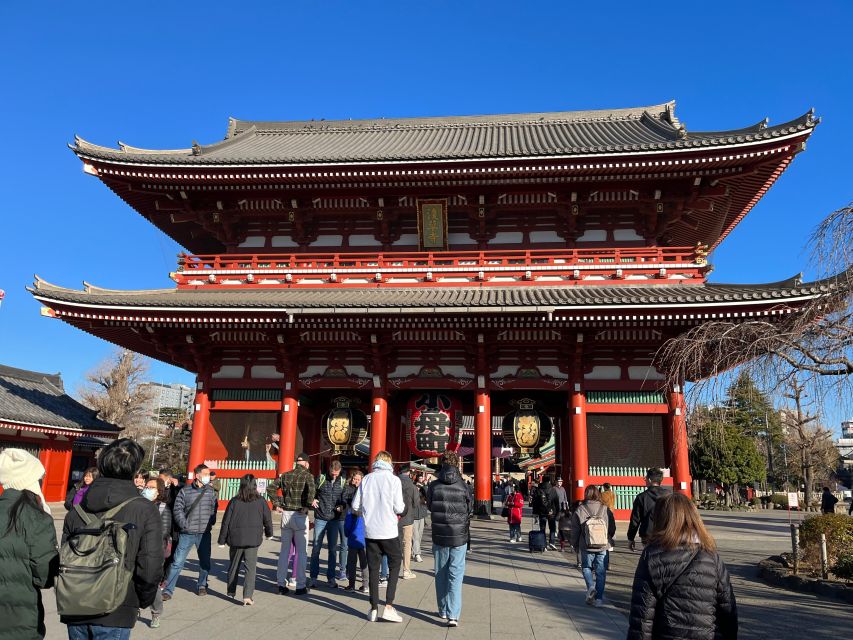
- You choose your stops, from Tokyo Tower and Sensoji to Meiji Shrine, Shibuya, Akihabara, museums, and more.
- You get personal earphones, which makes it easier to hear clearly even in crowds.
- The route adapts to your body pace, so the day doesn’t become a sprint.
- You plan for views and timing, with sunset-ready spots like Shibuya on the list.
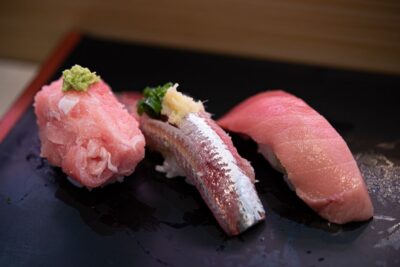
- Rui’s approach is practical, including help with navigation and local food picks that match what you want.
How a Tokyo City Walk Works When You Only Have One Day
Tokyo can eat your time fast. Train transfers, wrong exits, meal lines, and the kind of crowds that make you forget what you came to see. This tour is designed to fight that time loss with a simple idea: you spend your attention on the sights, not on figuring everything out.
Your day is structured, but not rigid. You’ll have a starting area (Ginza or Shinjuku City pickup options), then a short subway/metro transfer (listed as about 10 minutes). After that, you’ll hit a viewpoint slot (about 1 hour), then the bulk of the day is sightseeing with a “secret stop” and extra time to cover what you picked. The guide will adjust how many places you can fit based on your physical ability.
The best part for most people is the mix-your-own-itinerary setup. Tokyo Tower, Sensoji, Meiji Shrine, Shibuya, Akihabara, shopping streets in Shinjuku and Ginza—these are all big enough to feel essential, but flexible enough that you can delete one and add another.
You can also read our reviews of more walking tours in Tokyo


Pickup Points: Getting Started Without Losing Half the Day
Convenience matters on a one-day Tokyo trip. This tour includes pickup options in Ginza or Shinjuku City. If you’re staying around Ginza, pickup is included for hotels in that area as well, which can save you from the classic problem of meeting across town after you’ve already traveled all day.
Once you start, expect a public-transit rhythm. The tour specifically includes a subway/metro segment of about 10 minutes. Also note the trade-off: transportation transaction fees are not included, so you’ll need to cover your own subway/train costs and any similar transit expenses during the day.
If you want the day to feel smooth, I’d plan your meetup point so you can arrive early and unhurried. The whole tour depends on not rushing the first step.
Tokyo Tower: The TV-Dramas Landmark and Photo-Ready Stops
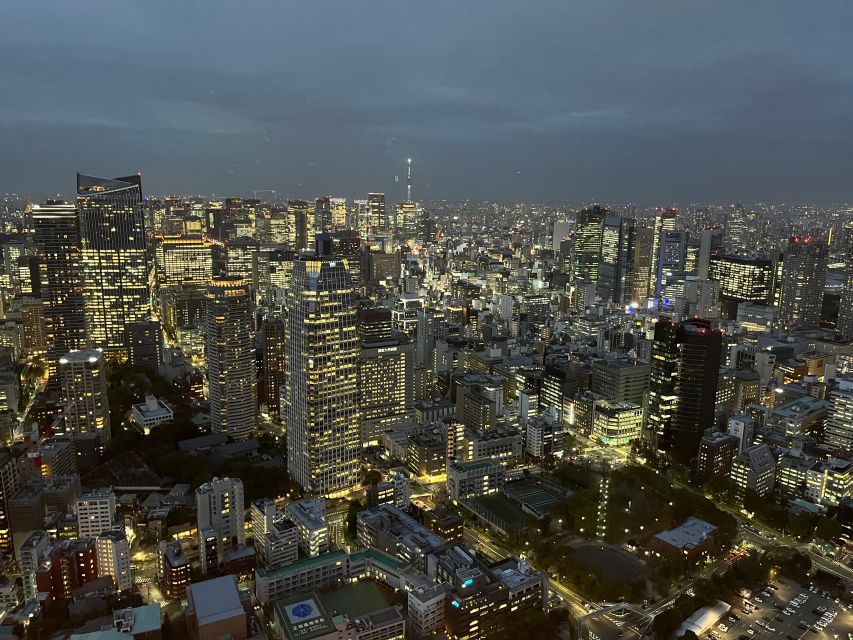
Tokyo Tower is one of those places that shows up everywhere—in TV dramas, photos, postcards—so seeing it in real life lands a little differently. It’s a classic landmark with a strong “Tokyo feel,” and your guide will point out angles and moments beyond the basic snapshot.
What you’ll likely enjoy here:
- Icon views that work even if you’re not into architecture
- Photo time with guidance on where to stand for a clean composition
- Story and “secrets” about the tower experience (exact details vary, but the promise is that you’ll learn more than just the obvious)
The only consideration: Tokyo Tower can be busy, and it’s outdoors. If your tolerance for crowds is low, you’ll want your guide to choose the best timing and the best nearby viewpoints.
Sensoji Temple in One Day: Big Numbers, Even Bigger Atmosphere
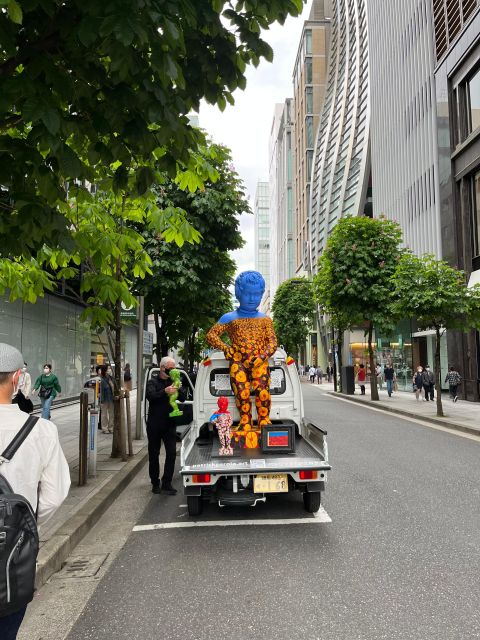
If Tokyo had a postcard heart, Sensoji would be it. This is Tokyo’s most popular temple, with over 300 million visitors per year—a staggering number that helps explain why the atmosphere is so intense.
Sensoji is a strong first-day anchor because it’s doing multiple jobs at once:
- You get long history and storytelling instead of just walking past buildings
- You see beautiful temple architecture up close
- You learn about special powers and beliefs that many people trust
In a one-day itinerary, the key benefit is that Sensoji is easy to understand: you can spend time inside the experience without needing a huge background reading packet. The drawback is crowd management. You’ll likely be walking through busy areas, so earphones help a lot and your pace matters.
Meiji Shrine: Shinto Basics and Imperial Family Connections
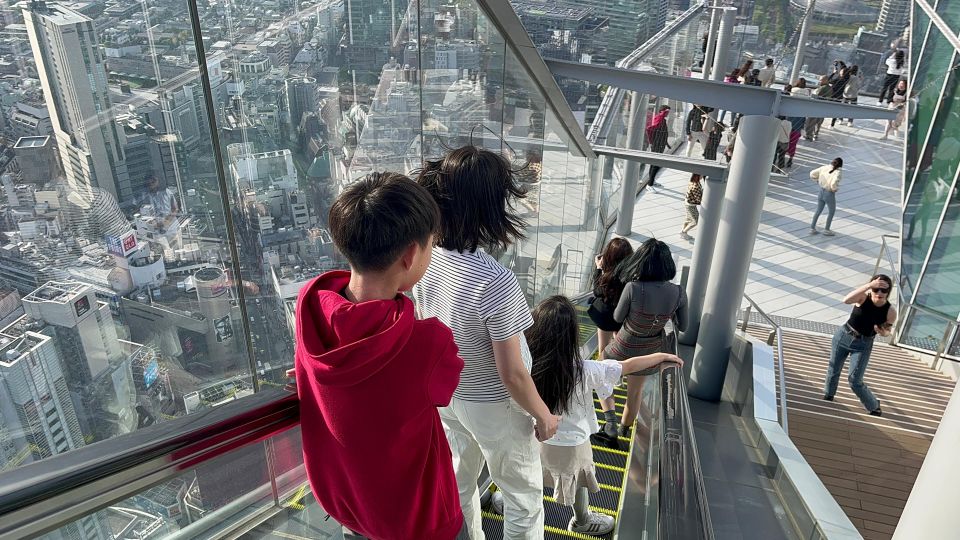
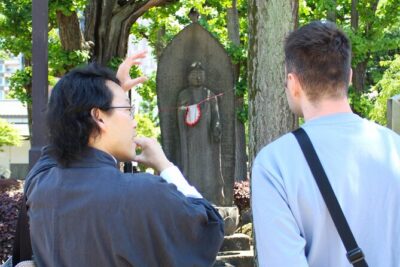
Meiji Shrine is the kind of stop that slows the day down—quiet in comparison, reflective, and focused on Shinto practice. The tour frames it as one of Tokyo’s most famous shrines, and it’s also a good place to learn Shinto in practical terms, not just as a name you’ve heard.
What makes Meiji Shrine especially worth including:
- It’s a clean introduction to Shinto—what it is, and why people treat it with seriousness
- It has special meaning connected with the Japanese empire family
One practical note: Meiji Shrine can be easier to enjoy if you treat it as a breathing space between high-energy neighborhoods. If you pack it too tightly with shopping and nightlife, it can feel rushed. I’d keep a slower mindset here.
You can also read our reviews of more city tours in Tokyo





Shibuya: Fashion City, Best Sunset Timing, and Viewpoints
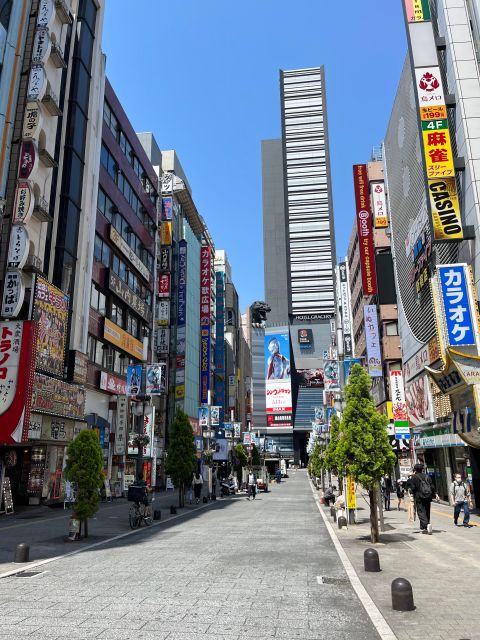
Shibuya is not just shopping. It’s a place where Tokyo’s energy turns into a view you can feel—especially around sunset.
The tour highlights Shibuya for:
- Fashion-forward neighborhood energy
- City view spots (good for photos)
- Sunset timing being among the best in Tokyo
In a one-day plan, Shibuya is the logical place to “end on drama.” You’re already seeing historic Tokyo at temples and shrines; Shibuya gives you the modern contrast and the skyline mood.
Possible drawback: Shibuya can get crowded and loud. If you’re sensitive to noise, you’ll want your guide to position you near viewing areas that aren’t shoulder-to-shoulder.
Akihabara and Anime Culture: A Must If It’s Part of Your Trip
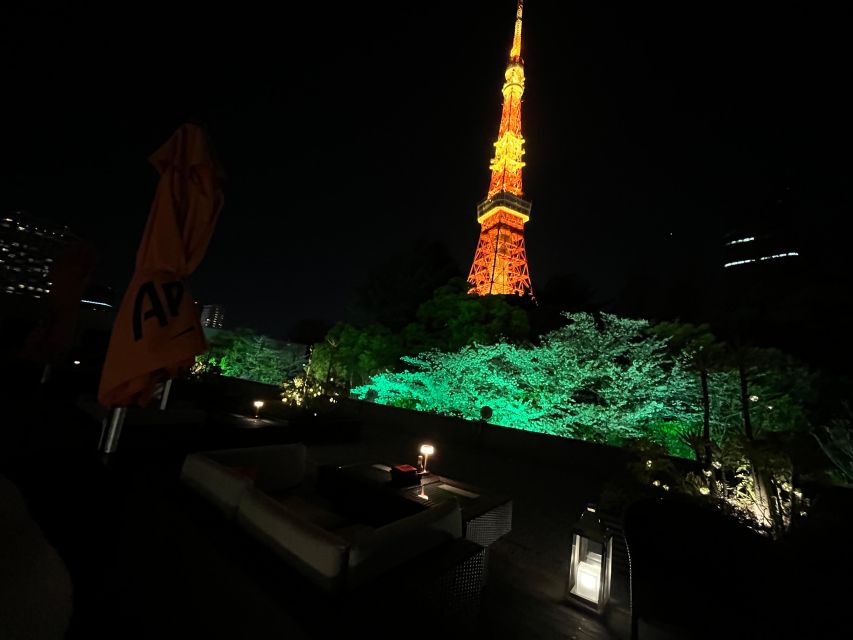
If anime is your thing, Akihabara is one of those places that feels like a straight-line hit. Even if you don’t know all the references, it still works as a window into Japanese pop culture and retail that’s different from typical shopping malls.
This stop shines when:
- You want to see how anime culture shows up in daily life
- You want stores and themed places that feel specific to Japan, not generic tourism
If your group includes kids, Akihabara can be a lifesaver for keeping energy up. The tour’s flexible stop choices help you keep it fun without forcing it if you’re not into the theme.
Museums in Tokyo: How to Pick the Right One for Your Group
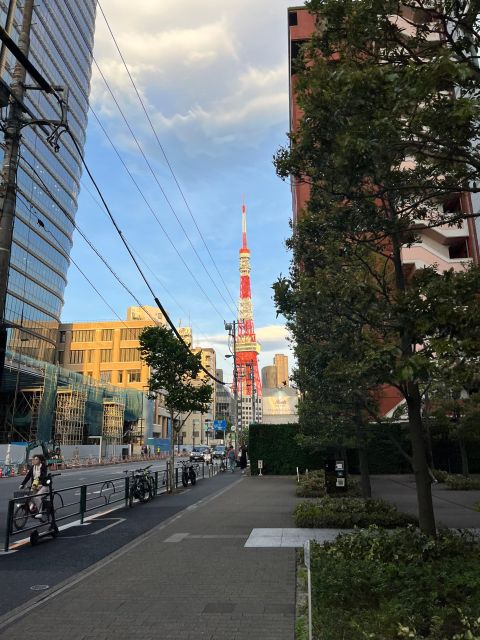
Tokyo has plenty of museums, and the tour doesn’t pretend there’s one museum for everyone. Instead, it points out that you can choose based on your preferences, including options like:
- Art museums for children or adults
- Light-focused museums that can be great for photos
- Science museums that work well for families and education
The best way to use this part of the day is to match the museum to your group’s attention span. If you’ve got younger kids or you’re tired, a light/visual museum may feel easier than a long-form gallery. If you’re with adults and want something structured, science and art options can be a satisfying reset.
The drawback is simple: museums can swallow time fast once you’re inside. If you’re trying to fit multiple neighborhoods, pick one museum and protect the rest of your schedule.
Shinjuku Night Energy and Kabukicho: Watch It Like a Local
Shinjuku is famous for shopping, and it’s also known for being particularly lively at night. The tour specifically calls out Kabukicho, describing it as the world’s biggest red-light district and a place that lets you glimpse another side of Tokyo.
Here’s how to approach it so it stays fun (and not uncomfortable):
- Treat it like a neighborhood walk and a people-watching zone
- Keep your comfort level in mind and don’t feel pressured to go deeper than you want
- Ask your guide for what to see from the street level first
This is a great stop if you want contrast: neon Tokyo after temple mornings. If your group prefers quieter nightlife, you might trade some of the night energy for a more relaxed shopping street instead.
Ginza: Brand Shopping and How Discounts Can Matter
Ginza is the polished, brand-focused Tokyo. The tour frames it as a place for famous shopping, and it even mentions the idea of following the guide to find shopping discount info.
In practice, Ginza is valuable because:
- It shows a different side of Tokyo from the older temple/shrine areas
- It’s a convenient base for pickup and navigation if you’re staying central
- It’s easy to customize: you can browse luxury streets without committing to expensive purchases
If you’re cost-conscious, you’ll want to use the guide’s discount-watching approach instead of walking in cold. Even small savings can help when you’re also paying for meals and any paid attractions you choose.
What’s Included, What You’ll Pay for, and the Real Cost
Here’s the money breakdown that actually affects your day:
Included:
- Guide fee
- Personal earphones so you can hear clearly
Not included:
- Eating fees
- Entry tickets if a stop isn’t free
- Transaction fees for things like buses and other transit costs during the trip
Why this matters: Tokyo can be full of free sights, but once you start choosing museums or paid viewpoints, the out-of-pocket spend can rise. Since the tour encourages choosing what you want to see, your final cost depends on your selections.
If you want predictability, I’d plan with a simple rule: pay for meals and assume you might add one paid ticket attraction. If you’re staying mostly with free highlights, you’ll likely keep costs under control.
Price and Value: Is $258 for Up to 5 a Good Deal?
The tour costs $258 per group, up to five people. That’s the smart part. It’s not priced like a solo private guide where the per-person rate explodes.
If you fill the group, the guide cost averages about $52 per person before meals and tickets. If you’re just two people, it’s about $129 each for the guide portion. Still, on a one-day plan that covers multiple major neighborhoods plus guidance on navigation and timing, it can be very practical—especially if you hate getting lost or you want someone else handling the “what’s worth it” decisions.
The value is strongest when you:
- Care about hitting key areas without wasting hours
- Want a flexible day built around your interests
- Prefer private pacing instead of joining a big group
Tips to Make the Day Feel Like Local Tokyo
This tour works best when you travel like a planner, not a tourist stamp collector.
A few practical moves:
- Pick fewer “must-sees” and let the guide fill the rest. Tokyo is too big for heroic checklists.
- Ask for photo timing at city-view spots. Shibuya is specifically called out for sunset, and that’s the kind of window you shouldn’t miss.
- If someone in your group is tired, let the guide adjust the number of stops. The tour is designed around your body’s limits.
- Wear shoes you can walk in for hours. Even with breaks, the day is still built around walking and neighborhood hopping.
Also, take advantage of the earphones. It sounds minor until you’re in a crowd and you realize you’d rather be listening than guessing.
Who This Tour Fits Best
This Tokyo city walk tour fits best if you want a one-day sweep that still feels personal.
I’d especially recommend it for:
- Couples and small families who want major Tokyo highlights with less stress
- People who want a mix of history (Sensoji, Meiji Shrine) and modern Tokyo (Shibuya, Akihabara)
- Travelers who don’t want to spend their day fighting subway complexity
- Wheelchair users, since the tour is marked as wheelchair accessible
If your goal is slow and deep research, you might find one day too short for everything. But if your goal is intelligent selection, this tour is built for that.
Should You Book This Tokyo City Walk Tour?
Book it if you’re trying to do Tokyo in one day without turning it into chaos. The combination of private pacing, earphones, and a guide who can match stops to your interests is exactly what helps on a short trip.
Skip it if you strongly dislike crowds or you need a very relaxed schedule with long indoor breaks. In that case, you’ll likely do better with a more focused half-day plan.
If you book, do one thing before you go: decide your top 3 priorities (for example, Tokyo Tower + Sensoji + Shibuya sunset). Then let the guide build the rest around your pace. That’s when the day feels like it was made for you.
FAQ
How much does the Tokyo city walk tour cost?
It costs $258 per group, up to five people.
How long is the tour?
The tour lasts one day.
Where can the guide pick you up?
Pickup options include Ginza and Shinjuku City, and pickup is included for hotels around Ginza.
Is this a private tour or a group tour?
It’s a private group tour.
What languages does the guide speak?
The guide can tour in Japanese, Chinese, or English.
What’s included in the price?
The guide fee and personal earphones are included.
Are entry tickets included for temples or museums?
Entry tickets are not included if a place isn’t free.
Can I choose which places we visit?
Yes. You can choose places you’re interested in, and the number of stops depends on your body’s ability and how many you want to fit.
Can I cancel or pay later?
You can cancel up to 24 hours in advance for a full refund, and you can reserve now & pay later.