REVIEW · TOKYO
Tokyo: Hama-rikyu Gardens tour with Japanese Tea & Sweets
Book on GetYourGuide →Operated by gotcha Corporation · Bookable on GetYourGuide
Hamarikyu Gardens is the kind of place where Japan’s design sense clicks fast. In 90 minutes, you get a guided walk through Edo-period garden highlights, then you slow down in a tea ceremony room with included matcha and sweets.
I especially like how the guide’s explanations connect the garden design to what you’re actually seeing on the path, and I like the built-in tea break because it turns a quick stroll into a cultural pause. The main drawback is simple: at 90 minutes, you won’t have time to wander every corner on your own like you would on a full afternoon.
If you’re short on time but picky about getting meaning (not just photos), this tour fits well. It’s a small group capped at 4, and you’ll likely hear clear, friendly explanations from guides such as Ayaku, Hiro, or Mr. Ito (names that have appeared leading this tour). Just plan around walking—this is a true stroll, so wear comfortable shoes and expect you’ll be on your feet for most of it.
In This Review
- Quick hits before you go
- Hamarikyu Gardens: Edo-era calm in the middle of Tokyo
- Meeting Points and a 90-minute tempo that stays sane
- Inside the 30-minute guided stroll: Karesansui and Kaiyushiki in context
- The tea ceremony room: matcha and Japanese sweets as part of the experience
- Seasonal changes you can actually notice (even on a short visit)
- Price and value: is $85 fair for gardens plus tea?
- Who this tour suits best (and who should choose something else)
- Should you book Hamarikyu Gardens with Japanese Tea and Sweets?
- FAQ
- How long is the Hamarikyu Gardens tour with Japanese tea and sweets?
- What’s included in the tour price?
- Is the tour in English?
- What are the starting locations and where do you end?
- How big is the group?
- What is the cancellation policy?
Quick hits before you go
- Edo-period garden stroll with story-driven guiding, not a checklist
- Karesansui and Kaiyushiki views explained in plain language
- Matcha green tea and Japanese sweets included in a garden tea room
- Small group (up to 4) keeps the pace human
- Two meeting points with a drop-off at Shiodome Station
- Seasonal changes you can spot quickly, even on a short tour
Hamarikyu Gardens: Edo-era calm in the middle of Tokyo
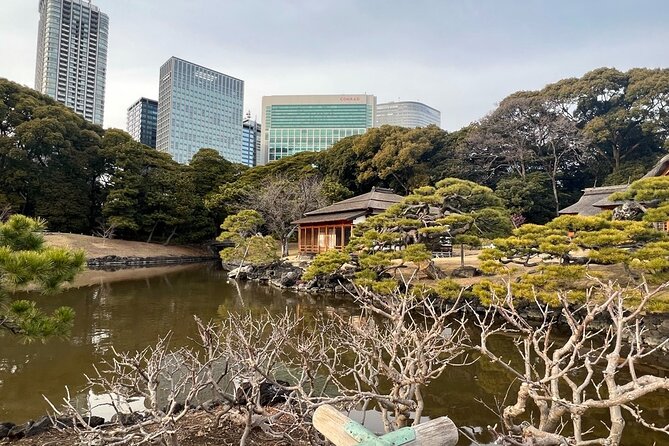
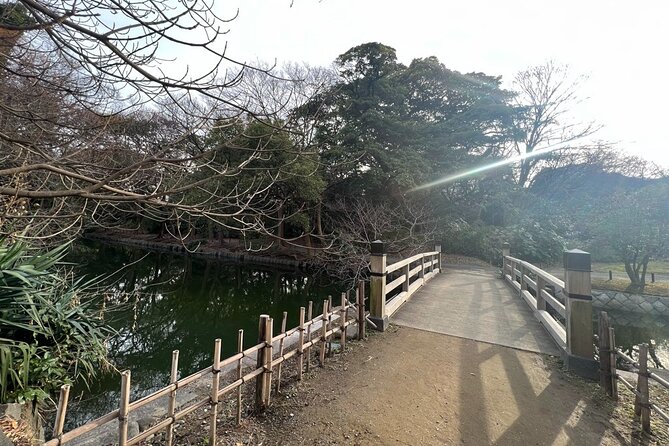
Hamarikyu Gardens sit in Tokyo, yet they feel like a world away from trains and street noise. This garden traces back to the Edo period, and the design philosophy shows through everywhere you look: controlled views, intentional stone and water ideas, and seasonal plant choices that make the same space feel different across the year.
What makes this tour work for real life is the time structure. You’re not left to guess what you’re seeing. The guide helps you notice the right details so you don’t miss the garden’s big design signatures, like the dry landscape elements and the circular garden compositions.
One thing I like in particular: even if you only have a short window in Tokyo, you still get a sense of how Japanese garden culture thinks. It’s not about big spectacle. It’s about attention—standing in one place, watching how a view changes as you shift your angle.
You can also read our reviews of more tours and experiences in Tokyo


Meeting Points and a 90-minute tempo that stays sane
This is a 90-minute experience, which is both a strength and a constraint. On the plus side, it’s easy to fit into a day that already includes shopping, temples, or museums. On the downside, you won’t have time for a long detour or a slow, wandering wander.
You have two start options: Otemon Bridge (大手門橋) or another starting arrangement depending on what you booked. Either way, you’ll finish with a drop-off at Shiodome Station (汐留駅). That matters because it helps you keep your day moving afterward instead of feeling “stuck” at the garden.
You’ll also be moving with a group size capped at 4 participants, so the guide can pace the walk and answer questions without turning it into a herding exercise. It’s in English with a live guide, which makes it easier to follow the garden design details without needing to translate in your head.
Practical tip: bring comfortable walking shoes. The tour is a stroll with purposeful stops, not a sit-and-watch show.
Inside the 30-minute guided stroll: Karesansui and Kaiyushiki in context
The heart of this tour is a 30-minute guided walk through the garden’s main highlights. The goal isn’t to rush you through sights. It’s to help you understand why those sights are arranged the way they are.
Two signature garden styles are part of the experience:
Karesansui (dry landscape garden)
Even without water elements doing the talking, the design can still suggest depth and motion. During the walk, you’ll learn how the garden uses stone, spacing, and the idea of negative space to create a scene you can read from different angles.
Kaiyushiki (circular garden)
This is the circular approach that encourages you to move and watch the composition change. The circular design concept makes you feel the garden as a sequence, not a single view. That’s a big deal on a short tour because it gives your photos a story—each step frames a new perspective.
The guide also explains the garden’s background and the design choices behind what you see. If you’ve ever stared at a Japanese garden and thought, I’m not sure what I’m supposed to notice, this is where the tour earns its keep. You get a simple mental map for what the garden is trying to do.
A small caution: because the walk is only 30 minutes, you’ll want to be ready to pause when the guide stops. If you’re the type who needs a long solo scan of every plant, this part may feel a little fast—but it still gives you the core ideas.
The tea ceremony room: matcha and Japanese sweets as part of the experience
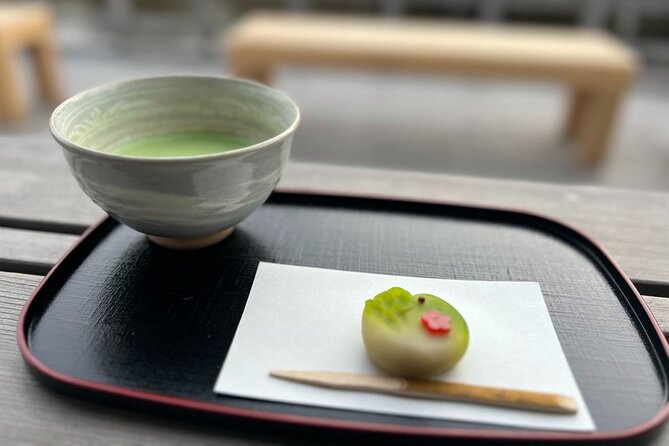
After the garden walk, the tour shifts into a more grounded hour: tea ceremony time in a garden room. This is the moment where the garden’s mood makes sense. You stop walking, sit down, and let the setting do the work.
The tea is matcha green tea, and it comes with Japanese sweets, both included in the price. Even if you already like matcha, this feels different because the tea isn’t an add-on at a random café. It’s served in the garden environment where you’ve been noticing seasonal details and design choices.
What I like about having tea included right here is that it acts like a cultural punctuation mark. You’re not just consuming a snack. You’re taking a pause that matches the slower rhythm of the garden itself.
One more practical point: plan to enjoy the tea without trying to rush through photos during this hour. If you keep your phone tucked away for a bit, you’ll feel the difference. The tour gives you a quiet pocket of time, and that’s often what people remember after a Tokyo day.
Seasonal changes you can actually notice (even on a short visit)
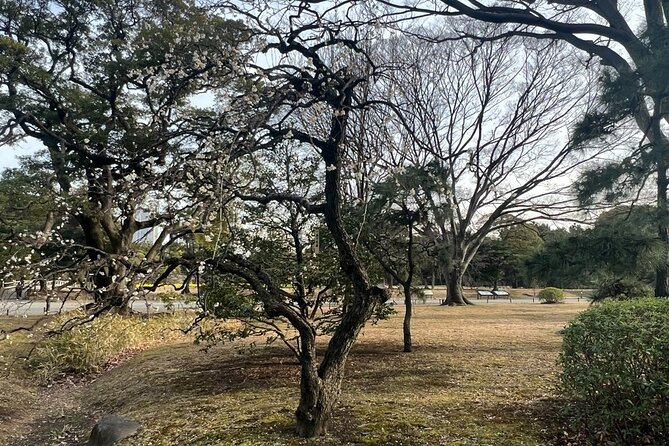
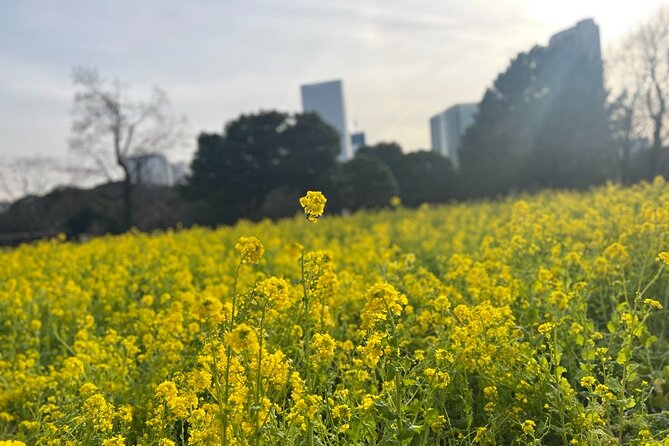
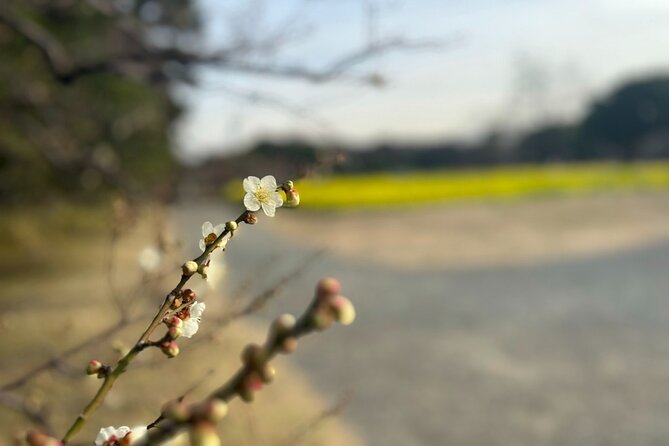
Japanese gardens are designed to shift with the seasons, and Hamarikyu is built for that kind of seasonal watching. During your visit, you’ll see how plant and tree beauty changes through the year, which helps you understand why garden culture values return visits and slow observation.
You don’t need to be an expert to appreciate the effect. When the guide points out what’s coming into bloom or what’s changing, you start noticing tiny cues: color timing, the feel of the air, and the way certain views feel more open or more sheltered depending on growth.
One reason this matters: it changes how you plan your trip. If you’re able to visit in different seasons, the garden won’t just be greener or more colorful—it can feel like a different composition. That said, even in a single visit, you’ll leave with a stronger sense of what seasonal design means than if you’d just walked without help.
If you’re coming during a season known for flowers, you’ll likely get extra enjoyment from the guide’s timing and description. If you’re visiting off-season, you can still enjoy the garden’s structure and the way the design holds its shape.






Price and value: is $85 fair for gardens plus tea?
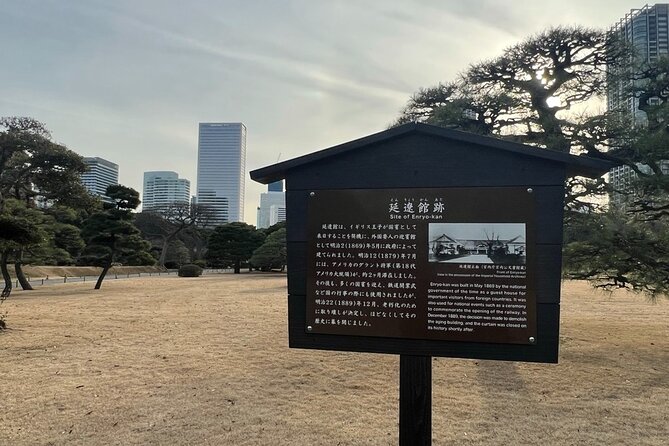
At $85 per person for a 90-minute small-group tour, the value comes from what’s included, not just the garden itself. You’re paying for three things at once:
A guided explanation of key design features
Without a guide, you can certainly enjoy the garden. But with the guide, you learn what to look for—like Karesansui and Kaiyushiki—and the background behind the design decisions.
Tea and sweets included
The matcha green tea and Japanese sweets are part of the tour fee. In practice, that often makes the total feel more reasonable than doing a walk first and then paying separately for a tea experience on top.
A small group pace
With a maximum of 4 participants, you get a calmer experience and more chance to ask questions. You also avoid the “everyone stop in a rush” feeling you get with larger tours.
So yes, it costs money. But compared to piecing together a self-guided garden visit plus finding a quality tea stop you’d actually want to sit for, it’s a pretty clean package.
Who this tour suits best (and who should choose something else)
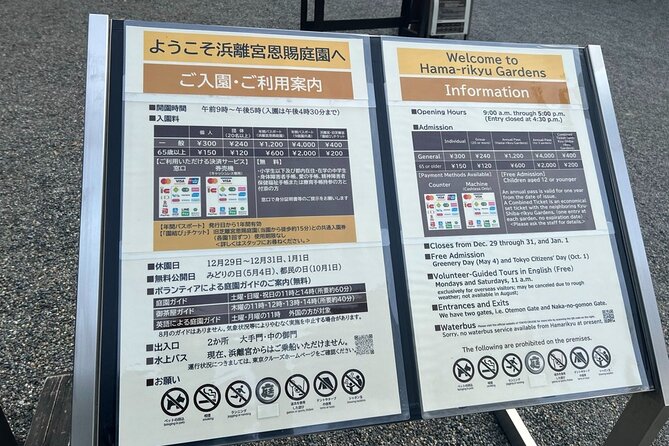
This tour is a great fit if you want culture with structure. If you like gardens but you don’t want to spend your time guessing what every element means, you’ll probably enjoy the guided stops and clear explanations.
It’s also a solid choice if you’re traveling on a tight schedule and want a memorable experience without losing half a day. 90 minutes is short enough to be realistic, and the tea ceremony adds something warm and human to balance the walking.
You might want to consider other options if:
- You prefer long, unbroken time to wander without stopping at guided points.
- You’re hoping for a deep historical lecture that lasts for hours (this tour focuses on garden highlights and context, not an all-day seminar).
Best match: people who want Japan made practical—good pacing, good atmosphere, and a guided nudge toward the details that matter.
Should you book Hamarikyu Gardens with Japanese Tea and Sweets?
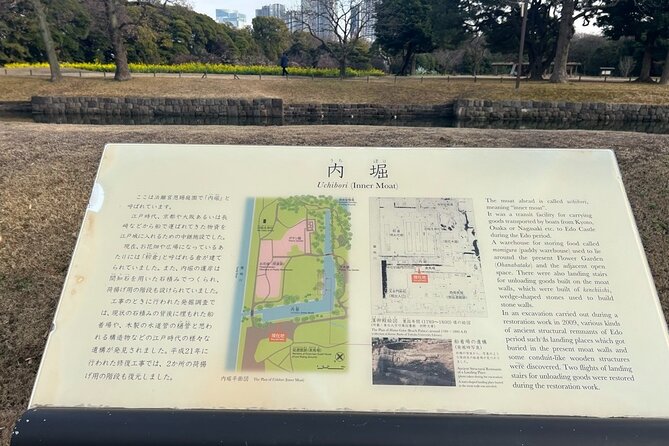
I think you should book this tour if you care about understanding what you’re seeing and you like the idea of pairing a garden walk with a real tea moment. The combination of Edo-period garden design, guided explanation, and included matcha and sweets is a smart use of time in Tokyo.
Book it if you want a calm, small-group experience that helps you find the meaning in the stones, the plant choices, and the garden’s changing views. Skip it only if you’re trying to maximize total time in the garden or you hate any guided stopping points.
If your day has room for 90 minutes, this is one of those tours that leaves you with both good photos and a clearer sense of why the place is arranged the way it is.
FAQ
How long is the Hamarikyu Gardens tour with Japanese tea and sweets?
The tour lasts 90 minutes, with a guided garden portion and a tea ceremony portion included.
What’s included in the tour price?
You get a live English tour guide, plus matcha green tea and Japanese sweets included in the fee.
Is the tour in English?
Yes. The tour uses a live guide in English.
What are the starting locations and where do you end?
You may start at Otemon Bridge (大手門橋) depending on the option booked, and the tour ends with drop-off at Shiodome Station (汐留駅).
How big is the group?
It’s a small group, limited to up to 4 participants.
What is the cancellation policy?
There’s free cancellation up to 24 hours in advance for a full refund.