REVIEW · TOKYO
Tokyo: 2-Hour Asakusa Food Hunt & Cultural Tour
Book on GetYourGuide →Operated by Ninja Food Tours · Bookable on GetYourGuide
Food in Asakusa has stories. This 150-minute walk through parts of Asakusa you don’t usually see turns lunchtime into a mini cultural lesson, with a small group pace that keeps you moving but not rushing. I like that the focus stays on everyday, family-run places, not just the usual photo stops.
I also love the built-in food education, especially the sushi etiquette lesson that helps you eat correctly and try fresh seafood you might skip on your own. One drawback to consider: the tour is food-forward, so if you want mostly temple sightseeing with minimal eating, this one may feel a bit too snack-and-meal focused.
In This Review
- Key things I’d plan for before you go
- Where the Tour Starts: Hinatomaru Kaminarimon and Asakusa Orientation
- Timing and Walking: 11:30 to 14:00 With Comfortable-Shoe Rules
- Standing Sushi Counter: The Fish-Dealer Shop and Sushi Etiquette
- Soba and Gyoza the Local Way: Family-Owned Lunch Stops
- Handmade Rice Crackers: A Store With 100+ Years Behind the Counter
- Japanese Snacks With a 50-Year Lineage: The Little Stand Story
- Sensoji Temple Stop: Culture and History After the Food
- Small Group, English Guide: How Up to 6 People Changes the Experience
- Included Tastings and the Real Meaning of Lunch-Size
- Price and Value: Is $76 Worth It?
- What Could Be a Misfit for You?
- Practical Tips to Get More From Every Stop
- Should You Book This Asakusa Food Hunt & Cultural Tour?
- FAQ
- Where does the tour meet?
- How long is the Asakusa food hunt?
- Is the tour a small group?
- What language is the guide?
- What food is included in the tastings?
- How much walking is involved?
- Is transportation included?
- What’s included in the price?
- Is it refundable if plans change?
- Can I reserve before committing to payment?
Key things I’d plan for before you go
- Standing sushi counter lesson at a shop tied to a fish dealer, with practical how-to eating tips
- More than four local stops and a lunch-size amount of tastings across family businesses
- Soba + gyoza at a local-style restaurant that fits the pace of real life in Asakusa
- Snacks with long backstories, including rice crackers from a 100+ year store and treats that began decades ago
- Sensoji Temple included so the food tour connects back to Tokyo’s cultural roots
- Small group of up to 6 with an English-speaking guide who can adjust to questions and needs
Where the Tour Starts: Hinatomaru Kaminarimon and Asakusa Orientation
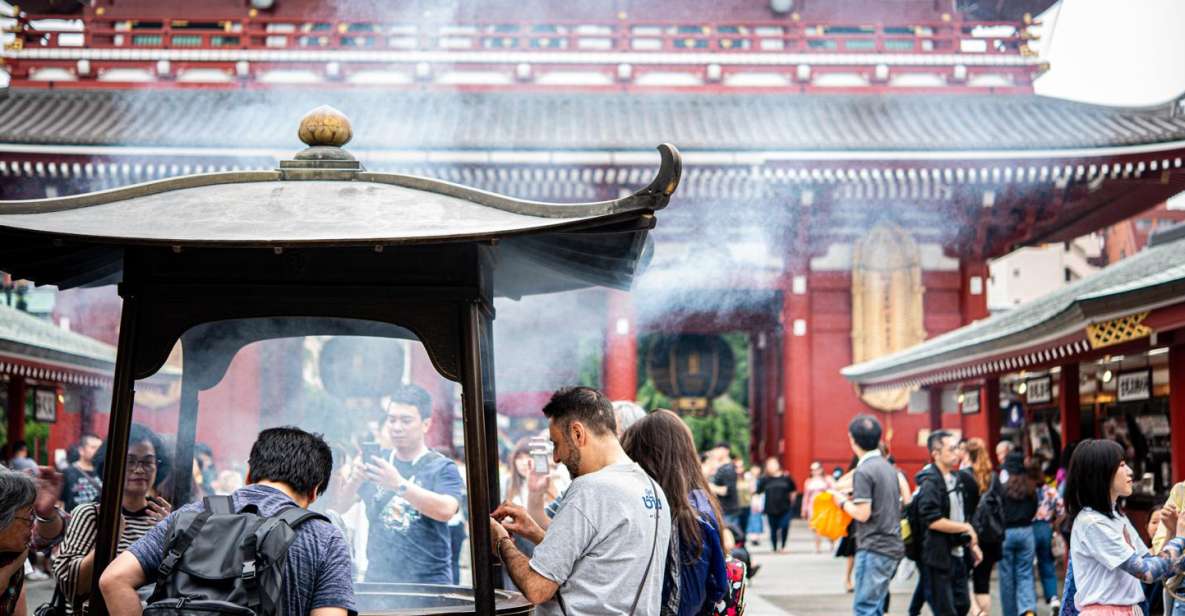
You’ll begin at Hinatomaru Kaminarimon, at 1 Chome-20-3 Asakusa, Taito City, Tokyo. Starting here is smart because it puts you right in the right “rhythm” of the neighborhood from the first minute. You’re not scrambling to find your bearings while also trying to figure out what to order.
This tour is built around walking through the broader area of Asakusa—about 1 to 2 kilometers total—so you’ll get a feel for how the streets actually work. That matters, because Asakusa can look like one big attraction zone if you only pass through it for photos. With a guide, you learn which streets and storefronts feel local, and which ones are mostly there for visitors.
You can also read our reviews of more food & drink experiences in Tokyo


Timing and Walking: 11:30 to 14:00 With Comfortable-Shoe Rules
The tour runs from 11:30 to 14:00, for a total of 150 minutes. That timing is ideal for food because you’re landing in the middle of lunchtime, when shops are active and tasting options are easiest to enjoy. It’s also a practical window: long enough to feel like a real experience, short enough that it doesn’t steal your whole day.
Expect some walking and you’ll want comfortable shoes. The route isn’t described as extreme, but you are moving between multiple stops and a major temple. If you’re the type who gets tired quickly in heat, plan like a pro: pace yourself, drink water when you can, and take advantage of any shade breaks your guide builds into the flow.
Standing Sushi Counter: The Fish-Dealer Shop and Sushi Etiquette
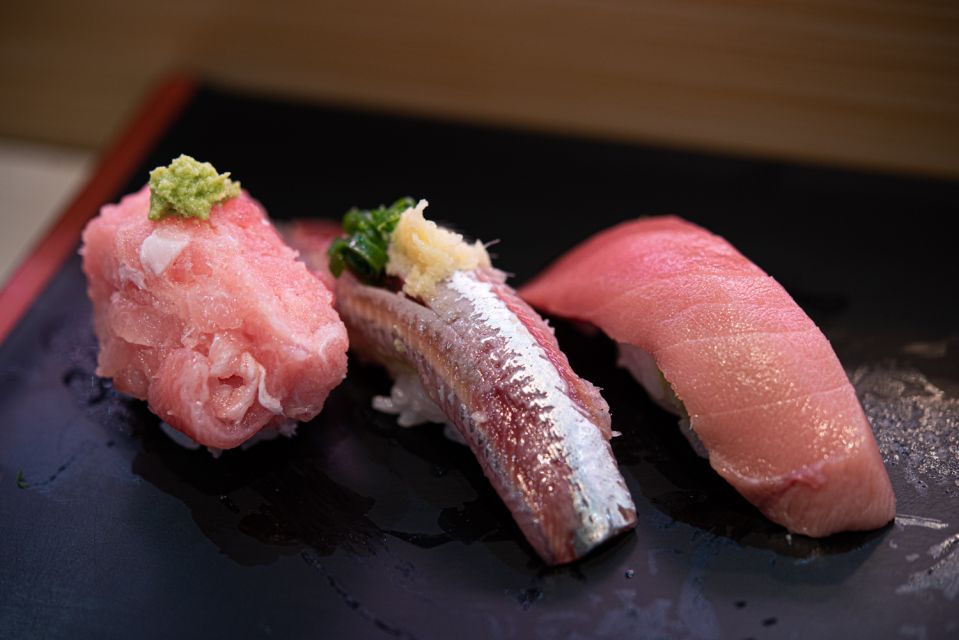
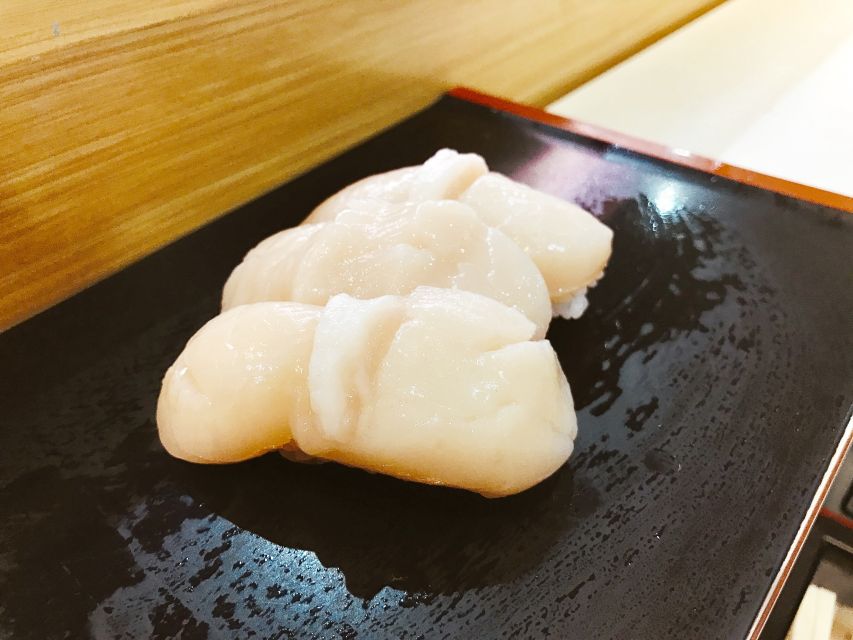
One of the best parts of this tour is the first “wow” stop: a standing sushi restaurant owned by a fish dealer. Standing counters are a specific style of Japanese dining, and this one comes with a big advantage—you’ll learn the basics of how people eat sushi there, not just what to eat.
You’ll get a lesson on how to eat sushi properly, plus you’ll taste fresh seafood that you might not try otherwise. Sushi in Japan has gone through phases: it used to be treated more like fast food, and now the experience is often slower and more intentional. On this tour, the guide’s job is to help you understand what that means at the table, so you’re not guessing.
Practical tip for the sushi stop: don’t rush your guide’s instructions. If you’re learning how to hold or handle pieces the “local way,” it’ll make your first bites feel confident instead of awkward. Also, standing sushi can be surprisingly satisfying, so pace your appetite for the later stops—this tour is filling by design.
Soba and Gyoza the Local Way: Family-Owned Lunch Stops
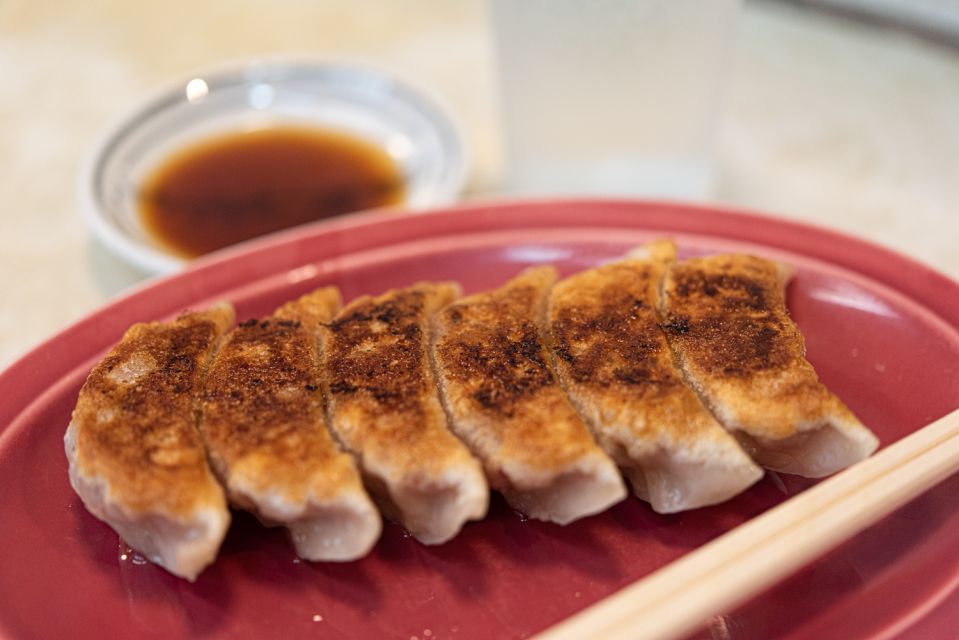
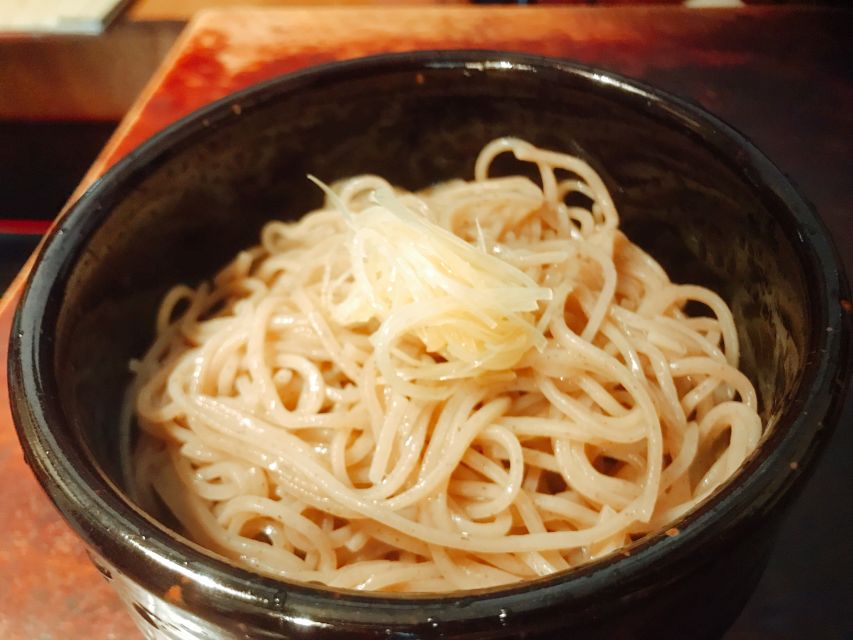
After sushi, you head to a family-owned soba restaurant where you’ll enjoy fresh soba and gyoza. Soba isn’t just a dish here—it’s part of daily eating culture, and the guide helps you connect what you’re tasting to why it’s popular.
You’ll also see how a local place runs at lunch: quick, friendly, and focused on the food. The tour is timed so you can eat without the stress of figuring out ordering and customs on your own. It’s a nice change from the “find a restaurant, scan the menu, hope you order right” routine that can drain the first half of a Tokyo day.
If you’re a fan of dumplings, gyoza is a highlight. If you’re new to soba, it’s the kind of dish that teaches you a lot quickly—what fresh noodles taste like, how different toppings change the flavor, and how gyoza pairs with noodles in a real meal.
Handmade Rice Crackers: A Store With 100+ Years Behind the Counter
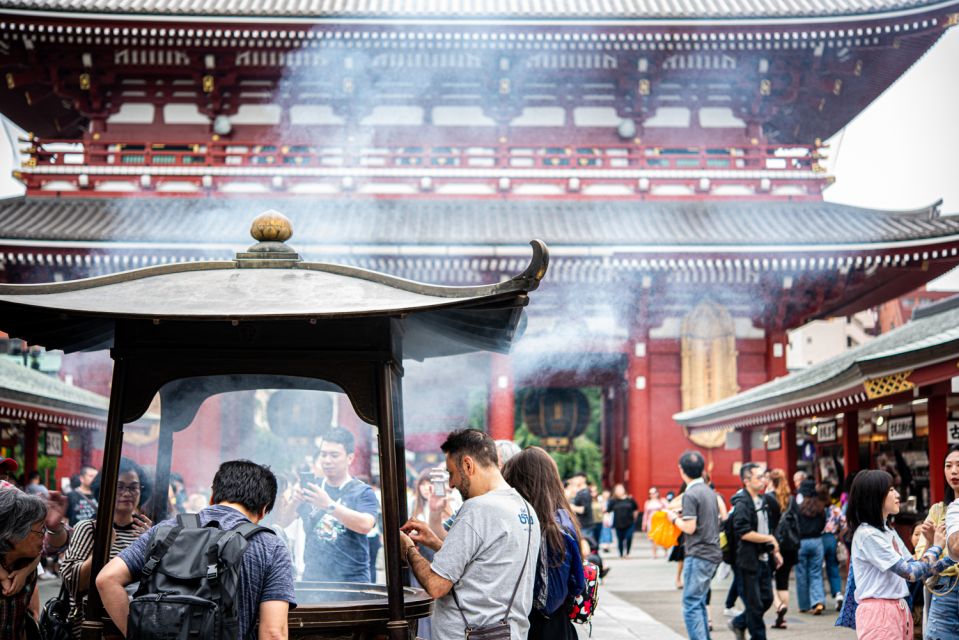
Next up, you’ll visit a shop for handmade rice crackers from a family business that’s over 100 years old. This isn’t just a snack stop; it’s a quick history lesson you can taste.
Rice crackers are the kind of food that can feel generic in some countries, but in Japan they’re often made with careful attention to texture and flavor. Having a guide in front of you matters here: you’ll be more likely to notice what makes one cracker different from another, and how the shop’s long timeline shows up in its product style.
Expect this stop to be short and focused—more like a taste-and-learn moment than a full sit-down meal. It’s a great palate reset too, especially if earlier bites were seafood-heavy.
You can also read our reviews of more tours and experiences in Tokyo


Japanese Snacks With a 50-Year Lineage: The Little Stand Story
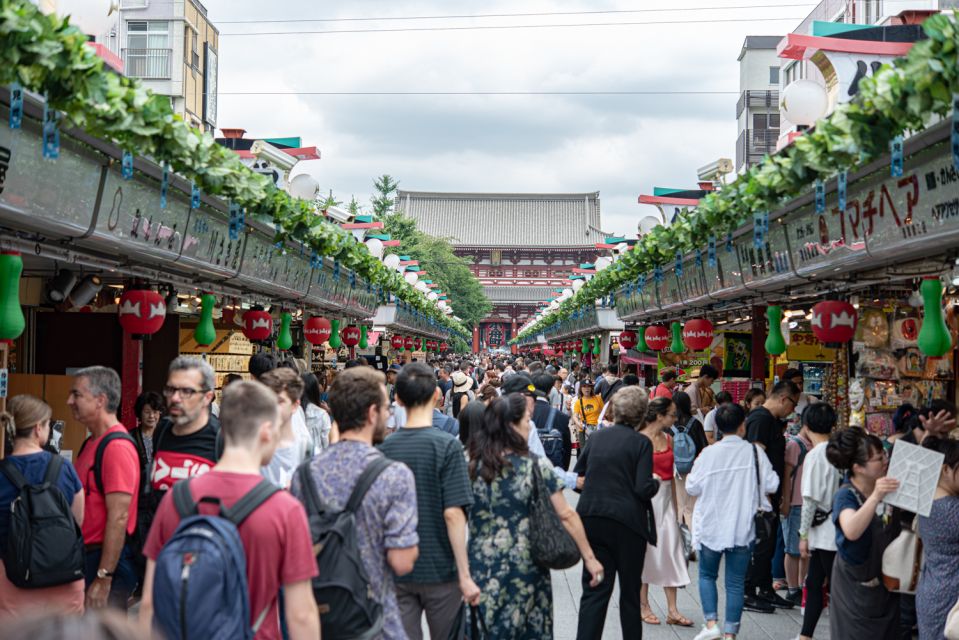
You’ll also try Japanese snacks described as a hidden little spot that started from a food stand about 50 years ago in Tokyo. That “origin story” is exactly why these stops feel different from generic tourist food.
Snacks are often where you discover flavor combinations that never make it onto restaurant menus. On a guided tour, you get to try them without needing to read every label or guess what’s worth your time. Even if you don’t buy souvenirs, the taste experience gives you a better mental map of what Japanese snack culture is like.
If you’re someone who collects food ideas for later, this is the part where you can start thinking, Okay, I get the snack language now. Then, when you walk around on your own afterward, you’ll spot good choices faster.
Sensoji Temple Stop: Culture and History After the Food
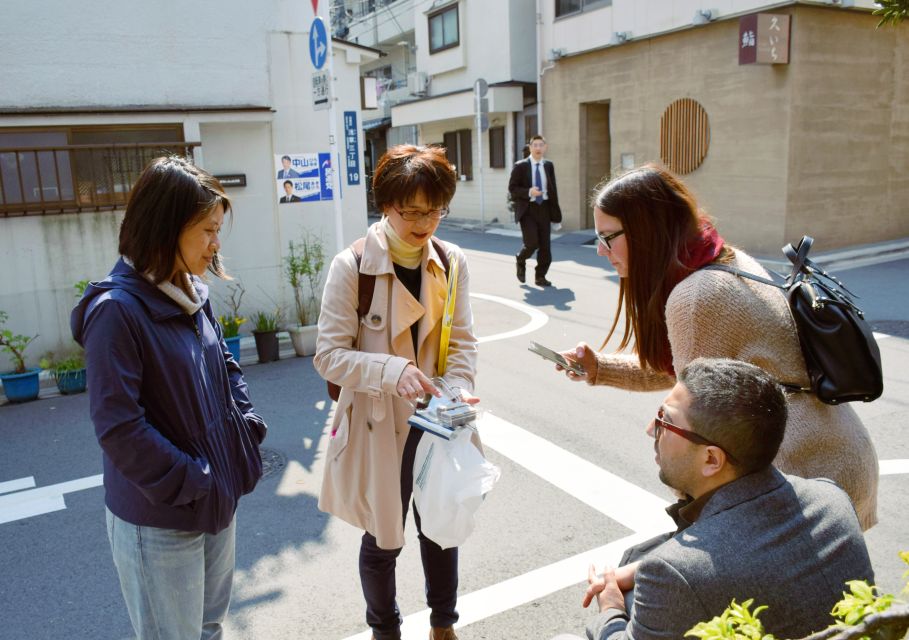
The tour ends with a visit to Sensoji Temple, one of Tokyo’s largest and most well-known temple sites. It’s not treated as a separate “random sightseeing stop.” Instead, it’s timed after your food education so you get a fuller picture of the neighborhood.
This matters because Asakusa isn’t just food and crowds—it’s also religious and cultural space. After tasting multiple local foods rooted in everyday life, you’re in a better mindset to understand how people live alongside tradition here. Your guide will point out cultural and historical context as you walk around.
You’ll also appreciate the pacing: food first, then temple. It’s a comfortable order because you’re less likely to feel rushed at the temple while your stomach is busy digesting a big meal.
Small Group, English Guide: How Up to 6 People Changes the Experience
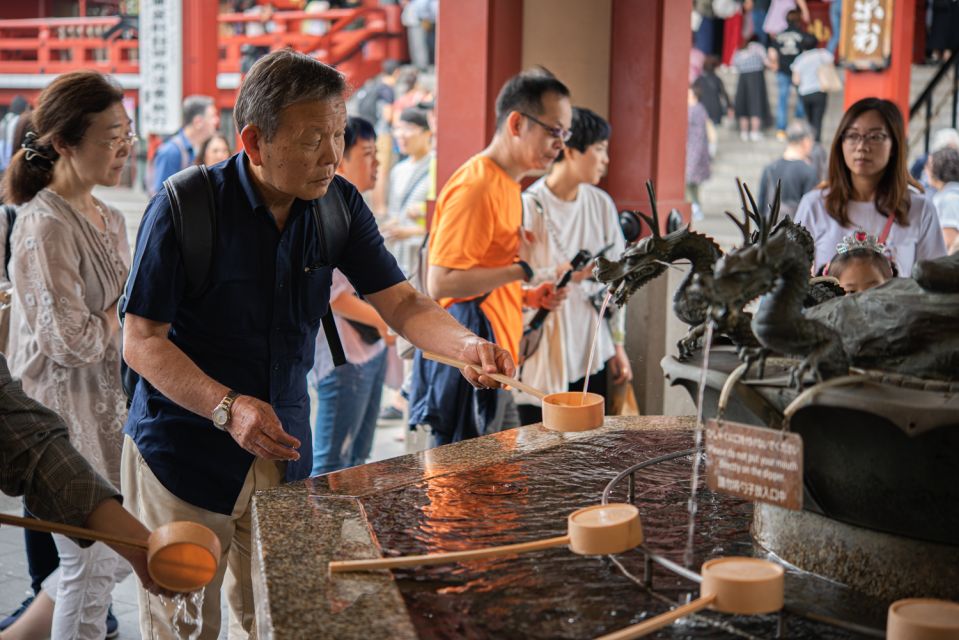
This tour is a small group limited to 6 participants, and that size shows in how the experience feels. With fewer people, the guide can slow down for questions, adjust timing if someone needs a break, and keep the flow from turning into a factory line of tasks.
The guide experience also seems to vary nicely in a way that helps different travelers. Guides such as Max, Shino, Chi, and Leigh are noted for strong English communication and for being patient. That combination matters because eating customs can feel small and confusing—until someone explains them clearly. A guide who can talk through the why and the how makes the lessons land.
Another subtle win: a small group often feels less intimidating for first-time visitors. You can ask basic questions without feeling like you’re holding up a big crowd, and the guide can guide your pace so everyone eats comfortably.
Included Tastings and the Real Meaning of Lunch-Size
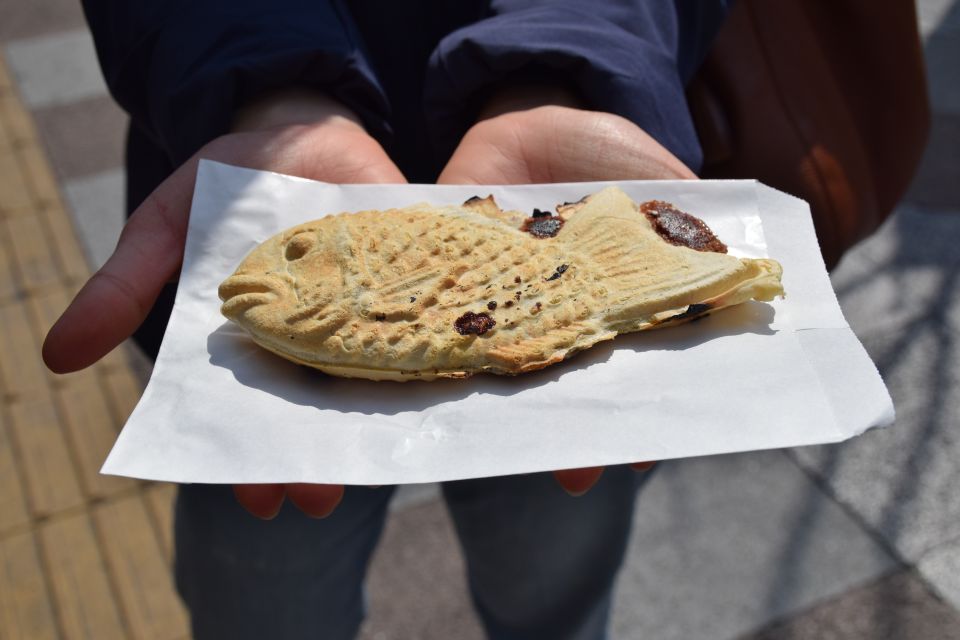
The tour includes full lunch size local food tastings and the guide fee. That’s important when you look at what you’re paying for. At $76 per person, you’re not just buying a “walk and see” experience—you’re paying for multiple meal-style tastes across different stops.
Because it’s lunch-size, you should generally plan to treat this as your main meal. That helps value: if you’d otherwise spend that day piecing together meals and snacks on your own, this bundles the planning, the guidance, and the tasting into one plan.
Also, the tour specifically targets places you might not find quickly on your own—non-touristy areas and shops that feel family-owned rather than visitor-focused. That kind of access can be the difference between eating in popular areas versus eating where locals actually go.
Price and Value: Is $76 Worth It?
Let’s talk numbers without hand-waving. You’re paying $76 for 150 minutes with a live English guide, plus lunch-size tastings across more than four local vendors, including sushi and soba/gyoza. Transportation isn’t included, but the rest is.
Where the value really shows is in the “planning you avoid” part. Food tours don’t save time by magic, but they do reduce wasted time on the wrong places, wrong ordering, or getting stuck with a menu you can’t read. Here, the guide sets the order, explains how to eat certain foods, and keeps the timing aligned with what the shops can serve.
If you’re the type who enjoys learning small cultural details while eating, this price starts to feel fair fast. If you only want a single quick snack and a temple photo, you’ll feel the mismatch. But for a food-first traveler with limited time in Asakusa, the cost-to-tastings ratio is the selling point.
What Could Be a Misfit for You?
This is a great tour for food lovers, but it won’t fit every style.
- If you prefer full restaurant meals and dislike tasting menus, you may find the stops slightly “bite-sized” even though it’s lunch-size overall.
- If you have strong dietary restrictions, the tour information here doesn’t spell out options, so you should check directly before booking.
- If you want mostly temple time and minimal eating, the food-focused format may feel too busy.
Also, it involves walking and outdoor segments, so you’ll want to manage comfort, especially in warm weather. Shoes matter more than you think when you’re doing several stops in a row.
Practical Tips to Get More From Every Stop
A few things help this tour land better, fast:
- Wear shoes you can move in. You’re walking between multiple food counters and the temple area.
- Bring curiosity. When a guide teaches sushi etiquette or how locals eat a dish, listen for the why, not just the rules.
- Ask questions as they come up. If you’re unsure about Japanese food culture or table manners, this is exactly the moment to clarify.
- Plan for a guided pace. The tour is structured so you don’t have to map or guess, but it works best if you stay with the group rhythm.
One more note: tipping in Japan is appreciated for guide services, so if you’re wondering what to do at the end, budgeting a small tip is a thoughtful move.
Should You Book This Asakusa Food Hunt & Cultural Tour?
If you’re short on time in Tokyo and want a focused Asakusa experience, I’d book it. This tour is built for travelers who like real neighborhood food, enjoy learning how Japanese eating customs work, and want at least one major cultural stop at the end.
You should also book if you’re eating sushi or soba but want the “how” explained, so you don’t miss the point. And the small-group limit makes it a good choice if you don’t want a crowded scramble.
Skip it if you’re trying to minimize food, you need a highly flexible walking-free plan, or you’re strictly looking for temple sightseeing only.
FAQ
Where does the tour meet?
You meet at Hinatomaru Kaminarimon, 1 Chome-20-3 Asakusa, Taito City, Tokyo.
How long is the Asakusa food hunt?
The tour lasts 150 minutes, running from 11:30 to 14:00.
Is the tour a small group?
Yes. It’s a small group limited to 6 participants.
What language is the guide?
The tour has a live guide in English.
What food is included in the tastings?
The tour includes tastings at multiple stops such as a standing sushi restaurant, a family-owned soba restaurant with soba and gyoza, handmade rice crackers, and Japanese snacks. You’ll also visit Sensoji Temple.
How much walking is involved?
You can expect about 1 to 2 kilometers of walking during the experience.
Is transportation included?
No. Transportation is not included.
What’s included in the price?
The price includes full lunch-size local food tastings and the guide fee.
Is it refundable if plans change?
You can cancel up to 24 hours in advance for a full refund.
Can I reserve before committing to payment?
Yes. The offer includes reserve now & pay later, so you can book your spot without paying today.
If you tell me your travel dates and dietary preferences (if any), I can suggest whether the food mix fits you well and how to plan the rest of your Asakusa day around this 11:30–14:00 window.