REVIEW · TOKYO
Tokyo: Calligraphy Workshop Craft Your Own Art in Asakusa
Book on GetYourGuide →Operated by Localized Walking & Food Tours · Bookable on GetYourGuide
Your brush moves like a quiet whisper. In Asakusa, a historic Tokyo neighborhood, you can learn shodo calligraphy step by step and leave with something real you made yourself. I love how the teaching is patient and practical, with lots of hands-on repetition.
What I like most is the mix of tradition and easy control: you practice with classic brushes and then switch to a modern fude pen for extra precision. One thing to consider: this is a 90-minute session, so it is more about learning the moves than mastering calligraphy as an art form you would use every day.
In This Review
- Key Points You’ll Care About
- Why Asakusa Shodo Feels Different From a Quick Souvenir
- Finding the Studio: The 5th-Floor Meeting Point
- The 90-Minute Workshop Flow (What Happens in That Time)
- 1) Getting Oriented and Practicing Brush Control
- 2) Learning the Meaning Behind the Strokes
- 3) Choosing Characters and Writing With Purpose
- 4) Using Two Tools for Two Different Effects
- 5) Finishing Your Piece and Leaving With the Result
- Traditional Brushes vs Fude Pen: The Practical Advantage
- What You Take Home: A Real Souvenir, Not a Sticker
- Price and Value: Is $38 Fair for a 90-Minute Class?
- Who Should Book This Workshop (And Who Might Skip It)
- Small Details That Make a Big Difference
- Should You Book This Calligraphy Workshop in Asakusa?
- FAQ
- How long is the calligraphy workshop?
- Is the workshop beginner-friendly?
- What language is the instruction?
- What supplies are included?
- How large is the class?
- What is the cancellation and payment flexibility?
Key Points You’ll Care About
- Asakusa location: A historic setting that makes the cultural part feel grounded, not staged.
- Small group (up to 10): More time with the instructor and fewer people competing for attention.
- English instruction: Clear guidance for beginners, including stroke order basics.
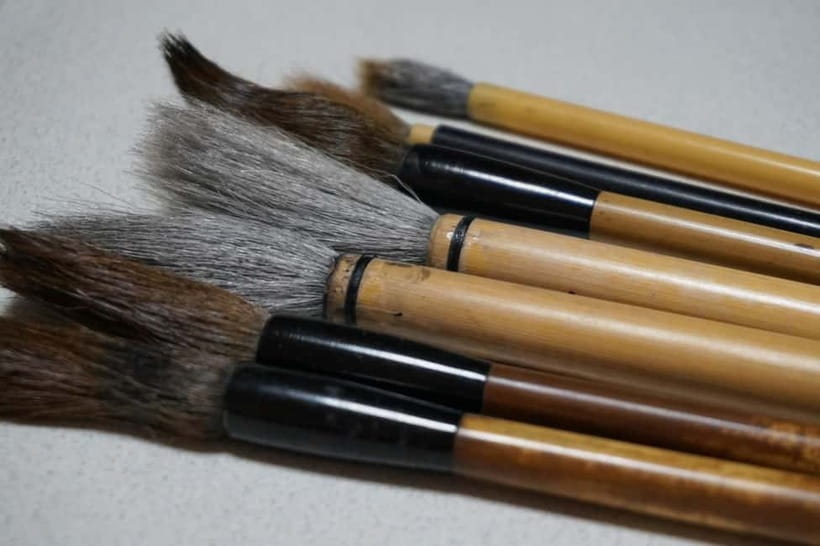
- Traditional brushes plus fude pen: Classic look, with modern tools for accuracy.
- A take-home artwork: You finish with a piece you can display right away.
- Calm, focused pacing: Expect a slower rhythm that feels like a break from Tokyo noise.
Why Asakusa Shodo Feels Different From a Quick Souvenir
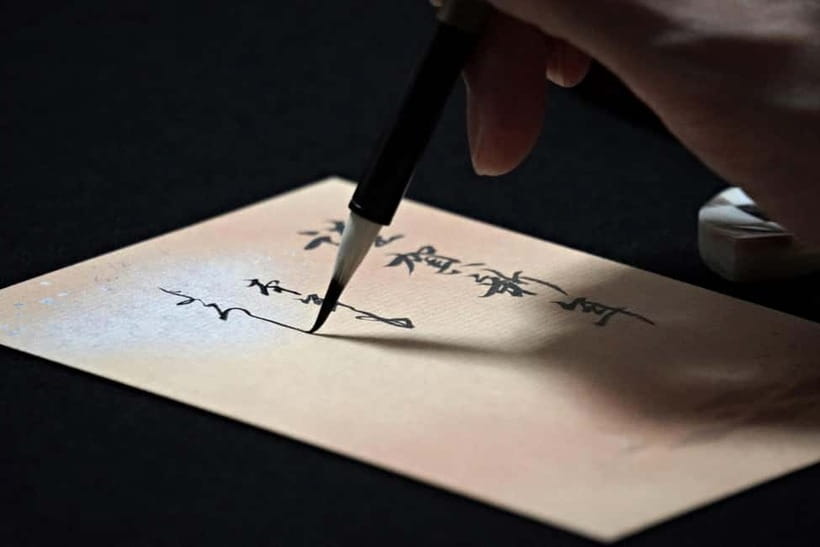
Tokyo has plenty of culture-themed activities. This one works because it is hands-on, not passive. You are not just watching someone else make art. You’re learning how the brush moves, how each stroke lands, and why Japanese calligraphy is treated as a disciplined craft.
Asakusa adds another layer. The workshop sits in one of Tokyo’s older districts, so the subject (shodo) doesn’t feel like a random activity you squeezed in. You’re learning a technique that has been practiced for generations, then practicing the basics yourself with the same physical tools.
Also, the class is built for beginners. That matters. When you’re starting from zero, you need a teacher who can break down something that looks simple but isn’t: pressure, direction, timing, and the exact order of strokes.
You can also read our reviews of more tours and experiences in Tokyo



Finding the Studio: The 5th-Floor Meeting Point
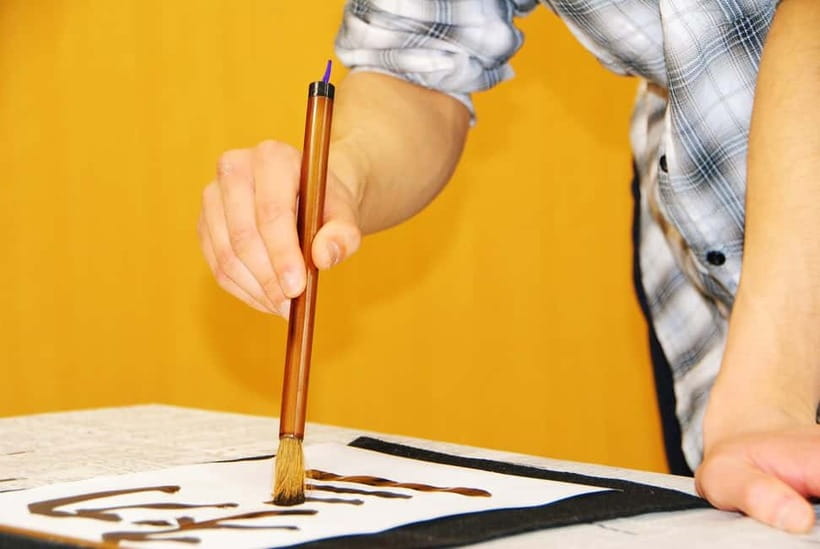
The meeting point is Tokyo Tourist Lounge Asakusa, on the 5th floor. That sounds straightforward, but in a big building it helps to arrive with a little cushion. If you are pairing this with nearby sightseeing, try not to stack it too tightly with another timed plan.
Transportation is not included, so you’ll want to plan your own way to the area. The good news: because the workshop itself is short, you’re not committing to a whole half-day of logistics—just the time you need to learn and finish your piece.
The 90-Minute Workshop Flow (What Happens in That Time)
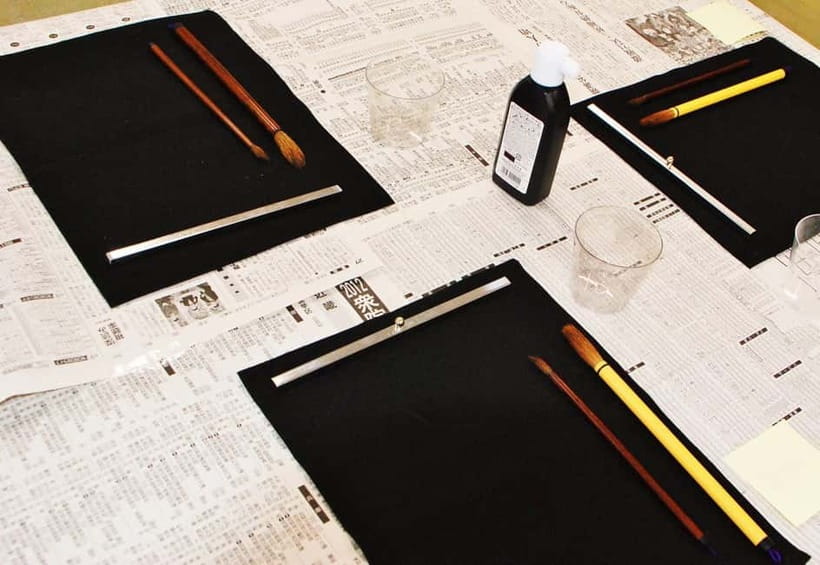
This is a 90-minute class (often described as 1 to 1.5 hours). The structure matters because calligraphy training is not just about finishing art—it’s about muscle memory. You start with warm-up basics, then build toward a final piece you take home.
Here is how the session typically feels, in practical chunks:
1) Getting Oriented and Practicing Brush Control
The instructor starts by teaching the fundamentals: brush control, stroke order, and basic techniques. This is the core of shodo. Even if your character looks wrong at first, the lesson is about doing the stroke the right way, not guessing.
You also get time to practice. One reason the class earns such strong feedback is that you are not rushed into a final product before you understand what you’re doing. You can repeat strokes until they feel more controlled.
2) Learning the Meaning Behind the Strokes
You’ll hear both the technique and the cultural side of shodo. The calligraphy is treated as more than decoration. It’s often described in terms of patience and focus, which is exactly what the class atmosphere becomes: quiet, steady, and slow enough to reset your brain.
This is one of those rare travel activities that feels restorative. Tokyo can be high-speed. A calm classroom with ink and paper changes the pace fast.






3) Choosing Characters and Writing With Purpose
Then comes the part that turns practice into a keepsake: you write characters of your choice. This is where beginners tend to get excited, because you can make the artwork personal.
You’ll use guidance such as writing templates. Templates help you get the proportions and placement right, so your first attempts don’t turn into a frustrating guesswork session.
4) Using Two Tools for Two Different Effects
You practice with traditional brushes, then also use a modern fude pen for added precision. That combo is smart. Traditional brushwork teaches you the feel of pressure and stroke shape. The fude pen helps you refine control when you want cleaner results.
For many people, this is the best of both worlds: you learn the classic craft while still ending up with a piece you’re proud to display.
5) Finishing Your Piece and Leaving With the Result
Your final artwork is prepared so you can take it home. Depending on the class setup, you may produce a piece on options like a scroll, a fan, or a hard-backed square. The theme stays the same: you leave with something finished, not a half-done project.
Traditional Brushes vs Fude Pen: The Practical Advantage
If you’ve ever tried to write with a brush, you know the surprise: it is harder than it looks. Brush calligraphy demands steady pressure and confident direction. One wobble can change the whole character.
That’s where the fude pen becomes helpful. A pen won’t behave exactly like a brush, but it gives you a more manageable tool for precision. In a beginner workshop, that means you can get closer to the look you want without burning all your time fighting the tool.
I like this approach because it respects both realities:
- tradition still matters (you learn stroke order and brush technique)
- your time is limited (so you finish with a satisfying final piece)
What You Take Home: A Real Souvenir, Not a Sticker
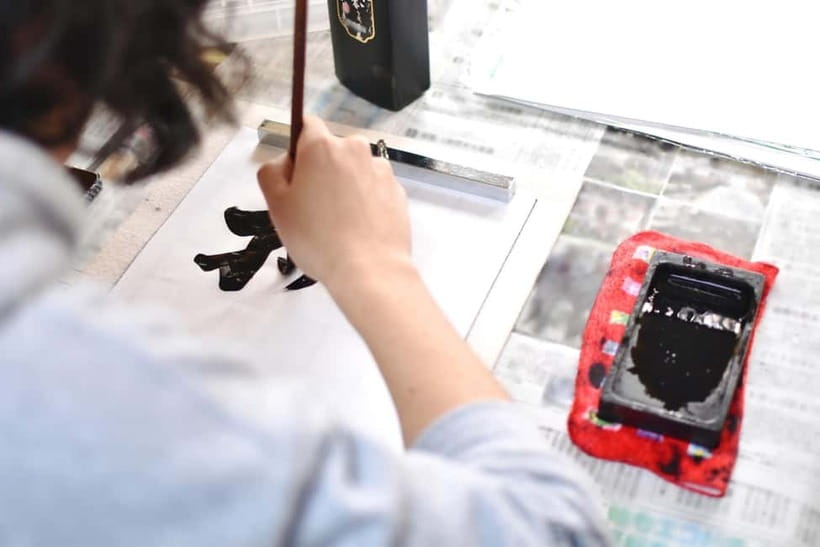
The workshop includes your personal calligraphy artwork to take home. That sounds simple, but the value is bigger than the physical object.
First, the piece is meaningful because it reflects your own writing. You picked the characters. You practiced the strokes. You controlled the brush pressure. That makes it something you’ll remember later when the trip starts fading.
Second, the format gives you options. Some classes result in a scroll, others in a fan or a hard-backed piece. Any of those options work at home, and you don’t have to repurpose your souvenir.
Third, it’s a low-tech souvenir that doesn’t depend on charging, storage, or fitting it into your suitcase too carefully. Ink and paper are fragile, sure, but calligraphy souvenirs are designed to be transported and displayed.
Price and Value: Is $38 Fair for a 90-Minute Class?
At $38 per person, you’re paying for more than a guided activity. You’re getting:
- an English-speaking instructor
- small-group attention (limited to 10 participants)
- time spent practicing stroke order and technique
- materials: traditional brushes and a fude pen
- a take-home finished artwork
In practical value terms, the price is strongest if you want the full learning loop: instruction, repetition, and a final piece. If you only wanted a photo-op, you could find cheaper things. But if you want to leave with skill you practiced in real time, plus something you can hang up, this is a fair deal.
Also, the short duration is part of the value. You’re buying a focused 90 minutes. You’re not paying for half a day of sightseeing time you might not control.
Who Should Book This Workshop (And Who Might Skip It)
This workshop fits best if you want a calmer Tokyo experience. It is also ideal if you’re a beginner and you don’t want to feel lost.
You’ll likely enjoy it if:
- you like cultural activities you can actually do, not just watch
- you want a small-group setting with individual coaching
- you want a take-home art piece without needing advanced skills
It might be less ideal if:
- you only want a major attraction with lots of walking and site-seeing (this is inside a studio)
- you expect a long, multi-session course that turns you into a calligraphy expert (this class is about fundamentals and a finished keepsake)
Small Details That Make a Big Difference
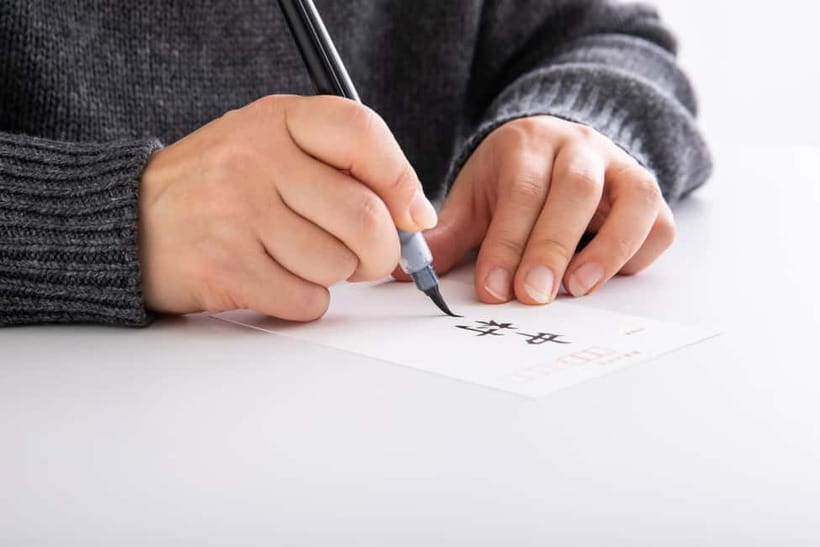
A few things show up again and again in how people describe the experience, and they matter for your expectations:
- The instructor is patient and friendly, and the pace is set to help you improve strokes without panic.
- You get plenty of practice time before you finalize your work.
- Helpful teaching tools like writing templates make a beginner’s first character look far more accurate.
- The environment is described as calm and peaceful, which makes the class feel like a reset button in a busy city.
One more practical note: you’ll want to manage your expectations. Even if your first strokes look imperfect, the goal is learning control. The finished artwork is there because you finish the session with guided support, not because you were expected to get everything perfect instantly.
Should You Book This Calligraphy Workshop in Asakusa?
Yes, if you want a hands-on cultural experience you can complete in about 90 minutes and turn into something you’ll still see at home.
This is the kind of activity I recommend for first-timers to Japan and for returners who already know the big sights. You get a real craft lesson, an English-friendly setup, small-group attention, and a take-home piece that feels personal.
Book it if you can handle one trade-off: you’ll need to handle your own transportation and you’re committing to studio time instead of more wandering. If that sounds fine, this is a strong use of a Tokyo afternoon.
FAQ
How long is the calligraphy workshop?
It lasts 90 minutes. It’s also described as a 1 to 1.5 hour experience.
Is the workshop beginner-friendly?
Yes. It is suitable for beginners and requires no prior experience.
What language is the instruction?
The instructor teaches in English.
What supplies are included?
You use traditional brushes and also a modern fude pen. You’ll also take home your finished calligraphy artwork.
How large is the class?
It’s a small group limited to 10 participants.
What is the cancellation and payment flexibility?
You can cancel up to 24 hours in advance for a full refund. You can also reserve now and pay later to keep plans flexible.