REVIEW · TOKYO
Sumo Morning Training Watch in Tokyo,Hotel-pickup w/English guide
Book on Viator →Operated by True Japan Tour · Bookable on Viator
Waking up early in Tokyo is worth it. You get behind-the-scenes access to a real sumo stable, plus an English guide to translate the rules, rituals, and what you’re actually seeing. I love that it feels close and personal, not like a distant show, and I also love the hotel pickup option that reduces the stress of getting there before the session.
The main thing to consider is timing and getting mobile: the tour starts at 7:30am, and getting to the stable can involve subway, walking, and stairs. If you hate mornings or long walks, plan your day around this instead of trying to stack it with other early plans.
In This Review
- Key takeaways before you go
- Why This Sumo Morning Feels More Real Than Arena Sightseeing
- Hotel Pickup at 7:30am: The Logistics You’ll Actually Care About
- From Warmups to Practice Bouts: What You’ll See During Training
- Your English Guide Turns Chaos Into Meaning
- Photo Time, Quiet Rules, and the Realities of Being Up Close
- Price and Value: Is $159.88 Worth It in Tokyo?
- When This Sumo Training Tour Works Best for You
- Practical Tips That Make the Morning Smoother
- Dates to Know Before You Book
- Should You Book This Sumo Morning Training Watch?
- FAQ
- What time does the tour start?
- How long is the experience?
- Is hotel pickup included?
- Is food included?
- Do I need an English-speaking guide?
- How many people are in the group?
- What dates is this tour not available?
- Cancellation is free. How does it work?
Key takeaways before you go
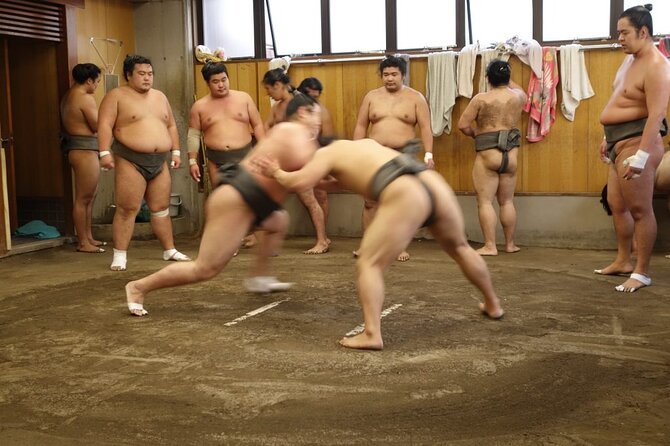
- Real training at a sumo stable: You’ll see drills, serious practice bouts, and the routines around them.
- English guide + Q&A support: Guides use handouts and will help you understand what matters in the match.
- Hotel pickup included: Saves time and helps on your first Tokyo morning (with a nationally-licensed guide).
- Quiet rules inside the stable: You may not be able to chat during training, but your guide still helps you follow along.
- Photo time may be available: You might get photo opportunities with wrestlers depending on the schedule.
- Small group size: Maximum 15 people, so you’re not lost in a crowd.
Why This Sumo Morning Feels More Real Than Arena Sightseeing
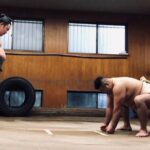
If you’ve only seen sumo in grand tournament arenas, this is the missing piece. Here, you watch how wrestlers prepare—strength work, repeated drills, and the way training moves from exercise to practice bouts. It’s the sport’s daily rhythm, not just the spotlight.
What makes it special for you is the context. An English-speaking guide doesn’t just point at wrestlers; they explain what you’re looking at—how technique is built, what the rituals mean, and how the training session connects to competition. Several guides mentioned in the experience (like Hiromi, Koichiro, Midori, Mari, and Yuka) are known for helping people connect the dots fast, even if you’re starting from zero.
The other big win: you’re close. One review called it literally a couple of feet away, and that kind of proximity changes everything. You can hear the intensity—footwork, impact, and the raw physical effort.
You can also read our reviews of more guided tours in Tokyo

Hotel Pickup at 7:30am: The Logistics You’ll Actually Care About
This tour is built for early-morning success. The start time is 7:30am, and hotel pickup is included, which matters in Tokyo when trains, station navigation, and walking are part of the equation. Instead of guessing your way to the stable, you’re traveling with an English guide from the beginning.
From there, transportation to the stable is typically by a mix of public transit and on-foot walking. More than one guide-trip note includes the practical reminder: bring a transit card like Suica and wear good walking shoes. That’s not “extra advice.” It’s the difference between a smooth morning and a rushed one.
Also note what’s not included: hotel drop-off isn’t part of the package. In plain terms, you’ll likely return to a transit area on your own timing, rather than being carried back to your doorstep. In several cases, guides did help people get back toward a station promptly.
From Warmups to Practice Bouts: What You’ll See During Training
The training session is structured, and that structure is what helps you enjoy it instead of watching random movement. You can generally expect a flow like this:
1) Basic sumo exercises
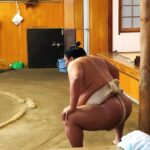
These are strength-building moves and conditioning geared toward legs, hips, and the upper body. You’ll also see regimes that look simple but are clearly repetitive by design. This is where sumo’s athletic side becomes obvious—you’re not just watching athletes fight; you’re watching athletes build a weapon.
2) Practice matches (serious bouts)
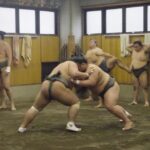
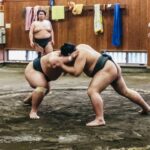
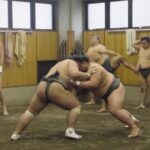
This is the must-see segment. You’ll watch two wrestlers at a time in practice bouts, and the intensity can be surprising. One useful thing to know before you go: not every moment is about a big “finish.” The learning is in the attempts—pushes, grips, foot placement, and the decision-making that leads to a win.
3) Optional after-session photos
Depending on the session and stable schedule, you may get photos with the wrestlers. This is one of those details you shouldn’t count on 100%—because schedules can shift—but it comes up often enough that it’s worth planning your camera behavior around. (Have your phone ready. Don’t fumble with charging cables mid-moment.)
Throughout the session, the stable environment can be strict about noise. It’s common for the facility to ask for quiet during training, so your guide will likely handle questions in a controlled way—sometimes with tools like handouts or quick written back-and-forth so you don’t disturb the wrestlers.
Your English Guide Turns Chaos Into Meaning
A big reason this tour gets such strong ratings is that the guide makes sumo legible. You get a tour guide who can explain traditions, history, and the rules in a way that connects to what’s happening in front of you.
In several accounts, guides brought handouts and used notes during training—sometimes even sketching or writing points to help you track techniques. That kind of visual support is especially valuable if you don’t know the sport’s basics yet.
Guides like Koichiro and Atsushi are highlighted for taking time to explain who’s who, and what to watch for. Another detail that’s practical: you may communicate through a dry erase board during the bout so you can ask questions without breaking the quiet. It’s a small system, but it changes your experience from passive watching to active understanding.
One more thing I like about this setup: the guide doesn’t just explain during the formal match. After the training session, they typically make time for questions and wrap-up discussion—so you can ask follow-ups once the strict quiet portion is over.
Photo Time, Quiet Rules, and the Realities of Being Up Close
Being up close is the dream part. It’s also the reality check part.
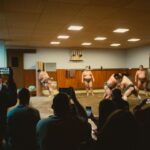
First, you’ll be in a stable setting with training going on all around you. That means there’s a rhythm, and the rules matter. Quiet is usually expected during training. Your guide will help you understand the boundaries, but assume you’ll need to keep your voice down most of the time.
Second, seating can be low. Some people reported cushions next to the ring, while the stable may also provide chairs that are very low to the ground. If you have knee or mobility issues, don’t treat this as a standard museum bench situation—bring whatever help you can (and don’t plan to be the first person to spring up and take a photo).
Third, photo opportunities are real but schedule-dependent. When they happen, they’re a great moment because you’re meeting athletes after training, not just seeing them across an arena floor. Some guides also arranged time for photos before leaving, which can be a relief if you’re trying to time your morning before other plans.
You can also read our reviews of more tours and experiences in Tokyo
Price and Value: Is $159.88 Worth It in Tokyo?
At $159.88 per person for about 3 hours, this tour isn’t the cheapest way to see sumo. But it’s priced like an experience with hands-on access and real human support, not a ticket to watch from afar.
Here’s what you’re really paying for:
- Hotel pickup and an English-speaking guide from the start
- A small group size (maximum 15), which helps you ask questions and stay oriented
- Access to a genuine sumo stable where training is the point, not a staged photo moment
- Interpretation of rituals and rules so you don’t feel like you’re watching without context
If you’re someone who likes sports but hates feeling lost, the guide component is the value engine. Without it, sumo can still be impressive—but it becomes harder to know what you should focus on. With it, you get to understand the “why” behind moves and rituals, and you watch with better eyes the whole time.
The other value point: this is one of the most practical ways to see sumo training during a short Tokyo stay. You don’t have to figure out stable access by yourself, and you don’t have to piece together early-morning logistics.
When This Sumo Training Tour Works Best for You
This tour is a great match if you want:
- an authentic sumo stable experience instead of a pure sightseeing stop
- up-close training, not only match day spectacle
- an English guide to handle the rules, traditions, and what to watch
It’s also a solid choice if this is your first trip to Tokyo. Guides handling transit navigation can save time and reduce stress, especially on your first morning after landing.
But if your plan is “sleep in and start late,” this may feel painful. The session begins early and includes walking. You’ll enjoy it more if you treat it like your anchor activity, not a side quest.
Practical Tips That Make the Morning Smoother
A few small things will make this go better:
- Wear good walking shoes. The route to the stable can involve subway plus walking.
- Bring a Suica card (or similar transit card). It’s a common practical tip for this route.
- Bring a jacket or layer. Early mornings in Tokyo can feel cooler than midday.
- Have your phone ready for photos during any scheduled photo time.
- Expect quiet during training. Save the big questions for the parts where your guide has space to talk.
Also, plan around the fact that food and drink aren’t included. Build breakfast or snack timing into your schedule, because the tour won’t supply it.
Dates to Know Before You Book
This program is not available on certain periods. The listed blackout dates include May 10 to June 5, June 26 to August 6, September 13 to October 8, and October 23 to December 3 (2025). If your trip overlaps any of those windows, you’ll need an alternative sumo plan.
Should You Book This Sumo Morning Training Watch?
If you want a sumo experience that feels real—training, rituals, and close viewing—book it. The combination of hotel pickup, a small group, and an English-speaking guide makes this tour practical, not just impressive.
I’d skip it only if early mornings and walking-heavy transit routes are dealbreakers for you. Otherwise, this is one of the best ways to understand sumo beyond the TV version: you’ll leave seeing the sport’s discipline and effort up close, with enough explanation to make it click.
FAQ
What time does the tour start?
The tour start time is 7:30am.
How long is the experience?
The duration is about 3 hours.
Is hotel pickup included?
Yes. Hotel pickup is included, but hotel drop-off is not included.
Is food included?
No. Food and drink are not included.
Do I need an English-speaking guide?
Yes. The tour includes a nationally-licensed English speaking guide.
How many people are in the group?
The maximum group size is 15 travelers.
What dates is this tour not available?
The experience is not available on the listed dates in 2025: May 10–June 5, June 26–August 6, September 13–October 8, and October 23–December 3.
Cancellation is free. How does it work?
You can cancel for a full refund up to 24 hours before the experience’s start time. If you cancel less than 24 hours before, the amount paid isn’t refunded.