REVIEW · TOKYO
Tokyo Morning Tour : Meiji Shrine, Asakusa and Fish Market
Book on Viator →Operated by Goen Japan · Bookable on Viator
Morning in Tokyo moves fast. This tour makes it count.
In only about 4 hours, you cover Meiji Jingu Shrine, the Tsukiji outer market area, and Senso-ji in Asakusa, all at a calmer morning pace. I like how the route is focused, not random, so you come away with clear context for what you’re seeing and why it matters.
What I really like is the combination of guide-led storytelling and food that fits the schedule. Expect an English-speaking guide known for patient explanations, with named examples like Shoma Sato and Yosuke showing up in recent group feedback, plus photos taken during the walk. And yes, you get real taste testing along the way, including sweet mochi, sweet potato, and a savory cutlet.
One thing to consider: you’ll still pay for local transit yourself, and the tour notes public transport fare is about 550 yen. If you’re trying to squeeze Tokyo in without morning logistics, it’s the one extra cost to plan for.
In This Review
- Key highlights at a glance
- Why a 4-hour morning loop works in Tokyo
- Getting started at IKEA Sweden Cafe Harajuku
- Meiji Jingu Shrine: torii gates, forest paths, and the art of slowing down
- Tsukiji Jogai Market: street-food tasting with market energy
- What you’ll actually try
- What you’ll notice, even beyond what you eat
- Senso-ji in Asakusa: Kaminarimon and the classic temple walk
- The signature entrance
- How you’ll spend your time here
- Food included in the tour: enough taste, not a full meal
- What the English guide adds (and why it’s worth paying for)
- Price and value: what $72.67 buys you in Tokyo time
- Who this tour suits best
- Should you book Tokyo Morning Tour: Meiji Shrine, Asakusa and Fish Market?
- FAQ
- How long is the Tokyo morning tour?
- What does the tour cost?
- Where does the tour start and end?
- Is the guide English speaking?
- Are tickets or admissions included?
- What food is included in the tour?
- How big is the group?
- Is transportation included?
- Do I get photos during the tour?
- Can I cancel for a full refund?
- Is the tour suitable for most people?
Key highlights at a glance
- Up to 8 travelers: Smaller group size means more questions and easier photo moments.
- Meiji Jingu early time: Walk the shrine grounds with more breathing room than later in the day.
- Tsukiji outer market food focus: Street-food sampling without turning the morning into a scramble.
- Asakusa end at Senso-ji: Finish at Tokyo’s classic temple area with the Kaminarimon gateway.
- Photos included: You don’t have to play photographer the whole time.
- Mobile ticket: Simple day-of entry, no paper hunt required.
Why a 4-hour morning loop works in Tokyo
Tokyo is packed with choices, but mornings are where you get the best payoff. This tour strings together three neighborhoods that each have their own personality: a peaceful Shinto shrine day-opener (Meiji Jingu), a food-first market section (Tsukiji Jogai area), and the historic temple district finale (Asakusa around Senso-ji). Doing them in one morning means you’re not burning time re-planning transit or figuring out what order makes sense.
The tour runs about 4 hours, which is long enough to feel like a real experience but short enough to keep the rest of your day flexible. That matters in Tokyo, where one delayed train or a missed turn can steal an entire afternoon. Here, the structure is tight: meet near Harajuku, walk the stops, then end in Asakusa near Asakusa Station.
Also, small group size (maximum 8 travelers) is a quiet upgrade. You’ll move at a human pace, not a herd pace. That helps in the shrine and temple areas, where you naturally slow down, look around, and want a moment to take in details.
You can also read our reviews of more shopping tours in Tokyo
Getting started at IKEA Sweden Cafe Harajuku
Your meeting point is IKEA スウェーデンカフェ 原宿, in Jingūmae, Shibuya (Harajuku area). That’s a handy location for many people staying around Shibuya or Harajuku because you can typically reach it with straightforward rail lines and it’s a recognizable landmark.
From day one, the tour is built for simple participation: you’ll get a mobile ticket, and the tour includes an English-speaking guide. If you’re the type who likes knowing where you’ll end up, you’re in luck: the tour finishes in Asakusa, and the stated finish location is finishing at Asakusa Station. That’s useful because it makes your departure plans easier right when you’re done exploring.
Practical tip: wear comfortable shoes. Shrine and temple walking sounds easy, but mornings often include lots of gentle shuffling, steps at gateways, and time spent stopping for explanations and photos.
Meiji Jingu Shrine: torii gates, forest paths, and the art of slowing down
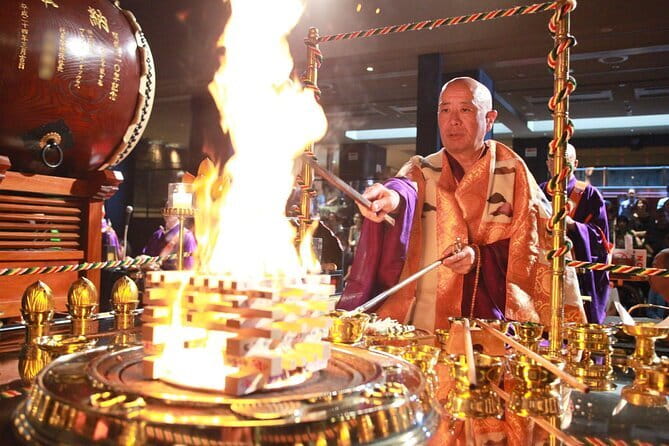
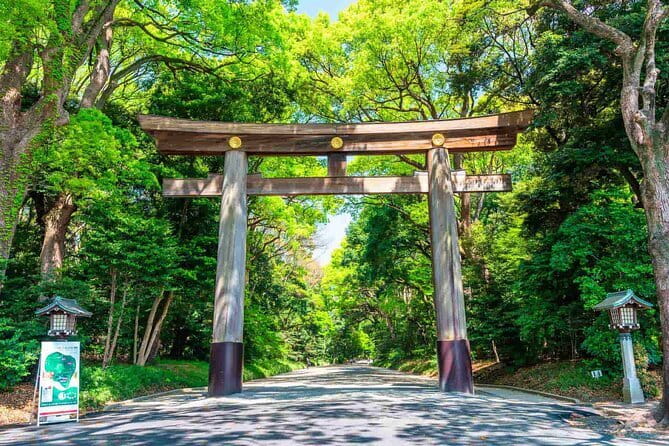
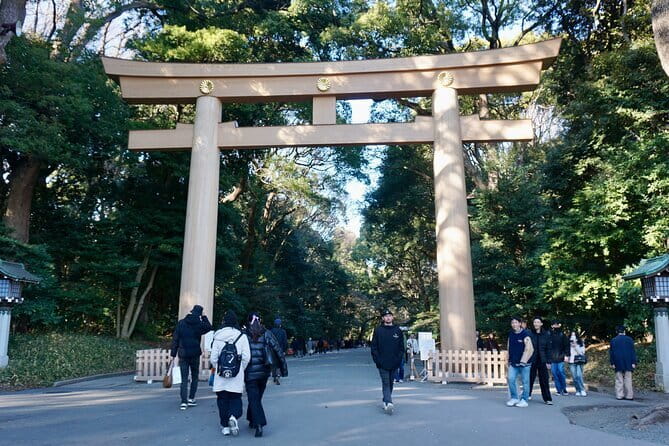
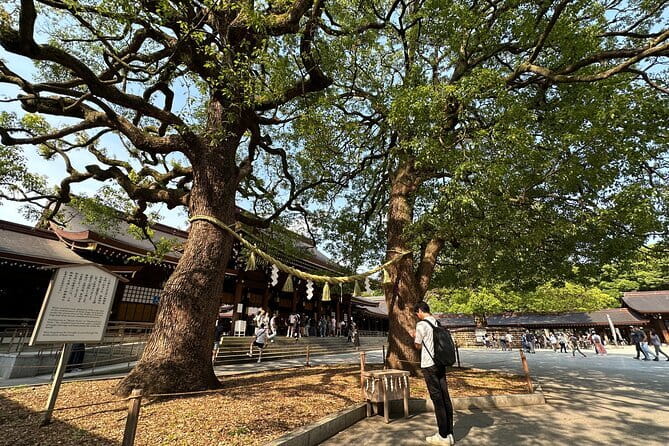
Meiji Jingu Shrine is the kind of place that changes your speed the moment you enter. The experience here is about stepping into a Shinto setting dedicated to Emperor Meiji and Empress Shoken, and then walking through the shrine grounds under tall torii gates and along forested pathways.
Why this stop is worth it on a morning tour: early hours tend to feel less rushed. You get time to notice the rhythm of the grounds. You also get context. The tour guide provides historical insights into the districts, and at Meiji Jingu that context makes the space feel less like a photo backdrop and more like a living cultural site.
What to expect on the ground:
- Guided stroll through the tranquil forest walkways
- Passing through major torii gates
- A calmer pace designed to let you see first, photograph second
A small consideration: if you’re expecting a short, look-and-go stop, this may feel like it has more meaning than that. The tour is designed for understanding, not just ticking items off your list.
Tsukiji Jogai Market: street-food tasting with market energy
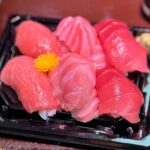
The Tsukiji stop is centered on the Tsukiji Jogai Market area. It’s described as the outer market zone that still carries a lot of daily food energy, even though the inner wholesale auction area moved to Toyosu. For visitors, that means you still get the market atmosphere without needing to plan around the old auction rhythm.
Most morning food experiences fall into one of two categories: either they’re chaos, or they’re too tame. This one aims for something in between by focusing on street-food sampling and guiding you through the right places at the right time.
What you’ll actually try
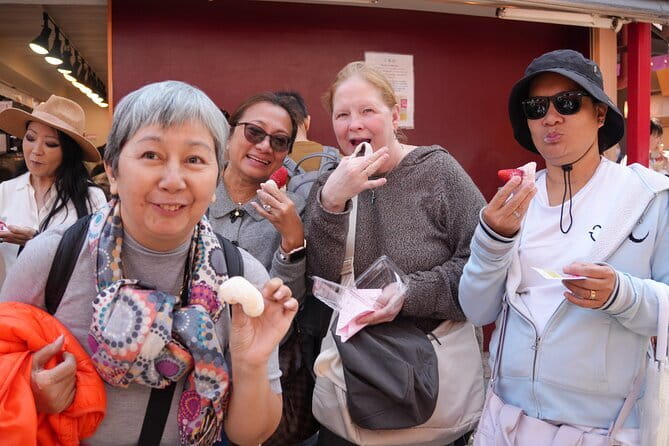
The tour notes specific tastings, including:
- Sweet mochi (sweet rice cake)
- Sweet potato
- Savory cutlet
That’s a smart set of bites for a morning. They’re easy to eat while walking, and they don’t require you to translate menus or guess what portion size will do. The flavors also complement the route: after a quiet shrine stop, you get a sensory shift into market food.
You can also read our reviews of more tours and experiences in Tokyo


What you’ll notice, even beyond what you eat
Even if your stomach is full after the included bites, the market area gives you a strong sense of Tokyo’s food culture. You’ll see how street food and quick snacks fit into daily life. And if you’re the type who loves food photography, you’ll have plenty of visual material without turning the morning into a restaurant reservation hunt.
One practical note: the tour does not list an extended sit-down meal. So keep your expectations aligned. This is more about guided food sampling and atmosphere than a long lunch.
Senso-ji in Asakusa: Kaminarimon and the classic temple walk
You finish at Senso-ji, Tokyo’s oldest Buddhist temple, in Asakusa. This is a big “last stop” energy, because the Senso-ji area is one of Tokyo’s most famous pilgrimage-and-stroll zones.
The signature entrance
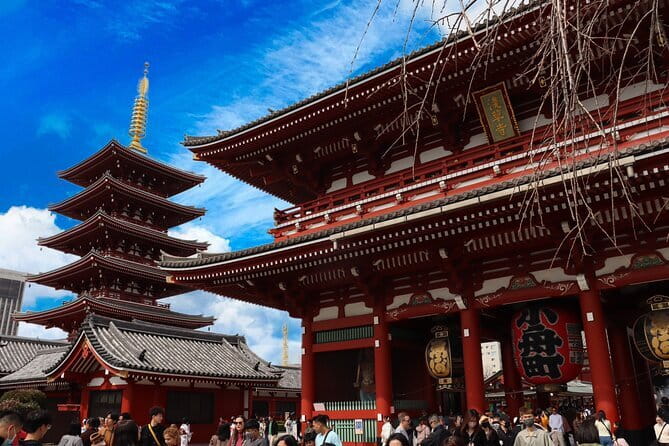
The tour takes you through the iconic Kaminarimon (Thunder Gate). It’s the kind of landmark you recognize immediately from photos, but in person it feels different. You’re standing at the start of a real temple approach, not looking at an image.
How you’ll spend your time here
The plan is focused:
- Enter the Senso-ji area through Kaminarimon
- Walk through the area and shop-lined approach (the route described includes Nakamise-dori, known for classic shopping snacks and souvenirs)
What makes this stop work after the earlier ones is pacing. Meiji Jingu slows you down, Tsukiji gives you a food jolt, and then Asakusa brings everything together with a famous temple approach and a shopping street that reflects local tradition.
A small consideration: this is a high-demand area. Even on a morning tour, you should expect more movement around the main gate and approach street than at Meiji Jingu.
Food included in the tour: enough taste, not a full meal
The tour includes street foods, and that’s the right approach for a 4-hour morning plan. You’ll likely leave satisfied, but you won’t be locked into a heavy meal schedule. The included items listed are:
- Sweet mochi
- Sweet potato
- Savory cutlet
I like this set because it gives you variety across sweet and savory without turning the experience into a guessing game. You’re not forced to choose from a menu you may not read, and you’re not stuck eating something that doesn’t match your tastes.
If you’re someone who wants to keep your morning light, this will feel perfect. If you’re extremely hungry, you may want a snack later in the day, especially if your afternoon plans involve eating elsewhere.
What the English guide adds (and why it’s worth paying for)
The guide is included, and the tour explicitly includes historical insights and guidance on the districts you’re walking through. In practice, that’s what turns a standard walking route into a story you can remember.
One reason small tours score well is because the guide can react to the group. In feedback tied to this experience, guides like Shoma Sato and Yosuke are praised for patient explanations, keeping the group comfortable, and making the pacing flexible when needed. That matters because Meiji Jingu and Senso-ji are places where you naturally slow down. A guide who understands timing helps you keep the whole morning flowing.
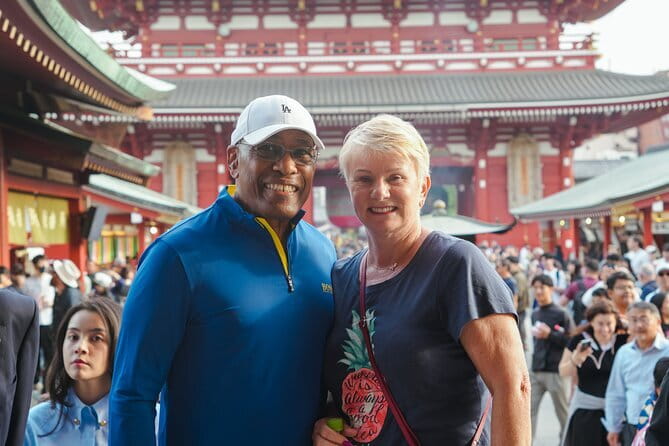
Also included: photos taken during the tour. That’s a small thing, but it changes the experience. You can focus on where you are and let the guide help you capture it.
Price and value: what $72.67 buys you in Tokyo time
At $72.67 per person, you’re paying for more than a route. You’re buying:
- An English-speaking guide
- Included entry for Meiji Jingu Shrine, the fish market area, and Senso-ji
- A guided structure through three major landmarks and districts
- Photo help and district context
- Mobile ticket convenience
Could you do this on your own? Sure. Tokyo is navigable, and these are famous stops. But self-guided means you spend time figuring out order, figuring out what’s worth your effort, and trying to translate context while you’re already walking and hungry.
This tour offers a clean trade: you pay a set price so you don’t have to do the planning heavy lifting. If you only have a morning window, or if you want a confident path without stress, the value is strong.
The one extra cost you should expect is local transit. The tour notes public transportation fare is around 550 yen. Since it’s not included, treat it as part of the real total cost.
Who this tour suits best
This is a great fit if:
- You want to hit major Tokyo sights without building your own itinerary from scratch
- You prefer early-day sightseeing with fewer headaches
- You like guided context, not just landmarks
- You want included food bites that are easy to eat on the move
- You’re traveling with a group small enough to ask questions (maximum 8 travelers)
If you’re the type who hates scheduled walking and wants to wander independently for hours, you might find a guided loop limits your spontaneity. But if you like having a plan you can trust, this is a smart way to use a morning.
Should you book Tokyo Morning Tour: Meiji Shrine, Asakusa and Fish Market?
I’d book it if you’re trying to see a lot of Tokyo in a short window and you care about getting the cultural and food context, not just photos. The strongest reason to choose it is the pairing of Meiji Jingu calm, a focused Tsukiji snack stop, and an Asakusa finish at Senso-ji with classic landmark time.
Skip it if you’re looking for a full sit-down meal experience, or if you want an entirely self-paced day with no structure. Also factor in the extra transit cost (around 550 yen) so the total doesn’t surprise you.
If you want an efficient morning with an easy-to-follow route, included admissions, and a guide who keeps the pace comfortable, this one makes sense.
FAQ
How long is the Tokyo morning tour?
It’s about 4 hours.
What does the tour cost?
It costs $72.67 per person.
Where does the tour start and end?
The meeting point is IKEA スウェーデンカフェ 原宿 Japan. The tour ends in Asakusa at Asakusa Station.
Is the guide English speaking?
Yes. The tour includes an English speaking guide.
Are tickets or admissions included?
Yes. Admission for Meiji Jingu Shrine, the fish market area, and Senso-ji is included.
What food is included in the tour?
You’ll try street foods including sweet mochi, sweet potato, and a savory cutlet.
How big is the group?
The maximum group size is 8 travelers.
Is transportation included?
No. Public transportation fare is not included (around 550 yen is noted).
Do I get photos during the tour?
Yes. Photos taken during the tour are included.
Can I cancel for a full refund?
Yes, you can cancel up to 24 hours in advance for a full refund. Cancellation changes less than 24 hours before start time are not refunded.
Is the tour suitable for most people?
The tour notes that most travelers can participate.