REVIEW · TOKYO
Shibuya Tokyo: Sushi Making Class (Vegan/Vegetarian/Halal)
Book on GetYourGuide →Operated by Tabiji Partners Co., Ltd. · Bookable on GetYourGuide
Tokyo sushi, minus the stress. This hands-on Shibuya class teaches you how to build vegan sushi and English-speaking guidance that makes a tricky skill feel doable. I like the way the lesson stays friendly and practical, plus you get to eat what you make instead of just watching.
The only real consideration is that you need to plan your dietary choices ahead, since menu changes can’t be handled on the day of the class.
In This Review
- Key Points I’d Prioritize
- Why Vegan Sushi in Shibuya Beats Another Meal Tour
- What You’ll Make: California Rolls and Nigiri, Vegan and Halal-Friendly
- The 90-Minute Flow: Sushi Quiz, Rolling, Nigiri, and Tasting
- Warm-Up: A Sushi History Quiz
- Main Event: Rolling Sushi With Step-by-Step Tips
- Nigiri Making: The Iconic Skill
- Eat What You Make
- Ingredients You Can Recognize (and Why That Matters for Taste)
- Instructors and Comfort Level: Friendly English Guidance
- Shibuya Location: Getting There and Timing Your Day
- Dietary Options and Common Gotchas (Read This Before You Book)
- Price and Value: Is $58 Worth It?
- Who This Class Suits Best
- Should You Book This Shibuya Vegan Sushi Making Class?
- FAQ
- How long is the sushi making class?
- Where is the class located in Tokyo?
- What does the class include?
- Can I choose vegan, vegetarian, halal-friendly, or gluten-free options?
- Is the class suitable for beginners?
- Do we eat the sushi we make?
- Are dietary menu changes allowed on the day?
- Is audio recording allowed during the class?
- What is the meeting point like?
- Is there a refund if I cancel?
Key Points I’d Prioritize
- Shibuya location near Shibuya Station: easy to slot into a day of shopping and neighborhoods.
- 90 minutes of hands-on time: you’re rolling sushi and making nigiri, not just touring.
- Flexible dietary options: vegan, vegetarian, halal-friendly, and gluten-free are available.
- Sushi history quiz first: short facts that help the technique feel more meaningful.
- Fresh ingredients + tools included: you don’t need to guess what to bring.
- English instruction with patient pacing: useful if your Japanese is limited.
Why Vegan Sushi in Shibuya Beats Another Meal Tour
If you’ve ever thought, I love sushi, but I don’t know how people do it, this is the kind of class that fixes that gap. In Shibuya, you’re not just buying a plate, you’re learning the small, repeatable moves that create sushi texture and shape.
I like that the class is explicitly designed for people who want vegan and vegetarian sushi in Tokyo, without the feeling that you’re missing out. And it’s also a smart pick if you’re traveling with different eating needs, since the class can accommodate multiple diets, including halal-friendly and gluten-free (normal).
One more thing: Shibuya can be loud and fast. A focused, seated-and-working activity gives you a breather. You leave with food in your hands, plus skills you can use later at home.
You can also read our reviews of more tours and experiences in Tokyo



What You’ll Make: California Rolls and Nigiri, Vegan and Halal-Friendly
The lesson centers on two core types of sushi: California rolls and nigiri. Even if your sushi experience so far has been mostly ordering, these formats are a great way to learn the “why” behind Japanese technique.
You’ll make:
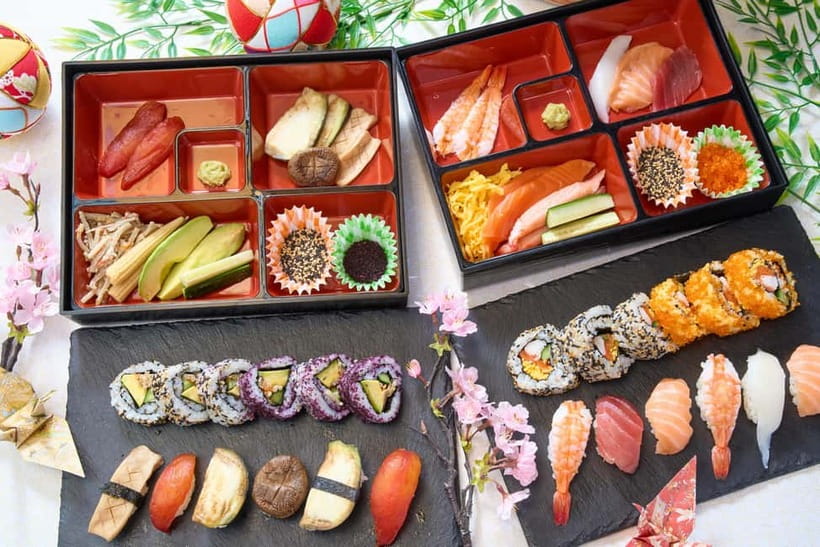
- California rolls: a rolling practice that helps you learn how fillings, rice, and nori behave together.
- Nigiri: a different skill entirely—portioning rice and shaping it so it feels balanced.
For vegan and vegetarian versions, you’ll be working with fresh vegetables like eggplant, mushroom, tomato, and avocado (the exact mix may vary). That matters because these ingredients aren’t just filler. They bring flavor, moisture, and texture, which are exactly what sushi needs to feel complete.
For halal-friendly and gluten-free (normal) options, the class notes that customization is available if you indicate your needs when booking. That’s the practical part: you’re not trying to “translate” your diet on-site.
The 90-Minute Flow: Sushi Quiz, Rolling, Nigiri, and Tasting
This is a tight 90-minute structure. That’s good news when you’re juggling trains, shopping, and jet lag. You won’t lose half the day waiting around, and you’ll still get enough time to actually make sushi with your own hands.
Here’s the typical flow you can expect:
Warm-Up: A Sushi History Quiz
Before anyone rolls anything, the class starts with a fun quiz about the history of sushi. It’s short, light, and meant to get you thinking about the dish beyond the final bite. It also helps you get into the right mindset: technique matters, but sushi also has a story.
Main Event: Rolling Sushi With Step-by-Step Tips
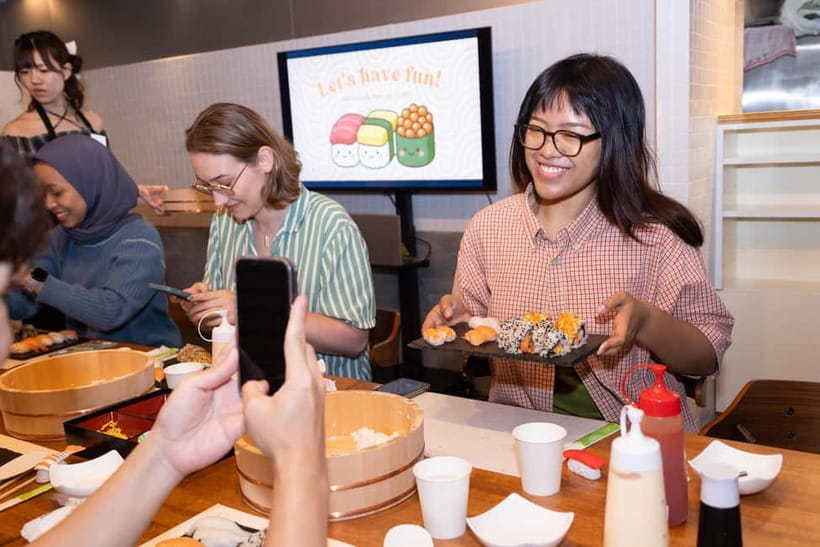
Then you move into rolling your sushi. The class is hands-on, with an English-speaking instructor guiding you through key ingredient tips and how to roll so the results look good and taste right.
The practical value here: rolling isn’t just about shape. It’s about keeping rice and fillings in the right balance, then rolling with consistency so you get clean slices later.
You can also read our reviews of more tours and experiences in Tokyo




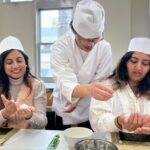
Nigiri Making: The Iconic Skill
Next comes nigiri. This is where many people realize sushi is as much about feel and proportion as it is about presentation. You’ll learn how to make nigiri, guided at a pace that works for beginners.
Eat What You Make
After your sushi is done, you sit down and eat your creations. Staff can take photos of your sushi before you dig in, so you can capture the moment without scrambling for your phone mid-meal.
And yes, you should expect the food to be good—this class isn’t “practice sushi” that tastes like training. The point is to make something you genuinely want to finish.
Ingredients You Can Recognize (and Why That Matters for Taste)
When a class uses fresh ingredients you can name, it’s easier to recreate the results later at home. This class explicitly uses vegetables like eggplant, mushroom, tomato, and avocado for vegan/vegetarian options, which are ingredients you can find in many Japanese markets and also back home.
Here’s why this matters for you:
- Texture is the main job in vegan sushi, and those vegetables bring moisture and bite.
- Flavor layering is built in, since sushi relies on more than just soy sauce at the end.
- You learn technique more clearly because you’re working with recognizable fillings, not mystery components.
Also, the class notes that menu changes can’t be accommodated on the day of the activity. So if you have a specific ingredient you must avoid, make sure it’s communicated when you book.
Instructors and Comfort Level: Friendly English Guidance
The biggest difference between a good cooking class and a frustrating one is how supported you feel while learning. This class aims for that calm, patient rhythm, with English instruction throughout.
Instructors named Momoyo and Kaito appear in the teaching experiences people describe, and the consistent theme is clear guidance plus friendly conversation. That combination matters: you’ll ask questions without feeling rushed, and you won’t be left guessing if your roll looks slightly off.
I also appreciate the relaxed tone implied by the way the class is described. It’s a small, skill-focused workshop, not a formal demonstration. You’ll be actively making food from scratch, which is where the fun actually comes from.
Shibuya Location: Getting There and Timing Your Day
Doing this in Shibuya is smart. You’re in one of Tokyo’s most convenient neighborhoods, and the studio is described as a 7-minute walk from Shibuya Station.
That means you can build a simple plan:
- Start your day in Shibuya
- Add the class as a set block of time
- Then head back out for shopping, cafés, or your next stop
Because the class lasts 90 minutes, it plays nicely between other activities. Just give yourself a little extra time to find the venue, since Shibuya streets can feel like a maze when you’re moving fast.
Practical note: the meeting point can vary depending on which option you book, so double-check the instructions you receive before you set out.
Dietary Options and Common Gotchas (Read This Before You Book)
This class is built for inclusion: vegan, vegetarian, halal-friendly, and gluten-free options are available. That’s a big deal in Tokyo, where “simple” can still mean hidden ingredients depending on sauces and toppings.
Here are the points I’d treat as must-knows:
- Indicate your dietary needs when booking so they can prep the right version.
- Halal and gluten-free requests are supported, but you should still provide details early rather than hoping to change things later.
- Menu changes can’t be accommodated on the day of the activity.
Also, there’s one rule you should remember: audio recording isn’t allowed. That’s not unusual for small studios, but it’s worth knowing so you don’t get stuck with awkward phone settings right when the class starts.
Price and Value: Is $58 Worth It?
At $58 per person, this isn’t a budget activity, but it also isn’t overpriced for what you get. Here’s how I’d judge the value:
You’re paying for:
- An English-speaking instructor
- A welcome sushi history quiz
- Fresh ingredients for vegan/vegetarian options (and custom prep for other needs)
- Cooking utensils and sushi-making tools
- Hands-on lesson time (California rolls and nigiri)
- A sit-down meal of what you make
- Photo support before you eat
So the question becomes: would you rather spend around this amount on one meal, or on a skill + meal combination? For many people, this class is the better deal because it turns your dining budget into something you can repeat later.
If you love food and want an experience that’s more than just sightseeing, the price lines up well with the time, instruction, and included meal.
Who This Class Suits Best
This experience is especially good if:
- You want vegan or vegetarian sushi training in Japan
- You’re traveling with mixed dietary needs (halal-friendly, gluten-free)
- You want hands-on learning rather than another tasting
- You’re a beginner and want clear instruction in English
It’s also a good match for couples and solo travelers. You get group energy without needing advanced cooking skills. And since Shibuya is easy to reach, you can fit it into a schedule without overplanning.
Should You Book This Shibuya Vegan Sushi Making Class?
I’d book it if you want a practical Tokyo food skill with a real payoff: you make the sushi, then you eat it while it’s fresh. The short 90-minute format, the English guidance, and the clear dietary accommodation make it a strong choice for many travelers.
Skip it only if you’re looking for a long, multi-stop itinerary or you want total flexibility on food items right up until the day of the class. Because menu changes can’t be accommodated that day, careful pre-booking communication matters.
If you like the idea of rolling California rolls and shaping nigiri in a supported way, this is exactly the kind of class that makes Tokyo feel personal.
FAQ
How long is the sushi making class?
The class lasts 90 minutes. It’s designed to be a complete activity, from a short quiz to making sushi and eating your creations.
Where is the class located in Tokyo?
The studio is in the heart of Shibuya and is described as about a 7-minute walk from Shibuya Station.
What does the class include?
You get an English-speaking local instructor, a welcome sushi history quiz, ingredients, cooking utensils and sushi-making tools, and hands-on instruction to make California rolls and nigiri.
Can I choose vegan, vegetarian, halal-friendly, or gluten-free options?
Yes. The class offers vegan, vegetarian, halal-friendly, and gluten-free (normal) options. You should indicate your preferences or restrictions when booking.
Is the class suitable for beginners?
Yes. The experience is structured for travelers regardless of cooking skills, with step-by-step guidance from the instructor.
Do we eat the sushi we make?
Yes. After making your sushi, you eat what you create as part of the experience.
Are dietary menu changes allowed on the day?
No. The class notes that menu changes cannot be accommodated on the day of the activity.
Is audio recording allowed during the class?
No. Audio recording is not allowed.
What is the meeting point like?
The meeting point may vary depending on the option you book. You should check the specific meeting point details provided for your booking.
Is there a refund if I cancel?
Yes. Free cancellation is available up to 24 hours in advance for a full refund.