REVIEW · TOKYO
Tokyo Shibuya Walking tour With A Guide
Book on GetYourGuide →Operated by Guydeez Tours · Bookable on GetYourGuide
Shibuya can feel like controlled chaos, but a private guide makes it click fast. I love that you’ll hit the big landmarks without losing time to confusion, and I especially like the practical add-ons like tips for what to do next in Tokyo. One thing to consider: this is a walking tour, and food or drinks aren’t included, so comfortable shoes matter.
This 2-hour Shibuya experience with Guydeez Tours is designed for a tight, high-value route. You’ll start near Hachiko (the official starting point is listed at 2-chōme-5-9 Dōgenzaka), and your guide keeps it flexible and multilingual (English, French, Spanish, Italian, Japanese, Portuguese). It’s also wheelchair accessible, and it’s truly private—no other group mixed in.
In This Review
- Key points to know before you go
- Shibuya on a leash-free walking plan (without the guesswork)
- Starting near 2-chōme-5-9 Dōgenzaka, then using Hachiko to get oriented
- Shibuya SKY: a photo stop that also helps you read the area
- Shibuya 109: a stop for major visual landmarks and fashion-focused energy
- Shibuya Mark City: shopping landmark, but with guidance that keeps it human
- Shibuya Center Street: where side-streets start to feel like Shibuya
- Hachiko Statue: more than a photo, it’s a navigation tool
- Shibuya Crossing: the icon finish with a guide to keep you from panicking
- Why the private format is the real value (not just the walking)
- Getting around: mostly walking, with public transport if needed
- Language options: choosing a guide you can actually talk to
- Who this tour fits best
- Should you book this Shibuya walking tour?
- FAQ
- How long is the Shibuya walking tour?
- Where does the tour start?
- Is this tour private?
- What is included in the price?
- What languages are available?
- Is the tour wheelchair accessible?
- What is the cancellation policy?
Key points to know before you go
- Private, exclusive pacing so you can ask questions and linger when something catches your eye
- Local advice beyond Shibuya so you leave with a plan for the rest of Tokyo
- Icon stops plus side streets for both photos and the everyday feel of the neighborhood
- Shibuya SKY and shopping landmarks in one loop to reduce backtracking
- Hachiko as your visual anchor for easy meeting and orientation
- Wheelchair accessible with a guide who can adjust how you move through the area
Shibuya on a leash-free walking plan (without the guesswork)
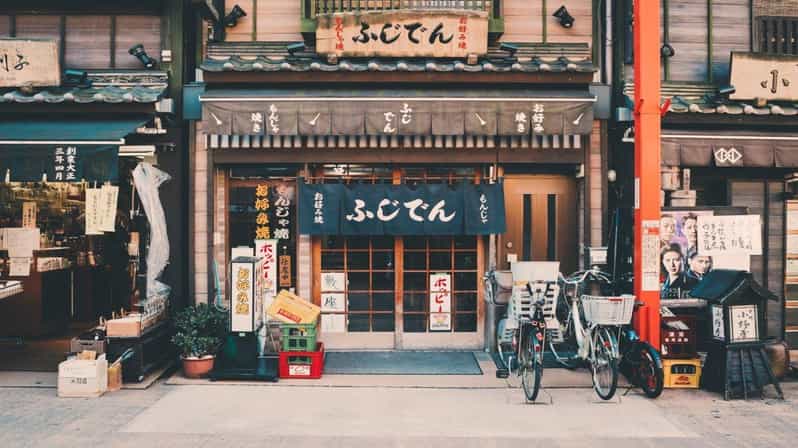
Shibuya is famous for being loud, crowded, and fast-moving. The problem isn’t that it’s hard to get there—it’s that once you’re on those streets, it’s easy to waste time figuring out what’s where. This tour solves that with a simple approach: you follow a guide who already knows how the neighborhood connects, and you keep moving through the exact areas that help you understand Shibuya in a couple hours.
I also like that the experience isn’t only about standing at photo spots. You get ongoing guidance about what to notice, what to ignore, and where to go if you want food, shopping, or people-watching later. In real-life examples from guides connected with the tour, Emir has been praised for friendliness and enthusiasm, and Olivier has been noted for being punctual and helping with practical needs like train tickets. That kind of extra care can turn a tricky area into an easy one.
The route is compact, but it doesn’t feel rushed because it’s private. You’re not negotiating your pace with strangers, and you can tailor the “walk and look” parts to your interests.
You can also read our reviews of more walking tours in Tokyo

Starting near 2-chōme-5-9 Dōgenzaka, then using Hachiko to get oriented
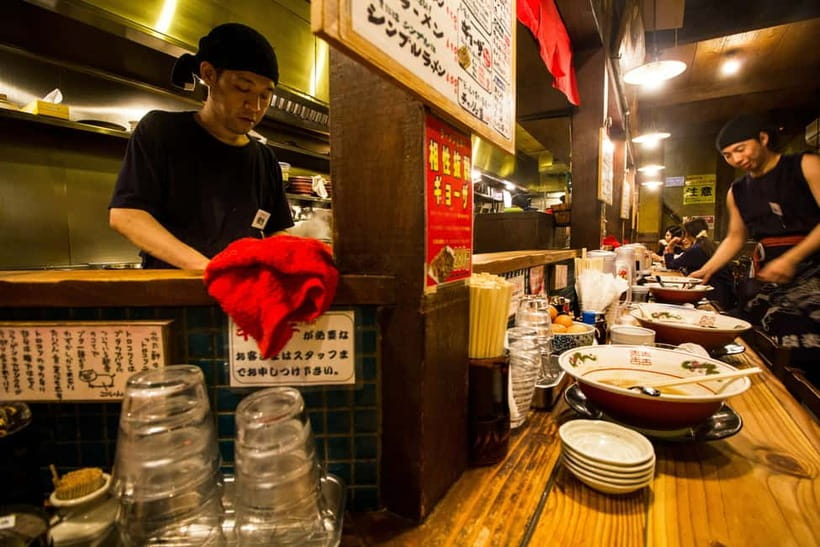
The official starting point is listed at 2-chōme-5-9 Dōgenzaka. In practice, your rendezvous point is the Hachiko dog statue, which is one of the easiest landmarks in all of Shibuya. That matters because Tokyo meeting points can be intimidating when you’re juggling maps, crossings, and signs in Japanese.
What you gain right away with this setup is orientation. Your guide typically uses the first minutes to set expectations—how Shibuya is laid out, which streets you’ll move through, and what each landmark will help you understand. If you like having a “mental map” by the time you reach Shibuya Crossing, this is a strong way to get it.
Potential drawback: if you prefer to start with zero structure and wander independently, a guided start can feel a little directive. But the good news is that because it’s private, you can steer the conversation as you go.
Shibuya SKY: a photo stop that also helps you read the area
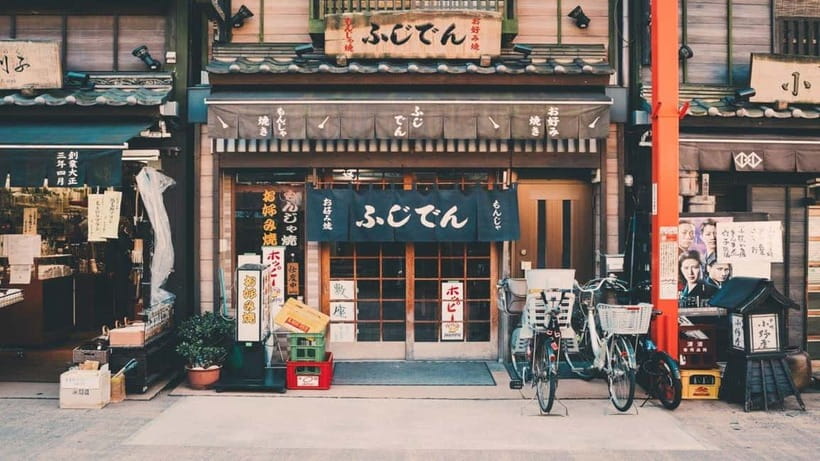
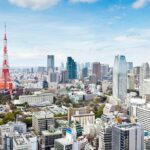
You’ll spend about 20 minutes at Shibuya SKY, with a photo stop and a guided visit. Even if you’re not trying to collect the perfect skyline shot, this stop does a useful job: it gives you a sense of the grid and the way pedestrian flows feed into the bigger icons.
Why this matters: Shibuya’s streets can look like they belong to different worlds until you understand how they connect. A viewpoint moment helps you “translate” what you saw earlier at street level. You also get a guided walkthrough, which usually means you’re not just staring at the view—you’re learning what you’re looking at.
Possible consideration: if your interest in Shibuya SKY is purely visual and you’d rather spend more time in street-level neighborhoods, you may find this portion shorter than you want. The fix is simple: ask your guide at the start if you can prioritize specific streets or photo angles later.
Shibuya 109: a stop for major visual landmarks and fashion-focused energy
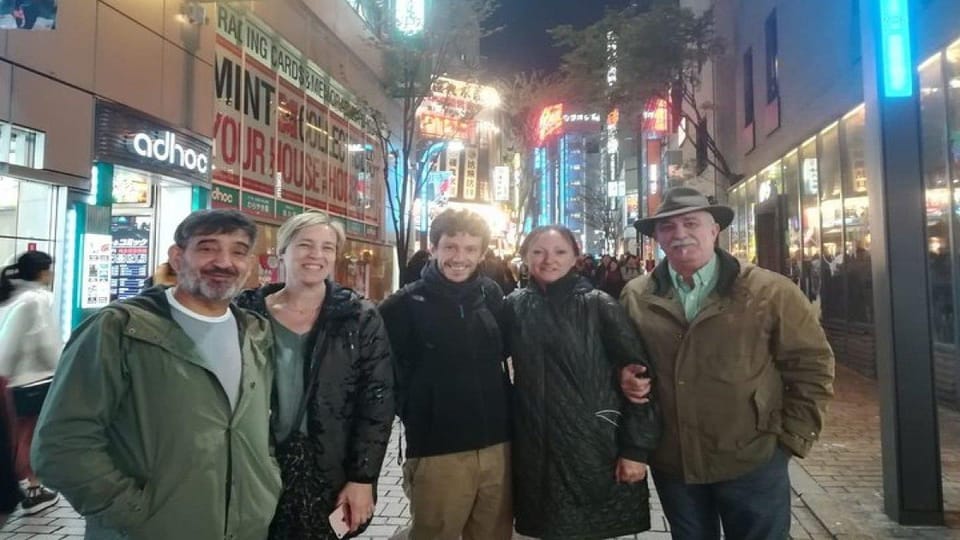
Next comes Shibuya 109, again with photo and guided sightseeing time. This is one of those places that instantly signals Shibuya’s youth-and-style reputation from the outside. Even if you’re not shopping, it’s a useful landmark because it anchors the route in a recognizable slice of the district.
What’s valuable here is what your guide does around it. A guided stop turns a “look at the building” moment into something more practical: you’ll get help spotting where crowds form, how people move, and where you can step aside from the crush without getting lost.
Drawback to consider: if you’re not interested in shopping areas at all, this stop might feel a bit “extra.” Still, I’d keep it on the itinerary because it helps you understand why Shibuya feels the way it does—people come here for more than sightseeing.
Shibuya Mark City: shopping landmark, but with guidance that keeps it human
Shibuya Mark City is another major landmark on the route, included as a guided sightseeing stop with time for photos. Like Shibuya 109, it’s a spot where the architecture and the crowd patterns tell you a lot about the district’s rhythm.
The guide’s job is to keep this from becoming repetitive. With a good guide, each stop has a reason. For example: you might be walked through what to watch for at street level, and then shifted toward side streets afterward so you get balance between big-name landmarks and more local-feeling streets.
If you have mobility limits, bring it up early. The tour is wheelchair accessible, but Shibuya still has uneven pedestrian flow and stairs in many places. A guide can help you understand the most practical route and when to take slower pacing breaks.
You can also read our reviews of more guided tours in Tokyo

Shibuya Center Street: where side-streets start to feel like Shibuya
Shibuya Center Street is the turning point where the tour starts to feel less like a hit list and more like a neighborhood walk. You’ll spend around 20 minutes here for photo stops, visits, and guided sightseeing.
This is the segment where you typically get the “eyes of a local guide” experience—small details you’d miss on your own. The tour is designed to show you not only what’s famous, but also what people actually do around these areas: where you might grab a bite later, where people meet, and what streets tend to feel calmer once you’re away from the main flows.
Important note: drinks and food aren’t included. That’s not a bad thing—it just means you’re free to pick what you like instead of paying for a fixed meal. It also means you may hit moments where you’ll want snacks. If that’s your style, plan to eat before or after the tour, or just bring a light plan and let the guide point you to choices.
Hachiko Statue: more than a photo, it’s a navigation tool
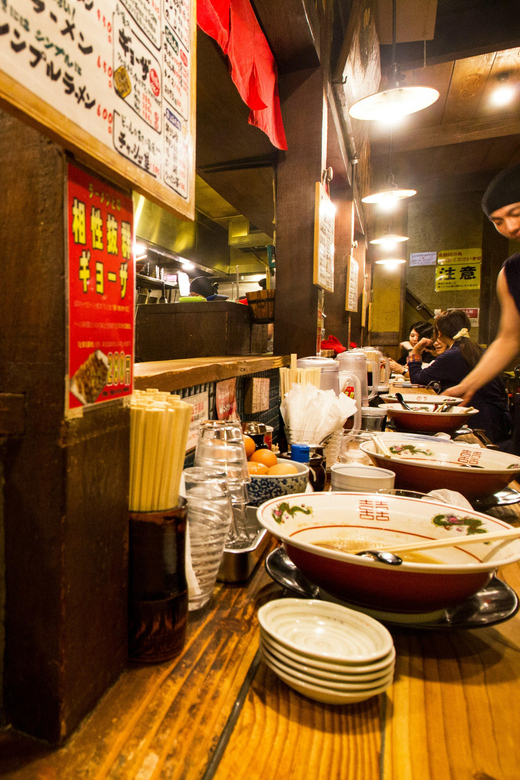
You’ll also spend time at the Hachiko statue itself, with photo stops and guided explanation. This isn’t just a famous corner for selfies. Hachiko works as a mental anchor for Shibuya. It helps you orient yourself after you’ve moved through busier shopping streets and intersections.
I like this stop because it ties the tour together. You can look back at the route you took and understand how each segment leads you toward Shibuya Crossing. It also reinforces the meeting point idea, which makes your whole day less stressful.
Practical tip: if you want photos without feeling rushed, arrive at a steady pace with the guide and ask where to stand. The goal is to get your shot without blocking other pedestrians.
Shibuya Crossing: the icon finish with a guide to keep you from panicking
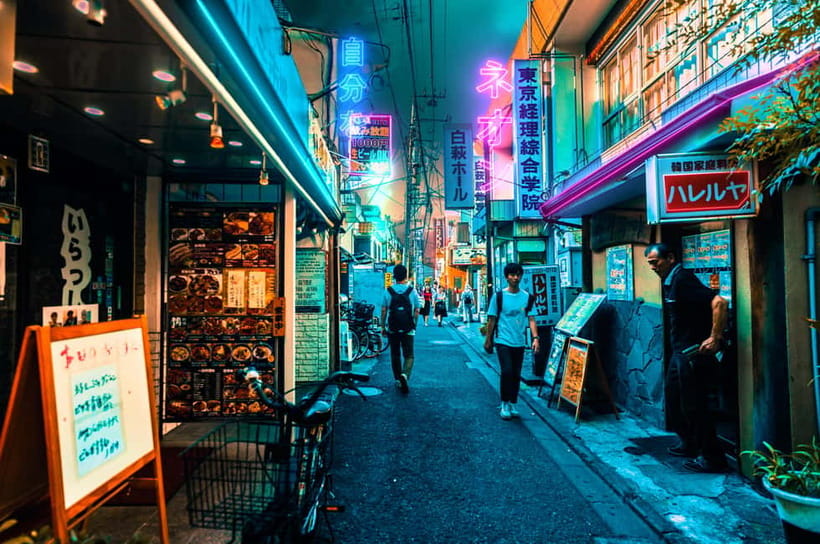
Shibuya Crossing is the big finish, with photo stop, visit, guided sightseeing, and walking. This is where Shibuya’s reputation becomes real. People move in synchronized bursts, and if you’re not sure where to stand or when to step, it can feel chaotic fast.
A guide helps you focus on the right things: where the pedestrian signals make sense, how to move with the flow, and how to take photos without getting in the way. Even if you’ve seen videos, nothing beats having someone guide your footing and timing at street level.
Possible drawback: if you’re extremely sensitive to crowds or noise, Shibuya Crossing can still be intense. This tour is short—about 2 hours total—so it’s easier to manage than an all-day solo exploration. Still, you’ll want comfy shoes and a calm mindset.
Why the private format is the real value (not just the walking)
At $23 per person for a 2-hour private walking tour, the math looks simple: you’re paying for a local guide’s time, not for a museum-ticket style experience. The best part is that the tour is explicitly private and exclusive, meaning your group doesn’t get mixed with strangers.
That private structure creates real value in three ways:
- You can ask questions while you’re still standing in the right place. No waiting, no group lag.
- You can customize the walk. The tour is set up to adapt to what you care about.
- You can get advice that extends beyond the route. Guides often share suggestions for other things to do in Tokyo, which can save you from spending the rest of your trip scrolling maps and second-guessing.
From the guide examples tied to the tour, timing and helpfulness stand out. Olivier has been praised for being punctual and even meeting at a hotel to avoid the stress of finding the rendezvous spot, and help with practical tasks like train tickets has come up as a bonus. That kind of service is hard to price until you need it.
Getting around: mostly walking, with public transport if needed
This is a walking tour, and car transportation isn’t part of the package. Walking keeps the experience authentic and helps you see the real connections between landmarks.
Public transport is listed as included, with one key caveat: it’s included unless you select one of the options. The practical takeaway is to check what option you’re booking so you don’t get surprised.
If you’re traveling with a stroller, someone with limited mobility, or you just don’t want to overdo it, this is a good point to message the provider in advance. The tour is listed as wheelchair accessible, but you still want to align on pace and routes through busy pedestrian zones.
Language options: choosing a guide you can actually talk to
The tour runs with a live guide in multiple languages: English, French, Spanish, Italian, Japanese, and Portuguese. If you want more than just background information—if you want directions, recommendations, and explanation while you’re walking—language matters. This is a big reason to pick a guided route in Shibuya at all.
Also, because it’s private, you’re not forced into a one-size-fits-all script. You can ask follow-ups and steer the conversation toward what you care about that day.
Who this tour fits best
This experience is a strong match if:
- You’re in Tokyo for a short time and want an efficient Shibuya orientation
- You like photo landmarks but also want street-level context
- You want a guide to suggest what to do next
- You prefer a private plan instead of crowd-following
It may be less ideal if:
- You hate shopping areas entirely (there are major retail landmarks on the route)
- You want a long food or nightlife session (drinks and food aren’t included, and the tour is only 2 hours)
- You need complete quiet or very low crowd exposure
Should you book this Shibuya walking tour?
Yes, I’d book it if you want Shibuya to feel manageable and meaningful in a short window. The private format makes the $23 price feel fair because you’re buying time with a guide, not just access to a route. The itinerary hits the core icons—Hachiko and Shibuya Crossing—plus a couple of big landmarks that help you understand how Shibuya works on a practical level.
I’d skip it only if you’re already confident navigating Shibuya on your own and you don’t care about guided tips or flexible customization. Otherwise, this is a smart way to get your bearings fast and leave with ideas for what to do after the walking ends.
FAQ
How long is the Shibuya walking tour?
It lasts 2 hours.
Where does the tour start?
The starting location is listed as 2-chōme-5-9 Dōgenzaka, and the meeting point is described as Hachiko’s dog statue.
Is this tour private?
Yes. It’s a private tour with an exclusive group, so there won’t be anyone else from other groups mixed in.
What is included in the price?
You get a private tour guide, a private exclusive tour, and customization. Walking and public transport are included, except if you select one of the options.
What languages are available?
The guide is available in English, French, Spanish, Italian, Japanese, and Portuguese.
Is the tour wheelchair accessible?
Yes, it is listed as wheelchair accessible.
What is the cancellation policy?
You can cancel up to 24 hours in advance for a full refund.
If you want, tell me your travel dates and what you’re most excited about in Shibuya (shopping, photos, food areas, or just getting oriented), and I’ll suggest what to emphasize when you meet your guide.