REVIEW · TOKYO
Shibuya Hands On Sushi Making Class with Chef
Book on Viator →Operated by Tokyo’s Exclusive Sushi Making Class with a Sushi Chef · Bookable on Viator
Sushi making in Shibuya is for real. In 90 minutes with a professional chef, you’ll learn how to shape nigiri, maki, and gunkan while practicing that sticky, properly seasoned sushi rice at the source. You also wear a traditional hachimaki headband and finish by eating what you made with your group.
I like that the class goes past theory. You’re working with fresh toppings and specific types of fish, including tuna, salmon, and gizzard shad, plus other high-quality neta. In a small class, chef Tero is reportedly friendly and very good at explaining things clearly, including for kids.
One possible drawback: this is a fast, hands-on session, not a long, multi-course food tour. If you’re hoping for a huge variety of sushi or a deep dive into sake, you’ll likely want to pair it with a separate dinner plan after.
In This Review
- Key highlights worth booking
- Shibuya meeting point and the practical start
- The 90-minute flow: nigiri, maki, gunkan without the guesswork
- Fresh neta and sushi rice: what you’ll learn that actually matters
- Rolling, shaping, and that hachimaki moment
- Eating what you made: a group meal with photos and chat
- Tenugui souvenir and the value of $43.18 in Shibuya
- Should you book this Shibuya sushi workshop?
- FAQ
- How long is the sushi making class?
- How much does it cost per person?
- What sushi styles will I make?
- Is the class hands-on or just watching?
- How many people are in the class?
- What toppings or fish are used?
- Will I get a souvenir?
- Where is the meeting point in Shibuya?
- When will I receive confirmation after booking?
- Can I cancel for free?
Key highlights worth booking
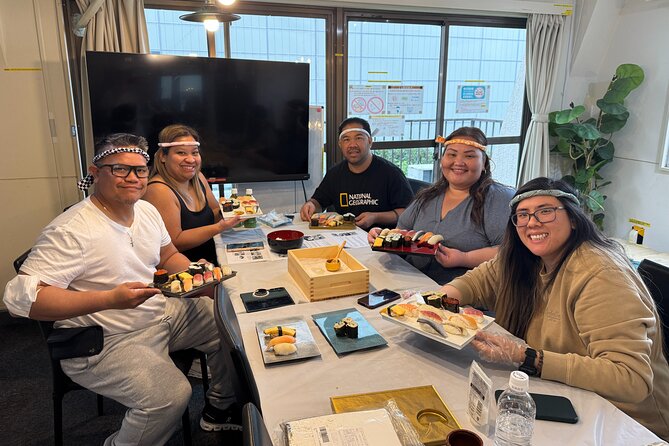
- Small group size (max 6) means more attention while you roll, shape, and ask questions
- Hands-on sushi types: you’ll make nigiri, maki, and gunkan instead of watching from the side
- Seasoned sushi rice practice so your sushi actually holds together
- Fresh neta options you can recognize, including tuna, salmon, and gizzard shad
- Chef-friendly, family-tolerant vibe shown in reviews mentioning Tero’s skill with kids
- Take-home souvenir: a traditional tenugui hand towel
Shibuya meeting point and the practical start
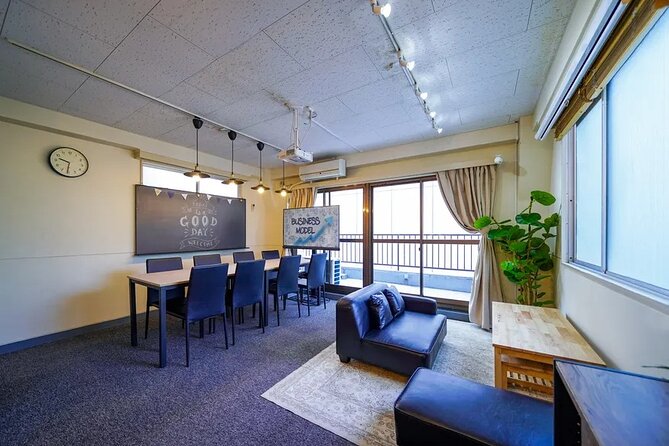
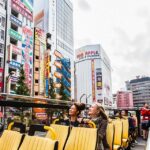
This class takes place in Shibuya, Tokyo, with the meeting point listed at 2-chōme-14-6 Shibuya. It’s a good area to base yourself if you want easy access to trains and the energy of central Tokyo, and the activity notes that it’s near public transportation.
For your first few minutes, the goal is simple: get oriented, grab your spot, and get ready to work with your hands. Bring a calm attitude. Sushi is part technique, part feel. If you’ve ever worried you’ll be bad at rolling, don’t. The class is designed so you can learn as you go, with an instructor guiding you through shaping and timing.
Also, plan your schedule with a buffer. Because it’s about making and eating, you’ll likely leave feeling satisfied—then you may still want a sweet treat or a casual walk afterward. Shibuya is good for that kind of follow-on.
You can also read our reviews of more tours and experiences in Tokyo


The 90-minute flow: nigiri, maki, gunkan without the guesswork
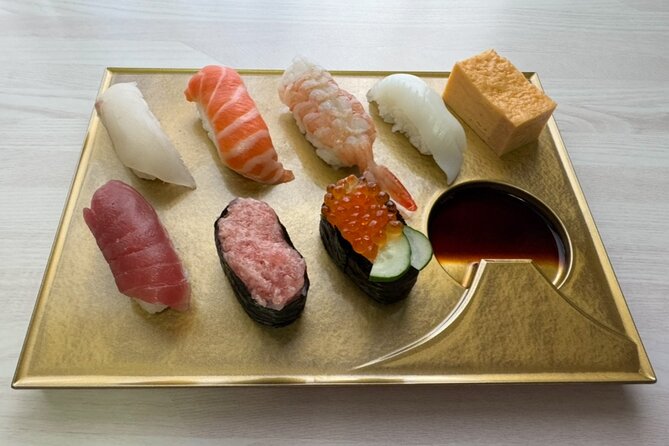
The experience runs about 1 hour 30 minutes, and the format is built around doing, not watching. You’ll join a chef-led workshop where you learn how sushi is assembled, then you practice making multiple pieces—more than 7—with the help of the instructor.
Here’s the practical rhythm you can expect:
- You start by learning how sushi rice should be handled and seasoned so it stays cohesive.
- The chef shows the right way to form shapes, including how to shape nigiri and roll maki.
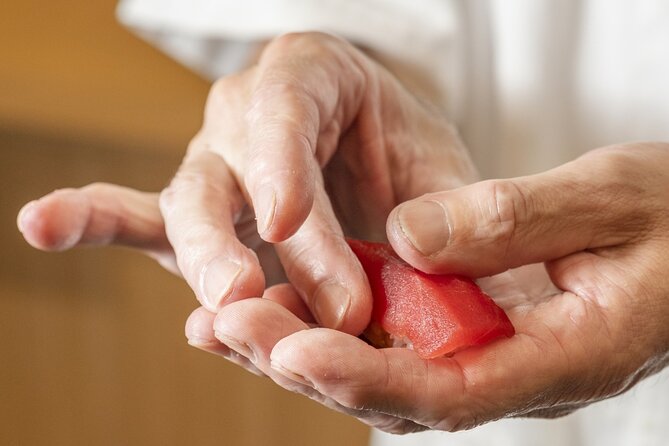
- You also practice gunkan, the sushi style with toppings styled in a way that keeps them in place and gives you that familiar bouncy texture.
Timing matters in a class this short. The chef needs to cover technique, supervise your hands, and make sure everyone gets enough time to produce pieces they can actually eat. That’s why the session is compact. It’s not trying to turn you into a lifelong sushi chef. It’s trying to give you confidence quickly.
You’ll also be guided through using proper ingredients (the toppings, or neta) rather than swapping in random items. That’s key for a beginner—because if you only learn “how to roll,” you miss the real flavor and balance part.
Fresh neta and sushi rice: what you’ll learn that actually matters
Sushi is not just fish on rice. The flavor comes from the balance: rice temperature, seasoning, and the topping choice. This class focuses on that practical balance by teaching the basics behind perfectly seasoned sushi rice and then pairing it with high-quality neta.
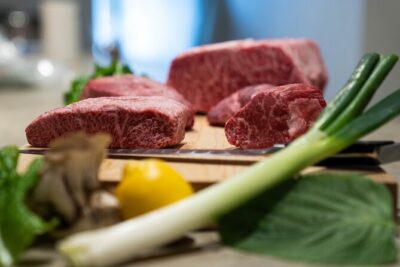
You’ll work with more than 7 types of toppings. The class highlights tuna, salmon, and a traditional option like gizzard shad (along with other neta you may get depending on what’s available). In plain terms, you’re tasting and assembling sushi you can identify, not just random “mystery” pieces.
What I like about this approach is that it’s both structured and flexible:
- You get chef-led technique for rice handling and shaping.
- You also learn what different fish tastes like when it’s built into a sushi form, not eaten as sashimi on its own.
Reviews also point to the fish being fresh and the chef being very informative. For you, that means the lesson is more than a fun craft project. It becomes a real sensory experience: you’ll notice how the texture changes with each style, especially when you switch between nigiri, rolled maki, and the sturdier-feeling gunkan style.
Rolling, shaping, and that hachimaki moment
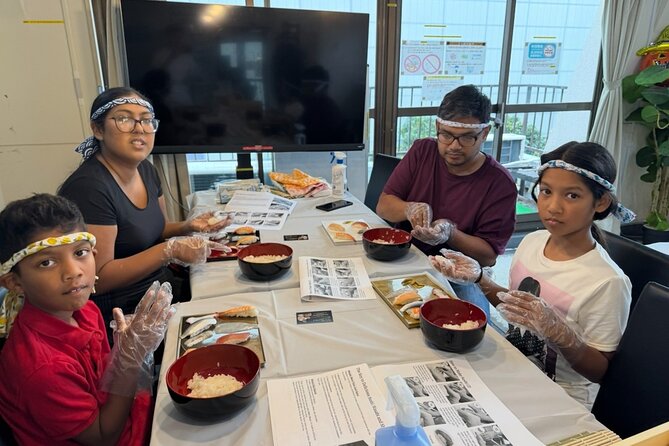
Before you start producing your pieces, you’ll put on a traditional hachimaki headband. It’s a small detail, but it sets the tone. You’re not just doing a cooking demo—you’re stepping into the role of someone making sushi correctly, in the way Japanese chefs often frame training.
Then you get to work on shaping and rolling. This is where the class earns its keep. Good sushi isn’t only about ingredients. It’s about form:
- Nigiri needs a rice base that holds shape under a topping.
- Maki needs controlled pressure and alignment so the roll looks good and slices cleanly.
- Gunkan needs a different approach because the topping is treated as the star, styled to stay put.
You’ll make more than 7 pieces, which matters for two reasons. First, you get enough repetitions to learn faster. Second, you’ll have enough to feel like you truly ate your way through the lesson, not just sampled one sad roll and called it a day.
And if you’re traveling with kids, the class vibe looks like it can handle it. One review specifically praised chef Tero for being very good with children and for creating conditions where everyone produced beautiful sushi. That’s a strong signal if you want a family-friendly activity in Tokyo that still feels legitimate.
Eating what you made: a group meal with photos and chat
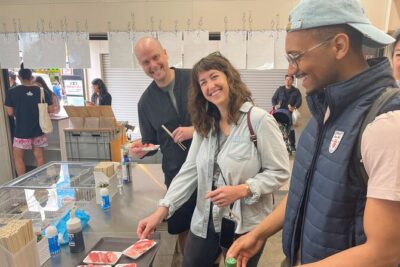
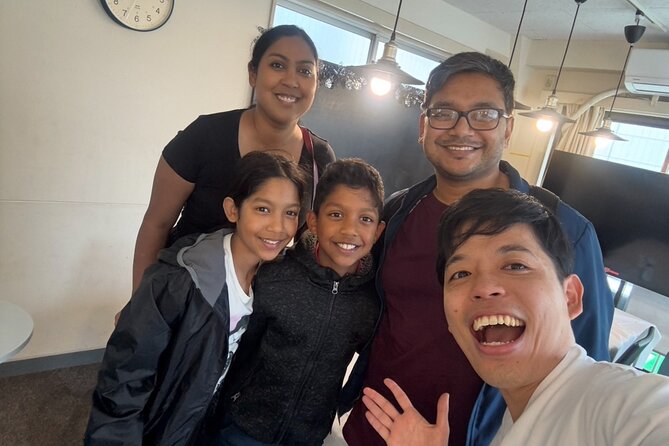
After shaping your sushi, you’ll enjoy your handmade pieces with your group. The experience is designed so you can eat together while chatting, and you’ll also have time to take photos—because, honestly, you’ll want proof that you made it.
This part is underrated. Cooking classes can sometimes feel awkward at the end: you finish your work, then everyone disappears. Here, you’re meant to taste what you made as a group. That’s when the lesson clicks. The bite tells you whether your rice technique worked, whether your roll held together, and how different neta tastes when it’s part of a sushi form.
If you’re a first-time sushi eater, this is especially helpful. You’ll get the basic structure of sushi in a way that regular restaurant service doesn’t teach. You leave with a mental map: what nigiri feels like in your mouth, how maki comes apart, and how gunkan style changes the topping experience.





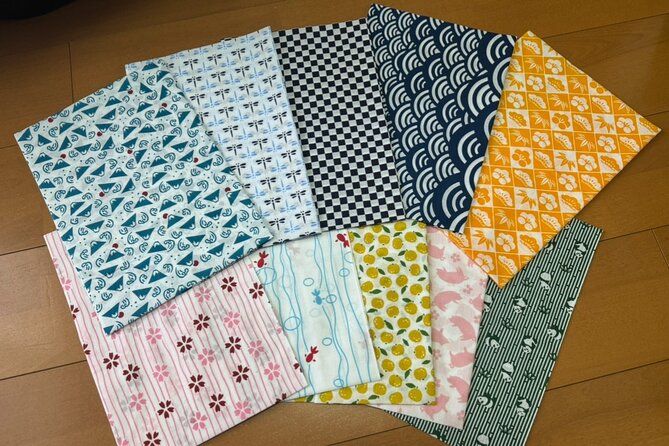
Tenugui souvenir and the value of $43.18 in Shibuya
At $43.18 per person, you’re paying for a short, chef-led workshop in central Tokyo. The value depends on what’s included, and here the class doesn’t treat you like you’re just “watching someone else cook.” You’re handling rice, shaping sushi, using high-quality toppings, and then eating the results.
Two take-home items add to the value:
- You put on the hachimaki headband during the class.
- You receive a traditional tenugui (hand towel) as a souvenir.
A tenugui isn’t a fancy gadget, but it’s a useful travel memory. More importantly, it helps the experience feel like a cultural activity, not just a quick snack-and-learn. You’ll likely keep it for years, and it’s the kind of souvenir that doesn’t take up luggage space.
Also, the group size is capped at 6 travelers. That matters because chef time is the real cost driver in classes. When the group is small, you’re more likely to get corrections quickly—like how to shape rice, how to roll tight without crushing, or how to style toppings so they sit right.
Should you book this Shibuya sushi workshop?
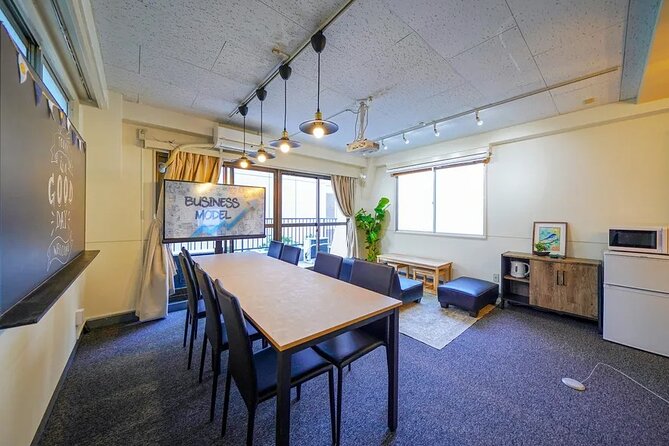
Book it if you want a hands-on Tokyo activity that teaches real technique in a short window. It’s a good fit for first-time visitors, food lovers who want more than a meal, and families who want an activity where kids can succeed, not just watch. Chef Tero’s friendliness and skill with families (including kids) is a standout reason to choose this class over bigger, more impersonal cooking sessions.
Skip it if you’re looking for a long format, a large menu, or a restaurant-style dining experience with many courses. This is about learning to make sushi, making more than 7 pieces, and leaving with confidence. If that’s what you want, this class is a strong use of your time in Shibuya.
FAQ
How long is the sushi making class?
The class lasts about 1 hour 30 minutes.
How much does it cost per person?
The price is $43.18 per person.
What sushi styles will I make?
You’ll learn to make Nigiri, Maki, and Gunkan sushi.
Is the class hands-on or just watching?
It’s hands-on. You’ll make your own sushi pieces and eat them with your group.
How many people are in the class?
The maximum group size is 6 travelers.
What toppings or fish are used?
You’ll work with more than 7 types of high-quality neta, including tuna, salmon, and gizzard shad.
Will I get a souvenir?
Yes. You receive a traditional Japanese tenugui (hand towel).
Where is the meeting point in Shibuya?
The meeting point is at 2-chōme-14-6 Shibuya, Tokyo 150-0002, Japan.
When will I receive confirmation after booking?
Confirmation is received within 48 hours of booking, depending on availability.
Can I cancel for free?
Yes, you can cancel for a full refund up to 24 hours before the experience starts (local time).