REVIEW · TOKYO
Ryogoku: Sumo Town Guided Walking Tour with Lunch
Book on GetYourGuide →Operated by Arumachi, Inc. · Bookable on GetYourGuide
Sumo has a city you can walk.
This Ryogoku tour turns a few landmarks into real context, with two things I like a lot: you get insider-style stables and stadium talk plus a proper chanko-nabe lunch that explains why sumo cuisine matters. The one thing to keep in mind is that you’re not guaranteed to see actual bouts, and on some days wrestlers may be away for tournaments or off-site breaks.
If you want sumo as more than a sport—ritual, training life, and Japanese culture in one focused afternoon—this is built for you. It runs with a small group (up to 8) and an English-speaking guide, which helps you ask questions instead of just following along.
Key points I’d put on a sticky note before booking:
- Chanko-nabe lunch is the center of the day, with the story behind why sumo wrestlers eat it
- Small group (up to 8) means the guide can keep things human and conversational
- Ryogoku landmarks connect sumo to temples, shrines, and Edo-era sights
- Stable exteriors (Hakkaku-beya and Kasugano-beya) give you a peek at training-world geography
- You’ll learn 1600+ years of sumo development, so watching later feels smarter
- No sumo match watching included, so it’s a knowledge-first tour
In This Review
- Ryogoku: The Sumo District That Makes Everything Click
- What Makes This Tour Worth 210 Minutes (And Not 90)
- Meeting Point: Ryogoku Station Is the Right Starting Line
- Hakkaku-beya Sumo Stable: Training Life You Can Sense From the Street
- The Middle Stretch: Ryogoku’s Sumo-Culture Landmarks
- Ryogoku Kokugikan: The Arena With Real Context Behind It
- Ryōgoku Edo Noren: Edo-Era Atmosphere, Not Just Retail
- Ekō-in: Where Sumo Meets Temple and Shrine Thinking
- Kasugano-beya Sumo Stable: A Second Stable, a Better Picture
- Lunch at Chanko-nabe: Why This Pot Is More Than Food
- Does This Tour Show Real Sumo Matches?
- Price and Value: Is $122 Reasonable for 3.5 Hours?
- Who This Tour Fits Best
- Should You Book? My Call
- FAQ
- FAQ
- Where does the tour start?
- How long is the guided walking tour?
- Is lunch included?
- Does the tour include watching sumo bouts?
- What language is the guide speaking?
- How big is the group?
- Is it suitable for people with mobility impairments?
- Is it suitable for people with food allergies?
- What should I bring?
- Is there free cancellation and a pay-later option?
Ryogoku: The Sumo District That Makes Everything Click
Ryogoku is what happens when a city shapes a sport. This tour is designed around that idea: you don’t just see places tied to sumo, you get the why behind them so the sport stops being a mystery.
Two highlights make it especially effective. First, the walking route is paired with commentary that connects what you’re looking at—stables, the sumo arena, local cultural landmarks—to how sumo works day to day. Second, the included chanko-nabe lunch gives you a taste of sumo life, literally, not just a photo opportunity.
Here’s the practical consideration: if your goal is to watch a bout, this isn’t the ticket. Even though you may catch wrestlers out and about, the tour is explicitly not built around match viewing.
What Makes This Tour Worth 210 Minutes (And Not 90)
This is a 210-minute small-group tour with an English-speaking guide and commentary throughout. That time matters because sumo has layers: ritual, history, and a daily training culture that can’t be explained in a quick stop.
With a group limited to 8, you can actually get answers to your questions. That sounds simple, but it’s the difference between watching a guide march past and really understanding what you’re seeing. Several guides listed for this experience include Jeff, Taka, Sue, Jean, and Yoko—so expect a mix of humor, warmth, and genuine sport detail, not just recitation.
And because lunch is included, you’re not scrambling after the walk. You get a planned break right in Ryogoku, where the food fits the theme.
You can also read our reviews of more walking tours in Tokyo

Meeting Point: Ryogoku Station Is the Right Starting Line
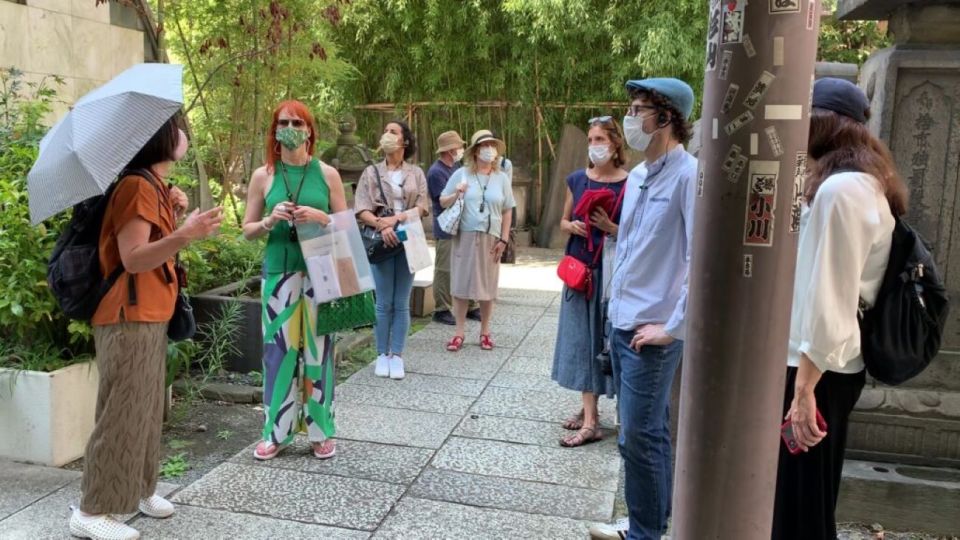
You meet outside Ryogoku Station (Toei Oedo Line). Starting here keeps the day easy: you’re already in the heart of the area, and you can arrive with less stress than trying to navigate a neighborhood from scratch.
Practical tip: plan for comfortable, broken-in walking shoes. The tour is mostly on foot, and it’s a guided circuit rather than a sit-and-stare museum visit.
Hakkaku-beya Sumo Stable: Training Life You Can Sense From the Street
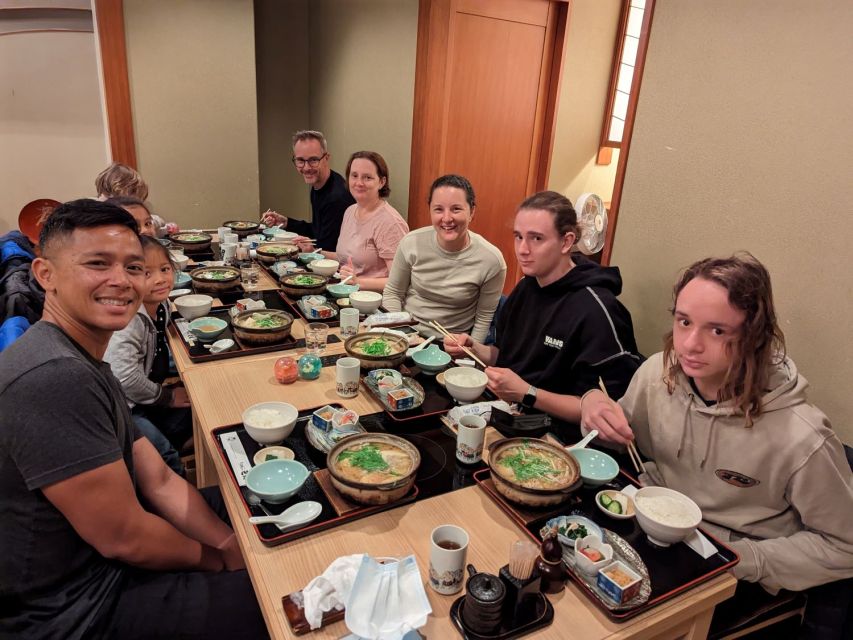
The day’s first stable stop is Hakkaku-beya, where you get a guided look as you walk (about 15 minutes). You’re not going inside on this tour, but you still get something valuable: stable awareness.
That includes understanding what stables represent in sumo life—where routines happen, where careers start, and why the sport’s structure feels so strict to outsiders. Even from the outside, this kind of stop changes your mental model. The stadium later makes more sense when you understand what leads up to it.
One more thing: on some days, you might spot wrestlers in the neighborhood moving through everyday life, like stretching or walking. It’s not guaranteed, but the setting is real, not staged.
The Middle Stretch: Ryogoku’s Sumo-Culture Landmarks
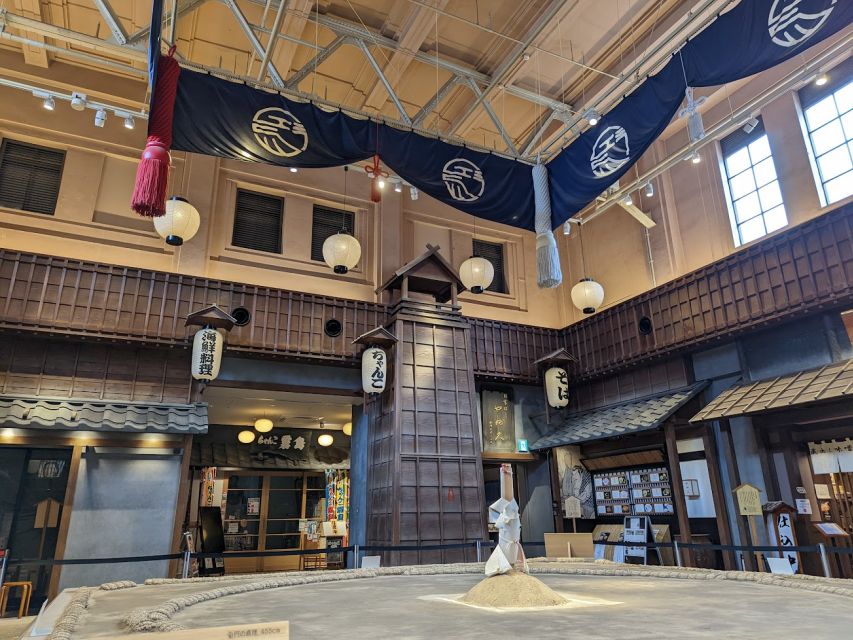
Between the first stable area and the major stadium moments, you’ll move through additional sumo-related Ryogoku sights (there’s a guided segment of around 30 minutes). The goal here is to connect the dots across Japanese culture—not just sumo.
Expect commentary that ties sumo to broader cultural elements you’ll recognize as you look around, including things like:
- Shinto and Buddhist influences
- Historical references you might see in local design and display
- Links between traditional crafts and the way public life has long supported sumo
This is where the tour helps you think like a fan instead of a sightseeing machine. You start to notice how everything—belief, community, and tradition—feeds the sport’s identity.
Ryogoku Kokugikan: The Arena With Real Context Behind It
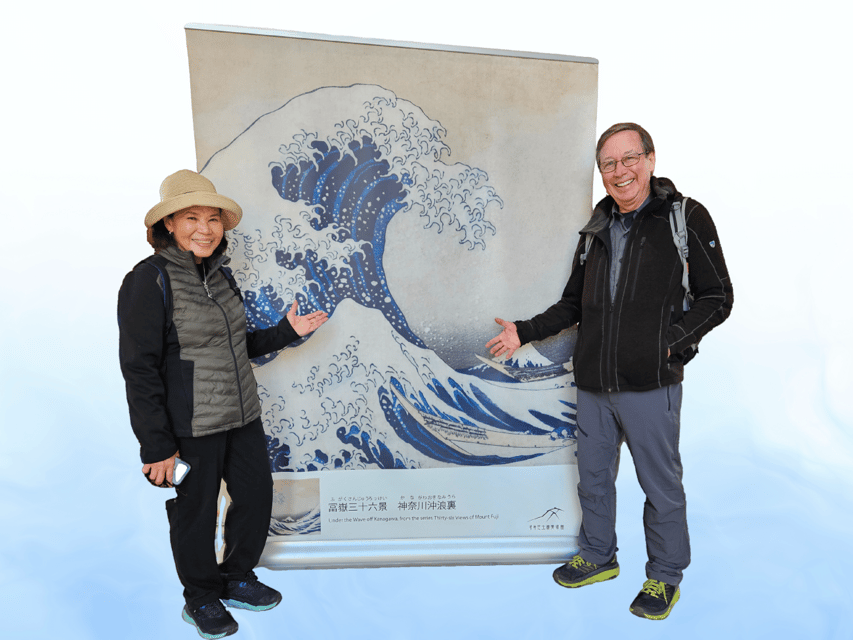
Next up is Ryogoku Kokugikan, the famous sumo arena (around 30 minutes). The stadium itself is eye-catching, but the value is what your guide layers onto it.
You’ll learn how sumo evolved over centuries—how it developed into the modern competition format you’ll see on TV and in person when tournaments line up. You also get explanations about sumo’s cultural role in Japan, which is helpful because the arena can otherwise feel like just a big sports building rather than a ritual space.
If you’re in Japan during a tournament, you might already be planning a match. This stop helps you know what to watch for, and it also helps you understand what you’re missing when you can’t attend a bout.
You can also read our reviews of more guided tours in Tokyo



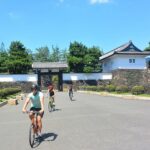
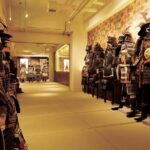
Ryōgoku Edo Noren: Edo-Era Atmosphere, Not Just Retail
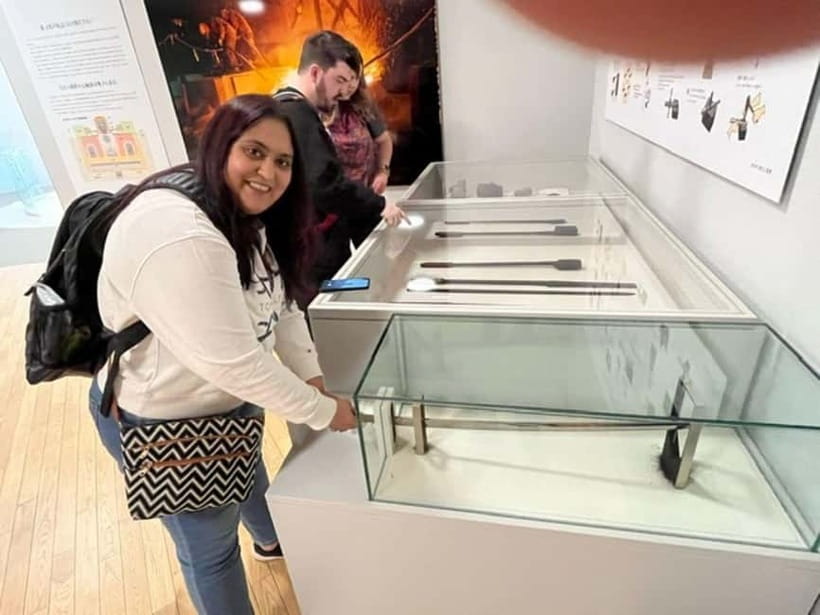
Then comes Ryōgoku Edo Noren (about 30 minutes). This is a place where Ryogoku’s identity shows up in the way the neighborhood feels and how local themes are presented.
The tour uses stops like this to keep the day from becoming purely sports-focused. You get story-driven context about how sumo sits inside Japanese culture—alongside streets, community spaces, and historical flavors.
This is also a nice breathing point. If you tend to lose focus on long walks, you’ll likely enjoy the change of pace here.
Ekō-in: Where Sumo Meets Temple and Shrine Thinking
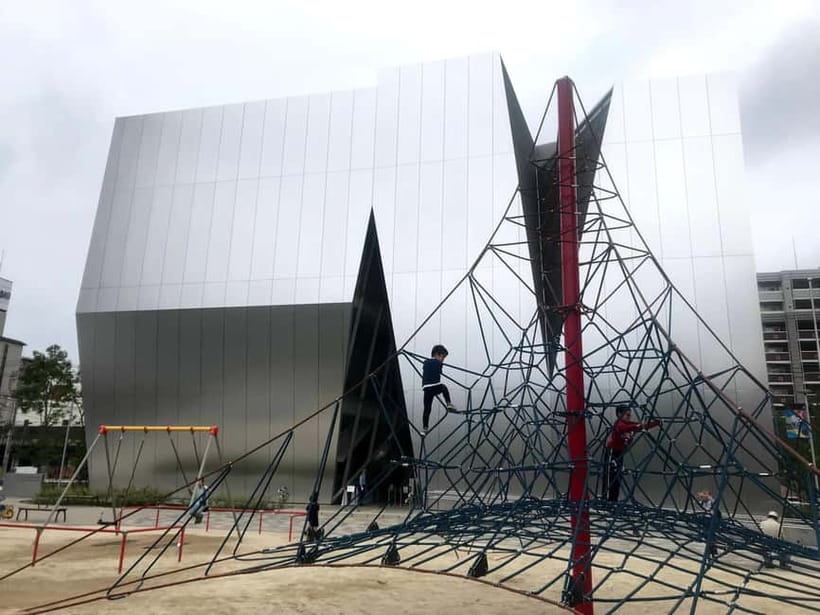
You’ll visit Ekō-in (around 15 minutes). This kind of stop matters because sumo isn’t only athletic. It’s steeped in belief and ritual—ideas connected to Shinto and Buddhist traditions that have long shaped Japanese public life.
Even if you’re not a temple person, you’ll get more out of it if you approach it as part of sumo’s worldview. Your guide’s job here is to connect symbolism and tradition to what you’ll later see in the ring and in how people talk about wrestlers and ceremonies.
Short stop, big payoff: it gives your day a more human, cultural backbone.
Kasugano-beya Sumo Stable: A Second Stable, a Better Picture
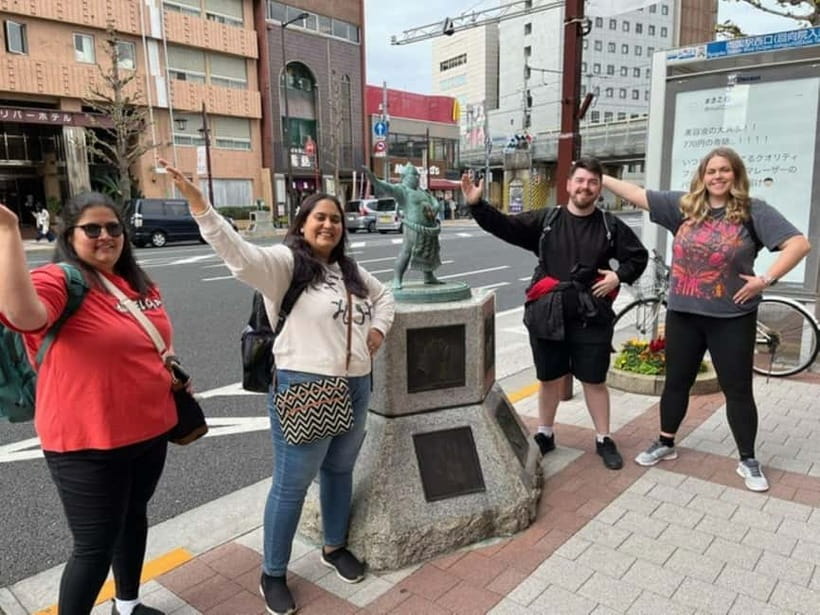
The final stable stop is Kasugano-beya (about 15 minutes). Seeing two stables back-to-back helps you avoid thinking of stables as a single place. Instead, you start recognizing the stable system as a network of routines, training culture, and career pathways.
Again, you’re mostly viewing from the outside, but the guide makes that viewing meaningful. You’ll pick up details about how wrestlers live, train, and progress, and how those routines tie into sumo’s long history.
If you love behind-the-scenes sports storytelling, this is one of the best parts of the day.
Lunch at Chanko-nabe: Why This Pot Is More Than Food
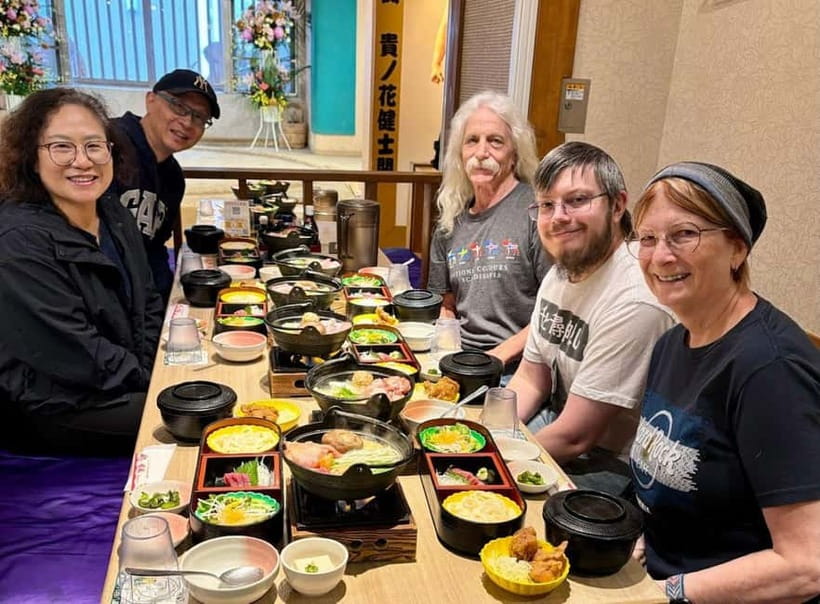
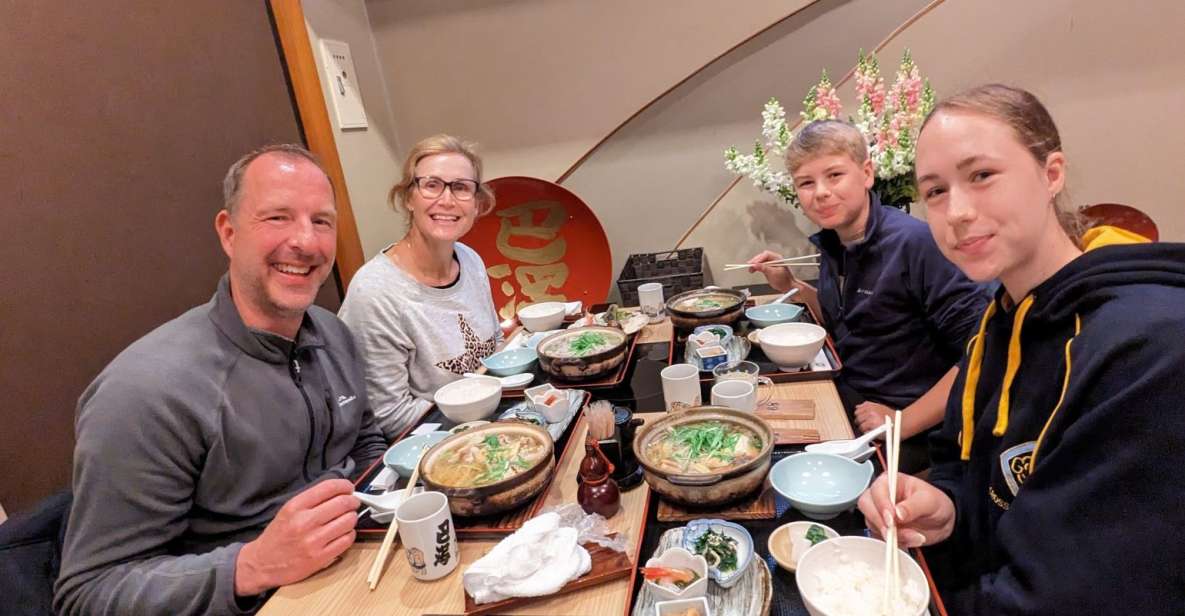
Lunch is the anchor of the tour: chanko-nabe at a top Ryogoku restaurant. It’s served in a way that matches the sport’s culture: hot pot, cooked with purpose, and built around the idea of strengthening bodies.
Here’s what makes this lunch hit differently than a normal meal:
- Chanko-nabe is nutritionally balanced and designed to support weight and muscle gain
- It’s prepared hot, which matters for hygiene
- There’s a social element: everyone eats from the same pot, reinforcing teamwork
- The story includes an important constraint: the dish is traditionally prepared within the stable context, not outsourced to professional cooks
In plain terms, you’re not just tasting comfort food. You’re eating one of the sport’s tools.
One practical note: this tour is not listed as suitable for people with food allergies. Since lunch is a core part of the experience, double-check dietary needs before you book.
Does This Tour Show Real Sumo Matches?
No. The tour does not include watching sumo bouts. That doesn’t mean the day is empty of sport flavor—it means your focus is education and atmosphere.
You might still see wrestlers in the neighborhood or catch hints of training life, but the sport schedule can affect what’s around. On some weeks, wrestlers may be away for tournaments or otherwise not visible during your walk window.
So if your top priority is match-day energy—crowds, ring-side action—plan a separate plan for that. This tour is for understanding what you’re watching when you do get the chance.
Price and Value: Is $122 Reasonable for 3.5 Hours?
At $122 per person for about 210 minutes, value depends on what you want most.
If you care about food plus context, it’s a strong deal. You get:
- A small-group guided walk
- English commentary throughout
- Lunch included at a chanko-nabe restaurant
- Multiple sumo-connected stops, including stables and Ryogoku’s major sumo landmarks
Where the price can feel less satisfying is if your goal is mostly photos or if you expected training viewing. Since match viewing isn’t included and stable viewing is from outside, the tour’s worth comes from interpretation, not access.
Think of it like this: you’re paying for a guide who helps you understand sumo as a Japanese tradition, and you’re eating a meal built for that tradition.
Who This Tour Fits Best
This is a great match if you:
- Want to become a more informed sumo fan fast
- Enjoy history and culture that connect to everyday life
- Like walking tours but want a theme with real depth
- Plan to watch sumo later in your trip and want to understand the rules and rhythms first
It might be less ideal if you:
- Need wheelchair-friendly routes (it’s not suitable for people with mobility impairments)
- Have food allergies, since lunch is included
- Only want match action and get frustrated by “educational stops”
Should You Book? My Call
If you like sports with traditions, you should book this. The guide-led structure makes the day feel focused, and the chanko-nabe lunch gives you a memorable, taste-based link to sumo life. The stables and stadium stops work best when you’re ready to learn, not just look.
Book with the right expectation: this is a sumo culture walk, not a guaranteed match experience. If you go in wanting insight—how sumo started, how it developed over 1600 years, and what daily life looks like—you’ll come away with that “now I get it” feeling that makes watching sumo back home more fun.
FAQ
FAQ
Where does the tour start?
Meet your guide outside Ryogoku Station.
How long is the guided walking tour?
The tour lasts about 210 minutes.
Is lunch included?
Yes. Lunch at a chanko-nabe restaurant in Ryogoku is included.
Does the tour include watching sumo bouts?
No. This tour does not include actual watching of sumo matches.
What language is the guide speaking?
The tour is guided in English.
How big is the group?
The group is limited to 8 participants.
Is it suitable for people with mobility impairments?
No. It is not suitable for people with mobility impairments.
Is it suitable for people with food allergies?
No. It is not suitable for people with food allergies.
What should I bring?
Bring comfortable shoes for walking.
Is there free cancellation and a pay-later option?
Yes. You can cancel up to 24 hours in advance for a full refund, and you can reserve now & pay later.