REVIEW · TOKYO
Imperial Palace Tour: Discover Samurai History with a Guide
Book on GetYourGuide →Operated by YURAGI - Japan Guide Tours - · Bookable on GetYourGuide
Samurai stories live in Tokyo’s stones. This Imperial Palace East Gardens tour is interesting because it reads the city like a map: gates, stonework, and watchtowers tied directly to how power worked in Japan. You’ll move at a human pace with an expert guiding you through what you’re actually looking at.
Two things I really like are the personal, small-group attention and the way the guide turns ruin-stones into clear samurai-era context. I especially loved hearing the Edo-period connections made in a simple, practical way, not in a textbook voice.
One consideration: this is a walking tour focused on the gardens and exterior Edo Castle remnants, not palace interiors. If you have low fitness or you’re pregnant, you’ll likely find the pace and walking time tough.
In This Review
- Key highlights worth your time
- Why This Imperial Palace East Gardens Walk Feels Different Than the Usual Tokyo Stop
- Meeting at Starbucks Near the Imperial Palace: How to Start Without Stress
- Tokyo Imperial Palace Area: What You’ll See in Your First 30 Minutes
- Imperial Palace East Gardens: The 70-Minute Part That Actually Changes How You See the Site
- The Best Moments: Tenshudai Base and Tatsumi Yagura Watchtower
- Guides Matter Here: Hina, Naoki Sugar, Delfo, Taku, and Hiroshi
- Value for $24: What You’re Actually Buying
- What to Bring (And What You’ll Be Glad You Did)
- Pace, Fitness, and Who This Tour Fits Best
- Practical Tips for Getting the Most Out of 90 Minutes
- Should You Book This Imperial Palace Tour?
- FAQ
- How long is the Imperial Palace tour?
- Where do I meet the guide?
- What languages are available for the live guide?
- How large is the group?
- Is the tour wheelchair accessible?
- Are service animals allowed?
- What should I bring?
- Is the tour suitable for low-fitness visitors?
- Is it suitable for pregnant women?
- What are the cancellation and payment options?
Key highlights worth your time

- Imperial Palace East Gardens walk with guided explanation that keeps you oriented
- Edo Castle ruins you can actually spot, including Tenshudai base
- Tatsumi Yagura watchtower area tied to how security and authority worked
- Small group up to 8, so questions don’t get swallowed
- Multi-language guides in English, Spanish, and French
Why This Imperial Palace East Gardens Walk Feels Different Than the Usual Tokyo Stop
Tokyo’s often too fast. This tour is the opposite. You get a guided stroll around the East Gardens where the details matter: stone remnants, gateways, and named spots tied to real power struggles.
I like that the guide doesn’t just point. They explain how the setting connects to samurai, emperors, and the political machinery behind Edo-period Tokyo. The result is that you see more than scenery—you understand the reason certain places mattered.
You also have the advantage of a small-group format (maximum 8). That means you can ask the obvious questions on the spot and still keep moving without feeling rushed.
You can also read our reviews of more guided tours in Tokyo


Meeting at Starbucks Near the Imperial Palace: How to Start Without Stress
Your meeting point is straightforward: Starbucks Coffee 皇居外苑 和田倉噴水公園店. The guide stands in front and holds a signboard for YURAGI, which makes it easier to find them quickly.
Do this part like a pro: arrive a few minutes early, confirm the sign, and take a quick bathroom/water break before the walking starts. Tokyo days can swing hot and humid, and you’ll be happier if you don’t start dehydrated.
If you do run late or you can’t locate the guide, the tour info includes using WhatsApp or phone contact. That’s a useful safety net for a meeting point that can look crowded even when it’s not confusing.
Tokyo Imperial Palace Area: What You’ll See in Your First 30 Minutes
The early stop is short by design—about 30 minutes—and it works. You use this time to get oriented to the larger palace grounds and what surrounds them. Think of it as setting your “where am I” framework before you go deeper into the East Gardens.
Even in a brief window, you’re focused on the kind of things that are easy to miss on your own: the structure of pathways, how the grounds are arranged, and the way official space connects to history. A guide helps you read the area instead of just photographing it and moving on.
If you’re the type who likes context (not just views), you’ll appreciate that your guide sets up the Edo Castle angle early. That’s what makes the later ruins hit harder.
Imperial Palace East Gardens: The 70-Minute Part That Actually Changes How You See the Site
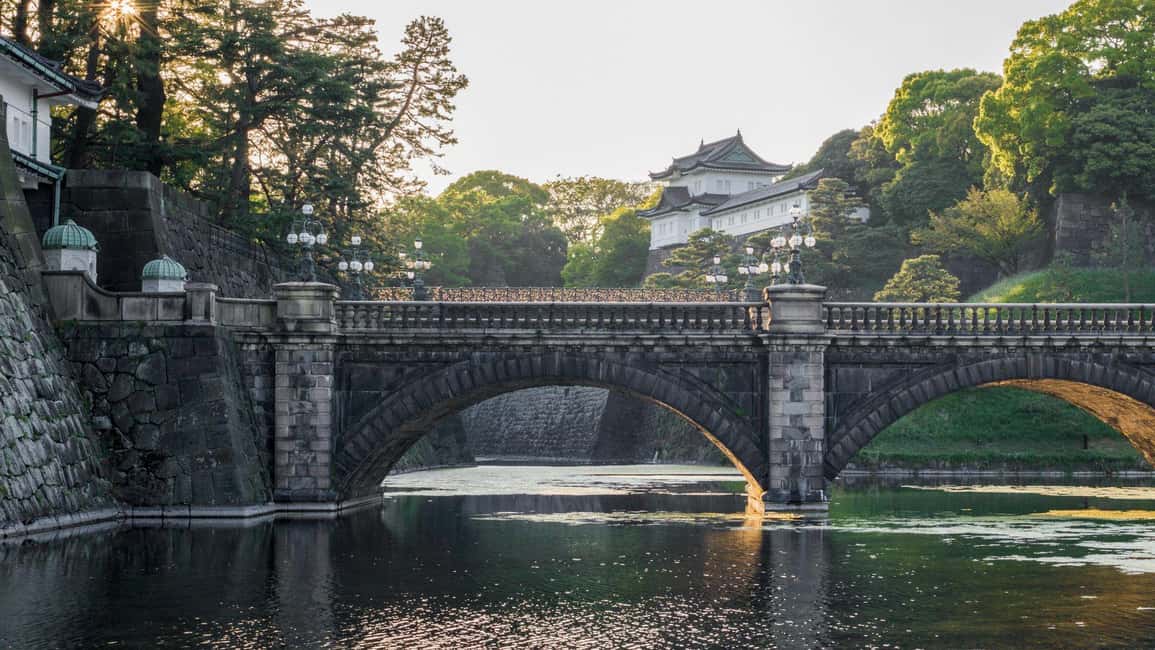
Then the tour shifts into the heart of the experience: 70 minutes in the Imperial Palace East Gardens. This is where the stroll becomes more than pretty grounds. You’re walking maintained paths past stone ruins and old-style structures that still show traces of earlier eras.
I like that the time is enough to slow down. You’re not sprinting between photo spots. Instead, you’re encouraged to look at details that make sense only when someone explains what they mean.
You can expect stops that reference the East Gardens’ connection to Edo Castle—the stronghold of the Tokugawa shogunate. The guide’s commentary helps you connect the dots between emperors, samurai, and Tokyo’s political shifts, so the ruins don’t feel random. They feel intentional.
The Best Moments: Tenshudai Base and Tatsumi Yagura Watchtower
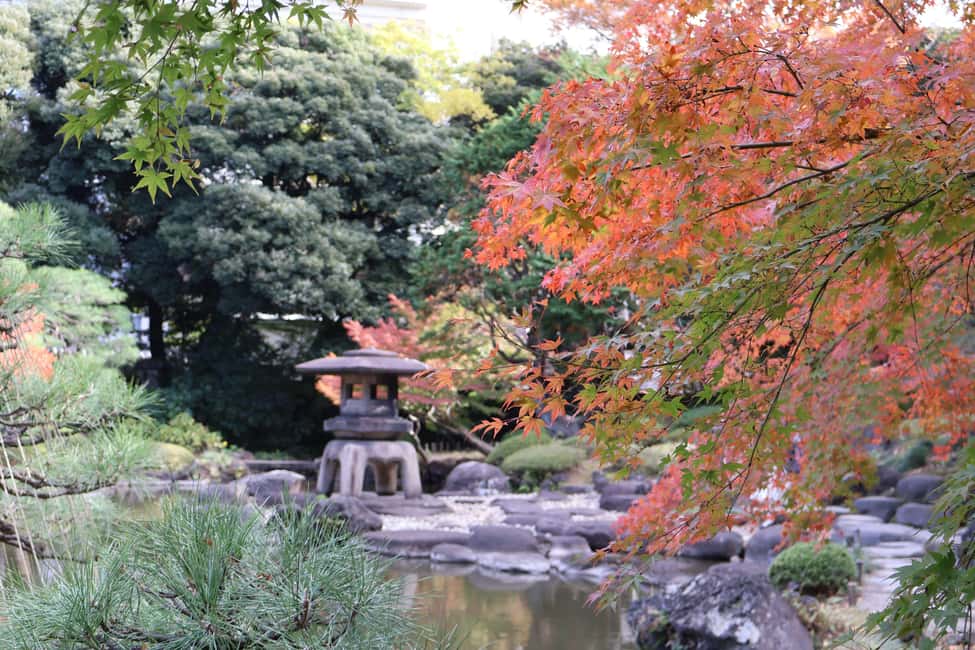
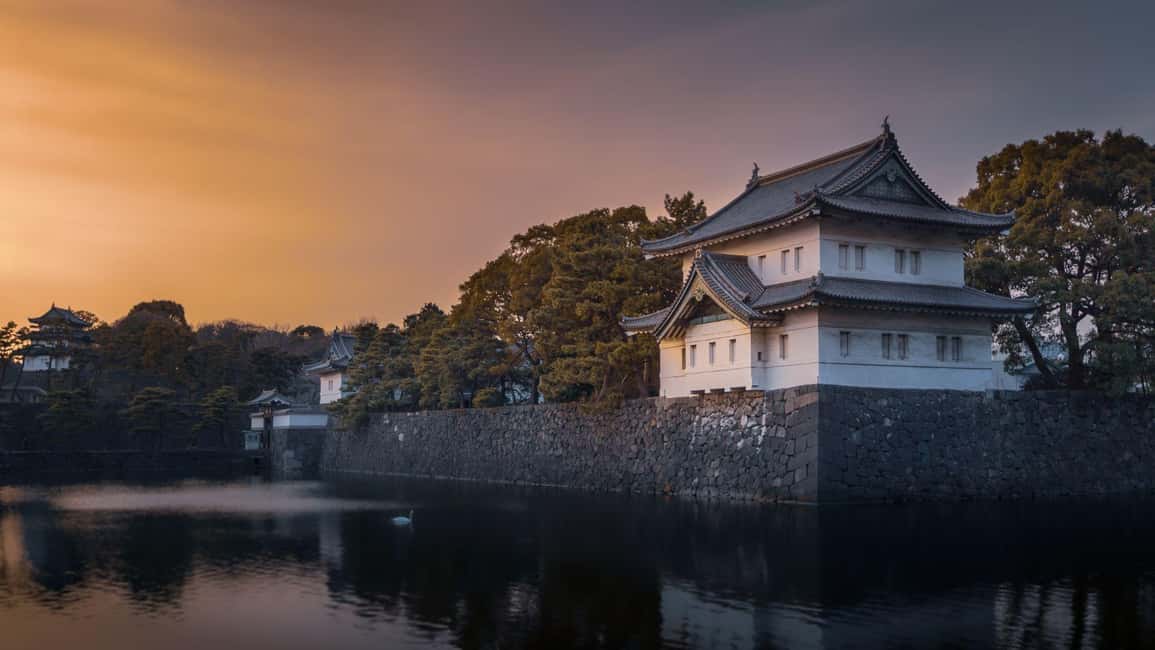
This tour gives you specific targets, and that’s why it’s worth it. Two standouts are the Tenshudai base and the Tatsumi Yagura watchtower area.
Here’s what makes these moments click: they’re not just names. Your guide ties them to function—security, command, and how the shogunate managed control over space. When you’re standing near a remnant like Tenshudai, the explanation helps you understand why certain locations were critical.
And with Tatsumi Yagura, the storytelling feels practical. A watchtower isn’t about aesthetics; it’s about surveillance and readiness. Once you hear that logic out loud, your eyes naturally start scanning the “why would they put it here” details.
If you’ve ever visited historic sites and thought, I’m missing the point, this is the cure. The ruins become legible.
You can also read our reviews of more historical tours in Tokyo





Guides Matter Here: Hina, Naoki Sugar, Delfo, Taku, and Hiroshi
The tour’s biggest strength is the human factor: the guide. The experience has a track record of guides who are friendly, patient, and quick with answers—plus, on at least some departures, there can be a trainee in the mix, which gives you more attention.
I noticed a pattern in the guide styles people praised. Hina was described as pleasant, knowledgeable in an easy-to-follow way, and accommodating. Naoki Sugar was singled out for explaining the material clearly in Spanish, with a level that felt genuinely usable. Delfo and Taku were praised as warm and informative, with guides who answered questions rather than rushing past them. Hiroshi also received strong marks for being prepared and easy to talk to.
That matters because Imperial Palace grounds can feel abstract if you’re reading only your own interpretation. With a real guide (and real language support), you get the right level of detail without getting buried in theory.
Value for $24: What You’re Actually Buying
At $24 per person, you’re paying for three things that are hard to replicate cheaply on your own: a professional local guide, a tight route through the East Gardens area, and history tied directly to what you’re seeing.
A DIY visit can cost less on the page, sure. But it’s usually missing the part that makes the stones meaningful. Here, the guide turns named ruins into a story you can follow in real time. For many visitors, that’s the difference between snapping photos and understanding a place.
Also, small group size (max 8) keeps the experience from turning into a hurry-up, herd-you-through situation. That extra attention is part of the value, not fluff.
What to Bring (And What You’ll Be Glad You Did)
Keep it simple. Bring comfortable shoes and water. The tour is mostly outdoors, and you’ll want shoes that handle walking on maintained paths and over time.
A camera helps, because the East Gardens have plenty of spots worth documenting—but don’t let the lens steal the show. Your guide’s commentary is most useful when you can pause, look, and understand before you shoot.
If you’re sensitive to crowds, plan to take your time at the ruins points rather than rushing to the next frame. Your best photos often come after you’ve listened.
Pace, Fitness, and Who This Tour Fits Best
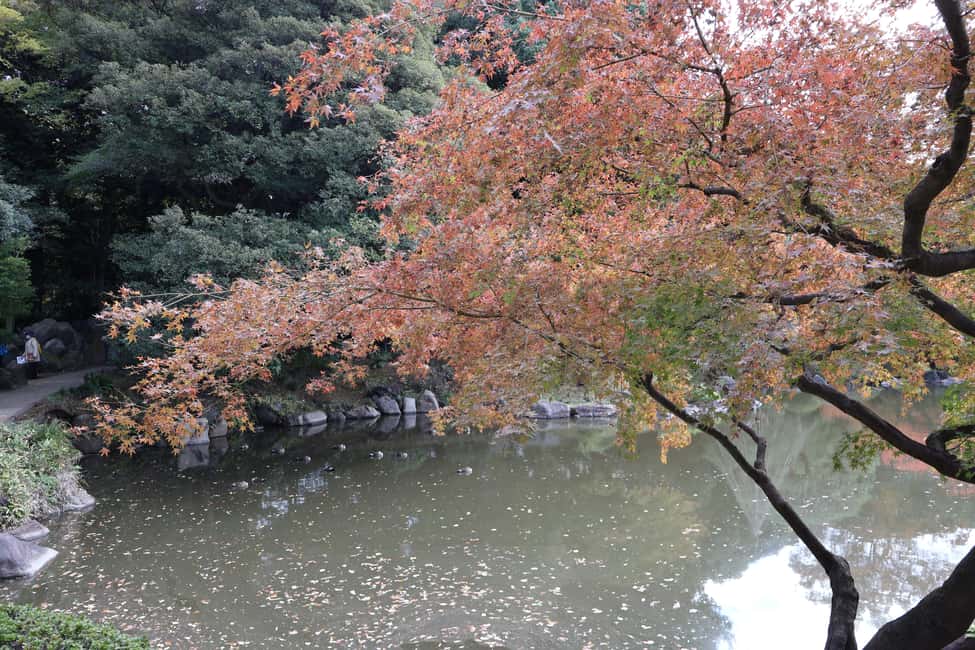
This experience is a walking tour, and it’s not labeled as suitable for everyone. It’s marked as not suitable for pregnant women and people with low level of fitness. If that describes you, consider swapping to a lighter alternative.
If you enjoy history that is grounded in place—stonework, gates, named structures—this tour fits well. You don’t need to be a samurai expert. You just need curiosity and the willingness to walk for about 90 minutes.
It also helps that it’s wheelchair accessible and stroller accessible, and service animals are allowed. If you need those accommodations, this format may work better than a tour that assumes everyone can move at a fast pace.
Practical Tips for Getting the Most Out of 90 Minutes
In a short tour, your choices matter. Do these and you’ll get a lot more out of it:
- Ask one question early, while the guide sets the Edo Castle framing
- Stop and look at the stone ruins instead of only scanning ahead
- Use the landmarks mentioned (like Tatsumi Yagura) as your mental anchors
And a small note on expectations: this is about the East Gardens and exterior remnants. If you’re hoping for deep access to palace interiors, plan your day around what you’ll see here—gardens, ruins, gates, and commentary that connects the dots.
Should You Book This Imperial Palace Tour?
Book it if you want a guided walk that makes the East Gardens feel understandable, not just scenic. The combination of a small group, specific Edo Castle remnants like Tenshudai base, and landmarks such as Tatsumi Yagura gives you structure. Plus, the guide track record for friendly explanations in multiple languages is a big plus.
Skip it if walking time could be an issue for you, or if you’re expecting heavy access inside major palace buildings. In that case, you might prefer a more relaxed plan.
If you want Tokyo’s imperial and samurai connections explained in a way that sticks, this tour is a solid, practical choice.
FAQ
How long is the Imperial Palace tour?
The experience runs for about 90 minutes total, with time split between a short visit near the Tokyo Imperial Palace area and a longer walk through the Imperial Palace East Gardens.
Where do I meet the guide?
Meet at Starbucks Coffee 皇居外苑 和田倉噴水公園店. The guide stands in front and holds a signboard for YURAGI.
What languages are available for the live guide?
The tour offers live guiding in English, Spanish, and French.
How large is the group?
The group is limited to a small size, capped at 8 participants.
Is the tour wheelchair accessible?
Yes. The tour is wheelchair accessible, and it also notes stroller accessibility.
Are service animals allowed?
Yes. Service animals are allowed.
What should I bring?
Bring comfortable shoes, a camera, and water.
Is the tour suitable for low-fitness visitors?
No. It’s specifically listed as not suitable for people with low level of fitness.
Is it suitable for pregnant women?
No. The tour is listed as not suitable for pregnant women.
What are the cancellation and payment options?
Free cancellation is available up to 24 hours in advance for a full refund. There’s also a reserve now & pay later option mentioned, letting you book without paying today.