REVIEW · TOKYO
Retro Shibuya Food Tour
Book on Viator →Operated by Arigato Japan KK · Bookable on Viator
Shibuya tastes better when you follow locals. This Retro Shibuya Food Tour turns the usual scramble around Shibuya Crossing into a guided walk through side streets, old-school eats, and places you’d be unlikely to stumble into by accident. You’ll pick up Showa-era context on the neighborhood as you sample Japanese snacks and drinks, including an iconic ramen stop.
I love how the tour blends food with real neighborhood context. Two standout wins for me are the mix of classic Shibuya sights like Hachiko and the Crossing, and the practical food-and-drink lineup that includes ramen, dessert, and multiple alcoholic options.
One consideration: this is an adult-only experience (20+) with alcohol included, and it’s also not recommended for vegans. Plus, it’s a walking format, so a moderate fitness level helps.
In This Review
- Key things that make this Shibuya food walk work
- Shibuya gets personal when a guide owns the sidewalk
- What you’ll eat and drink (and why it’s good value at $221)
- The route flow: from Hachiko and Center-gai into side-street Tokyo
- Stop 1: the Shibuya back-street brief (your orientation moment)
- Stop 2: Hachiko Statue, with culture in plain language
- Stop 3: Shibuya Crossing, plus the Showa-era angle
- Stop 4: Shibuya Center-gai, food variety with 3 drinks
- Stop 5: MEGA Don Quijote, then the izakaya-style switch
- Stop 6: Shibuya Mark City and Shibuya 109 for the modern streets
- Nonbei Yokocho: where Shibuya gets its alley energy
- Guide quality: Josh and Jacob, plus Sharon, set the bar
- Diets and drinks: what’s covered, what’s not
- Pacing and physical demands: plan for walking and standing
- Price and value: $221 for Shibuya’s best bargain moment
- Planning ahead: when to book and why
- Karaoke after party: optional, but worth noting
- Should you book the Retro Shibuya Food Tour?
- FAQ
- How long is the Retro Shibuya Food Tour?
- Where does the tour start, and what time does it begin?
- What’s included in the price?
- Are there restrictions on who can join?
- Is the tour friendly for vegetarian or gluten-free diets?
- How many people are in the group?
Key things that make this Shibuya food walk work
- 3-hour route built for back alleys and shopping lanes, not long bus rides
- 3 included drinks (beer and local sake are specifically listed, plus other beverages)
- Iconic stops like Hachiko Statue and Shibuya Crossing, paired with local-feeling eating
- A small group size, capped at 10 people, which keeps the pace comfortable
- Flexible options for some diets: vegetarian, pescetarian, and gluten-free friendly (not vegan)
Shibuya gets personal when a guide owns the sidewalk
Shibuya can feel like one big motion machine, especially around the Crossing. This tour slows things down on purpose, using a walking format to connect landmarks to the everyday routines of the area. You don’t just see Shibuya; you learn how people have used these streets for decades.
The biggest value for me is the way the guide ties food to place. The tour includes history dating back to the Showa era, so when you pass famous landmarks, you understand why they matter beyond photos. It turns a late afternoon stroll into something with meaning.
And yes, you’ll still get the famous stuff: Hachiko and the Crossing appear on the route early, before the tour shifts into older-feeling lanes and spots locals use.
You can also read our reviews of more food & drink experiences in Tokyo



What you’ll eat and drink (and why it’s good value at $221)
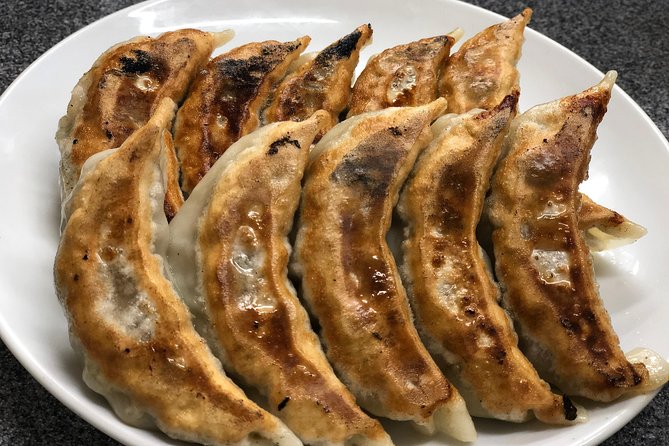
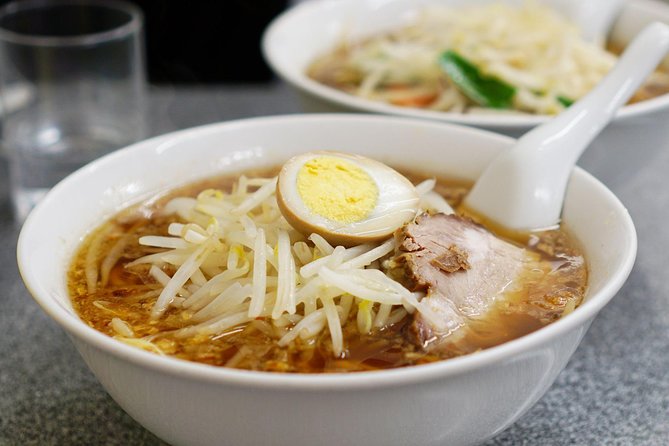
This is not a “one dish and a souvenir” kind of tour. You’ll do multiple local tastings, including food stops that cover snacks and a more proper meal moment with ramen. Dessert is included too, so you’re not scrambling for a last bite at the end.
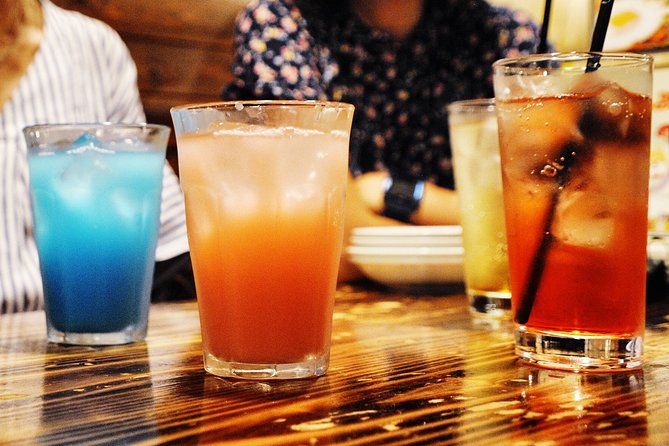
On the drinks side, the tour explicitly includes 3 complimentary drinks, with beer and local sake called out in the included list. Other beverages are also included, but the key point is that you’re not stuck buying every drink yourself. If you like tasting beer or sake in a casual setting, this inclusion makes a real difference in the overall value.
The other hidden value is timing. Starting at 4:00 pm puts you in that sweet spot when people are moving toward evening plans, but before you hit the late-night chaos. That matters when you’re trying to eat several things across a short span without the day turning into a blur.
The route flow: from Hachiko and Center-gai into side-street Tokyo
You meet at Shibuya Station 2 Chome-24, Shibuya, and the tour runs about 3 hours. The ending point is under the station at the Tokyu Department Store basement level, which is convenient when you want to keep moving without hunting for transit.
The group stays small (maximum 10 people), and that helps the pace. In dense areas like Shibuya, large groups usually mean long waits and bottlenecks. Here, the format is built around frequent stops, so smaller groups keep it lively without feeling frantic.
Also, you get a mobile ticket, which is one less thing to manage on your phone while you’re walking, eating, and checking the next meeting point.
Stop 1: the Shibuya back-street brief (your orientation moment)
The tour begins with a short meetup and orientation near Shibuya Station. This first stop is practical: you get the group set-up and the quick framing for what you’re about to see. Think of it as a guide’s handrail before you step into the older lanes and busy commercial corridors.
One benefit of doing orientation right at the start is that you’ll know how the rest of the evening will work. In a place like Shibuya, it’s easy to feel “lost but hungry.” Starting with direction helps you get your bearings fast.
Stop 2: Hachiko Statue, with culture in plain language
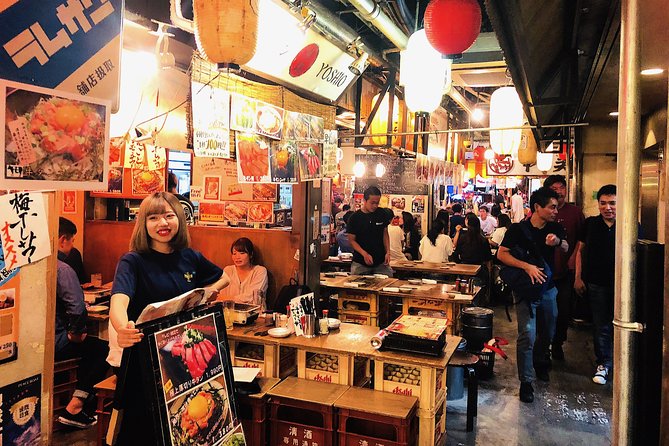
Hachiko is a must-see, but this tour treats the statue as more than a landmark. You’ll get insights into local life and Japanese culture from a local English-speaking guide, right as the tour anchors you in the neighborhood.
This works well if you’re new to Japan or new to Shibuya. Instead of just reading about Hachiko online, you get guided context that helps the statue click in your head. It’s quick, but it sets the tone for the rest of the walk.
You can also read our reviews of more tours and experiences in Tokyo



Stop 3: Shibuya Crossing, plus the Showa-era angle
From Hachiko, you head toward Shibuya Crossing, where the guide brings in the tour’s historical thread. The information included specifically mentions Shibuya’s history dating back to the Showa era, so you’re not just seeing an iconic intersection—you’re learning why this area became what it is.
A drawback to big, famous sights is that they can flatten into background noise. Here, the guide keeps it purposeful, so you understand what you’re looking at and why it shaped the neighborhood’s habits.
Stop 4: Shibuya Center-gai, food variety with 3 drinks
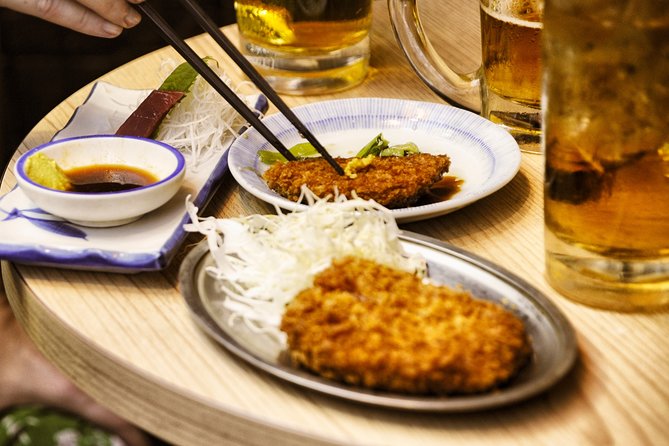
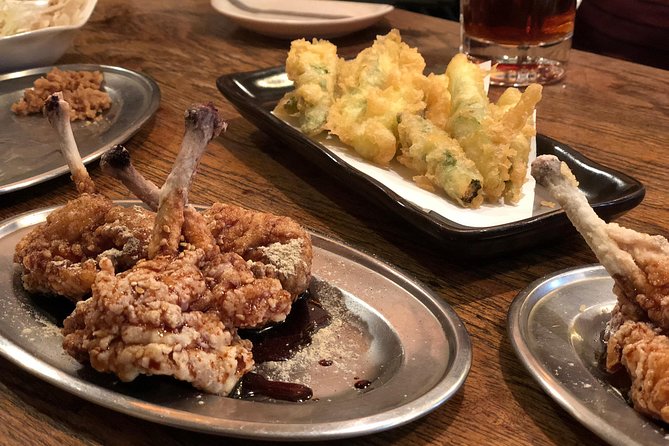
Shibuya Center-gai is where the tour really starts feeling like a food walk. You’ll taste a lot of different local and seasonal dishes, and you’ll also receive 3 drinks as part of this segment.
This stop is also where you benefit most from a guide. Shibuya has endless options, but knowing which places fit the theme and timing is the tricky part. A guided approach keeps you from wasting time choosing between menus you can’t read quickly.
If you’re the type who likes to sample rather than commit to one big plate, this section is the tour’s strongest fit. You get variety, alcohol options, and enough food to feel satisfied.
Stop 5: MEGA Don Quijote, then the izakaya-style switch
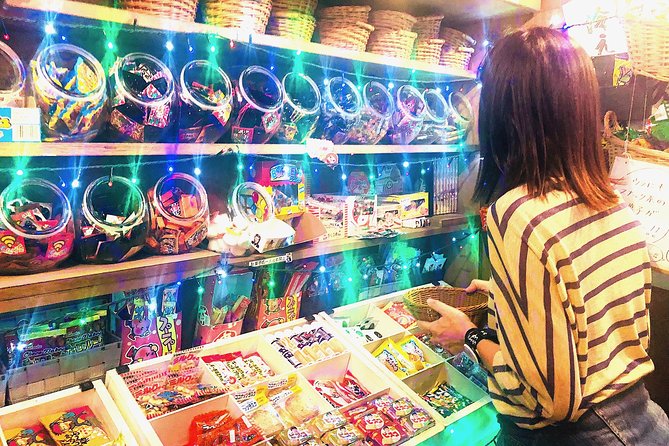
After Center-gai, the tour winds through back streets and includes a peek inside MEGA Don Quijote, which is also a practical stop for souvenirs. The vibe is different here than in the older alley areas, but it helps you understand the Shibuya “two faces” feeling: global shopping energy on one side, everyday local life on the other.
From there, you head toward an izakaya-style area described as an izakaya wonderland. The point isn’t just food; it’s atmosphere. You’ll be led to spots that you’d likely miss without local guidance.
Stop 6: Shibuya Mark City and Shibuya 109 for the modern streets
The tour continues around major commercial landmarks like Shibuya Mark City and Shibuya 109. These are shopping centers, yes, but they also shape how Shibuya functions day-to-day—especially for young people and evening street culture.
I like including stops like this because it prevents the tour from feeling like “only old Japan.” You see how Shibuya grew into its modern identity while still hearing the older context behind it.
You’re also less likely to get bored. The tour keeps moving between food and environment, so it never feels like you’re standing in one place waiting for the next bite.
Nonbei Yokocho: where Shibuya gets its alley energy
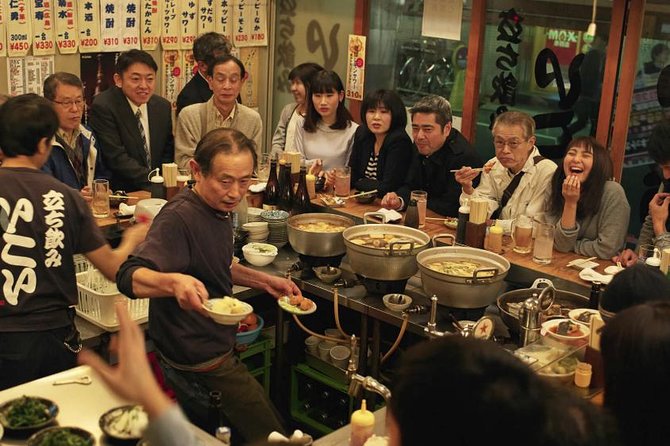
The walk includes Nonbei Yokocho, a narrow-lane setting that fits the tour’s retro theme. This is where the tone shifts from big sights into smaller streets that feel more lived-in.
Even if you’re not a heavy “bar person,” you’ll appreciate this part because it’s about the culture of small eateries—places designed for conversation, quick cravings, and repeat visits. You’re guided to the kind of spots that are easier to enjoy when someone points you in the right direction.
Guide quality: Josh and Jacob, plus Sharon, set the bar
This tour lives or dies on the guide, and the names that stand out in the experience feedback are Josh and Jacob, along with Sharon. Across those accounts, the consistent theme is simple: they bring interesting historical facts and keep the food finds coming.
I like that this isn’t presented as a lecture. You get context that helps your brain connect the dots, then you go eat. That rhythm is what makes a short walking tour feel worth the time.
If you care about learning while still having fun, this guide-led structure is exactly the point.
Diets and drinks: what’s covered, what’s not
Good news first. The tour is listed as vegetarian, pescetarian, and gluten-free friendly. That means you should be able to plan around common restrictions with the included tastings.
Alcohol is part of the setup. The tour explicitly includes alcoholic drinks, so if you don’t drink, you’ll want to consider whether you’re comfortable with that. Also, adults 20 years old and above only are allowed, so it’s not a family-style food outing.
Notably, the tour is not recommended for vegans. If vegan is your only option, plan on a different style of food experience or confirm availability before booking.
Pacing and physical demands: plan for walking and standing
This is a moderate physical fitness kind of tour. That doesn’t mean you need to be a runner, but it does mean you should expect walking between stops and possibly some standing in places where food is served.
The start and end points are both in the Shibuya Station area, with the finish at the Tokyu Department Store basement level under the station. That’s convenient after 3 hours when you don’t want to trek across town for dinner.
Price and value: $221 for Shibuya’s best bargain moment
At $221 per person, it’s not a cheap snack crawl. But it’s also not “pay a lot for nothing.” You’re paying for a guided route in a high-density area, plus multiple tastings, dessert, and 3 included drinks.
For me, the value comes from combining three things in one: direction, food you’re unlikely to order blind, and the history layer that makes the walk more satisfying than just eating. If you were planning to do Shibuya on your own, you might find places, but coordinating the right mix of foods and timing would take time and guesswork.
The small group size (up to 10) also supports the value. You’re not paying for a crowded herd; you’re paying for a guided evening.
Planning ahead: when to book and why
This tour is usually booked about 18 days in advance, so if you have specific dates in mind, don’t wait for the last minute. A late afternoon slot can fill up, especially with the adult-only and small-group limit.
Also, good weather matters. The experience lists that it requires good weather, and if it’s canceled for poor weather you’ll be offered a different date or a full refund. Since Shibuya is mostly walking, this makes sense.
If restaurant schedules or holidays change, the tour may substitute spots. That’s normal for food walking tours, but it’s good to know so you don’t expect a single fixed list no matter what.
Karaoke after party: optional, but worth noting
The information says a karaoke after party is available. You don’t need it to enjoy the food tour, but if you like turning the evening into something social, it’s a nice extra option.
If you’re booking solo, the provider mentions emailing for solo arrangements. I’d do that early so you get clarity on what the group format looks like for you.
Should you book the Retro Shibuya Food Tour?
Book it if you want Shibuya food with structure: multiple tastings, iconic ramen, dessert, and 3 included drinks, plus a guide who connects landmarks to Showa-era context. The small group cap is a big plus for a neighborhood that can otherwise feel overwhelming.
Skip or reconsider if you don’t drink alcohol, if you’re vegan, or if you dislike walking and standing for a few hours. This is built for an active, adult evening with food and drink as the main event.
If your goal is to feel like you’re seeing Shibuya the way people actually use it, not like you’re just checking boxes, this is a strong match.
FAQ
How long is the Retro Shibuya Food Tour?
It runs for about 3 hours.
Where does the tour start, and what time does it begin?
The tour starts at Shibuya Station 2 Chome-24, Shibuya, Tokyo, with a start time of 4:00 pm. The tour ends at Tokyu Department Honten Store basement level under the station.
What’s included in the price?
The included items are local food tastings, dessert, a local English-speaking guide, and 3 complimentary drinks (including beer and local sake).
Are there restrictions on who can join?
Adults 20 years old and above only.
Is the tour friendly for vegetarian or gluten-free diets?
Yes. It’s listed as vegetarian, pescetarian, and gluten-free friendly. It is not recommended for vegans.
How many people are in the group?
The maximum group size is 10 travelers.