REVIEW · TOKYO
Old Town Tokyo: Shinagawa-Juku Walking Tour
Book on Viator →Operated by Trip Designer Inc. · Bookable on Viator
Old Tokyo, no map needed. This Old Town Tokyo: Shinagawa-Juku Walking Tour turns the crowded city outside into a calmer, story-led stroll through Edo-era streets tied to the Old Tokaido Road. You’ll follow your guide down back alleys and courtyards where you’d easily miss the meaning on your own, especially in the Shinagawa area, where post-town life once shaped daily rhythms.
I especially like two parts: the small-group format (max 8), which keeps the talk clear and the pace comfortable, and the hot drinks (coffee and/or tea) that help you keep going during those 3 hours of walking. It’s the kind of tour where you can actually hear what you’re seeing, instead of just moving past it.
One consideration: the tour starts at Kitashinagawa Station and ends at Shimbamba Station, so plan your return train route before you join—especially if you’re staying near Shinagawa Station.
In This Review
- Key highlights at a glance
- Why Shinagawa-Juku feels more real than a generic Tokyo walk
- From Kitashinagawa Station to a time-warped Edo street plan
- Stop 1: Shinagawa-Ura Park and the fishing-village start of the story
- Stops 2 and 3: Kyu-tokaido Street and Hozenji Temple
- Kyu-tokaido Street: where travelers needed everything
- Hozenji Temple: tucked away, close enough to feel quiet
- Stop 4: Shotokuji Temple and the seasonal payoff
- Stops 5 and 6: Ebara Jinja Shrine and Shinagawa Shrine
- Ebara Jinja Shrine: a dragon god shrine near the Meguro River
- Shinagawa Shrine: founded as a post-town guardian and famous mini-Fuji
- Hot coffee and/or tea: why this small inclusion matters
- What you’re really paying for: value beyond the $94.88 price
- Who this tour suits best (and who might want another plan)
- Practical tips for enjoying the back alleys and temples
- Should you book this Shinagawa-Juku walking tour?
- FAQ
- How long is the Shinagawa-Juku walking tour?
- What is the group size for this experience?
- What’s included in the price?
- What is not included?
- Where do I meet, and where does the tour end?
- Is the tour dependent on weather, and what if it gets canceled?
Key highlights at a glance
- Max 8 people keeps the guide’s attention on the group and makes questions easy
- Hot coffee and/or tea helps you stay fresh on a mostly walking schedule
- Old Tokaido Road context connects alley-level sights to post-town history
- Temples and shrines are short walks apart, so you get variety without long detours
- Most admissions are free, with Shinagawa Shrine admission included
Why Shinagawa-Juku feels more real than a generic Tokyo walk
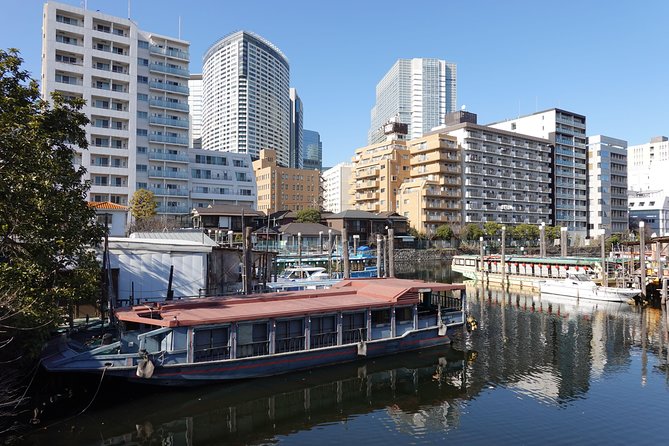
Tokyo can be loud, bright, and fast. This tour slows things down on purpose. Instead of chasing the usual big landmarks, you spend your time in an older pocket of the city where small turns matter. You’re walking through the Shinagawa-juku area—once a key stop along the Tokaido, the road linking Edo (Tokyo) and Kyoto—and the guide helps you read what you’re seeing.
The best part is that the stories aren’t just trivia. They explain why a street layout, a shrine, or a temple gate exists where it does. That matters because neighborhoods change, but the “why” often stays in the buildings, names, and paths. You’ll come away with a mental map of post-town life: fishing shore livelihoods, traveler services, and the religious stops that dotted the route.
If you like history and you like walking, this is a solid fit. If you want nonstop photo stops with zero reading, it might feel a bit more thoughtful than flashy.
You can also read our reviews of more walking tours in Tokyo


From Kitashinagawa Station to a time-warped Edo street plan
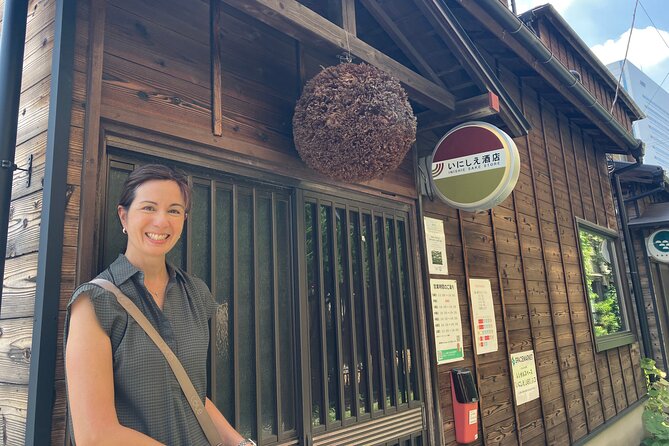
The tour begins at Kitashinagawa Station (it’s one stop from major Shinagawa Station). That’s a practical choice. You can reach it without building a complicated transit plan, and it keeps the day focused: you’re already in the right neighborhood when you meet.
From there, the walking is paced for a true neighborhood experience rather than a sprint. You’re not trying to cover Tokyo; you’re trying to understand Shinagawa-juku. Expect a mix of open views, back streets, and short temple/shrine walks. The whole thing takes about 3 hours, and the group size stays small, which helps you stay together when lanes get narrow.
Also, the route is designed so you finish near another station. That’s convenient for transit days, but it does mean you should think ahead about how you’ll get back after the tour ends at Shimbamba Station.
Stop 1: Shinagawa-Ura Park and the fishing-village start of the story
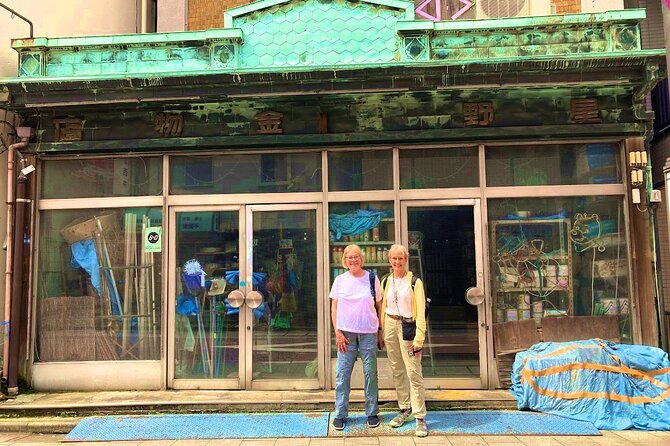
You begin at Shinagawa-Ura Park, and the setting matters. In Edo times, the shore near Shinagawa was used for fishing, and a small but prosperous fishing village grew around that work. Even though commercial fishing isn’t the point here today, you can still get the sense of a working shoreline neighborhood rather than a polished tourist zone.
This first stop does something useful: it frames Shinagawa as more than a travel corridor. Yes, it’s connected to the Old Tokaido Road—but before the post-town rhythm took over, local life was tied to the water and daily jobs. When you grasp that, the rest of the walk lands better.
Practical note: the stop time is short (about 15 minutes), so use it to reset your bearings and get into guide-mode. Then you move on while the story is fresh.
Stops 2 and 3: Kyu-tokaido Street and Hozenji Temple

Kyu-tokaido Street: where travelers needed everything
Next you’ll head to Kyu-tokaido Street, the old road section that served as the first stop for travelers traveling from Tokyo toward Kyoto. This was a lively stretch packed with inns and shops designed for people in transit. Think of it like the service layer of the route: where you could rest, eat, buy supplies, and keep moving.
A big reason this stop is worth the time is that it explains why post-towns had to be dense. Travelers weren’t passing through once—they were arriving, resting, and preparing. That pressure shaped the street scene, and the guide connects the street’s character to that practical traveler logic.






Hozenji Temple: tucked away, close enough to feel quiet
Then you get a contrast with Hozenji Temple. Branching off from the main Tokaido route are smaller streets and alleyways where temples and old houses sit with a quieter feel. At Hozenji, you’re basically shown how the old city hid spiritual spaces within everyday neighborhoods.
This is also where the tour’s alley-walking style pays off. You might not notice small entrances and side lanes on your own, but with a guide you can see the relationship between the main road and the residential pockets. Stop time is brief (around 10 minutes), so treat it as a moment to look around slowly, not a quick glance-and-go.
Stop 4: Shotokuji Temple and the seasonal payoff
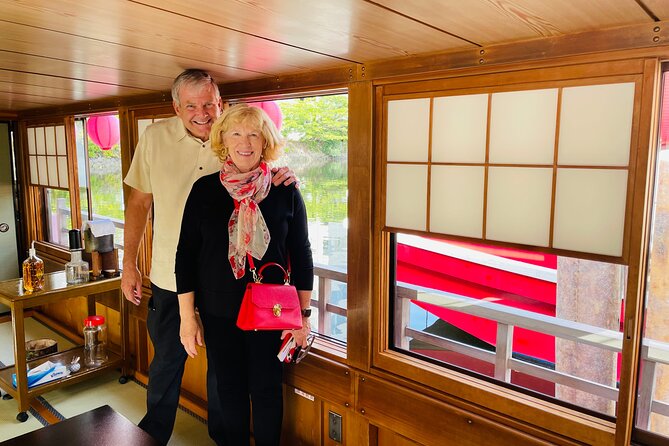
After the Kyu-tokaido segment, you stroll down Shinbaba Street and reach Shotokuji Temple. This one is especially pretty in autumn because the temple area is surrounded by maple trees. If you’re traveling in fall, that’s a real reason to pick this exact tour rather than a generic walking day.
One detail worth paying attention to: the temple has quite an unusual fence. You don’t need to understand everything right away. The point is that it creates a visual identity for the place, which makes it easier to remember later when you’re comparing neighborhoods.
Timing is short here (about 5 minutes), so if you want to take photos, do it early in the stop and then use the remaining minutes to look for how the fencing and pathways frame the greenery.
Stops 5 and 6: Ebara Jinja Shrine and Shinagawa Shrine
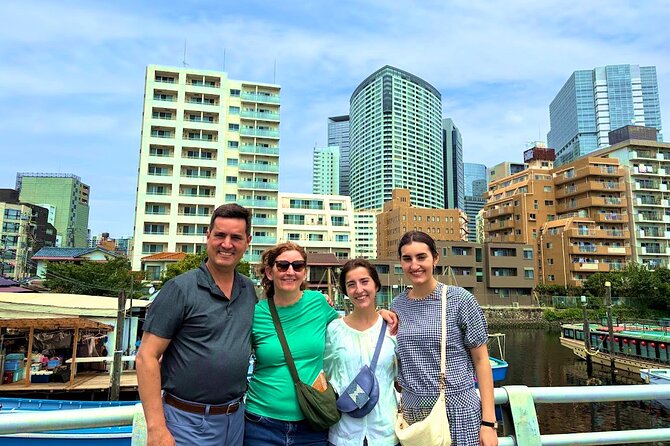
Ebara Jinja Shrine: a dragon god shrine near the Meguro River
At Ebara Jinja Shrine, the focus shifts to a different kind of story: worship connected to weather and water. The shrine is dedicated to the dragon god, and people come to pray for rain. It’s located next to the Meguro River, which helps make the religious connection feel practical rather than abstract.
The shrine has a long history—established in 709—and it includes a local legend tied to a 1062 water-related practice from the nearby river. Even without knowing every detail, the big takeaway is clear: in old Japan, rain wasn’t just something you talked about; it affected daily survival, farming, and planning. A shrine like this reflects that reality.
This stop runs about 10 minutes, so you’ll have enough time to observe without feeling rushed.
Shinagawa Shrine: founded as a post-town guardian and famous mini-Fuji
Finally, you reach Shinagawa Shrine. It was founded in 1187 as a guardian of the nearby post-town, which neatly ties the walking theme together: Shinagawa-juku wasn’t only about commerce and travel. It was also about protection and ritual support for the people living and moving through the area.
One of the standout features here is the “fujizuka,” a mini-Fuji built so worshippers who didn’t have the strength or money to climb Mt. Fuji could still participate in Fuji worship. It’s the kind of cultural workaround that tells you how important faith was—and how people found ways to join in even with limited means.
This stop lasts longer (about 50 minutes) and includes admission. That extra time makes sense because it’s the tour’s payoff. By now you’ve learned how post-town life worked and where the spiritual stops fit—so Shinagawa Shrine feels like the final piece of the puzzle rather than another quick stop.
Hot coffee and/or tea: why this small inclusion matters
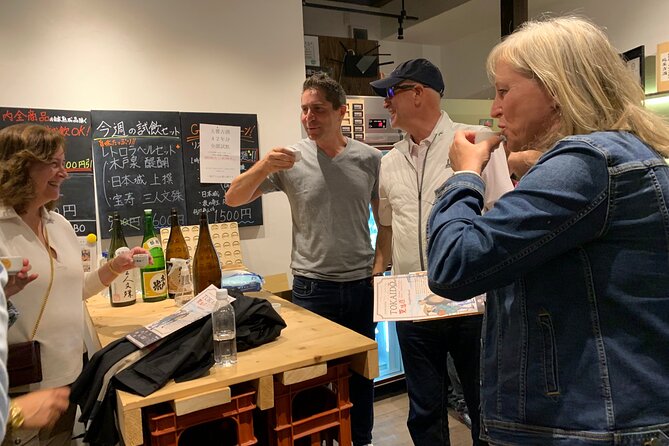
It’s a small line item on paper, but it changes how the tour feels. Coffee and/or tea is included, and it’s provided to keep you refreshed. On a 3-hour walking tour—especially in cooler weather or when you’re moving through shaded alleys—warm drinks help you relax instead of pushing through.
Practically, it also gives you a moment to catch your breath, regroup with the group, and absorb what you just saw. When you’re hearing history while walking, you need short mental reset points. The drink is a built-in one.
What you’re really paying for: value beyond the $94.88 price
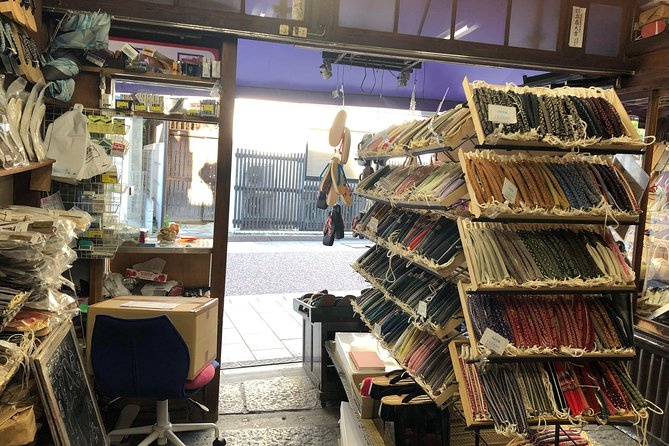
At $94.88 per person, this isn’t a budget stroll. So the value question matters.
Here’s what you’re getting for the money:
- A small group capped at 8, not a big crowd where questions get lost
- An English-speaking guide, which is the key advantage when stories involve specific street names and local details
- Coffee/tea included, which saves you from having to find a place mid-walk
- Mostly free admission stops, with Shinagawa Shrine admission included
- A guided route that reduces the hassle and risk of getting turned around in older lanes
Also, this is the type of tour where paying more can actually cost you less time. If you try to DIY Shinagawa-juku on your own, you may spend time figuring out which alley connects to the old road segments and what a given shrine or temple meant to the post-town system. A good guide compresses that learning into a few hours.
Booking timing helps too. The tour is commonly booked about 37 days in advance, so if you’re traveling during popular seasons, grabbing a spot earlier can spare you from last-minute availability issues.
Who this tour suits best (and who might want another plan)
This tour is ideal for you if you:
- like history and culture but also want the story delivered through real streets
- enjoy walking at a human pace
- want help navigating older neighborhoods without constantly stopping to check directions
- prefer a small-group experience where you can actually hear and ask questions
You might consider a different option if:
- you dislike walking for about 3 hours total
- you want a strictly “see it, move on” itinerary with minimal explanation
- you’re sensitive to weather changes, since the experience requires good weather
If you’re planning a day around Shinagawa Station anyway, this becomes an easy win: you’re already nearby, and the tour gives structure to an area many visitors treat as a transit stop.
Practical tips for enjoying the back alleys and temples
A few simple habits will make this tour smoother:
- Wear comfortable shoes. The route includes back alleys and temple/shrine areas, and the stop pattern is walking-heavy.
- Bring a light layer. You’ll be outside most of the time, and the tour is designed for good weather.
- Pace your photos. Stops like Shotokuji and Hozenji are short, so take pictures fast, then look longer when you can.
- Think like a post-town traveler. When you pass an inn-and-shops styled street, connect it to the road’s function (Tokyo to Kyoto traffic, rest needs, supplies). It makes the place feel logical instead of random.
- If the guide is Charlotte, lean into her style of blending district navigation with history. A guide who can explain both helps you keep the story in your head while you’re still walking.
Should you book this Shinagawa-Juku walking tour?
Book it if you want a guided walk that teaches you how Shinagawa-juku worked as part of the Old Tokaido Road—and you’d rather learn through temples, shrines, and street context than just read a sign.
Skip it or rethink it if your main goal is big-ticket sights with minimal walking and minimal explanations. This tour shines when you enjoy the in-between places: side streets, quieter temple corners, and the small cultural details that make a neighborhood feel like it has a past.
If your travel style is history + walking + small-group attention, this is a strong pick for Tokyo.
FAQ
How long is the Shinagawa-Juku walking tour?
The tour lasts about 3 hours.
What is the group size for this experience?
The tour has a maximum of 8 travelers.
What’s included in the price?
Coffee and/or tea are included, along with an English-speaking guide.
What is not included?
Lunch, transport fees, and hotel pick-up & drop-off are not included (hotel pick-up & drop-off is available for an extra fee).
Where do I meet, and where does the tour end?
You start at Kitashinagawa Station and end at Shimbamba Station.
Is the tour dependent on weather, and what if it gets canceled?
Yes, it requires good weather. If it’s canceled due to poor weather, you’ll be offered a different date or a full refund.