REVIEW · TOKYO
Tokyo Sightseeing/ City Tour by Private Car with English Guide
Book on Viator →Operated by BANZAI · Bookable on Viator
A long Tokyo day can be chaos, but this setup keeps it simple: pickup, drop-off, and an English guide in a modern car. I like that you can share photos on the go thanks to free Wi-Fi, and still hit a solid lineup of Tokyo classics without dragging bags through stations. One detail to weigh is the Tokyo Skytree admission that’s not included.
I also like the day’s mix. You get food culture to start at Tsukiji Fish Market, then you slow down at Senso-ji in Asakusa, and later you swing into tech and street-style at Akihabara, Harajuku, and Shibuya.
The main drawback is cost creep. Most stops have no entry fee, but Skytree is ¥2,100 per person on top, and you’ll be out for about 8 to 9 hours, so plan your energy for a full sightseeing stretch.
In This Review
- Key things that make this tour work
- Private car Tokyo tour: the real value is fewer headaches
- Price and what you’ll pay beyond the headline
- Tsukiji Fish Market and Senso-ji: a food start, then a calm reset
- Tokyo Skytree and Akihabara: skyline views and tech-pop Tokyo
- Meiji Jingu and the Imperial Palace: two kinds of “pause”
- Tokyo Tower, Takeshita Street, and Shibuya Crossing: modern Tokyo in one sprint
- The English guide factor: flexibility plus real-world pace control
- Who this tour suits best
- Should you book this Tokyo private car tour?
- FAQ
- What is the price and group size for the Tokyo private car tour?
- Does the tour include hotel pickup and drop-off?
- How long does the tour take?
- Which major stops are included during the tour?
- Is Tokyo Skytree admission included?
- Is there free cancellation?
Key things that make this tour work
- Private group up to 5 with an English guide, so your pace stays yours
- Hotel pickup and drop-off in central Tokyo, which saves real time
- Air-conditioned vehicle plus free Wi-Fi, handy for navigation and photo sending
- Flexible routing to match your interests, not a rigid script
- Big-name stops across old and new Tokyo, from Senso-ji to Shibuya Crossing
- Tokyo Skytree ticket is separate (¥2,100 per person), so budget ahead
Private car Tokyo tour: the real value is fewer headaches
Tokyo is huge, and “just hop on the train” is easier in theory than practice when you’re doing temples, neighborhoods, and landmarks in one day. This tour is built around a private car, so you avoid the stop-and-transfer rhythm that can chew up your schedule.
The vehicle is air-conditioned, which matters in summer, and it includes free Wi-Fi. That’s not just a comfort perk. You’ll often want to check meeting points, confirm where you are before you step out, and share photos quickly with family back home.
You also get pickup and drop-off from your central Tokyo hotel, which is a big deal in a city where many sights are easier to reach but annoying to coordinate. The tour is described as “near public transportation,” meaning you won’t be sent to some far-off location with a confusing last mile.
And because it’s private, it’s only your group in the car. That keeps the day calm. No waiting for a loud group to regroup at every corner.
You can also read our reviews of more guided tours in Tokyo
Price and what you’ll pay beyond the headline
The price is $362.39 per group (up to 5 people), running about 8 to 9 hours. That grouping matters. If you split it with friends or family, the per-person cost becomes much more reasonable than it looks at first glance.
Here’s the practical way to think about it:
- Your core transport and guide time are covered.
- Most major stops list free admission, so you’re not constantly pulling out tickets.
- The tour does not include breakfast or lunch, so you’ll want to plan meals on your own.
The one clear add-on is Tokyo Skytree, with admission listed as ¥2,100 per person. Since it’s the only paid attraction named in the tour details, I’d treat that as your main budget line item besides snacks.
Also note: fuel surcharge and GST are included. So there aren’t surprise add-ons for the ride itself. The only real variable is how much you choose to spend on shopping along the way—electronics in Akihabara or snacks near Harajuku can tempt even disciplined people.
Tsukiji Fish Market and Senso-ji: a food start, then a calm reset
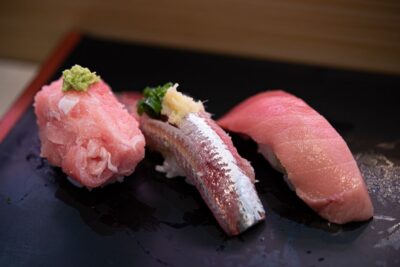
The day begins with Tsukiji Fish Market for about 1 hour. The key context here is that the inner wholesale action moved to Toyosu in 2018. That doesn’t make Tsukiji less interesting. It means you’re not walking through the exact same auction-focused engine as in the old days. Instead, you’re visiting a place that’s still strongly tied to seafood culture and food browsing, which works well as an early stop when you want your bearings and your appetite.
Admission is listed as free, so you’re really paying for guide time and the chance to experience the area with context. With an English guide, you’re more likely to understand what you’re seeing—what’s there for eating, what’s there for spectacle, and what’s worth your time during that one-hour window.
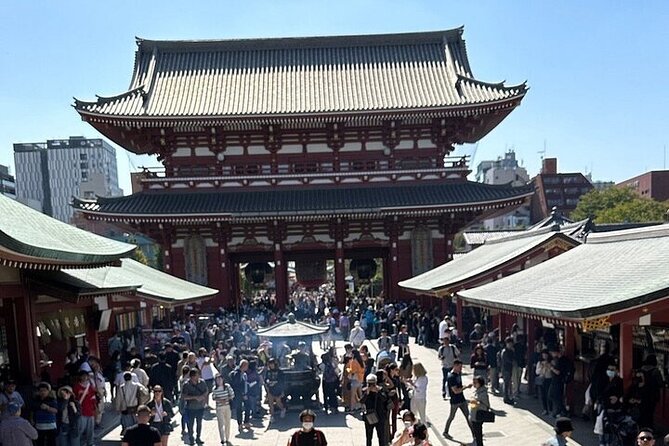
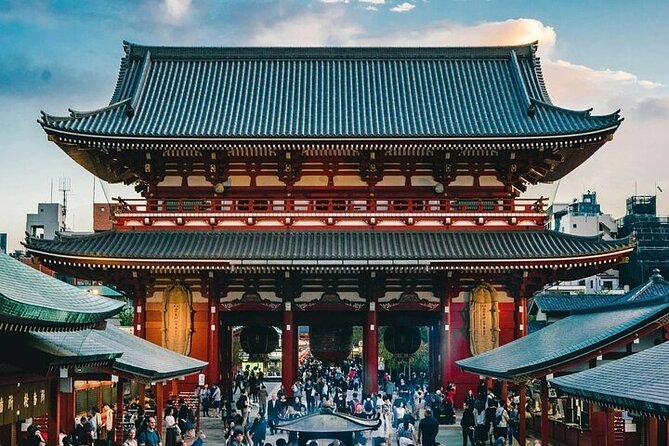
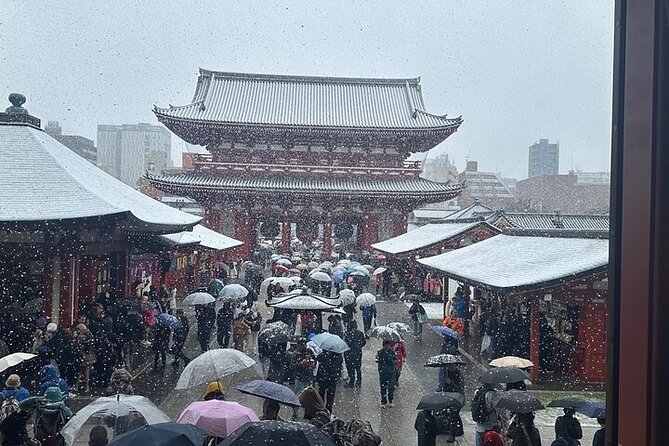
Then you move to Senso-ji Temple Yogodo in Asakusa for about 1 hour, also with free admission. This is Tokyo’s oldest and most iconic Buddhist temple, founded in 645 AD, dedicated to Kannon, the Goddess of Mercy. That combination—age plus symbolism—makes the stop feel more meaningful than a quick photo sprint.
Senso-ji also works well after a market area. You shift from sensory overload to a slower pace. The guide can help you read the space: why people gather where they do, what the main temple connection is, and how to spend your hour without missing the highlights.
One practical tip: give yourself time to linger. Temples are not just sightseeing. In a place like Senso-ji, watching what people do—how they move, what they focus on—helps you get more out of the hour.
Tokyo Skytree and Akihabara: skyline views and tech-pop Tokyo
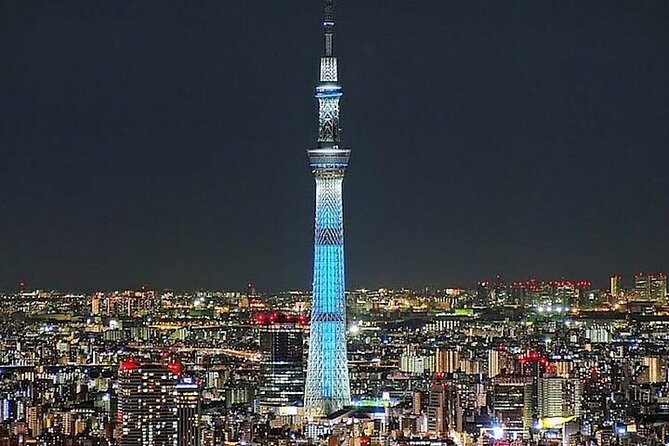
Next up is Tokyo Skytree for about 1 hour. Admission is not included, and the price listed is ¥2,100 per person. Skytree is 634 meters, and it’s described as the tallest structure in Japan. Even if you don’t consider yourself a “views person,” it’s worth thinking about what Skytree gives you: scale.
Tokyo is hard to understand from street level. A high vantage point helps you see how neighborhoods relate to each other. It can also help you connect the day’s stops. When you can visually map where Asakusa and the river-side areas sit relative to everything else, the whole itinerary makes more sense.
After that, you head to Akihabara (about 1 hour, free admission). This is the electronics and anime hub, known as Electric Town, with a strong otaku culture presence. The tour description points to multi-level electronics stores and retro gaming options.
Akihabara is great if you like Tokyo’s modern “creator” culture: gadgets, characters, games, and the fun side of technology. It’s also a good contrast to temples and shrines. In one day, you get the old spiritual center, then the modern screen-and-gear world.
The drawback to Akihabara? It can eat your attention fast. You may find yourself drifting into shops. With a timed stop, you’ll want to decide in advance what you’re hunting: souvenirs, specific electronics, or just browsing. A guide helps here because they can steer you away from dead ends and toward what matches your interests.
Meiji Jingu and the Imperial Palace: two kinds of “pause”
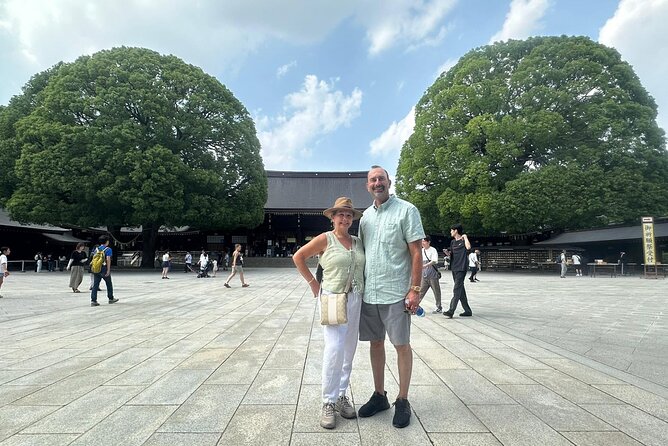
Midday is where the itinerary shifts from landmarks and neighborhoods into calm, ceremonial spaces. Meiji Jingu comes next (about 1 hour, free admission). It’s one of Tokyo’s most important Shinto shrines, dedicated to Emperor Meiji and Empress Shoken. The tour notes that the shrine is near Harajuku and sits in a peaceful setting.
This is the type of stop that works best when you don’t rush. Think of it as a breather between busy districts. The guide’s job here is more than walking you from point to point. It’s helping you understand what you’re seeing—why this shrine matters, what the dedication means, and how people use the space.
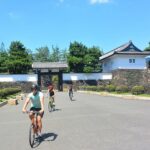
Then you go to the Imperial Palace for about 1 hour (free admission). The Imperial Palace is the primary residence of Japan’s Emperor, surrounded by moats, stone walls, and manicured grounds. This is another “pause” stop, but in a different way than Meiji Jingu. It’s more about heritage, formal space, and the feel of the capital’s center.
In a city tour packed with iconic scenes, these two stops give you a needed reset. They also offer contrast: Shinto shrine atmosphere versus the more official, monumental presence of imperial grounds.
One practical note: if you’re the type who loves long walks, you might want extra time here. You won’t have unlimited time during an 8 to 9 hour day, so let your guide know if you’d rather stretch one of these calm stops and shorten another.
You can also read our reviews of more city tours in Tokyo



Tokyo Tower, Takeshita Street, and Shibuya Crossing: modern Tokyo in one sprint
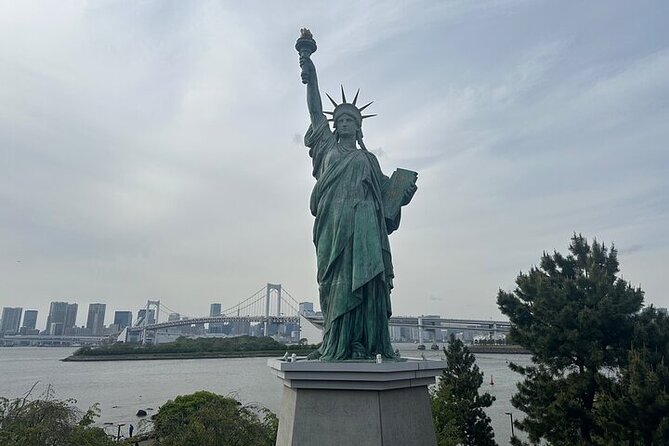
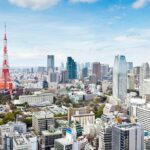
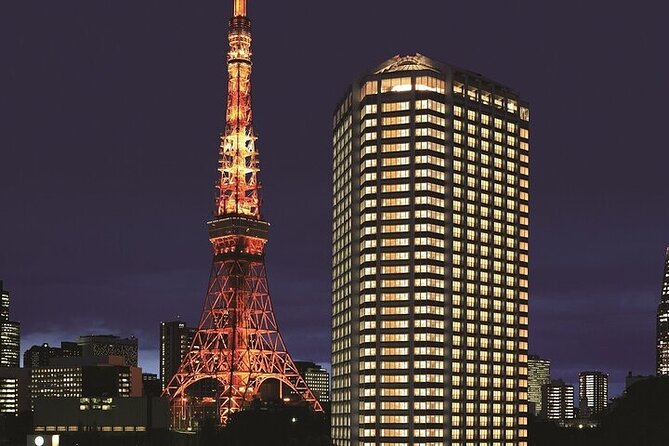
As the day moves toward the biggest traffic and footfall areas, you’ll hit Tokyo Tower first. It’s described as the iconic symbol of Japan’s capital at 333 meters, inspired by the Eiffel Tower, and linked to Tokyo’s post-war rebirth story. Even if you don’t climb for views, the outside presence gives you that classic skyline marker.
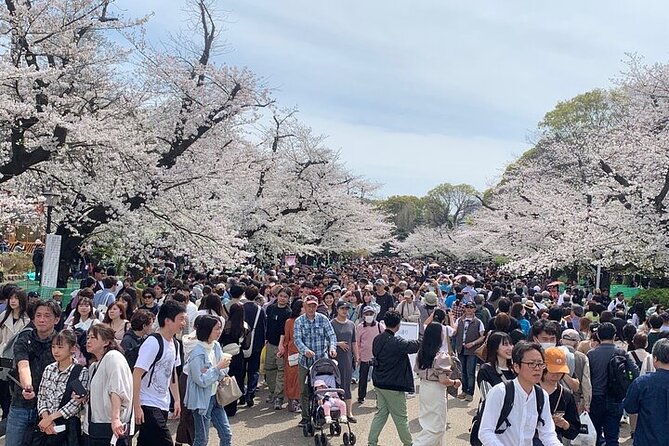
After Tokyo Tower, the itinerary moves into youth culture: Takeshita Street in Harajuku for 1 hour 30 minutes (free admission). This is where you’ll see quirky fashion shops, crepe stands, themed cafes, and “latest street trends.” If you like people-watching and quick-hit street shopping, this is one of the most fun blocks of the day.
Then comes Shibuya Crossing for about 30 minutes (free admission). It’s often called the Scramble, and the tour description emphasizes how hundreds of pedestrians cross from multiple directions at once. This isn’t just a photo stop. It’s a Tokyo experience.
Here’s the consideration: Shibuya is where crowds and timing can matter. You’ll likely want a quick strategy with your guide for where to stand and how to view the crossing without getting stuck in a bad spot. If you’re sensitive to crowds, tell your guide early. You can still enjoy it, but you might aim for a viewpoint that gives you photos with less friction.
The English guide factor: flexibility plus real-world pace control
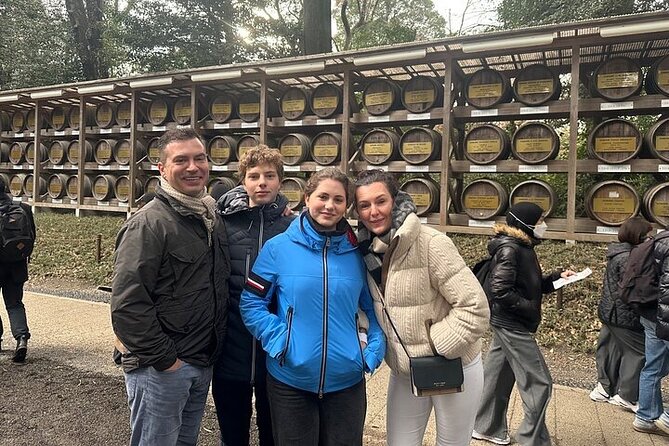
The tour is designed to be customizable, meaning your guide can shape the flow based on interests and your schedule. That matters because Tokyo has “two speeds.” You can either follow the highlights like a checklist, or you can make the day feel like your day.
Your best-case scenario is a guide who pays attention to timing, not just facts. The most praised experiences highlighted Abdul as kind, accommodating, and considerate, with the ability to adjust the tour to fit needs. That same feedback also stressed an extra focus on helping with photos, which is useful because it removes the guesswork about where to position yourself and how to get good shots quickly.
In practice, that flexibility is why private car tours feel better than public transport days. You’re not stuck waiting for everyone’s train connection. You’re not trapped by a fixed order. Your guide can keep the day moving while still responding to what you want more of.
Who this tour suits best
This is a strong choice if you want:
- A high-sight list without heavy logistics
- An English guide to add context and keep time under control
- A mix of Tokyo themes: food culture, temples, tech, shrine calm, and modern street scenes
- A day that starts with classic icons and ends with the city’s most famous pedestrian intersection
It may not be the best fit if you prefer slow neighborhood wandering with lots of unscheduled stops. A private car can’t replace deep discovery when you want to get lost on purpose.
Also keep in mind that the experience notes it requires good weather. That doesn’t mean Tokyo stops existing in rain, but it does mean your plan might change if weather is bad, with another date offered or a full refund if canceled due to poor conditions.
Should you book this Tokyo private car tour?
I’d book it if your priority is seeing a lot of Tokyo’s headline sights in one day with less stress. The hotel pickup/drop-off, free Wi-Fi, and private group up to 5 are the big practical wins. The stop list also covers smart variety: Asakusa and the Imperial center for tradition, then Akihabara and Harajuku for modern Tokyo culture, and Shibuya Crossing to finish with energy.
I’d think twice if you’re watching every yen carefully, because Skytree admission (¥2,100 per person) is extra and you’ll still need to handle your own meals. Also, if you hate crowds, Shibuya and Harajuku may feel like the busiest parts of your trip.
If you want a guided day that turns Tokyo from overwhelming to doable, this is a solid option.
FAQ
What is the price and group size for the Tokyo private car tour?
It costs $362.39 per group, and the group size is up to 5 people.
Does the tour include hotel pickup and drop-off?
Yes. Pickup and drop-off from your central Tokyo hotel are offered.
How long does the tour take?
The tour lasts about 8 to 9 hours.
Which major stops are included during the tour?
The tour includes Tsukiji Fish Market, Senso-ji Temple Yogodo, Tokyo Skytree, Akihabara, Meiji Jingu Shrine, the Imperial Palace, Tokyo Tower, Takeshita Street, and Shibuya Crossing.
Is Tokyo Skytree admission included?
No. Tokyo Skytree admission is not included, and the listed price is ¥2,100 per person.
Is there free cancellation?
Yes, free cancellation is offered. You can cancel up to 24 hours in advance for a full refund, and the experience requires good weather, with a different date offered or a full refund if canceled due to poor weather.