REVIEW · TOKYO
Ramen & Dumpling Cooking in Tokyo with Chef/Vegan possible
Book on Viator →Operated by Luna Nueva "Japanese Cultural Experience" · Bookable on Viator
A ramen lesson in Tokyo sounds fun, but this one teaches you how. You’ll cook in a real home setting in Nerima, learn the building blocks of restaurant-style ramen, and fold gyoza step by step with Chef Yoshi and Amo. It’s hands-on, small-group, and focused on technique, not just eating.
Two things I especially like: you get personal feedback in a max-12 class, and you leave with a ramen bowl you can actually recreate at home. One drawback to consider: it starts in a local residential area, so you’ll want to plan transit time to Ekoda Station and arrive hungry, since there’s a lot of food.
In This Review
- Quick reasons to pick this ramen and dumpling class
- From station to a real Tokyo home
- The 2-hour cooking flow: eggs, gyoza, noodles, and a ramen bowl
- Chef Yoshi and Amo: what small-group teaching really buys you
- Ramen technique: building broth flavor and making it taste right
- Gyoza in real life: folding dumplings without guesswork
- What about vegan or dietary needs?
- The meal experience: you eat, you plate, you leave full
- Price and value: what $102.41 buys you in Tokyo
- Getting there without stress: transit and timing tips
- Who should book this ramen and dumpling class
- Should you book it?
- FAQ
- Where does the class meet?
- How long is the cooking class?
- How big is the group?
- Do they offer vegetarian options?
- Is the class in a residential area?
- What will I make during the class?
- Is there food to eat at the end?
- How do I get the ticket?
- What’s the cancellation policy?
Quick reasons to pick this ramen and dumpling class
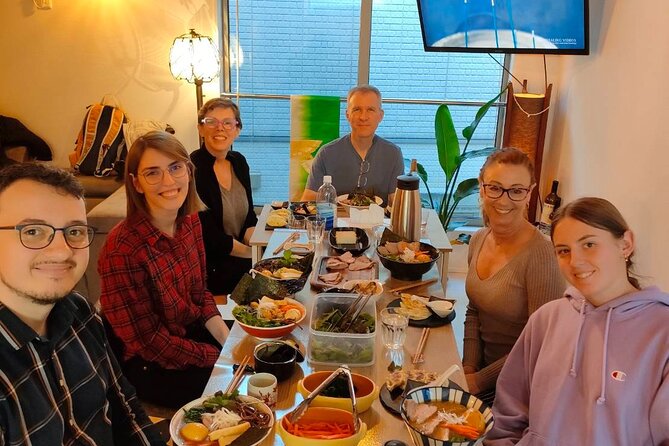
- Small group (max 12) means you’re not yelling across a crowd to get help
- Yoshi and Amo teaching style is step-by-step and patient, with plenty of chances to ask questions
- You make both ramen and gyoza, so you learn more than one “trick”
- Seasoned eggs and colorful toppings are part of the workflow, not an afterthought
- Vegetarian and no fish/seafood options are prepared when requested
- You eat what you make and finish with a plating moment that feels like dinner, not a demo
From station to a real Tokyo home
This class meets at Ekoda Station in Nerima City (about as local as it gets without going off-grid). After you find the station, you’ll head to the host’s place, and the experience is designed to be practical: you’re near public transit, and the start is straightforward.
I like that the location nudges you out of central-tourist Tokyo. You get a different side of the city, and you also avoid the “quick stop, quick taste, back on the train” feeling that some food tours create.
The main thing to watch: you’ll be in a residential neighborhood. That’s good for atmosphere, but it means you should check train routes ahead of time and give yourself a small buffer so you don’t rush the start.
You can also read our reviews of more tours and experiences in Tokyo



The 2-hour cooking flow: eggs, gyoza, noodles, and a ramen bowl
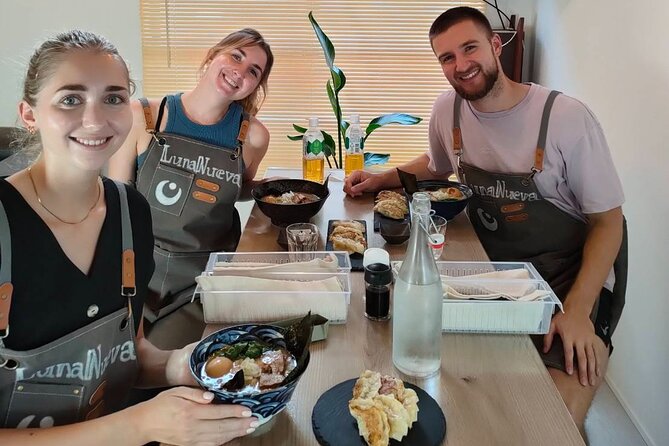
The class runs about 2 hours, and the structure is built around real ramen craft: ingredients first, then technique, then assembly. Plan to spend the whole session active, because you’re not just watching the chef work.
Here’s what the experience typically feels like as you move through it:
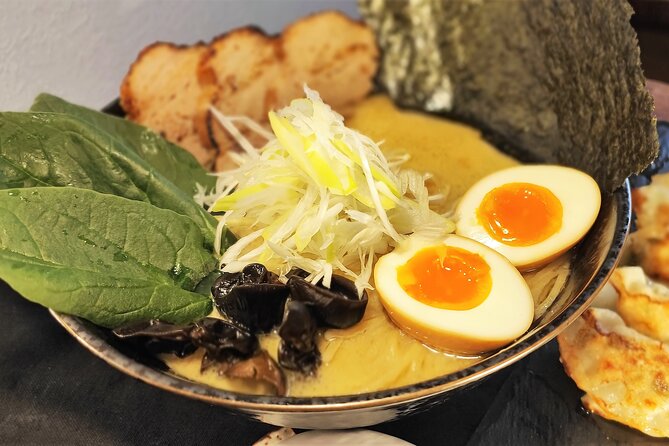
You begin with a ramen foundation: learning about local ingredients and how Japanese cuisine builds flavor. Then you get into the fun stuff—making seasoned eggs and working with toppings. People mention the class includes colorful, visually satisfying add-ons, which matters because ramen at home tastes better when you assemble it on purpose.
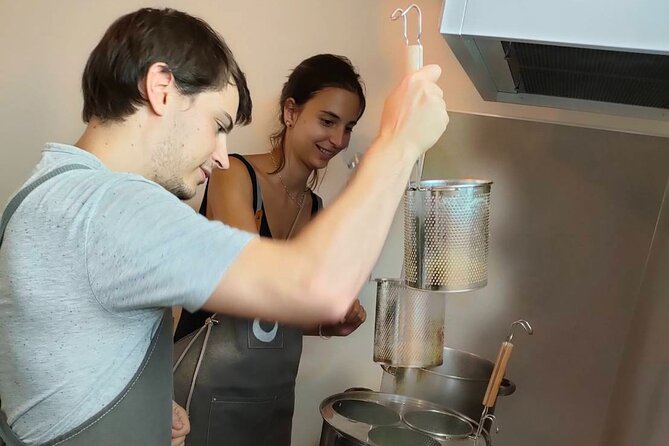
Next comes the hands-on part: gyoza folding. This is one of those skills that looks simple until someone shows you the exact rhythm. In a small group, you can get corrected in real time, and you’ll usually end up folding dumplings you’d actually be proud to serve.
Then you move into the ramen process itself. You’ll learn about the broth process and how it takes time and attention, not shortcuts. Many classes focus on “how to pour sauce and call it ramen.” Here, the focus is on how the soup becomes flavorful.
Finally, you get the payoff: you plate your ramen—noodles, soup, and toppings put together into a bowl that feels like the end of a real meal. People love this because it’s not just eating. It’s a moment where you can see your results.
Chef Yoshi and Amo: what small-group teaching really buys you
This is a max-12 experience, and the teaching reflects that limit. You’re more likely to get direct attention, and the instructors can actually notice what you’re doing wrong (and fix it fast).
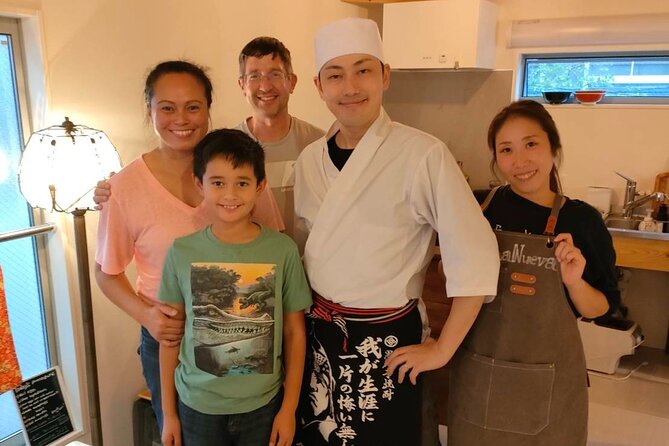
Hosts you’ll likely meet include Yoshi and Amo. Some class days also involve Oma helping with the first welcome at the station. It’s a small team dynamic, which helps the class feel like you’ve been invited, not herded.
What stands out in the instruction style is pacing. The explanations are step-by-step, and people highlight that the hosts stay patient, especially when families join with kids. One reviewer even described getting tips plus suggestions for other Tokyo spots, which tells me the hosts aren’t treating this like a script—they’re sharing from real daily experience.
You also get plenty of chances to talk. Several people mention the class is social in a relaxed way, and that you can customize your bowl—helpful if you’re picky, prefer less intense flavors, or just want ramen the way you eat it at home.
Ramen technique: building broth flavor and making it taste right
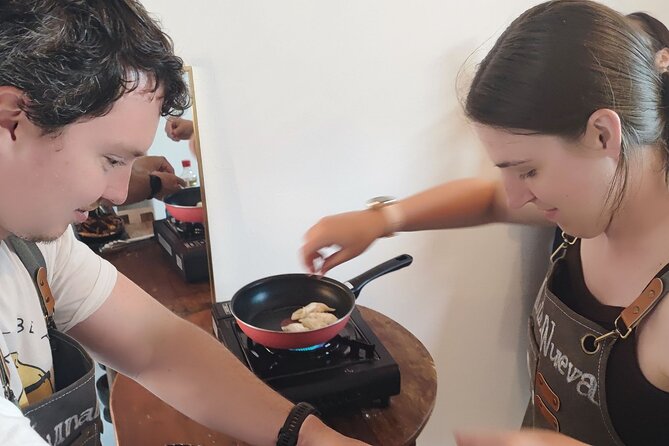
Ramen can be intimidating until you learn what to focus on. This class doesn’t try to turn you into a ramen shop overnight. It teaches you the key steps that control flavor.
The broth process is the heart of it. Reviewers talk about the broth being deeply flavorful, and that detail matters because “good ramen” isn’t only the noodles or toppings. People emphasize how time-consuming broth work is, and you get an education on why that matters.
You’ll also learn how seasoning and structure work together—how eggs, toppings, and noodles all play a role in overall taste. One reason this class scores so high is that it gives you a mental model for ramen, not just a recipe list. When you understand why something tastes balanced, you can tweak it at home without ruining the whole bowl.
Gyoza in real life: folding dumplings without guesswork
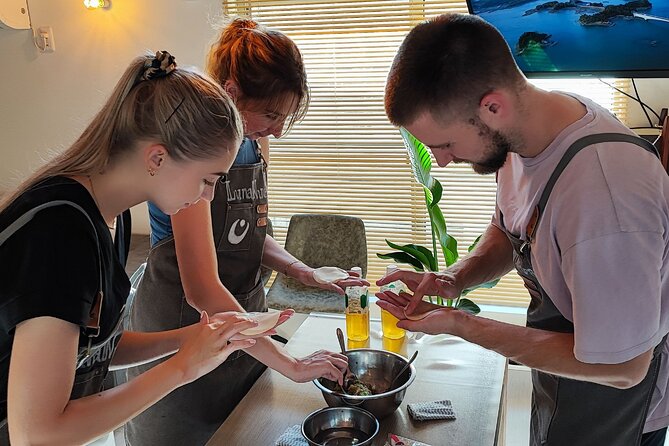
Gyoza can go wrong in small ways. Too thick, too uneven, wrong fold, or sealed poorly. In a class like this, you get correction at the moment it matters.
People highlight that the class is detailed and practical, and that you learn to fold dumplings like a local. Since it’s hands-on, you won’t just leave with a vague memory of dumplings. You’ll leave with technique you can repeat later.
If you love dumplings, this is also a bonus: gyoza skills transfer to other fillings and dumpling formats. Even if you don’t make gyoza again immediately, you’ll understand how to assemble them properly, which is where a lot of “homemade failure” happens.
You can also read our reviews of more cooking classes in Tokyo



What about vegan or dietary needs?
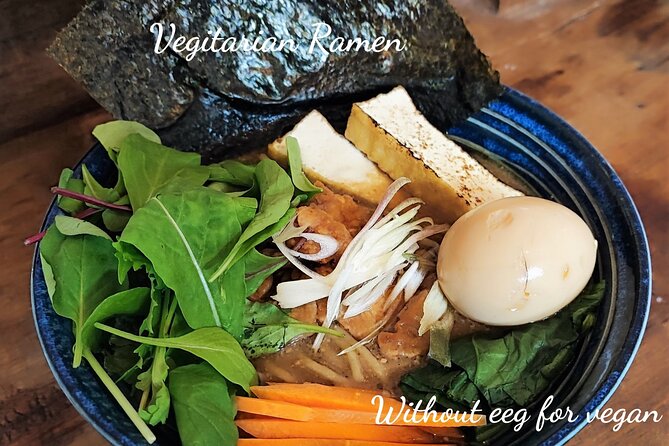
The class clearly supports vegetarian and no fish/seafood needs when requested. People specifically mention vegetarian options prepared for family members, plus explanations in English and patience when handling restrictions.
What I can’t promise from the provided info is that they can do strict vegan with zero animal-derived ingredients in every case. If you’re vegan, I’d treat this as a “yes if arranged” situation. Send your dietary needs clearly during booking so the hosts can prepare options that match your requirements.
One practical tip: even within vegetarian choices, ask what’s inside the eggs (if eggs are included) and whether the broth uses any fish-based components. That simple question helps you avoid surprises while you’re assembling your bowl.
The meal experience: you eat, you plate, you leave full
This is not a tiny snack class. People repeatedly say there’s a lot of food, and that you should come hungry. The meal is the point: you work to make ramen and gyoza, then you eat what you create.
The best part is the final plating. Reviewers mention the artful bowl finish, and it’s more than presentation. When you plate your noodles, soup, and toppings together, you learn how the pieces should interact. At home, that’s the difference between “I made ramen” and “I made ramen that actually works.”
Also, don’t underestimate the satisfaction of making noodles. Even if you’re not a confident cook, having your hands on the process makes you more likely to remember what to do next time.
Price and value: what $102.41 buys you in Tokyo
At $102.41 per person for about two hours, you’re paying for three things that are hard to replicate on your own:
First, you’re paying for ingredients and instruction. The class includes what you need to cook, so you’re not guessing ingredient amounts at home.
Second, you’re paying for time-efficient coaching. Brother-sister problem: ramen takes practice. Here you get feedback during the process, when adjustments are easiest.
Third, you’re paying for the value of eating your work. You get a real meal at the end, not just a tasting or a takeaway cookie box.
In plain terms: if you want a one-time “Tokyo cooking class” that actually teaches technique and ends with dinner you’ll remember, the price can feel reasonable. If you’re only looking for a light food experience, this might be more commitment than you need.
Getting there without stress: transit and timing tips
The meeting point is near public transportation at Ekoda Station, and many people found it easy to navigate. In at least some cases, someone meets you at the station (Oma is named), which reduces confusion if you’re new to the area.
Still, plan timing like a local: arrive a few minutes early and don’t treat the train system as instant. If it’s your first time using those lines, give yourself a buffer so you can focus on the start instead of sprinting.
Once you’re at the home location, expect a cozy, clean setup—people describe the apartment as spotless and comfortable. That kind of environment helps when you’re learning to cook with your hands for two hours.
Who should book this ramen and dumpling class
This class is a great match for:
- Food lovers who want hands-on technique, not a lecture
- Families with kids (teens and younger kids have both been mentioned positively)
- People who want a break from central Tokyo and prefer a residential neighborhood experience
- Anyone who likes ramen but wants a realistic path to recreate it at home
It might not be the best fit if you want a super fast, no-cooking experience, or if you’re sensitive to cooking smells. Most of the class is active cooking, so you’ll be in it, not watching it from the sidelines.
Should you book it?
Yes, I’d book it if your goal is a memorable, practical ramen-and-gyoza experience in Tokyo—small group, real instruction, and a full meal at the end. The big selling points are the step-by-step teaching from Yoshi and Amo and the chance to leave with technique you can repeat, not just a good dinner.
I’d also ask about your dietary needs early if you’re vegan. Vegetarian and no fish/seafood options are supported, but strict vegan details should be confirmed during booking.
If you want to learn how ramen is built—broth, toppings, eggs, noodles, and final assembly—this class is one of the most direct ways to do it.
FAQ
Where does the class meet?
The class starts at Ekoda Station (1 Chome-78 Asahigaoka, Nerima City, Tokyo 176-0005, Japan).
How long is the cooking class?
It runs for about 2 hours.
How big is the group?
The class has a maximum of 12 travelers, and it’s described as a small-group experience.
Do they offer vegetarian options?
Yes. The hosts have prepared vegetarian options for guests, including setups described as no fish/seafood in at least one case.
Is the class in a residential area?
Yes. The meeting point is in a local part of Tokyo, and the cooking happens in the hosts’ home setting.
What will I make during the class?
You’ll make ramen and gyoza, including items like seasoned eggs, toppings, and learning the broth process and noodle work.
Is there food to eat at the end?
Yes. The experience ends with you plating and eating your own ramen bowl, plus gyoza.
How do I get the ticket?
You get a mobile ticket.
What’s the cancellation policy?
You can cancel for a full refund up to 24 hours before the experience starts. If you cancel less than 24 hours before, the amount paid is not refunded.