Shimbashi hits different right after work. This 3-hour walking food tour takes you through Shimbashi streets where office workers loosen up, with a local English-speaking guide and multiple stops built around real dining habits. You get a mobile ticket, and the whole pace is designed for an after-work crawl that still feels organized.
Two things I really like: you taste a spread of classic drinking-food (things like yakitori, gyoza, and sashimi) rather than just one snack, and you get guided access to smaller spots that most visitors skip. One possible drawback: at $217 per person, it’s not a casual budget walk, and it may be harder to fit your needs if you avoid gluten or animal-free food.
You’ll also want to plan for walking in the evening and check the weather. The tour is adult-only (20+), and it requires good weather, so rain can change the plan.
In This Review
- Quick take: what makes this Shimbashi evening work
- Shimbashi at 4:30 pm: the after-work rhythm you’re paying for
- Your 3-hour loop: from SL Square through Shimbashi-area landmarks
- Food stops: what you’re likely to taste and why it’s a smart mix
- Drinks included: how the tour fits the izakaya tempo
- Guide-led basics: customs, ordering, and eating like you belong
- Price and value: is $217 really fair for a 3-hour Shimbashi crawl?
- Who this tour fits best in real life
- Practical logistics that matter more than you think
- Should you book this Shimbashi salaryman food walk?
- FAQ
- What time does the Shimbashi walking food tour start?
- How long is the tour?
- Where do we meet and where does the tour end?
- How many food and drink stops are included?
- Is the ticket mobile?
- Is there a limit on group size?
- What dietary options are supported?
- Is the tour only for adults?
- Is there an option to keep partying after the tour?
- What happens if weather is bad?
Quick take: what makes this Shimbashi evening work
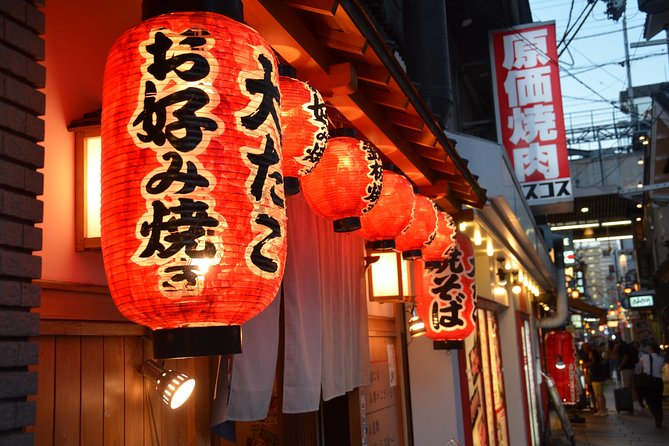
- A salaryman-timed route: It’s set for the quit-time eating and drinking mood, not lunch-hour sightseeing.
- 5 food stops plus 2 drinks: The structure matters; you’re not wandering and hoping you find something good.
- Small group size (max 10): Better chances to ask questions and keep your place in line at busy counters.
- Real izakaya style: You’re eating casual dishes built for sharing and snacking with beer.
- Diet reality check: Vegetarian and pescatarian can work, but it’s not recommended for vegans and gluten-free.
- A night-cap option exists: Karaoke after party is available if you want to keep the momentum going.
Shimbashi at 4:30 pm: the after-work rhythm you’re paying for
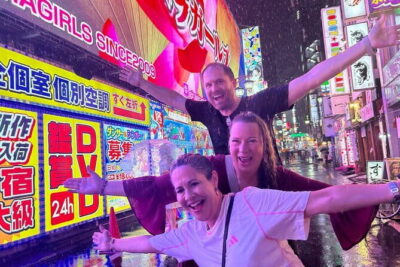
This tour is timed for Tokyo’s shift-change energy. You start at 4:30 pm, meeting at SL Square at the west entrance of Shimbashi Station. That timing isn’t random. It’s when the neighborhood transitions from commuting into eating, drinking, and social talk.
What you’re really buying is the flow: the guide keeps you moving, introduces you to the right kinds of places, and helps you fit into the rhythm of small counter restaurants and casual bars. In Tokyo, that rhythm can be the difference between feeling like an outsider and feeling like you belong for a couple hours.
I also like that the tour is designed to be more than just eating. The route includes several notable landmarks as you head from the station area toward spots around Shiodome and back through Shimbashi, so you get context for where you are, not just plate after plate.
You can also read our reviews of more walking tours in Tokyo


Your 3-hour loop: from SL Square through Shimbashi-area landmarks
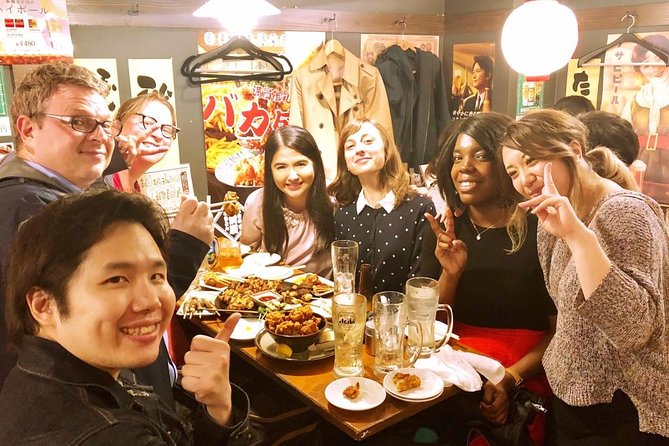
The schedule has two phases that fit together like a good meal: a short meet-and-walk phase, then a more focused food-and-drink phase.
You begin at SL Square (Shimbashi Station West Entrance Square). The meeting point is very specific, which helps. From there, the tour follows a walking route that includes:
- Karasumori Jinja
- New Shinbashi Building
- Advertising Museum Tokyo
- The Old Shimbashi Station Railway History Exhibition Hall
- Hamarikyu Gardens
- and then back into the Shimbashi dining zone
Then the itinerary shifts into the core portion: a 3-hour Shimbashi food walk with 5 food stops. One more listed stop along the walk is Panasonic Shiodome Museum.
Here’s why that matters: you get a sense of Shimbashi as a layered neighborhood. It’s office-worker Tokyo, but it’s also a place where older station-area touches and modern signage live side by side. Even if you’re mainly there for food, that bit of orientation makes it easier to understand what you’re seeing as you eat.
Practical note: this is an evening walk. Comfortable shoes are a must, and you’ll want a moderate fitness level since it’s still a walking tour.
Food stops: what you’re likely to taste and why it’s a smart mix
This isn’t a tour that tries to make you eat 12 separate bites and hope something sticks. It builds a compact menu that matches how people actually snack and drink in Japan.
Across the tour, the foods highlighted include:
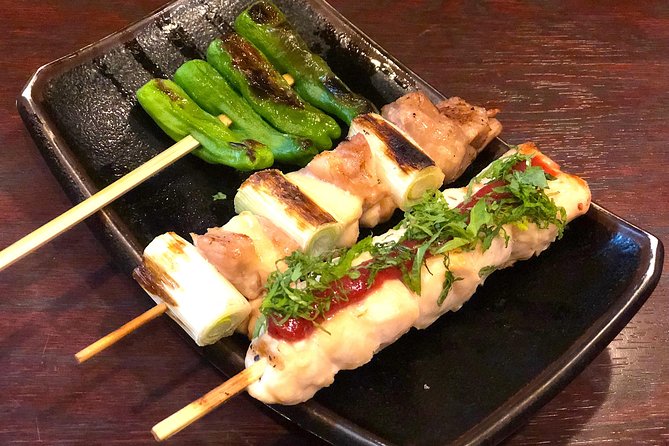
- yakitori (grilled skewers)
- gyoza (dumplings)
- sashimi
- okonomiyaki (Japanese-style savory pancake)
- gyoza nabe (dumpling hot pot)
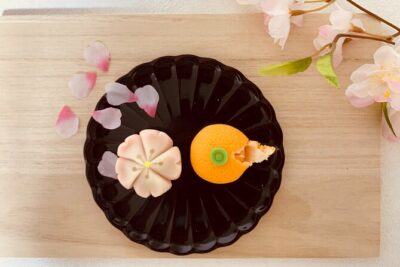
- taiyaki (fish-shaped dessert)
- plus at least some surprises that are more about local comfort than tourist showpieces
One of the big payoffs is that the menu isn’t only meat skewers. You’re mixing grilled, fried/griddled, dumplings, seafood, and a dessert finish. That variety is useful because it shows you the logic of izakaya dining: you order a couple things, share, snack, and keep moving through flavors as the drink level rises.
Another reason this mix works: it’s easier to judge the neighborhood after you’ve tasted different categories. You start recognizing what goes with beer and what’s meant to be eaten in small, social portions.
Also, keep your expectations realistic. The tour includes seasonal and local dishes at the stops, and the exact offerings can change if restaurants have schedules or if conditions shift. You’ll still get the same overall structure: multiple stops, multiple tastings.
Drinks included: how the tour fits the izakaya tempo
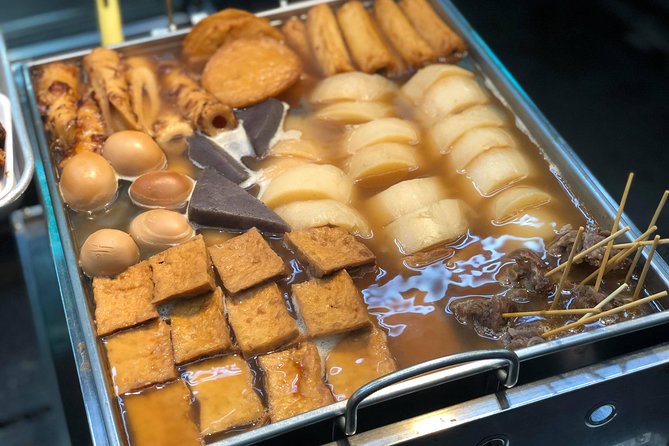
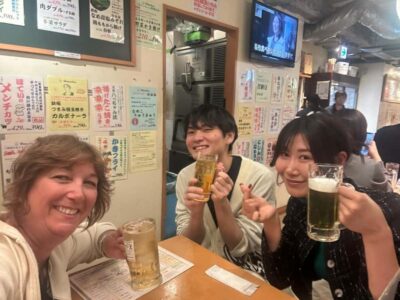
You get two drinks included. That’s not just a perk; it’s part of how izakayas function. People don’t just drink water between snacks. They drink, order the next plate, then settle into conversation.
With this kind of setup, the tour tends to feel like a guided version of what locals do after work. You’ll be able to sample drinking-food without having to do the planning or hunting yourself. The guide also helps smooth out the flow between places, which matters in Tokyo where tiny restaurants can be crowded and orders move fast.
One more detail that can shape your experience: karaoke after party is available. If your group vibe matches that, it can turn the tour into a longer night of socializing. If you’d rather go home early, it’s an optional add-on you can treat as a choose-your-own-adventure.
Guide-led basics: customs, ordering, and eating like you belong
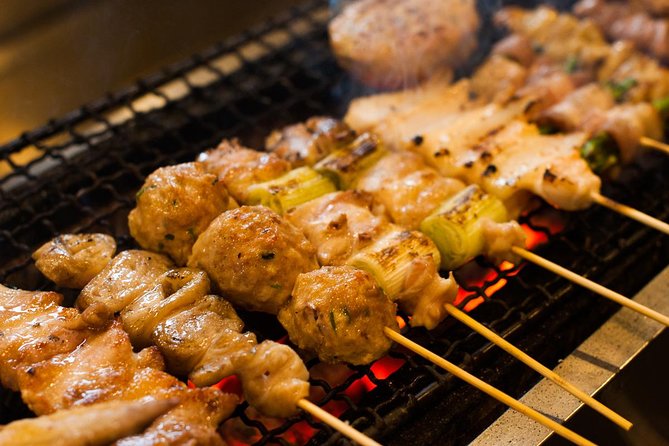
This tour runs with a local English-speaking guide, and the tone is meant to keep you comfortable. You’re not expected to read the room perfectly on your first try in a small izakaya.
A helpful part of the experience is that the guide explains customs and manners around eating and drinking in Japan. That reduces the awkward pauses that can happen when you’re unsure where to sit, how to order, or how to handle the pace at a counter.
In terms of guide energy, this tour has had lively guide teams in past departures, including names like Asami (with assistant Lora) and Anne. Even if your exact guide differs, the standard expectation is an English-speaking host who keeps things moving and makes the social side of the evening easier.






Price and value: is $217 really fair for a 3-hour Shimbashi crawl?
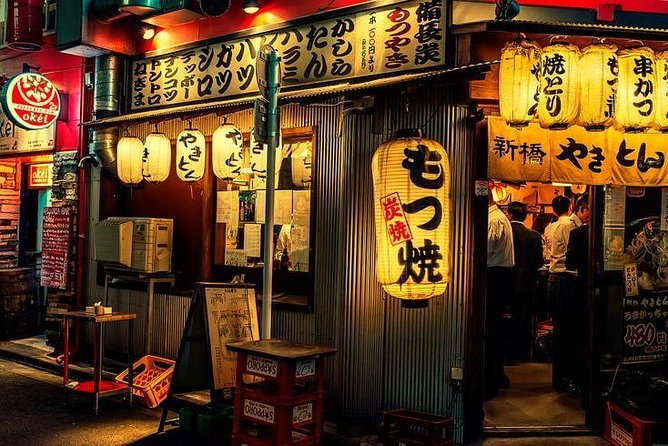
Let’s talk money plainly. $217 per person is a premium price for a 3-hour walk. But it’s not just “free time plus snacks.” The price is tied to:
- 5 food stops
- 2 drinks included
- a local guide
- and access to smaller, more local-style places rather than big, obvious chains
In central Tokyo, even one good izakaya set of dishes and a drink can add up fast. This tour gives you a structured way to sample multiple dishes and multiple venues without figuring out which alley is worth your time.
Is it still expensive? Yes. So I’d treat it like this: if you want to taste broadly (not just one meal) and you like guided social experiences, the cost starts to make sense. If you’re the type who hates scheduled pacing or you only want one or two foods, you might be paying for organization you don’t need.
Two extra value signals: the group is capped at 10 travelers, which usually helps keep the evening from turning into a slow-moving conga line. And it’s booked about 46 days in advance on average, which suggests demand stays steady.
Who this tour fits best in real life
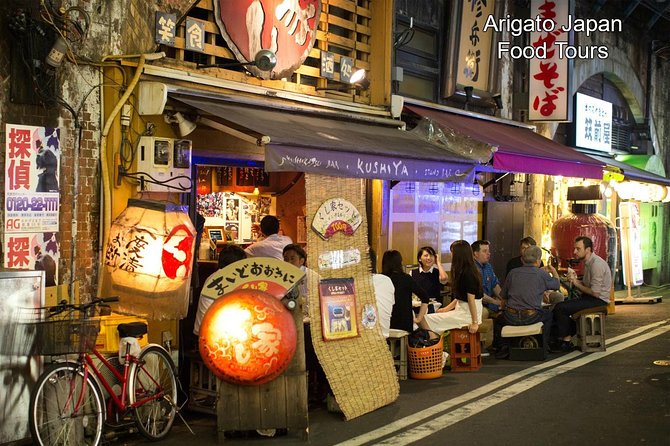
This one suits specific travel styles.
You’ll likely love it if:
- you want to eat in izakaya-style settings rather than tourist restaurants
- you like social, after-work atmosphere and don’t mind hearing other languages but staying in the local vibe
- you enjoy trying multiple categories of food (skewers, dumplings, seafood, dessert)
You might want to skip or rethink it if:
- you need a strictly vegan menu or gluten-free options (it’s not recommended for either)
- you’re sensitive to the idea of raw or lightly handled items, since sashimi is listed among the tastings and raw chicken has been highlighted as part of the appeal
Also, it’s adults only (20+), so it’s built for an evening that feels like drinking-age Tokyo.
Diet notes (based on the info you get ahead of time): it’s vegetarian and pescatarian friendly, but not designed around vegan or gluten-free requirements.
Practical logistics that matter more than you think
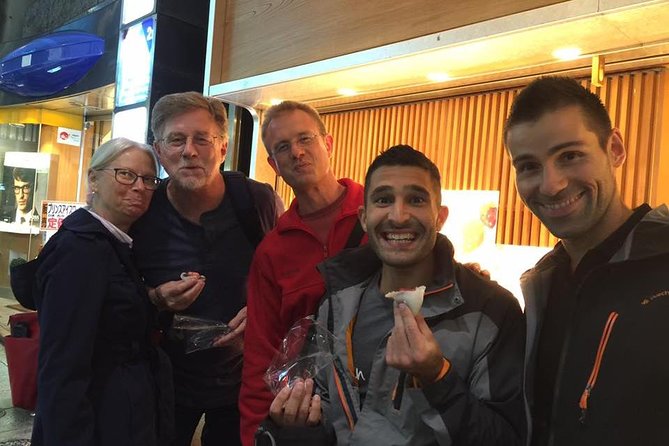
This is a mobile ticket experience, and the meeting and ending points are close to major transit—useful when you’re trying to fit it around dinner plans elsewhere.
The end point is Shimbashi Station (JR), which is convenient if you want to continue your night by train rather than relying on taxis. The route does require moderate physical fitness, and since it needs good weather, you’ll want a flexible mindset.
Finally, the tour is designed for a small group of up to 10, which can change how crowded each stop feels. If you’re someone who dislikes bottlenecks, a smaller number here is a big plus.
Should you book this Shimbashi salaryman food walk?
Book it if you want a guided, focused way to experience Tokyo’s post-work eating culture without guessing where to go. If your goal is to taste multiple Japanese drinking foods across 5 stops with 2 included drinks, in a small group, the structure is exactly what you need.
Skip it (or at least consider alternatives) if your eating needs are strict—especially gluten-free or vegan—or if $217 feels too high for your comfort with a scheduled evening. Also think twice if you dislike the idea of eating in small, busy spots where the flow is quick and the experience is meant to feel local, not slow.
If you’re flexible, hungry, and open to an after-work vibe, this is the kind of tour that helps you understand a neighborhood in a couple hours. Not by staring at it. By tasting it.
FAQ
What time does the Shimbashi walking food tour start?
The tour starts at 4:30 pm.
How long is the tour?
It’s about 3 hours.
Where do we meet and where does the tour end?
You meet at SL Square (Shimbashi Station West Entrance Square). The tour ends at Shimbashi Station (JR Shimbashi Station).
How many food and drink stops are included?
The tour includes 5 food stops and 2 drinks included.
Is the ticket mobile?
Yes, it’s a mobile ticket.
Is there a limit on group size?
Yes. The maximum group size is 10 travelers.
What dietary options are supported?
The tour is listed as vegetarian and pescatarian friendly, but it’s not recommended for vegans and gluten-free travelers.
Is the tour only for adults?
Yes. It’s adults only, 20 years old and above.
Is there an option to keep partying after the tour?
Karaoke after party is available.
What happens if weather is bad?
The tour requires good weather. If it’s canceled due to poor weather, you’ll be offered a different date or a full refund.