Shibuya feels different on two wheels. I love how this small-group bike tour covers major landmarks and less-frequented backstreets without you wrestling with directions. I also really like the local payoff: you get practical recommendations to use after the ride, not just photos at famous spots.
The main drawback is simple: this is a pedal bike tour with real city riding. You’ll need to feel comfortable handling traffic lights, moving through tight spaces, and maintaining a steady pace on non-electric wheels.
In This Review
- Key things to know before you go
- Why riding Shibuya by bike beats walking (even with all that chaos)
- Umayamichi Park start: an easy meeting point near Shinjuku and Yoyogi
- The cycling reality check: pace, pavement skills, and bike fit
- Stop-by-stop: the Shibuya highlights plus the streets locals use
- Stop 1: Yoyogi Park
- Stop 2: Shibuya Crossing
- Stop 3: Hachiko
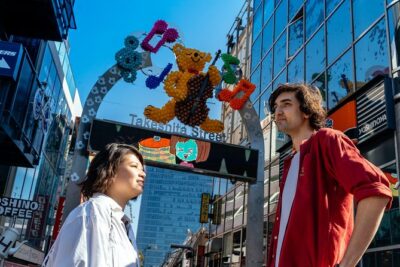
- Stop 4: Shibuya Cat Street
- Stop 5: Aoyama Street
- Stop 6: Aoyama Cemetery
- Stop 7: Japan National Stadium
- Harajuku and Aoyama: how you get variety without using public transport
- Your guide and the local tips that stick
- Safety without drama: why the route feels manageable
- Price and value: $64.73 for 3 hours of neighborhoods
- Who should book this Shibuya & Hidden Tokyo bike tour
- Should you book this Tokyo bike tour?
- FAQ
- How long is the Tokyo Bike Tour: Shibuya & Hidden Tokyo?
- Where does the tour start and end?
- What is the price per person?
- How big is the group?
- What level of cycling do I need?
- What are the height and weight limits?
- What happens if the weather is rainy?
Key things to know before you go
- Small group (max 6) keeps the ride relaxed and easier for questions and regrouping
- Your guide leads the way so you avoid navigation headaches in busy Shibuya
- About 15 km/h pace is steady and expects confidence in city cycling
- Non-electric bikes mean you get the fun of biking, plus some manageable hills
- Stops mix icons + local streets, including Yoyogi Park and Aoyama areas
- Guide-led local tips help you plan what to do next in Tokyo
Why riding Shibuya by bike beats walking (even with all that chaos)
Tokyo can look like a no-go on two wheels from the sidewalk. Fast trains, thick crowds, constant motion, and junction after junction can make you think you need nerves of steel. Then you get on the bike and realize Shibuya is actually bicycle-friendly when someone experienced is steering the route.
This tour focuses on what you can do only by bike: you cover more ground than walking, but you still move at street level. That matters in Tokyo because the details are the story—shopfronts, side alleys, residential blocks you would never stumble into between stations, and the tiny rhythm of daily life.
I also like the way the route is built for first-time visitors. You hit the recognizable highlights like Shibuya Crossing and the Hachiko area, but you don’t just rush through them like a checklist. The ride threads through Harajuku and Aoyama too, which gives you a broader feel for the city than staying trapped in one neighborhood.
You can also read our reviews of more cycling tours in Tokyo
Umayamichi Park start: an easy meeting point near Shinjuku and Yoyogi
You meet at Umayamichi Park (5-chōme-24-11 Sendagaya, Shibuya, Tokyo 151-0051). It’s a smart starting setup because you’re close to multiple transit options.
From the tour info: it’s about a 10-minute walk from Shinjuku Station and around a 1-minute walk from Yoyogi Station. That flexibility is real value if your hotel is near either side of the area. It also means you’re less likely to feel flustered before you even start biking.
For a bike tour, I consider the meeting point a hidden make-or-break factor. If the location is awkward, you lose energy trying to find it. Here, the transit proximity helps you show up calm, not sprinting.
The cycling reality check: pace, pavement skills, and bike fit
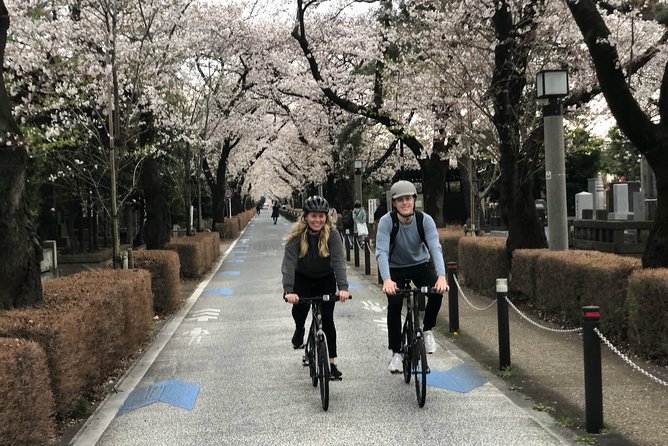
This tour is short—about 3 hours—but it’s not a leisurely “stroll on bicycles” experience. The pace is set at approximately 15 kilometers per hour, and the tour expects you to ride at that speed confidently.
There’s also a clear skill expectation. You should be comfortable cycling on pavement, managing cross traffic lights confidently, and riding through crowded or tight spaces. The instruction isn’t just to be brave—it’s to keep the group safe and moving smoothly.
Bike and body fit matters too. The bicycles are suitable for heights between 155 cm and 195 cm, and there’s a weight limit of 120 kilograms. Plan your participation around that. If you’re on the edge of the height range, you’ll want to make sure the bike fit works for you on the first minute, not the last.
Finally, you’ll be on a pedal (non-electric) bike. Some riders mention mild gradual uphills rather than steep climbs, and the overall riding effort is manageable for casual cyclists—but you still need to pedal. If you can handle city biking at a steady rhythm, you’ll likely enjoy this much more than if you’re expecting an assisted ride.
Stop-by-stop: the Shibuya highlights plus the streets locals use
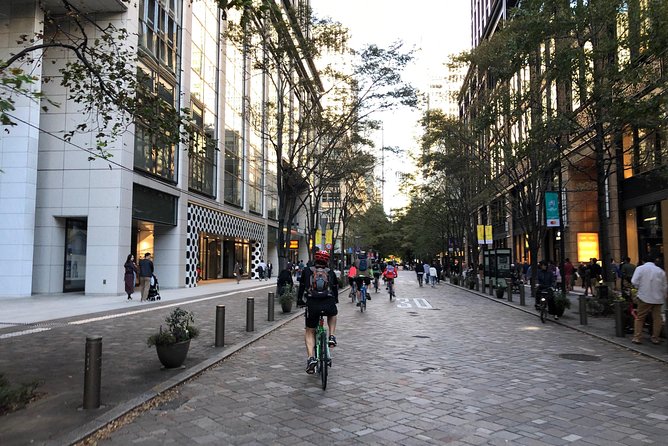
The tour is built around a loop that mixes signature sights with lesser-known lanes. You move in both directions through the Shibuya orbit, and each stop adds a different layer to how the area works.
Stop 1: Yoyogi Park
Yoyogi Park is a great early warm-up stop. It shifts you from the hurry of major streets to a more open, breathing-space vibe before you hit dense intersections.
What I like about starting here is pacing. It’s easier to settle into the rhythm of cycling before the tour drops you into high-visibility areas. If you’re the type who gets tense at complex crossings, this kind of setup helps you ramp up instead of snapping into chaos.






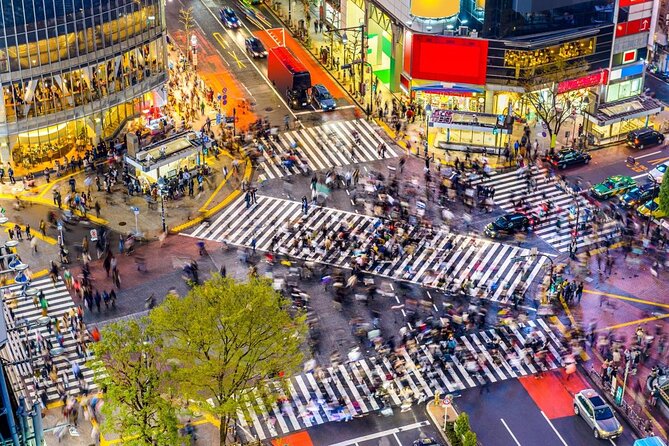
Stop 2: Shibuya Crossing
This is the big one. You get a close look at Shibuya Crossing, but the bike format changes how you experience it. Instead of being stuck behind crowds for every view, you can actually move through the surrounding area while your guide manages the route and safe positioning.
It’s also the kind of stop where photos make sense. Some riders mention getting photos at the crossing, which is a nice bonus if you don’t want to play tripod hero in a moving crush of people.
Stop 3: Hachiko
Hachiko is one of those Tokyo landmarks people recognize immediately, and for good reason. It’s a meeting point symbol, a culture marker, and it helps anchor the tour in the Shibuya identity beyond the traffic choreography.
With a guide leading the way, you can spend your time observing instead of figuring out which exit to use or how to rejoin the group after the crowd thickens.
Stop 4: Shibuya Cat Street
Cat Street is where Shibuya shifts from major landmark energy to fashion and street culture. This stop is especially valuable if you want more than a single famous intersection.
Biking here has a practical advantage: you see the street flow as you ride through it. On foot, you often end up stopping, squeezing, and then doubling back. From the bike, you keep momentum and get a clearer sense of how the area connects.
Stop 5: Aoyama Street
Aoyama Street adds contrast. You start to see another side of the Tokyo scene—more stylish, more polished in feel, with different energy than Cat Street and the Shibuya core.
This is the point in the tour where you understand the theme: Shibuya is not one mood. It’s a collage, and the bike route lets you experience multiple moods in a short window.
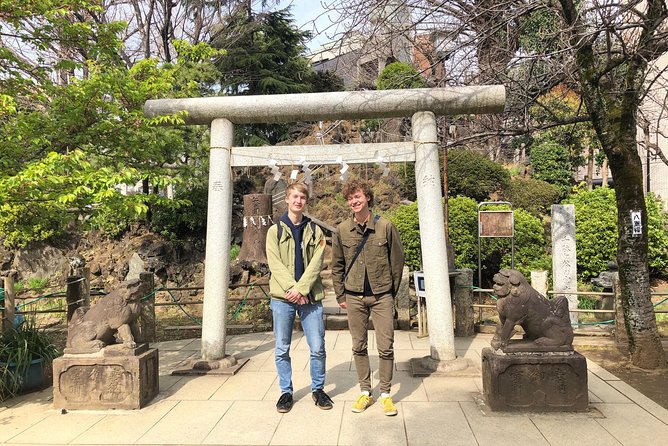
Stop 6: Aoyama Cemetery
Aoyama Cemetery is an unexpected stop in a list that starts with Shibuya Crossing. That contrast is exactly why it works. It’s quieter, more reflective, and it breaks up the sensory load of the city.
You should expect the ride to feel different here—not just the scenery, but the tempo. Even if you’re not deeply into cemetery visits, the stop adds balance to the tour and gives you a moment to reset.
Stop 7: Japan National Stadium
The final major landmark is Japan National Stadium. It’s a big, public-facing site, and it helps wrap up your ride with a sense of scale.
After a route that mixes icons, streets, parks, and quieter corners, this kind of ending makes sense. You finish with a clear sense of where you ended up, and it’s easy to connect the experience to later plans in the wider area.
Harajuku and Aoyama: how you get variety without using public transport
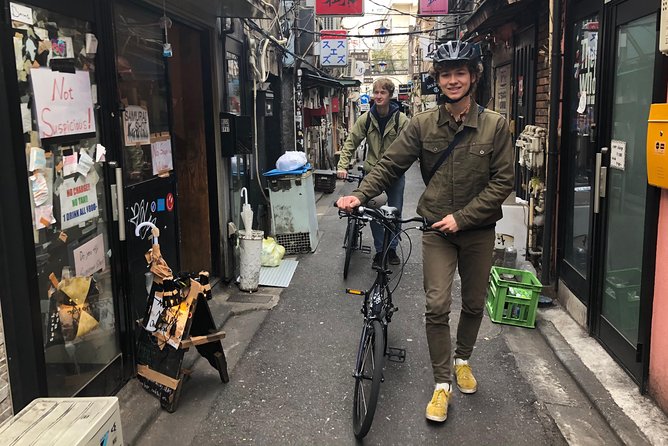
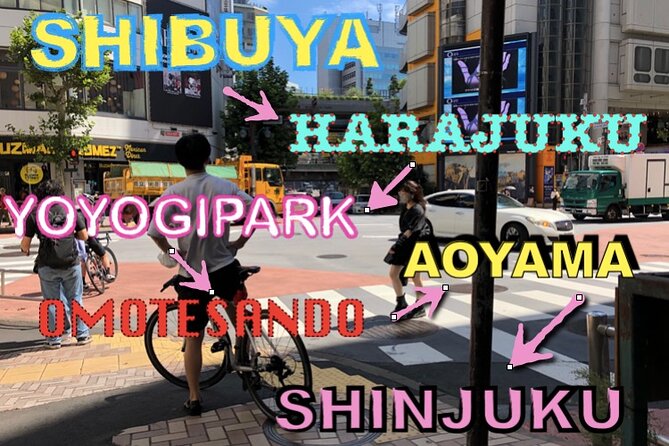
The tour doesn’t just hop from one postcard to the next. It cycles through Shibuya, Harajuku, Aoyama, and Gaien (as described in the tour overview). That matters because those areas connect differently by bike than by train.
Trains are fast, but they make neighborhoods feel like separate islands. Bikes blur those boundaries. You start to understand how one district transitions into another, and you’ll likely recognize streets later when you walk or take transit.
The guide also helps you avoid one of the biggest friction points in Tokyo: having to choose which trains to take and then backtracking when you miss a turn. The route is designed so you can cover the highlights and hidden backstreets without constantly jumping in and out of stations.
Your guide and the local tips that stick
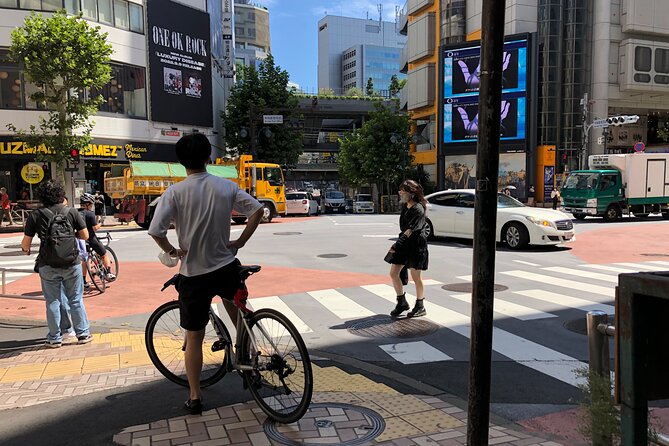
The tour is led by an experienced guide based in Shibuya, and the guide is also described as an avid cyclist. Many riders specifically name Taichi, and the recurring theme is how the guide explains what you’re seeing in a clear, down-to-earth way.
What I value most isn’t just landmark commentary. It’s the practical side: guidance about local riding courtesy, how to handle tricky spots, and recommendations that help you plan the next day or two.
Several reviews mention extra help like simple Japanese phrases, and at least one rider mentions chatting over coffee along the way. Those little moments can turn a photo-heavy tour into something more useful—because you leave with context, not just images.
And there’s also flexibility built in. When the group is very small, the tour can be tailored to your specific location around Shibuya Crossing. That’s a big deal. If you’re staying far from the main sights, tailoring can reduce wasted time and help you see exactly what you can’t easily reach on your own.
Safety without drama: why the route feels manageable
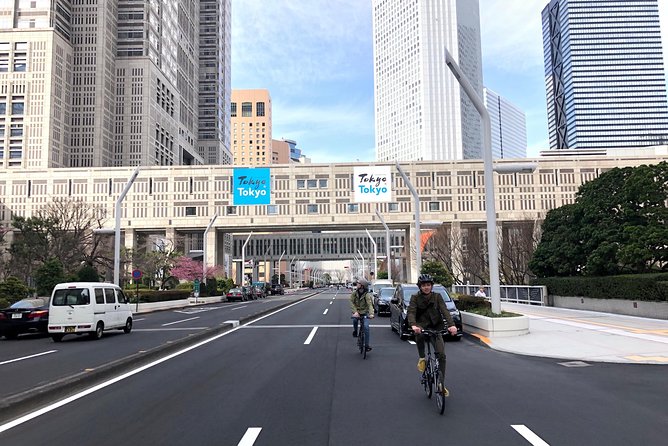
Cycling through Tokyo traffic can sound stressful. The truth is: it feels safer when you’re not improvising.
This tour has a few safety anchors:
- You must follow Japanese traffic rules and the guide’s instructions.
- The route is led by someone who knows the best small streets for riding.
- The pace is controlled, and the group stays together.
The reviews strongly emphasize feeling safe on Tokyo roads and staying comfortable through busy areas. That kind of comfort usually comes from route choice and from clear guidance at decision points—especially at crossings, lane merges, and tight turns.
Also, the tour format is small: a maximum of 6 travelers. That helps because you can regroup quickly if traffic changes. In a city like Tokyo, that reduces stress in the moments that matter.
Price and value: $64.73 for 3 hours of neighborhoods
At $64.73 per person for about 3 hours, this isn’t a “cheap and cheerful” activity. But it can still be good value if you think about what you’re buying.
You’re paying for:
- A guided route through areas that can be hard to connect efficiently without losing time
- The ability to cover roughly 9–10 miles (as riders describe) in a single afternoon
- Local explanations plus practical tips you can use after the tour
- A group size that stays small enough for real attention
If you’re short on time and want more than a single neighborhood loop, biking can be an efficient use of a sightseeing block. You also get a mobile ticket, which cuts down on the usual stress of handling paper confirmations.
The best value comes when you’re staying in the Shibuya/Harajuku/Aoyama orbit and you want your sightseeing map drawn for you. If your hotel is in that wider zone, the time you save is real.
Who should book this Shibuya & Hidden Tokyo bike tour
This is a strong fit if:
- You want to see Shibuya Crossing, Hachiko, Cat Street, and nearby areas without spending all day on trains
- You feel comfortable biking on pavement and handling traffic lights
- You like local street-level details—parks, residential-feeling lanes, and neighborhood flow
- You want a guide who helps you with practical tips, not just narration at landmarks
It’s not ideal if:
- You’re a brand-new cyclist or you don’t feel steady in tight or crowded spaces
- You expect an electric-assist ride or a very easy, no-pedaling experience
- You’re outside the height (155–195 cm) or weight (max 120 kg) guidelines
Should you book this Tokyo bike tour?
If you’re trying to understand Tokyo beyond the big photos, this tour is worth your time. The combination of major Shibuya anchors plus quieter streets and a park break gives you variety without a long itinerary.
I’d book it early in your trip if you want the tips to shape the rest of your Tokyo days. And if you already know you can ride a bicycle confidently at a steady pace, you’ll probably find the 3 hours fly by.
If you’re unsure about your cycling comfort, don’t guess—read the ride skill expectations closely first. When you meet them, this tour turns Shibuya from overwhelming to readable.
FAQ
How long is the Tokyo Bike Tour: Shibuya & Hidden Tokyo?
The tour runs for about 3 hours.
Where does the tour start and end?
It starts at Umayamichi Park (5-chōme-24-11 Sendagaya, Shibuya, Tokyo) and ends back at the meeting point.
What is the price per person?
The price is $64.73 per person.
How big is the group?
The maximum group size is 6 travelers.
What level of cycling do I need?
You should be proficient in cycling on pavements, through cross traffic lights confidently, and through crowded or tight spaces. You also need to ride at about 15 kilometers per hour.
What are the height and weight limits?
Bikes fit heights between 155 cm and 195 cm, and participants must weigh no more than 120 kilograms.
What happens if the weather is rainy?
The tour proceeds in light rain, but it may be canceled due to sudden weather changes.