REVIEW · TOKYO
Private Tour Guide in English or Spanish (Español)
Book on Viator →Operated by Tokyo Footsteps Tours · Bookable on Viator
Tokyo, decoded in a few hours. This private tour in Tokyo is built for getting your bearings fast, with hotel pickup and an English- or Spanish-speaking guide who can tailor stops to your pace. I like how it mixes iconic sights like Asakusa and Shibuya Crossing with practical city navigation, and I also like that the big ticket items you visit first (temples and shrines) are free to enter. The main trade-off is simple: it’s a tight schedule, and entrance fees, public transport costs, and food are on you.
You also avoid the classic Tokyo headache: no need to hunt down a meeting point. Your guide comes to you, and the route can include stops such as Meiji Jingu Shrine, Tsukiji Fish Market, Akihabara, Shinjuku, and Ueno, so you get temple calm, shopping energy, and neighborhood texture in one go. If you’re traveling with kids or you’d rather not sprint through stations, you’ll probably appreciate the “walk, train, repeat” plan and the guide’s hands-on wayfinding.
Key takeaways
- Hotel pickup means fewer steps before you even start sightseeing.
- English or Spanish lets you relax while the guide handles explanations and timing.
- A balanced route mixes temples, markets, pop culture, and major districts.
- Free entry at key stops keeps your budget healthier.
- Tight timing works best if you’re okay with short visits and smart transit between areas.
In This Review
- Why This Private Tokyo Tour Is Such a Smart Start
- Hotel Pickup Means You Don’t Waste Your Best Energy
- The Tour’s 2–4 Hour Plan: What You Can See, Realistically
- Asakusa and Senso-ji: Start With a Temple That’s Easy to Love
- Meiji Jingu Shrine: A Calm Reset in the Middle of the City
- Tsukiji Fish Market: The Sensory Part of Tokyo
- Akihabara: Pop Culture, Electronics, and Straight-Up Fun
- Shibuya Crossing: The Photo Stop That Actually Matters
- Shinjuku: High-Rise Energy With Real City Texture
- Ueno: Culture and Parks for When You Want a Break
- How You’ll Get Around Tokyo Without Getting Lost
- Price and Value: What $58.27 Buys You (and What It Doesn’t)
- The Best Fit: Who Should Book This Private Tokyo Tour
- Should You Book This Private Tokyo Tour?
- FAQ
- Is this tour private for my group only?
- Do I need to go to a meeting place?
- What languages are available for the tour?
- How long is the tour, and what stops are included?
- Are entrance fees included?
- What costs should I budget for during the tour?
- Is airport pickup included, and can I cancel for a full refund?
Why This Private Tokyo Tour Is Such a Smart Start
Tokyo can feel like a video game with real-life crowds. It’s big, it’s layered, and getting from place to place can drain your energy fast—especially on your first day. This private tour is designed to cut that stress right at the beginning.
I like that the experience is built around movement and context. You’re not just looking at landmarks; you’re also learning how those neighborhoods fit together. That matters because once you understand the city flow, the rest of your trip gets easier.
The other thing I really appreciate is the mix of sights with different vibes. You get the traditional side at Asakusa and Meiji Jingu, then you swing into the modern, shopping-and-neon zones around Akihabara, Shibuya, and Shinjuku. It’s a tidy way to sample Tokyo without turning your day into a checklist.
Hotel Pickup Means You Don’t Waste Your Best Energy
One of the biggest wins here is the pickup. Instead of meeting somewhere inconvenient, your guide comes to your hotel. That’s not just convenient—it changes how your day feels.
If you’ve ever arrived in Tokyo jetlagged, you know the problem: the first task is always logistics. This removes that layer. You spend more time outside, less time figuring out trains, and you start sightseeing on your schedule.
Your tour is private, so it’s only your group. That means you can move at a pace that actually matches your legs, your attention span, and your curiosity level. Many guides in the feedback I read were praised for being patient and for adjusting the plan when people wanted to slow down, including families with kids.
You can also read our reviews of more guided tours in Tokyo
The Tour’s 2–4 Hour Plan: What You Can See, Realistically
The full route is about four hours if you hit every listed stop with the given time blocks. If you prefer a shorter version, it’s still structured so you get a meaningful overview without feeling lost.
Here’s how the plan typically stacks up:
- Asakusa (about 30 minutes)
- Meiji Jingu Shrine (about 30 minutes)
- Tsukiji Fish Market (about 40 minutes)
- Akihabara (about 40 minutes)
- Shibuya Crossing (about 20 minutes)
- Shinjuku (about 40 minutes)
- Ueno (about 40 minutes)
That’s a lot of Tokyo in one half day. The trick is knowing what each stop is best for, and what you should do while you’re there.
Asakusa and Senso-ji: Start With a Temple That’s Easy to Love
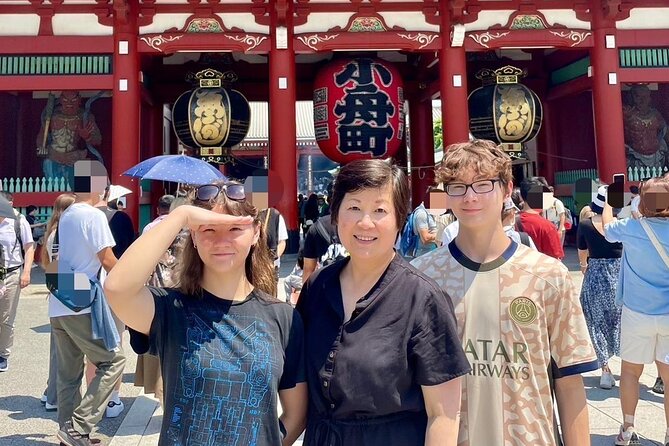
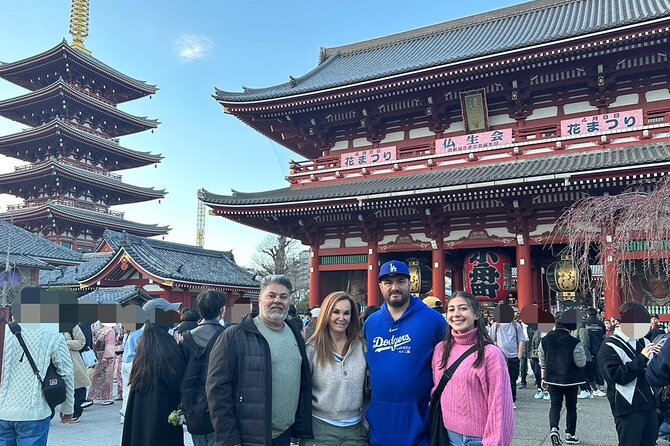
Asakusa is where Tokyo shows you its older face fast. Your first stop is Senso-ji Temple, also known as Senso-ji, a major Buddhist temple in the Asakusa area. The tour keeps this part to about 30 minutes, which is just enough to absorb the atmosphere without running your day.
Admission here is free, so you can focus on the experience: the chance to slow down, notice details, and understand how Tokyo’s tradition shows up in everyday life. If you want to take photos, this is a solid place to do it early, before crowds and schedules push you onward.
Possible drawback: because the time is limited, you won’t have hours to wander every side alley. If you’re the type who wants long temple breaks, you’ll want to come back later on your own.
Meiji Jingu Shrine: A Calm Reset in the Middle of the City
Next is Meiji Jingu Shrine, set up to honor Emperor Meiji, tied to Japan’s modernization era in the late 19th century. Like Senso-ji, admission is free, and the stop is about 30 minutes.
This portion works because it changes the mood. You go from city texture to a quieter, more reflective setting. It’s also a great place to learn what you’re looking at—how shrines function, what people typically do during a visit, and why this sacred space matters to Tokyo.
Consideration: you’ll be moving on after this. If you’re sensitive to crowd noise, it can still get busy, but the short, guided visit usually gives you the right amount of time without exhausting you.
Tsukiji Fish Market: The Sensory Part of Tokyo
Then comes Tsukiji Fish Market, one of the most famous seafood hubs in the world. The tour gives you about 40 minutes, which is a good chunk for walking through the area, taking photos, and soaking up the sights and sounds.
Admission is listed as free, so you can treat this stop as a sensory experience rather than a paid attraction. Even if you don’t buy anything, it’s one of those places where you instantly understand why Tokyo is a food capital.
One thing to plan for: food isn’t included. Lunch and drinks during the tour are at your own expense. If you want a proper market bite, I’d budget a little so you’re not stuck deciding between eating and keeping the day moving.
You can also read our reviews of more private tours in Tokyo


Akihabara: Pop Culture, Electronics, and Straight-Up Fun
Akihabara is next, about 40 minutes. It’s widely known as Electric Town, famous for Japanese pop culture, electronics, and anime. This is where your day gets louder and more playful.
This stop is best if you like browsing rather than hunting one specific store. You’ll get a feel for what’s available, what’s popular, and how the district signals its identity through signage and shopfronts.
Possible drawback: if you’re not interested in electronics or pop culture, you might wish the time were longer elsewhere. On the other hand, even a quick pass can help you spot stores and neighborhoods you can revisit later.
Shibuya Crossing: The Photo Stop That Actually Matters
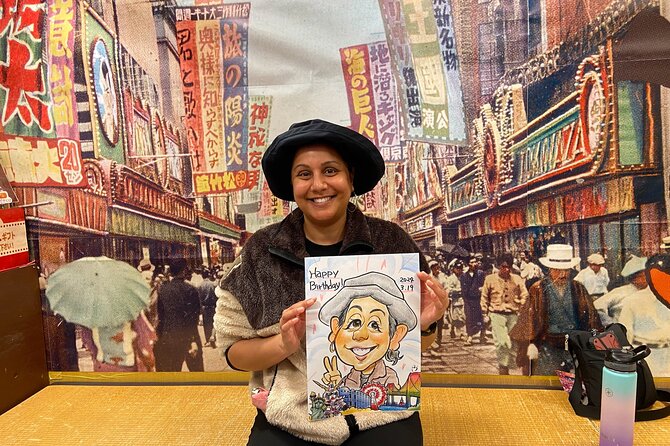
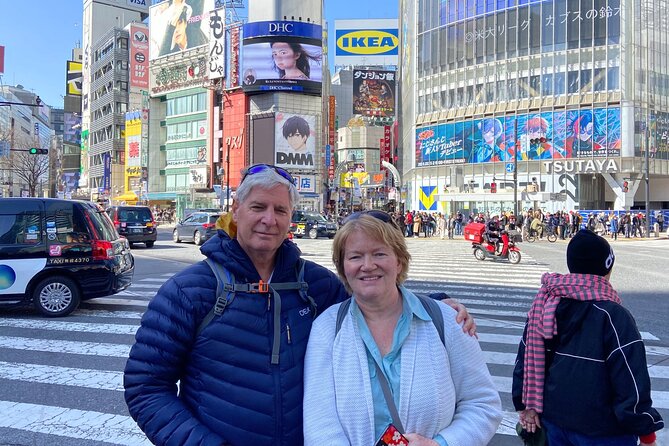
Shibuya Crossing is only about 20 minutes on this plan, but that’s enough time to do the essential thing: see it in action and take your photos without turning it into an hour-long wait.
It’s described as one of the busiest pedestrian crossings in the world, and that’s why it works as a guided stop. The guide helps you time your moment and move to the right viewpoints without feeling like you’re doing figure-skating through the crowd.
Consideration: 20 minutes can feel short if you’re the type who needs multiple angles. If you care about getting the perfect shot, you may want to arrive earlier or plan a return later.
Shinjuku: High-Rise Energy With Real City Texture
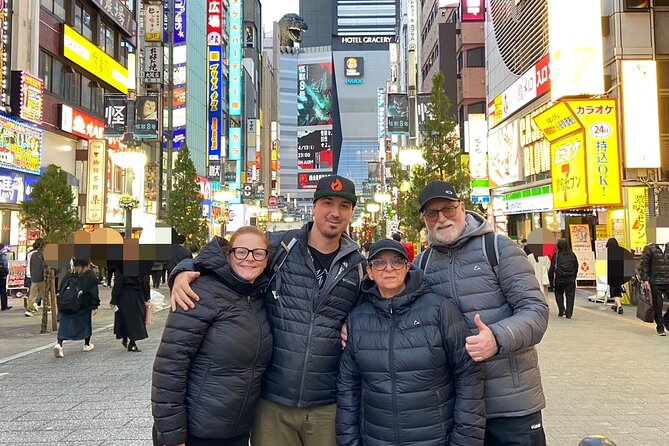
Then you head to Shinjuku, about 40 minutes. This area is known for towering buildings, neon-lit streets, and parks that offer calmer breathing spaces. The point here isn’t one single attraction; it’s the feeling of Tokyo as a living, working city.
Shinjuku also pairs well with the earlier stops because it’s contrast. You go from shrines and markets to one of the city’s most energetic hubs, and it helps you map Tokyo in your head.
Possible drawback: if you only have a short attention span for big districts, you might want the guide to focus you on one or two specific corners rather than a broad overview. Since this is private, you can usually do that.
Ueno: Culture and Parks for When You Want a Break
Ueno closes the list with about 40 minutes. It’s a neighborhood known for cultural spots, museums, and parks. The tour description also highlights cherry blossoms in spring, which tells you this place isn’t only about indoor attractions.
This stop is a good final chapter because it gives you a softer landing after Shinjuku’s intensity. It’s also where you can spot what kind of Tokyo you want more of when you’re planning the rest of your days: museums, parks, or neighborhood wandering.
Consideration: if you want ticketed attractions here, entrance fees won’t be included. The guide can wait outside or may join if you provide a ticket, but you’ll need to pay for those entrances yourself.
How You’ll Get Around Tokyo Without Getting Lost
A big theme in the experience is how you move through Tokyo. The tour includes hotel pickup and expects you to use public transportation as you hop between areas. The benefit is that the guide helps you handle train and subway transfers—often the part that burns time and causes stress.
In practical terms, this kind of guided routing usually means you spend less time staring at station maps and more time walking with confidence. The guide can also help with the small but annoying decisions, like which entrance to use and how to line up your walk between stops.
One trade-off: public transportation fees aren’t included, so you should budget for trains and subway rides. Still, that’s usually less expensive than private transport, and it keeps your day flexible.
Price and Value: What $58.27 Buys You (and What It Doesn’t)
At $58.27 per person, this private tour can be a strong value if you’re making smart use of your time. You’re paying for four things that are hard to DIY on day one: a guide who explains what you see, hotel pickup, a planned route, and help with navigation between neighborhoods.
It’s also a good price point because a lot of the listed stops are free to enter. Senso-ji and Meiji Jingu Shrine are both free according to the tour info, and Tsukiji Fish Market is also listed as free. That means your money isn’t being swallowed by tickets just to get started.
What you should remember:
- Public transport fees are your responsibility.
- Entrance fees for ticket attractions (like Skytree or TeamLab) are not included.
- Lunch and drinks aren’t included, so eat like a human, not like a budget accountant.
If you’re the kind of traveler who hates paying for convenience, this tour might feel like a splurge. If you’re trying to save time and reduce stress, it’s often the cheaper option over the long run.
The Best Fit: Who Should Book This Private Tokyo Tour
This tour is a great match if you want a first-day or first-trip overview. It’s also ideal if you want a balance of traditional and modern Tokyo without having to plan every transit step.
You’ll likely enjoy it if:
- you’re traveling with family and want an organized route
- you prefer hotel pickup
- you want English or Spanish explanations without language friction
- you like a mix of temples, shopping, and big city districts
It’s less ideal if:
- you want deep, long stays at just one neighborhood
- you plan to spend the entire day on ticketed attractions
- you dislike using public transportation at all
Should You Book This Private Tokyo Tour?
I’d book it if you want an efficient Tokyo primer with hotel pickup, a private guide, and a route that covers major areas you’ll hear about anyway. It’s especially good when you’re short on time and you still want both the classic sights and the modern Tokyo pulse.
Skip it if you already know Tokyo well and you don’t need help navigating stations. Also skip if you’re the type who needs long, slow museum or temple sessions, because the schedule is designed for breadth, not depth.
If you’re deciding between wandering alone and getting structure, this tour usually wins. You’ll leave with a clearer mental map of Tokyo—and that makes everything else you do feel easier.
FAQ
Is this tour private for my group only?
Yes. This is a private tour/activity, and only your group will participate.
Do I need to go to a meeting place?
No. Hotel pickup is offered, and the guide comes to your hotel so you do not need to go to a meeting place.
What languages are available for the tour?
The tour guide is English speaking, and there is also an option to book the tour in Spanish (Español).
How long is the tour, and what stops are included?
The duration is approximately 2 to 4 hours. The listed stops include Asakusa, Meiji Jingu Shrine, Tsukiji Fish Market, Akihabara, Shibuya Crossing, Shinjuku, and Ueno.
Are entrance fees included?
Entrance fees are not included. The info lists admission ticket free for certain stops, but you are responsible for entrance fees for other paid attractions.
What costs should I budget for during the tour?
Public transportation fees and entrance fees are your responsibility. Lunch and any food or drinks during the tour are also at your own expense.
Is airport pickup included, and can I cancel for a full refund?
Airport pickup is not included. You can cancel up to 24 hours in advance for a full refund.
If you want, tell me your travel dates and interests (temples vs shopping vs anime vs food), and I’ll suggest the best way to prioritize the stops within the 2 to 4 hour window.