
REVIEW · TOKYO
Tokyo Asakusa: Traditional Kimono Rental Experience at Wargo
Book on GetYourGuide →Operated by Kyoto Kimono Rental WARGO · Bookable on GetYourGuide
Kimono streets make Tokyo feel like another world. At Wargo in Asakusa, you pick from kimono styles and get staff-assisted dressing so you can walk out feeling put together instead of fussed over.
I also like that the package covers the basics you’d otherwise have to hunt down—obi and sandal-like shoes, plus socks—so you can spend your time exploring. The main thing to plan for is waiting time: depending on the slot, you may face 30–90 minutes before you’re fully dressed.
In This Review
- Key things to know before you go
- Putting On a Kimono in Asakusa: What Wargo Really Delivers for $33
- Arrival at the 4th Floor: Meeting Point, Check-In Flow, and Timing
- The Dressing Session: How Staff Support Helps You Look Right
- Kimono Choices and the Deluxe Plan: Upgrading Without Overthinking
- Walking Asakusa in a Kimono: Where You’ll Spend Your Time
- Photos That Actually Look Good: Satchel, Shoes, and Posture Tips
- Comfort and Reality Checks: What to Expect While You’re Out
- Next-Day Return: When You Might Want to Extend the Outfit
- Value for Money: When This Rental Makes Sense (and When It Doesn’t)
- Who This Is Best For in Tokyo
- Should You Book Wargo in Asakusa?
- FAQ
- What does the kimono rental include?
- How much does it cost?
- How long does it take to get dressed?
- What are the operating hours and when do I need to return the kimono?
- Is there a wait before dressing?
- Is hairstyle included?
- Are plus-size kimonos available?
- Can I wear the kimono into the next day?
- Is it possible to cancel for a refund?
Key things to know before you go
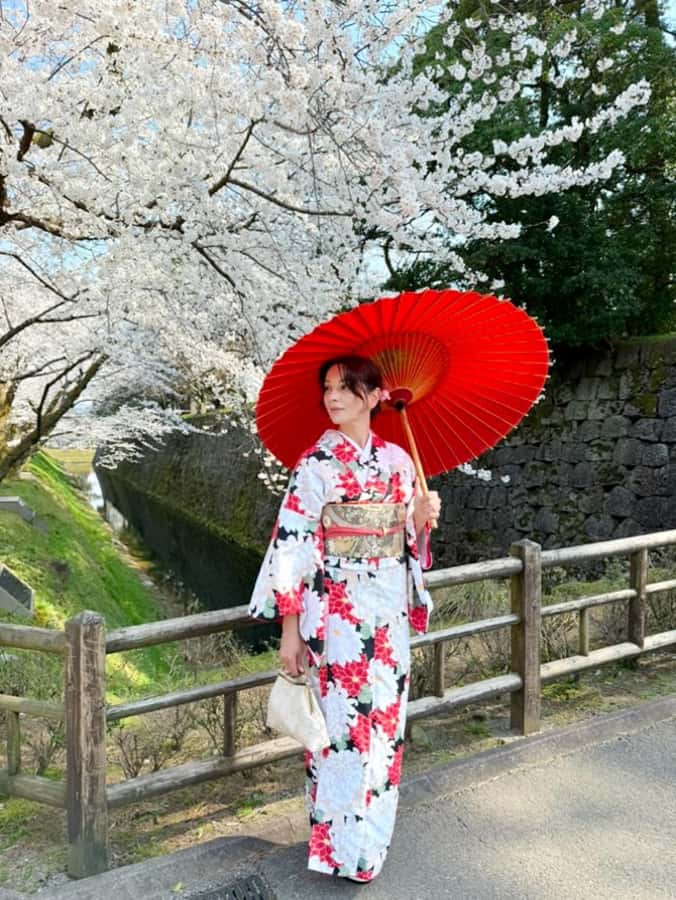
- Asakusa location for easy photo walks near major sightseeing spots you can reach on foot in about 10 minutes
- Included essentials like obi, a Japanese satchel, socks, and traditional-style footwear
- A simple hair set is included (kanzashi hairpin style), with extra hairstyling options available
- Kimono choice ranges from traditional patterns to more modern designs
- Plus-size kimonos are available, so you’re not locked out of the experience
- Return by 6:00 PM, with next-day return possible for an extra fee
Putting On a Kimono in Asakusa: What Wargo Really Delivers for $33
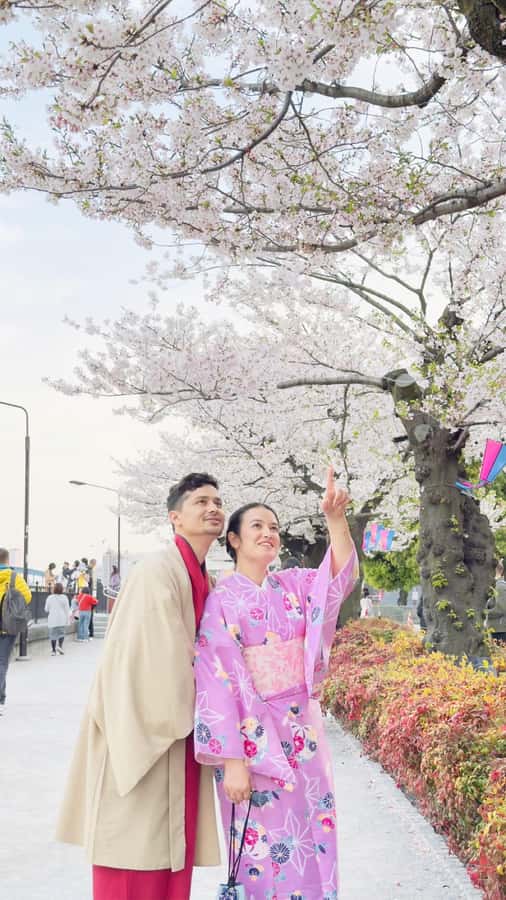
If Tokyo feels too polished some days, a kimono changes the tempo fast. Wargo’s Asakusa rental experience is built around one goal: getting you into a good-looking traditional outfit with minimal stress, then sending you out to enjoy the neighborhood streets and photos while everything is still fresh.
The starting price is listed at $33 per person, and that’s the first reason I think it’s a solid value. You’re not just paying for fabric—you’re also paying for dressing help, insurance, and the supporting gear that makes the look work (obi, satchel, and the right shoes and socks). One important reality check: your final total can shift based on the specific kimono grade you select that day, so budget a little buffer.
The experience is also flexible in style. You can choose from a range of kimono varieties, from classic patterns to more modern designs. That matters because it lets you match the vibe you want: traditional and elegant, or something that looks more contemporary in photos.
You can also read our reviews of more tours and experiences in Tokyo.



Arrival at the 4th Floor: Meeting Point, Check-In Flow, and Timing
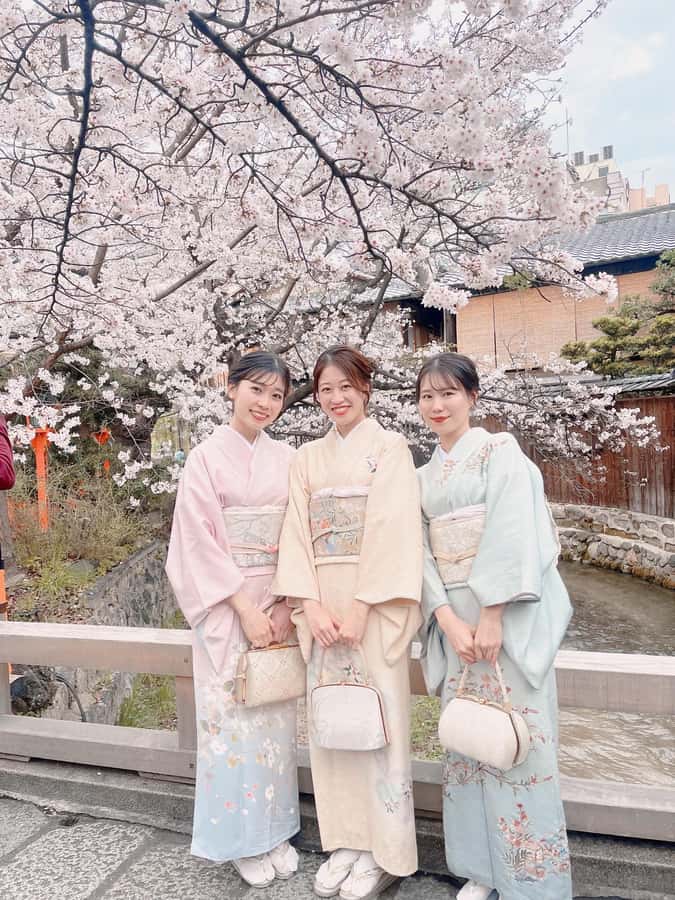
Your meet-up is straightforward. When you arrive at the building, use the escalator or elevator to reach the 4th floor, then find the store there. The activity ends back at that same meeting point, which means you don’t have to think about a complicated pickup/drop-off.
Timing is where your planning either feels smooth—or not. Operating hours are 10:00 AM to 6:00 PM, and you need to return the kimono by 6:00 PM. If you’re booking a later time slot, it’s smart to expect a wait. Depending on how busy the store is, waiting time can be around 30 to 90 minutes.
There’s also one more timing factor that can affect your day. If you reserve after 3:00 PM the day before, you may have to wait at the store a bit. I treat that as a heads-up for people with a tight schedule—if you’re trying to stack events with zero slack time, you’ll want earlier.
The Dressing Session: How Staff Support Helps You Look Right
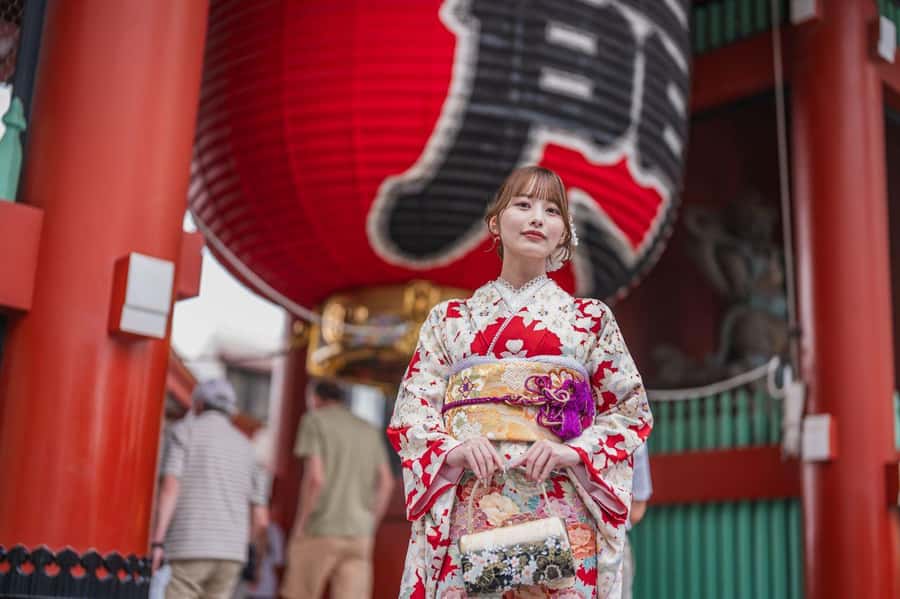
This isn’t a do-it-yourself costume shop. The core of the experience is the dressing process with experienced staff guiding you through getting your kimono on correctly.
When things are not too busy, dressing should take less than an hour. That “less than an hour” detail matters because it turns the experience from a half-day project into something you can still enjoy with lunch and sightseeing.
The outfit setup is also practical. Your packages include what you need to look authentic and feel comfortable enough to walk:
- Kimono rental fee and dressing fee
- Insurance fee
- Obi (sash belt)
- Japanese satchel
- Traditional shoes (sandal-like footwear) and socks
- A hair set (simple style with kanzashi, an ornamental hairpin)
That hair set point is especially helpful if you want the full look without extra add-ons right away. It’s included as a simple hairstyle rather than a “do your hair then send you out bare” situation.
Kimono Choices and the Deluxe Plan: Upgrading Without Overthinking
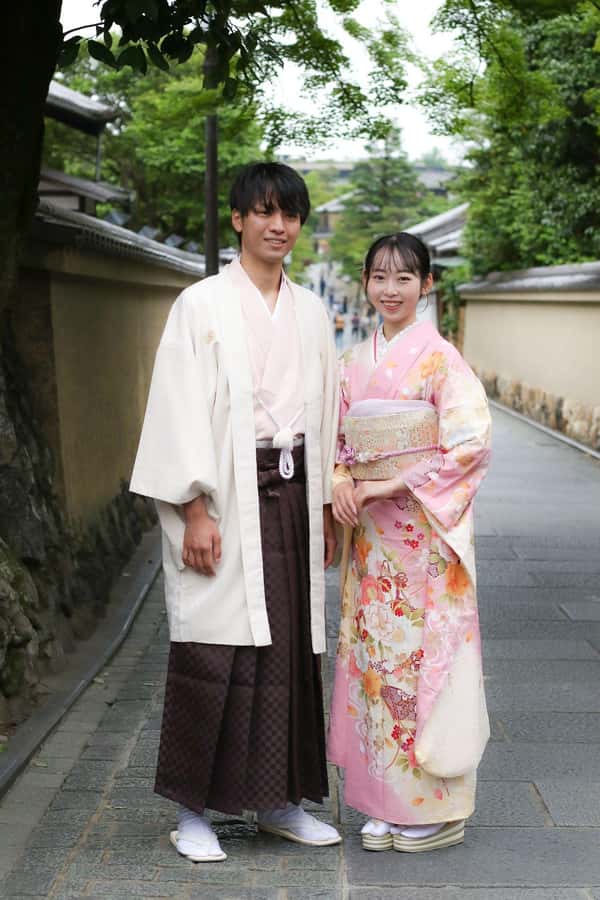
One of the biggest questions I get about kimono rentals is, how do you choose? Wargo’s setup gives you multiple options—traditional patterns, and also more modern designs—so you’re not forced into one narrow look.
Then there’s the upgrade path: the Wargo Deluxe Plan. In plain terms, it offers flexibility to get a nicer-grade kimono and obi, up to a certain level. It also includes a standard hairstyle for women, which can be a nice step up from the simpler included hair set. The key detail is that the exact upgrade grades available can vary by store, so it’s worth asking what’s on offer that day.
What I like about having a premium option is that it helps you spend money where it actually shows—in the pattern grade and the way the obi works with the overall outfit. If you’re trying to balance budget with photos, this is the type of upgrade that tends to feel worth considering.
Walking Asakusa in a Kimono: Where You’ll Spend Your Time
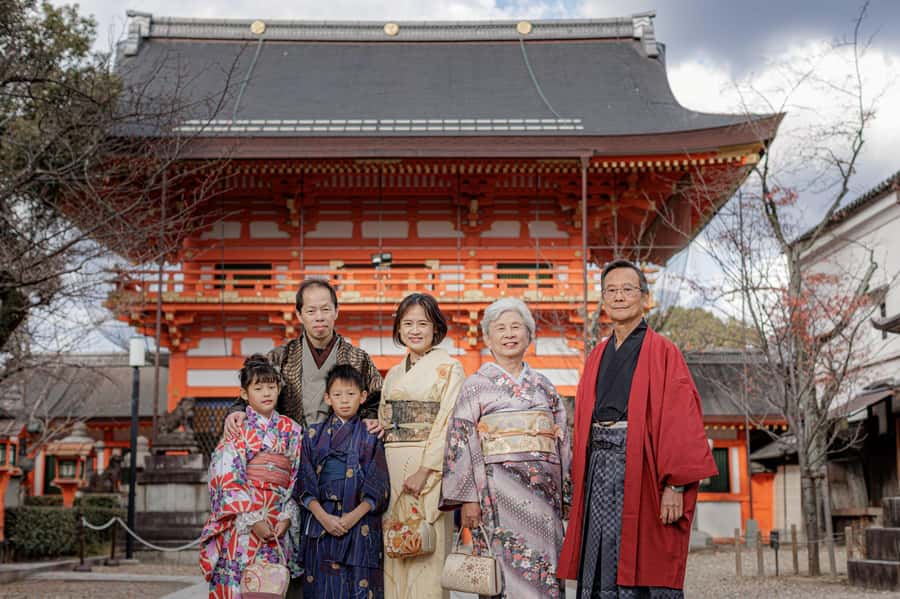
After you’re dressed, your “itinerary” is really your own choice: you stroll the historical streets, enjoy photos, and fit in lunch and sightseeing nearby.
This is where Asakusa shines. It’s a strong zone for walking and photography, and the rental shop is positioned so you can reach major sightseeing and tourist areas on foot in roughly 10 minutes. That short travel time matters because you’ll still look sharp when you arrive. You also avoid the awkward in-between time where you’re dressed but stuck waiting for transit.
I’d treat this window like a photo session with purpose, not just wandering. In the first hour after dressing, you’ll get the most consistent results: your outfit is still perfectly arranged, your hair is fresh, and you’re moving before fatigue sets in.
The vibe is also part of the fun. The experience is designed to make you feel like you’re stepping into Japan rather than just visiting it. And yes, it often draws attention in a good way—people may compliment you as you walk, which turns your stroll into an experience, not just a background moment.






Photos That Actually Look Good: Satchel, Shoes, and Posture Tips
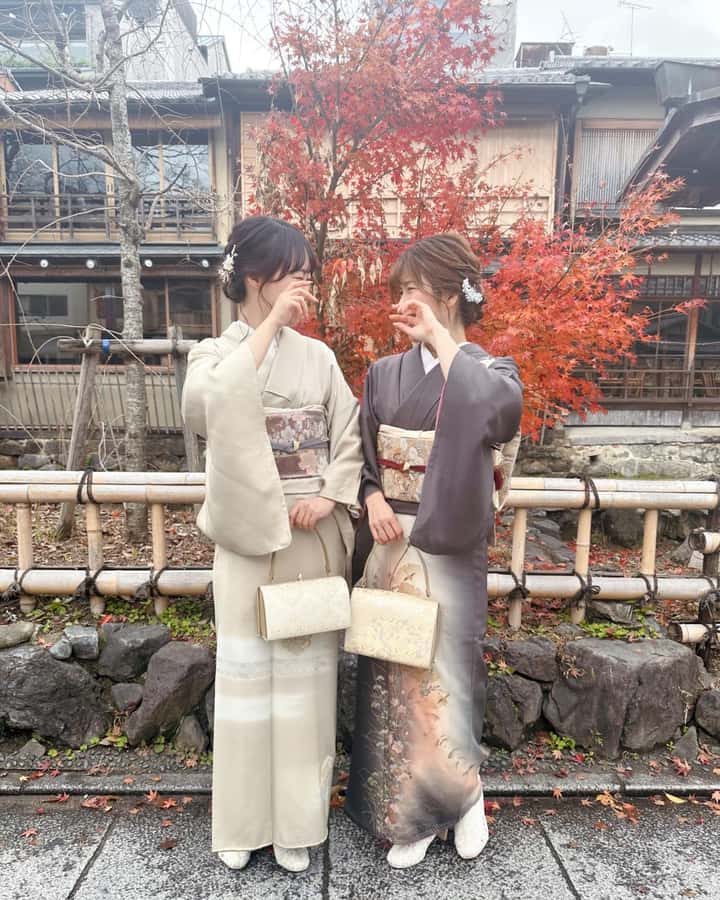
Wearing a kimono is half fabric and half “how you move.” The included satchel helps because it gives you something natural to carry that fits the look. The shoes are also important. You’ll get traditional-style footwear (sandal-like), but you should plan for slower steps and keep an eye on uneven pavement.
One small practical truth: even with staff dressing you well, kimono style looks best when you keep posture relaxed but upright. If you slump into the sleeves, it won’t show as cleanly in photos. Think tall and steady. Take breaks when you need to. Your photos will be better if you’re not rushing.
If you’re planning to shoot lots of pictures, consider where you’ll be. Asakusa’s streets are built for this. You’re not just taking selfies; you’re framing the kimono against traditional street scenes, which gives you that “I’m in Japan” feeling in the background.
Comfort and Reality Checks: What to Expect While You’re Out
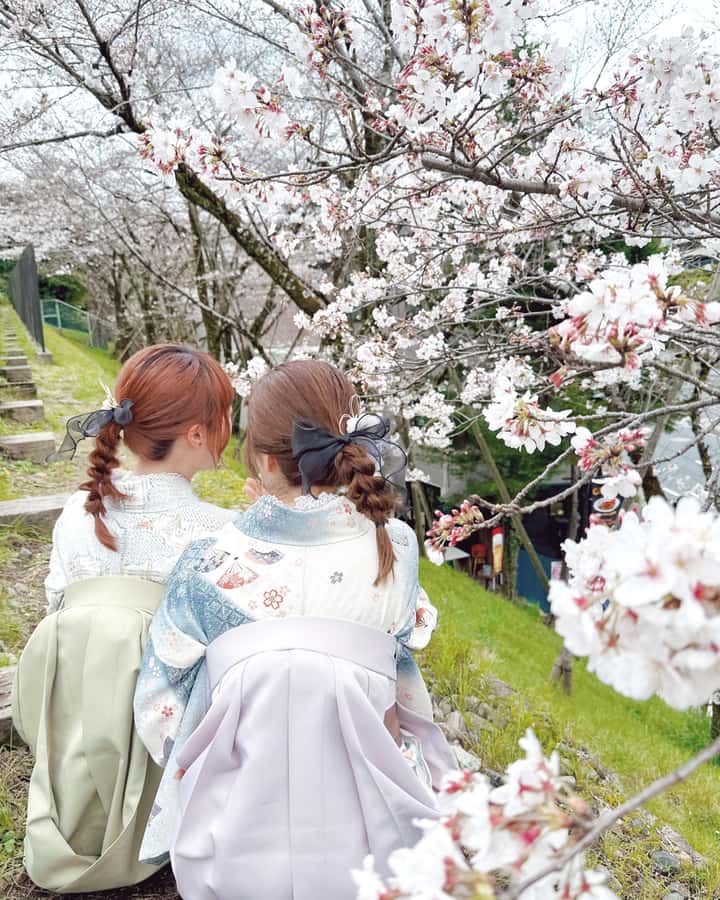
Let’s be honest about comfort. Kimono rentals are usually manageable for a few hours, but they’re not the same as walking around in sneakers and shorts. Your mobility will feel different, especially if you’re not used to obi and the layered structure of a kimono.
That’s also why the included items matter. The socks and the traditional-style shoes are part of making the outfit consistent and not like you’re wearing random footwear with it. Still, you’ll likely walk a bit slower than normal, so keep that in mind when mapping your day.
Weather can also matter, though the information you have doesn’t specify how the store handles rain or seasonal adjustments. If it’s rainy, expect the kimono to need careful handling and plan for a steady pace rather than sprinting between photo stops.
Hair is another comfort factor. If you pick the Deluxe Plan or another hairstyle option, you’ll want to be aware that more styled hair can mean fewer wiggle adjustments once you’re outside. Still, the good side is that the included kanzashi hairpin style is made to photograph.
Next-Day Return: When You Might Want to Extend the Outfit
Most people use the kimono window for daytime sightseeing, but Wargo offers an option if you want to wear the outfit into the evening. Next-day return is possible with an additional fee.
For you, this changes the whole rhythm of the experience. Instead of squeezing everything into a short burst, you can spread your walking and photos out. It’s also a nice choice if you want a calmer lunch plan and don’t want the feeling of racing the return clock.
Just remember: the store’s standard operating hours are still 10:00 AM to 6:00 PM, and your arrangement for next-day return is the exception that comes with an extra cost.
Value for Money: When This Rental Makes Sense (and When It Doesn’t)
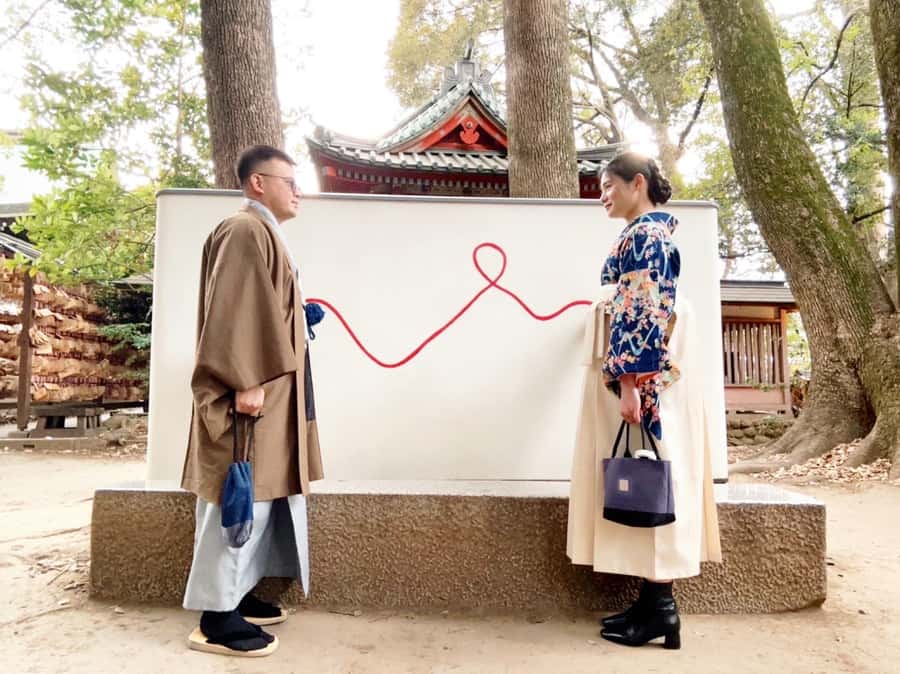
At $33 per person, this is priced like an entry-level kimono experience, and that’s why it’s attractive. Your package isn’t empty. You get dressing assistance, insurance, outfit essentials (including obi, shoes, satchel, and socks), and a basic hair set.
Where the value goes up is in what you do with your time afterward. If you’re in Asakusa for a few hours anyway, the kimono adds a lot of fun and photo payoff without adding a separate tour route you’d have to coordinate.
Where value drops is if your schedule is tight or you hate waiting. With busy periods, you might wait 30–90 minutes before getting dressed, and those minutes can steal time from lunch or other plans. If you’re the type who plans every minute, it’ll be worth picking a time slot with more breathing room.
Finally, consider the final cost. Your kimono grade selection can change the price, and that difference is settled at the store with cash or card. So think of the $33 as a starting point, not a guarantee for the ceiling.
Who This Is Best For in Tokyo
This kimono rental experience is a great fit if:
- You want a photo-ready outfit for Asakusa without complicated booking logistics
- You’re traveling as a couple or group and want a shared activity that feels fun and memorable
- You want staff help so you don’t worry about tying obi or styling properly
- You want to try kimono without skipping comfort needs, since socks and footwear are included
- You need plus-size availability, since plus-size kimonos are offered
It’s not the best fit if:
- You need wheelchair access (it’s not suitable for wheelchair users)
- You’re pregnant (not suitable for pregnant women)
- You have pre-existing medical conditions that would make dressing or footwear uncomfortable (not suitable as stated)
Should You Book Wargo in Asakusa?
Yes—if you’re coming to Asakusa anyway and you want the “walk around Tokyo like a local storybook” effect with real convenience. The combo of included essentials, staff dressing support, and upgrade flexibility makes this feel like a practical, good-value way to do kimono without turning it into a full-day production.
But be smart about timing. Pick a slot that gives you cushion if you can, and plan your photos for after you’re dressed and before you hit your energy limits. If you do that, you’ll come away with that unmistakable Asakusa photo look—and you’ll feel like you owned your day, not just rented a costume.
FAQ
What does the kimono rental include?
The packages include the kimono, obi (sash belt), Japanese satchel, traditional shoes (sandal-like footwear), and socks. The included items also cover the kimono rental fee, dressing fee, insurance fee, and a hair set with a simple hair style and a kanzashi ornamental hairpin.
How much does it cost?
The price is $33 per person. The final cost may change based on the kimono you select, and any additional amount can be settled at the store with cash or a credit card.
How long does it take to get dressed?
If it’s not too busy, the dressing process should take less than an hour.
What are the operating hours and when do I need to return the kimono?
Operating hours are 10:00 AM to 6:00 PM. You need to return the kimono no later than 6:00 PM.
Is there a wait before dressing?
Depending on the time slot and season, waiting time can be about 30 to 90 minutes. If you reserve after 3:00 PM the day before, you may have to wait a little at the store.
Is hairstyle included?
A simple hair set with kanzashi is included. Hairstyling options are available for an additional cost, and the premium Wargo Deluxe Plan includes a standard hairstyle for women.
Are plus-size kimonos available?
Yes, plus-size kimonos are available so everyone can enjoy the experience comfortably.
Can I wear the kimono into the next day?
Yes, next-day return is possible for an additional fee.
Is it possible to cancel for a refund?
Yes. You can cancel up to 24 hours in advance for a full refund.

![[Self-Drive] Tokyo & Daikoku Custom Car Driving Tour - Shibuya Crossing: Scramble Chaos, With You in Control](https://e.thetokyoexplorer.com/wp-content/uploads/self-drive-tokyo-daikoku-custom-car-driving-tour-400x400.jpg)









