REVIEW · TOKYO
Private Tokyo Walking Tour with A Guide: Higlights & Customizable
Book on Viator →Operated by Guydeez · Bookable on Viator
A private walk through Tokyo beats guessing. You get a customizable route and a guide who can translate what you’re seeing into real Tokyo life. I like that it’s private and exclusive, so you can set the pace and focus on what matters to you. The one thing to consider is that it’s a walking format, so you’ll want to be comfortable moving for about two hours.
This tour also makes planning less stressful than most. You can choose from four language options, and wheelchair access is listed as available. Hotel pickup is offered if your accommodation is in the city, which is a nice time-saver when you’re juggling train lines.
The itinerary hits big-name Tokyo, but it’s still flexible. You’ll spend short, guided chunks at places like Tsukiji Outer Market, Sensō-ji, Meiji Jingu, Akihabara, and Tokyo Skytree, then compare neighborhoods as you go. The payoff is seeing Tokyo through someone’s daily logic, not just landmark checklists.
In This Review
- Key things I’d plan around before you go
- Why this private Tokyo walk feels different (and worth $52.86)
- Picking the route: how customization works in real life
- Stop 1: Tsukiji Outer Market and how to eat smart
- Stop 2: Sensō-ji and Asakusa rituals without guesswork
- Stop 3: Meiji Jingu, the torii gate, and Shinto context
- Stop 4: Akihabara for electronics, anime, and practical shopping tips
- Stop 5: Tokyo Skytree area and city views that make Tokyo make sense
- Stop 6: Ginza for shopping, history, and a reality check on upscale Tokyo
- Stop 7: Ueno Park and the museums-and-season angle
- Stop 8: Roppongi Hills, art, and a different Tokyo skyline vibe
- What you get, what you pay for, and what surprises to avoid
- The guide quality factor: language choice and what questions to ask
- Logistics that matter: timing, walking, and a two-hour reality check
- Who should book this private Tokyo walking tour
- Should you book? My quick decision guide
- FAQ
- How long is the private Tokyo walking tour?
- Where does the tour start, and is hotel pickup included?
- Is food included on the tour?
- Are the listed attractions free to enter?
- What languages are available for the guide?
- What is the cancellation policy?
Key things I’d plan around before you go
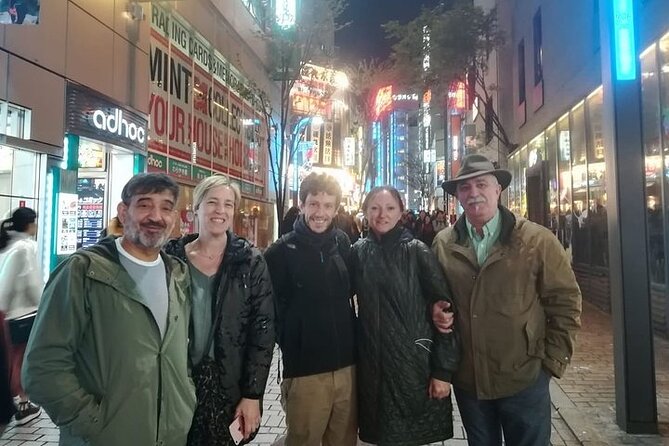
- Private, exclusive guide time: no group noise, so you can ask more than you’d ever ask on a mass tour
- Multilingual support (four language options): language barriers are less likely to derail your day
- Hotel pickup (if you’re in-city): easier start, fewer wayfinding worries
- A short-stop itinerary: each highlight gets a focused visit, so you cover more ground in two hours
- Wheelchair-accessible format: the tour is designed with mobility needs in mind
- Customization built in: you’re not stuck with a rigid route or one-speed sightseeing
Why this private Tokyo walk feels different (and worth $52.86)
Tokyo is famous for its systems. Trains. Signs. Etiquette. Food lines. Even if you’re an experienced traveler, you can still feel a little lost at street level. This tour’s biggest strength is that you’re not just going from A to B. You’re bringing a guide along who can help you interpret the city as you move through it.
For value, I look at what you buy with your money. Here, you’re paying for three things that matter: time, translation, and local decision-making. The price is $52.86 per person, and the tour runs about two hours. That’s not a bargain in the sense of being cheap. But it can be a smart use of money if you’d otherwise spend that time figuring out what to see, where to stand, what to try, and how to do it politely.
Also, it’s private. That changes the math. If you’re traveling with someone you know, you can keep asking questions without worrying that you’ll slow a group down. If you’re traveling solo, private time means you can get more direct help: where to go next, how to order, and what to pay attention to. That’s especially useful in Tokyo, where small details can make the difference between an okay experience and a great one.
One practical consideration: this is a walking tour, and car or local transportation around the city isn’t included. The route is designed for sightseeing on foot, but you’ll still want to wear good shoes and plan breaks if you need them.
You can also read our reviews of more walking tours in Tokyo


Picking the route: how customization works in real life
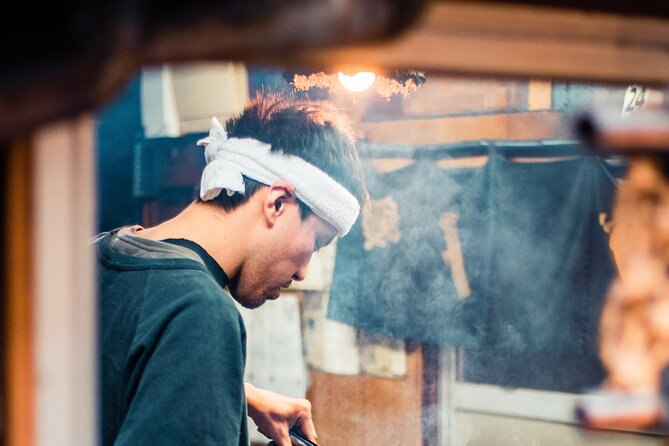
The tour is described as customizable and planned by a professional. In practice, that usually means your guide isn’t just reciting facts. You can steer the conversation toward what you care about most: food, temples, shopping, pop culture, photography, or simply understanding day-to-day Tokyo life.
You’ll also notice the structure of the itinerary: multiple stops, each around 15 minutes. That’s ideal when you want variety without turning the day into a marathon. But it does mean you won’t have hours at a single site. If you’re the type who wants long museum time or long temple time, you may want to treat this as a sampler, then return on your own later for deeper time.
Stop 1: Tsukiji Outer Market and how to eat smart
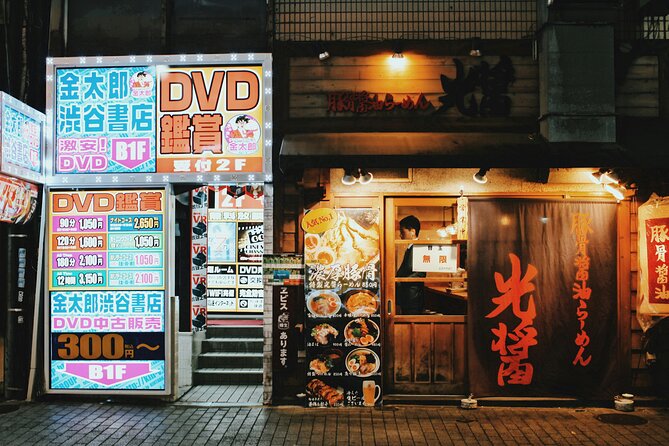
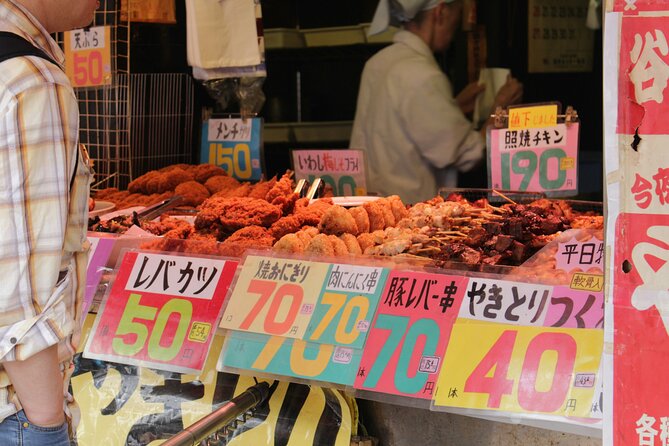
Tsukiji Outer Market is one of those places where the goal isn’t just seeing stalls. It’s knowing what to do with all that sensory overload. With a guide, you can get help navigating the crowds and understanding why certain seafood and street foods matter locally.
This stop is listed as about 15 minutes, with admission free. That’s enough time to get your bearings and make at least one good decision about what to try. The tour also says food and drinks aren’t included, so you’ll be choosing and paying for what you eat. I like that setup for a market: you don’t get stuck with one pre-selected meal that might not match your tastes.
What I’d do as a traveler: come ready to ask. Ask what’s worth trying first, what’s easy to eat while walking, and what to watch for so you don’t waste time. A good guide can also help you avoid the classic mistake of standing in the wrong place, then realizing you needed a different counter or prep style.
Stop 2: Sensō-ji and Asakusa rituals without guesswork
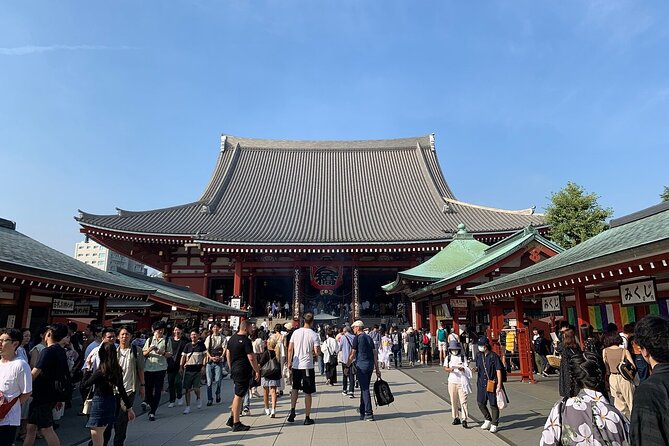
From markets to temples, the itinerary shifts gears at Sensō-ji in Asakusa. The guide portion here is about history, the Thunder Gate, and help participating in traditional rituals.
This kind of stop is where translation matters. Tokyo temples can feel intimidating if you don’t know what you’re looking at or how to participate respectfully. With a guide, you can follow the flow and understand what you’re seeing instead of just taking photos.
Admission is listed as free, and the visit is about 15 minutes. That means you’ll focus on highlights and basic context rather than turning it into a long meditation session. If you’re the type who loves ceremonial details, you might want to return to Asakusa later for a slower walk through the surrounding streets.
Stop 3: Meiji Jingu, the torii gate, and Shinto context
Meiji Jingu offers a totally different mood: a shrine set next to a forested feel, with Shinto elements that many visitors notice but don’t fully understand. This stop focuses on cultural context, the torii gate meaning, and stories about the shrine and the surrounding forest.
Again, admission is listed as free, and the visit is about 15 minutes. That’s a short window, but it’s enough to learn the key symbols so the place clicks. The torii gate is one of those things you see in photos everywhere, but the meaning changes when you understand how it functions within Shinto practice.
One note for your planning: this stop is about understanding. If you’re only chasing photos, you’ll still get images, but you might miss some of the value. If you like places that explain how people live and believe, this is a strong match.
You can also read our reviews of more guided tours in Tokyo



Stop 4: Akihabara for electronics, anime, and practical shopping tips
Akihabara is where Tokyo stops feeling like a postcard and starts feeling like Tokyo’s subcultures in motion. The tour includes time here to explore the world of electronics, anime, and gaming, plus help navigating a wide range of stores.
This is the stop I recommend for people who want more than just window shopping. A guide can help you spot what’s most relevant to your interests, point you toward easier-to-understand store types, and explain cultural significance in a way that’s not just trivia.
Admission is listed as free, with about 15 minutes. That’s short, so you’ll want to think ahead: What do you actually want to buy, or what do you want to understand? Electronics can be broad. Anime and gaming can be broad. When your guide knows your goal, that time matters more.
Stop 5: Tokyo Skytree area and city views that make Tokyo make sense
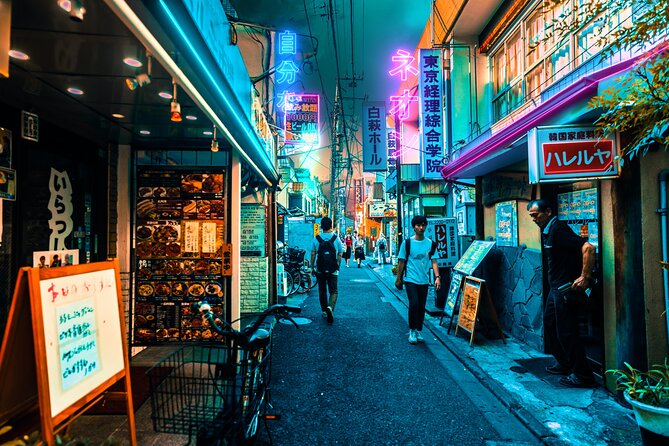
Tokyo Skytree is a “wow” moment, but it’s also a great place to get spatial context. The tour includes information about the construction and significance of Skytree, plus panoramic views from observation decks.
This stop is listed as about 15 minutes and shows admission as free, so you can expect a brief orientation and view time rather than a full long visit. Still, even a short view can help you understand how Tokyo is layered—dense city blocks below, major landmarks and neighborhoods extending outward.
If you’re the kind of traveler who wants the city to feel logical, not random, this is a smart stop. Seeing Tokyo from above turns future walking into something you can navigate with confidence.
Stop 6: Ginza for shopping, history, and a reality check on upscale Tokyo
From Skytree’s scale, you drop into Ginza, Tokyo’s upscale shopping and entertainment district. The guide focus here is history and helping you discover hidden gems for shopping and dining—but with the key word being hidden. The point isn’t secret cult status. The point is saving you time by pointing you to places that fit your interests and budget.
This is listed as about 15 minutes and admission free. That works well if you want a guided taste of Ginza without spending your whole day there. Ginza can also be where your expectations get tested: it’s pretty, it’s polished, and it’s often pricey. A guide can help you steer toward options that feel worth it.
If you hate wasting time comparing menus you can’t read, this is one of the stops where a guide earns their fee.
Stop 7: Ueno Park and the museums-and-season angle
Ueno Park is a contrast stop after Ginza. It’s culturally significant, and the tour’s guide component includes stories about Ueno and highlights of museums and attractions. The itinerary also notes cherry blossom viewing, which hints that the guide might point out seasonal highlights when the timing lines up.
This stop is listed as about 15 minutes and admission free. Again, short. But it can be useful because Ueno can feel like a lot of separate areas. A guide helps you see how the park fits together and what’s worth prioritizing later if you want to come back.
Even if you’re not there during cherry blossom season, you’ll likely benefit from the context. You’ll understand what makes Ueno a cultural anchor, not just a park you pass through.
Stop 8: Roppongi Hills, art, and a different Tokyo skyline vibe
Roppongi Hills brings you to art, shopping, and entertainment—with a focus on exploring the area and learning about architecture and cultural events. The itinerary also specifically mentions the Mori Art Museum.
This is listed as about 15 minutes and admission free. That means your time is probably best spent on atmosphere and orientation rather than trying to do a full museum visit. If you want art and city scale in one place, Roppongi Hills is a good finish.
One practical benefit: when you end in a place with lots of transit options, your getting-back-out strategy is easier. Tokyo is easier when your last stop has straightforward routes home.
What you get, what you pay for, and what surprises to avoid
Included:
- Private and exclusive tour, so it’s just your group
- Customization
- Hotel pickup if you’re staying in the city (meet at your accommodation)
- Mobile ticket
- Group discounts (if you’re booking with others)
Not included:
- Food and drinks
- Tips (optional)
- Local transportation around the city (it’s a walking tour)
This mix is very normal for a walking tour. The best part is you’re not paying extra for entrance fees on the stops listed. The tradeoff is that you’ll handle meals and snacks yourself. If you budget for one or two snacks during the market and maybe a drink later, you’ll keep expectations realistic.
And about tips: tips are optional. In Japan, I usually treat that as permission to tip only if you feel your guide went above and beyond with explanations, pacing, and help that saved you time.
The guide quality factor: language choice and what questions to ask
Worried about language barriers? The tour lists four available language options. That’s huge, because Tokyo is full of small cues. Knowing what something means often turns the experience from sightseeing into understanding.
One useful detail from past guide experiences in similar formats: guides like Amy are described as friendly and full of local tips, even pointing out practical odds and ends like where recycling bins are located. The point isn’t the bin itself. It’s the mindset. A good guide notices the stuff that makes daily life easier for visitors, not just the landmarks.
So here’s what you should ask your guide early:
- What’s one thing I should try at Tsukiji that won’t be a letdown?
- Where should I look for symbols at Sensō-ji and Meiji Jingu?
- If I like anime and games, what type of store should I prioritize in Akihabara?
- Where do you think I should spend extra time after the tour?
Those questions fit the tour’s structure and help you get more out of each 15-minute stop.
Logistics that matter: timing, walking, and a two-hour reality check
The duration is about 2 hours. With eight stops listed at about 15 minutes each, you’ll likely move between areas in between and spend shorter moments at each highlight than you might expect if every stop were exactly 15 minutes. That’s common with walking tours: the itinerary is a framework, not a slow guided march.
Because local transportation isn’t included, you’ll want to plan around walking comfort. If you have mobility needs, the tour is labeled wheelchair accessible, which is reassuring. Still, I’d think about how long you can comfortably walk and whether you’d benefit from a starting location close to public transit or your hotel pickup.
Also, confirmation is received at booking, and there’s free cancellation up to 24 hours before the experience start time. That flexibility is useful if your schedule is still shifting.
Who should book this private Tokyo walking tour
Book it if:
- You want a guide to explain Tokyo life, not just point at famous places
- You care about shopping, food choices, and culture context
- You’d rather ask questions than decode signs and etiquette on your own
- You like variety: markets, temples, pop culture, skyline views, and neighborhood contrasts in one day
Consider skipping or pairing with something else if:
- You want long stays at any single site (a museum day, a full temple day, or a deep food tour)
- You don’t enjoy walking or you’re traveling with time-consuming mobility limits that require frequent pauses
Should you book? My quick decision guide
If you’re visiting Tokyo for a limited time and want a guided “greatest hits with context,” this tour is a strong choice. The private format, multilingual support, and hotel pickup option are meaningful advantages. The short stop times can feel slightly like a sampling tray, but that’s also the point: you’ll learn what matters fast, then you can return on your own for the parts that really grabbed you.
If you’re on the fence, I’d make your decision based on one question: do you want your day guided by interpretation and practical help? If yes, this tour fits. If your plan is purely to wander and you’re comfortable researching each stop yourself, you might not need the guide time.
FAQ
How long is the private Tokyo walking tour?
It’s approximately 2 hours.
Where does the tour start, and is hotel pickup included?
Hotel pickup is included if your accommodation is located in the city. The tour description says you meet at your accommodation.
Is food included on the tour?
No. Drinks and food aren’t included.
Are the listed attractions free to enter?
For the stops listed in the itinerary, admission is shown as free.
What languages are available for the guide?
The tour says there are four language options available.
What is the cancellation policy?
You can cancel for a full refund up to 24 hours before the experience starts, with cancellation based on the tour’s local time.