REVIEW · TOKYO
Licensed Guide Shinjuku Underground Mall Tour (Tokyo)
Book on Viator →Operated by Tokyo Licensed Guide Volunteer Group · Bookable on Viator
Shinjuku is a maze worth touring. I like how this licensed Shinjuku Underground Mall walk turns confusion into clarity, especially with the Isetan rooftop shrine and the chance to learn how to do a proper offering at Hanazono Shrine. You also get practical orientation for Tokyo’s train-and-street sprawl, so you don’t just see places, you understand how they connect.
One heads-up: you’re moving through dense areas for about 3 hours, and some viewpoints have limited access—Tokyo Metro Government Observation Decks are off on the first Tuesday and third Tuesday. If you hate crowds or need lots of slow-down breaks, this route might feel a bit intense.
In This Review
- Key things I’d circle before you book
- Why Shinjuku Underground Mall feels different with a guide
- Meeting Point at Doutor Coffee, then straight into Shinjuku mode
- Tokyo Metropolitan Government views: free, but watch the closed Tuesdays
- Isetan Shinjuku rooftops: the shrine above the shopping floors
- Shinjuku Expressway Bus Terminal: big architecture, easy photos
- Golden Gai: tiny alleys that show another side of Shinjuku
- Hanazono Shrine: the offering practice you’ll remember
- Shinjuku Station West Square event corner: a small pause with big design clues
- Southern Terrace at Shinjuku: Takashimaya views, penguin statue, and Starbucks
- Marui Annex rooftop garden: your payoff moment to slow down
- Food stops: how this route helps you taste Shinjuku without guessing
- Guides shape the experience: Shimmy, Nao, and Terri/Terry’s impact
- Value check: why $32.58 feels fair for what you cover
- Who should do this tour (and who might skip it)
- Practical tips that make the walk easier
- Should you book the Shinjuku Underground Mall Tour?
- FAQ
- FAQ
- What is the duration of the Shinjuku Underground Mall Tour?
- How much does the tour cost?
- When does the tour start?
- Where is the meeting point?
- Is this a private tour?
- Do I need to buy tickets for all stops?
- Are there any days when the observation deck might not be available?
- Is the tour suitable in different weather?
- Is the tour in English?
- Can I cancel for a full refund?
Key things I’d circle before you book
- Rooftop shrine moments: you’ll see a shrine perched above a major department store at Isetan.
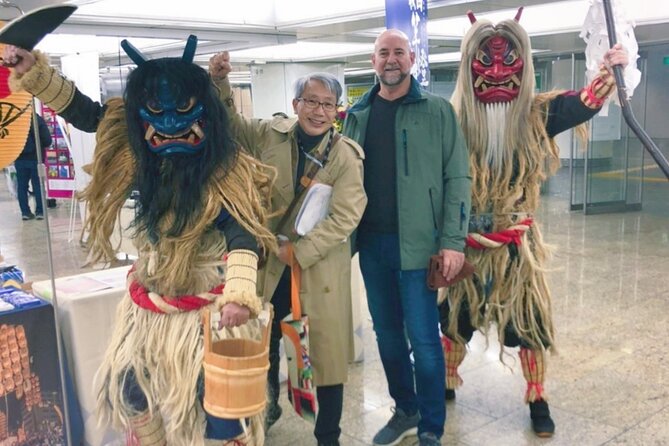
- Real shrine know-how: you’re taught how to do an offering at Hanazono Shrine (not just a quick glance).
- Shinjuku’s famous contrast: big viewpoints, then tiny alleys at Golden Gai.
- Station-food orientation: you’ll taste local station delicacies and learn what to look for.
- A photo-friendly route: bus terminal viewpoints and photogenic streets show off the city’s angles.
- Rain-friendly by design: much of the tour runs through indoor levels and covered spots.
Why Shinjuku Underground Mall feels different with a guide
Shinjuku is Tokyo’s busiest knot, and that matters. The Underground Mall area is enormous, with floors stacked on floors, shops tucked behind storefronts, and directions that only make sense once you’ve been shown how the levels connect. With a local licensed guide, you get the logic fast, instead of spending your 3 hours trying to figure out which staircase leads where.
I also like that the tour doesn’t treat Shinjuku like a single attraction. You get a mix: rooftop views, department store areas, station-adjacent spaces, and shrine etiquette. That blend is perfect for first-timers because it helps you build a mental map of the district.
And yes, it’s useful any season. When Tokyo weather turns, staying in covered spaces keeps the day fun rather than miserable.
You can also read our reviews of more guided tours in Tokyo
Meeting Point at Doutor Coffee, then straight into Shinjuku mode
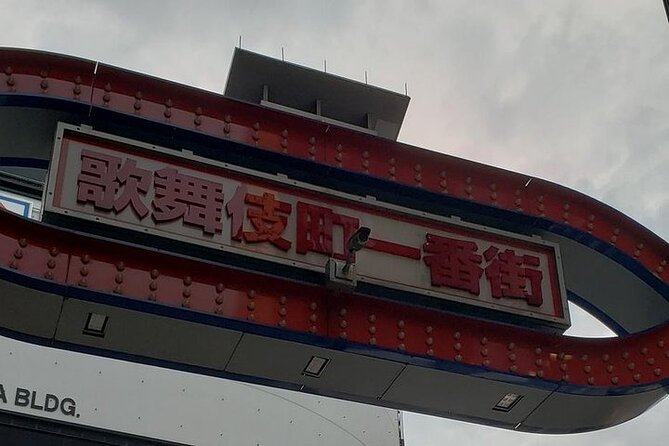
You meet at Doutor Coffee Shop on Yasukuni-dori in Kabukichō. The start time is 3:30 pm, and the tour ends back at the meeting point, which makes the whole thing easier than hunting down your guide later.
This is a private tour/activity, meaning only your group participates. That’s a big deal in crowded Shinjuku because you can ask questions, slow down when you need to, and get help keeping up without feeling like you’re holding everyone back.
You’ll also use a mobile ticket, which is handy if you’re juggling transit, photos, and trying not to lose track of time. Since the meeting point is near public transportation, getting there is usually straightforward.
Tokyo Metropolitan Government views: free, but watch the closed Tuesdays
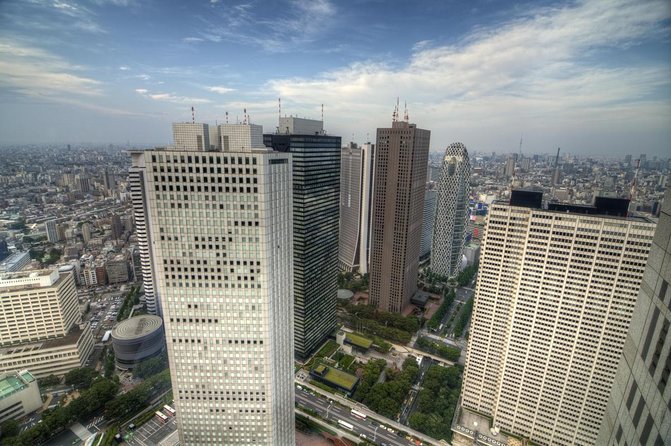
A classic Shinjuku anchor is the Tokyo Metropolitan Government Observation Decks. The nice part: it’s free, and you get a sky-high overview that helps you understand what you’re walking through all afternoon and evening. When the deck is open, the city feels organized from above, and Shinjuku’s scale stops feeling abstract.
There’s one practical drawback. The decks are off on the first Tuesday and the third Tuesday. If your tour date lands on those days, you’ll want to expect a different feel to the top-of-city portion, or just plan to rely more on the other viewpoint stops on your route.
Even if you’ve seen Tokyo from other observation points, this one is useful because it gives you a Shinjuku-specific context—buildings, transit lines, and neighborhood shapes that you’ll recognize later while walking.
Isetan Shinjuku rooftops: the shrine above the shopping floors
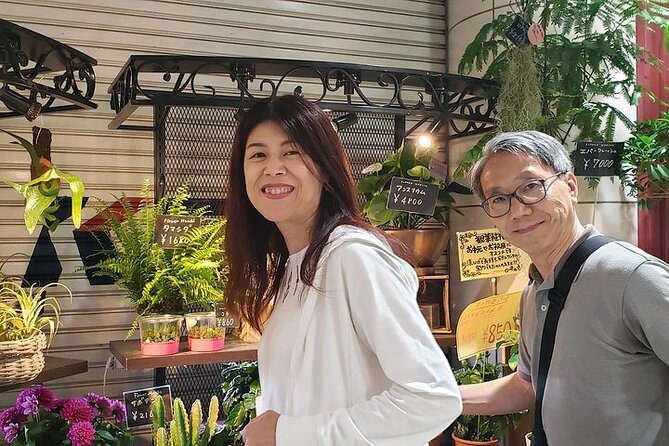
One of the most memorable stops is the Isetan Shinjuku rooftop area. Yes, there’s a shrine up there, and that contrast is exactly why it works. You get big skyline views, then a calmer, more ritual space with the guide explaining what you’re seeing.
From there, the tour also includes the Isetan underground mall area. This is where Shinjuku’s shopping brain kicks in: you can find lots of items and brands tied to this location, and you’re not just browsing randomly. With the guide, you get direction on what’s worth your time, especially if you’re trying to bring home something more interesting than the usual souvenir shelf.
Timing note: the rooftop and Isetan stop includes time to look around, but admission for this part is not included. That means you should be ready to pay for the rooftop access if it’s required on the day you go.
Shinjuku Expressway Bus Terminal: big architecture, easy photos
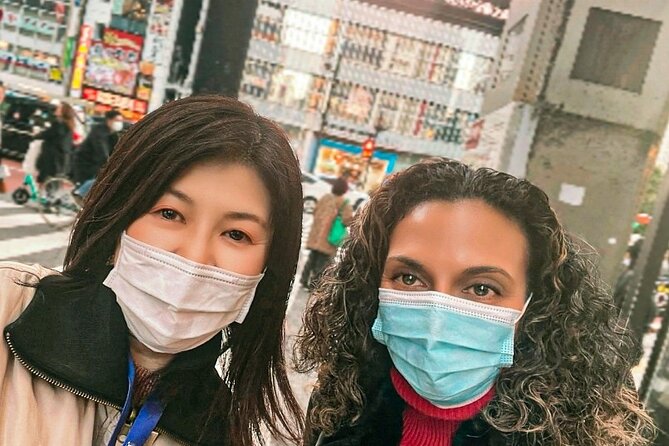
Next up is the Shinjuku Expressway Bus Terminal area. It’s not the first thing most people think of in Tokyo, but it’s photogenic in a very honest way: functional architecture, wide sightlines, and signage that shows how the city works when you zoom out from tourist lanes.
This stop is a good reset between bigger landmarks and tighter alley areas. You can take photos without feeling like you’re constantly dodging crowds at street level. It also helps that the guide keeps you moving along the right edges—bus terminals can feel chaotic if you arrive without orientation.
If you’re the type who likes seeing how Tokyo operates beyond the postcard spots, this is a smart add-on.
You can also read our reviews of more shopping tours in Tokyo




Golden Gai: tiny alleys that show another side of Shinjuku
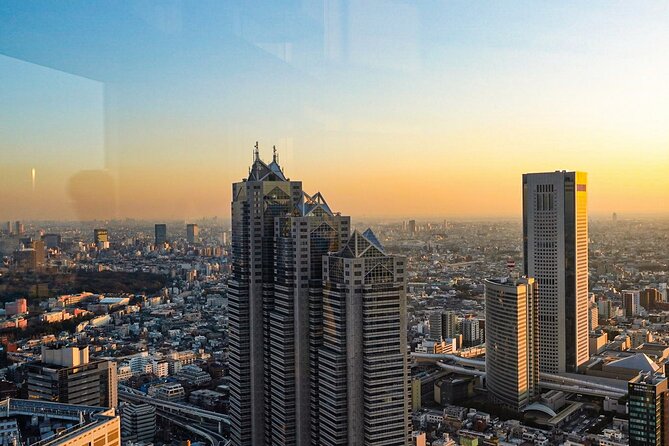
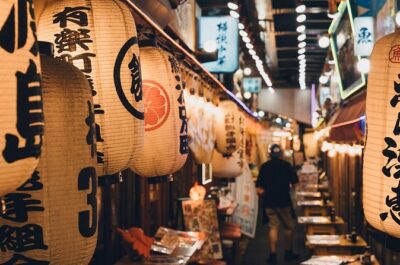
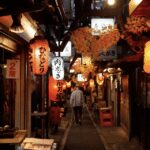
Then the tour drops into Golden Gai, the bar-area neighborhood known for its narrow lanes and small venues. It feels very different from the department stores and observation decks—more human scale, more character, and a vibe that’s all about atmosphere rather than big sights.
Even if you don’t plan to drink, it’s worth walking through. It’s one of those places where Tokyo’s nightlife culture is visible in street form. The guide’s role here is practical: you get to see the area without getting stuck wandering in circles, and you can understand what makes it distinctive.
If you’d rather spend your money elsewhere, that’s totally fine. Think of Golden Gai as an orientation walk through a Tokyo “scene,” not a paid activity.
Hanazono Shrine: the offering practice you’ll remember
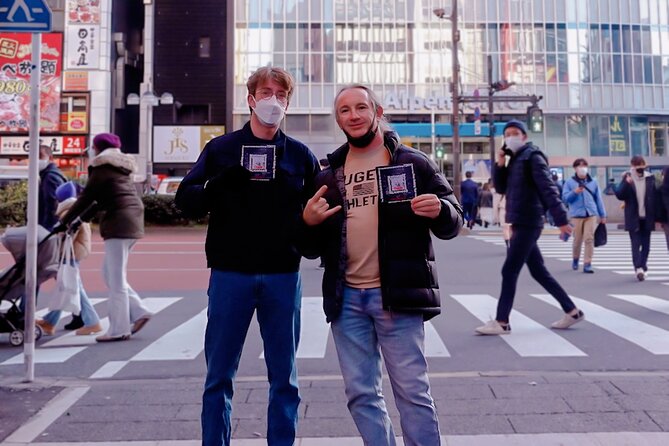
At Hanazono Shrine, the tour becomes hands-on in a good way. This is a top Shinjuku shrine stop, and the guide explains how to participate correctly. Instead of just taking photos, you learn what to do and why, which makes the experience feel respectful and real.
A standout from guide-led experiences here is how they translate the ritual steps into something you can actually follow. You’ll get instruction on how to make an offering, and you’ll understand the meaning behind the gestures. That’s huge when you don’t speak Japanese well, because shrine etiquette is one of those areas where a little guidance prevents awkward guesswork.
Some guides also help with fortune reading moments. If you end up with a fortune paper, your guide may help you interpret it during the visit, turning the shrine stop into a personal memory rather than a photo stop.
Shinjuku Station West Square event corner: a small pause with big design clues

At Shinjuku Station West Square, you’ll stop at an event corner with a low ceiling. The interesting detail here is that the space was previously used as a parking lot. That bit of transformation is the kind of Tokyo reuse that makes the city feel layered rather than static.
This is a short stop, but it’s useful. It gives you a breather, and it also helps you notice how Shinjuku keeps repurposing spaces to fit what people need now—shopping, transit, events, and everyday movement.
Even 5 minutes here helps you slow down and reset your eyes before the next section of the walk.
Southern Terrace at Shinjuku: Takashimaya views, penguin statue, and Starbucks
The route then heads to the Shinjuku Southern Terrace area near Takashimaya, another place where Tokyo mixes old and new rhythms. You’ll get scenery views from this elevated terrace space, which is handy because it breaks up the walking with a wider look.
There’s also a penguin statue here and a Starbucks in the mix. It sounds silly, but these are exactly the kinds of recognizable markers that help you orient yourself in a huge station-and-department-store zone.
This portion also feels like a calm transition. You’re moving from bus terminal scale into more rooftop-garden quiet, and the guide helps you keep the pace without rushing you.
Marui Annex rooftop garden: your payoff moment to slow down
Next is Shinjuku Marui Annex, famous for its rooftop garden. This stop is about relaxation, plain and simple. After dense underground corridors and alley-like streets, the rooftop garden gives you a visual pause and a moment to breathe.
The scenery here makes the whole tour feel balanced. You’re not only collecting highlights—you’re getting a softer end to the afternoon, which helps Shinjuku stop feeling like one long sprint.
If you tend to get tired from walking at the end of city days, this is where you can let your body catch up.
Food stops: how this route helps you taste Shinjuku without guessing
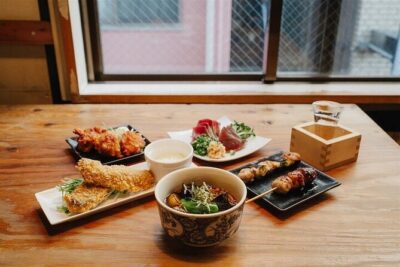
The tour is built around tasting Shinjuku Station food delicacies, and that’s more valuable than it sounds. In Shinjuku, it’s easy to see stalls, buy something fast, and then realize it wasn’t the local-style thing you were hoping for—or it didn’t match your preferences.
With a guide, you get pointed to what to try and when, while also learning how to navigate the station’s food areas without feeling lost. You’re not wandering aimlessly in search of snacks; you’re following someone who knows which spots work for a short, timed tour.
I like this approach because it turns food into context. Instead of eating in isolation, you’re tasting while learning the neighborhood flow.
Guides shape the experience: Shimmy, Nao, and Terri/Terry’s impact
One reason the ratings are so high is the guide experience. Names that come up in guide-led stories include Shimmy, Nao, and Terri/Terry, and their common thread is clear: they’re friendly, professional, and willing to teach, not just point.
In particular, you’ll often get help with practical Japanese. Some guides teach basic phrases, manners, and customs, which makes shrine visits and everyday interactions feel easier. You also may get extra cultural context, including Japanese history, in ways that fit the walk rather than turning it into a lecture.
Photography matters too. Guides in this area often offer to take pictures for you, which saves you from doing the classic tourist shuffle of stopping every 20 steps to hand your phone to a stranger.
There’s also the possibility of adding small interest-based extras. For example, one guide helped someone see a Godzilla head when it came up as a topic. If you’re into that kind of Tokyo pop-culture detail, it’s worth mentioning your interests early.
Value check: why $32.58 feels fair for what you cover
At $32.58 per person for about 3 hours, this is strong value if you want an organized introduction. You’re getting a licensed guide, a focused route through major Shinjuku landmarks, and multiple “this is hard to find alone” moments like rooftop shrines and shrine offering practice.
Many key stops are free, including the Metro Government Observation Decks when open. You’ll also see Golden Gai and several station-adjacent areas that don’t require separate paid entry. The main cost consideration is the Isetan rooftop portion, which lists admission as not included.
So the money isn’t going to door tickets—it’s going to saving time, avoiding confusion, and learning etiquette. In Shinjuku, that’s usually the better bargain.
Who should do this tour (and who might skip it)
I’d steer you toward this tour if:
- You’re visiting Shinjuku for the first time and hate getting lost in huge stations.
- You want shrine visits with instruction, not just pictures.
- You like a route that mixes food, viewpoints, and neighborhood texture.
- You want a private setting where your group can move comfortably.
You might skip it if you already know Shinjuku well and want to wander without structure. Or if you’re sensitive to crowds and continuous walking, you may prefer a shorter route or a slower self-guided plan.
Practical tips that make the walk easier
Shinjuku rewards sensible prep. Wear shoes you can walk in comfortably, because you’ll be moving through dense areas for the full 3 hours.
Bring your mobile ticket in an easy-to-access place, and keep your phone charged. You’ll want it for directions, photos, and the fun small details along the way.
Most importantly: ask questions. This is the kind of tour where a guide can explain not only what you’re seeing, but also what to do, how to behave, and how to spot what’s worth your time.
Should you book the Shinjuku Underground Mall Tour?
If your goal is a smart first day in Shinjuku—rooftop shrines, Hanazono offering guidance, city views, Golden Gai atmosphere, and station food—this tour is a very good fit. The price is modest for a guided route, and the guide-led teaching makes the experience feel more meaningful than a checklist.
I’d book it especially if you’re worried about language barriers or getting turned around. You’ll trade a bit of control for a lot of clarity—and in Shinjuku, clarity is half the vacation.
FAQ
FAQ
What is the duration of the Shinjuku Underground Mall Tour?
It runs for about 3 hours.
How much does the tour cost?
The price is $32.58 per person.
When does the tour start?
The start time is 3:30 pm.
Where is the meeting point?
You meet at Doutor coffee shop Shinjuku Yasukuni-dori1-chōme-23-15 Kabukichō, Shinjuku City, Tokyo 160-0021, Japan.
Is this a private tour?
Yes. It’s a private tour/activity, and only your group participates.
Do I need to buy tickets for all stops?
Many stops are free, but admission is not included for the Isetan Shinjuku stop.
Are there any days when the observation deck might not be available?
Yes. Tokyo Metro Government Building Observation Decks are off on the first Tuesday and the third Tuesday.
Is the tour suitable in different weather?
Yes. It’s designed for activities in all weather, year-round.
Is the tour in English?
The tour is described as guided by a national government-licensed guide-interpreter, and guide reviews mention strong English support.
Can I cancel for a full refund?
Yes. Free cancellation is available up to 24 hours in advance for a full refund.