REVIEW · TOKYO
A perfect Japanese experience: Tea Ceremony and Mochi Forming
Book on Viator →Operated by beautiful day tours · Bookable on Viator
Mochi turns into edible sculpture. I love shaping Nerikiri like colorful clay, and I love that you make four season-inspired sweets instead of just one cute bite. The whole thing happens in a century-old antique store setting, not a generic classroom feel.
I also like that you get real tea ritual: after you form your wagashi, you move into a tea room and enjoy it with matcha served after the confection. There’s tasting involved, so it’s not all hands and no taste.
One drawback to keep in mind: this is run by an artisan host, and English support can be limited. Timing is strict too. If you’re late, the experience ends as scheduled.
In This Review
- Key things to know before you go
- Nerikiri Wagashi: The Fun Part Feels Like Clay Art
- Yanaka’s Century-Old Antique Shop Setting Changes the Mood
- Step-by-Step Schedule: From Wagashi Stations to Matcha Time
- What You’ll Make: Four Seasonal Nerikiri Designs
- Tea Ceremony Here Isn’t Just a Side Quest
- Price and Value: Why $55.38 Can Make Sense
- How to Prepare: Tiny Planning That Makes It Easier
- What Happens to Your Wagashi After the Class
- Who This Tour Fits Best (and Who Should Rethink It)
- Should You Book This Wagashi and Tea Class in Tokyo?
- FAQ
- How long is the tea ceremony and mochi (Nerikiri) forming experience?
- What’s included in the price?
- Do I need to bring anything with me?
- How many different sweets will I make?
- Where does the experience start?
- What is the group size?
- Is there an age requirement?
- What if I’m late or can’t reschedule?
- How long will the wagashi last after the class?
Key things to know before you go
- Small group of up to 5 people keeps the class personal.
- No need to bring tools: ingredients and supplies are included.
- Make four styles of seasonal wagashi, based on what the chef selects.
- Nerikiri is mochi-flour based, formed with colored materials to build a figure.
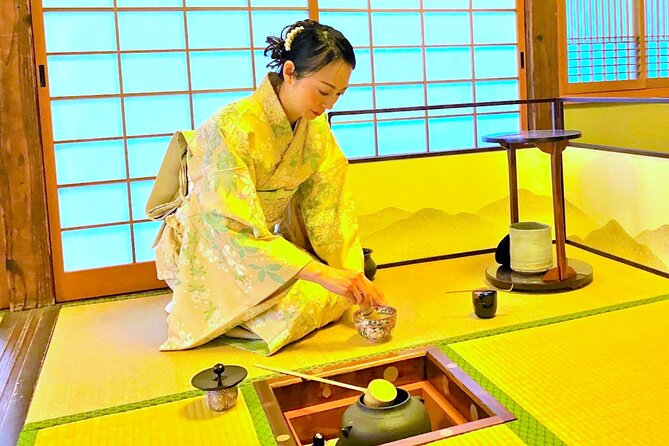
- Tea ceremony is part of the experience, with real matcha served in a dedicated room.
- Your sweets are short-lived: no artificial additives, about 2 days refrigerated.
Nerikiri Wagashi: The Fun Part Feels Like Clay Art
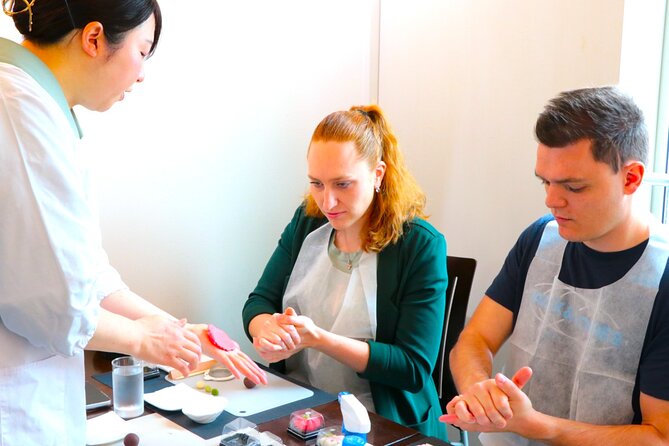
This class focuses on Japanese sweets called Wagashi, and specifically a type known as Nerikiri. The main ingredient is mochi flour. That matters because Nerikiri has that smooth, workable feel that lets you shape it into something detailed without needing special “baking skills.”
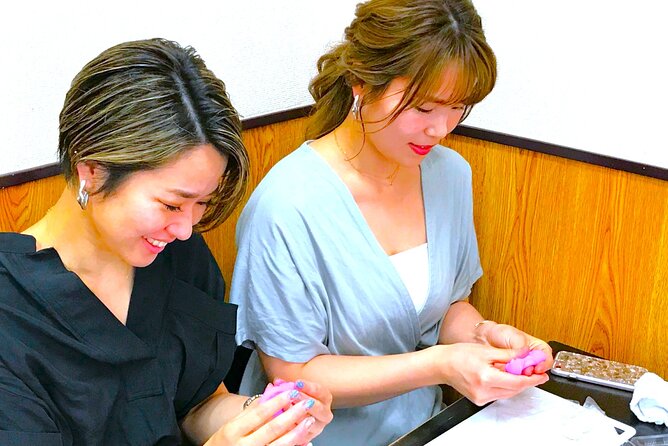
The forming process is basically a hands-on exercise: you build a target figure by shaping and combining several colored materials. If you’ve ever played with modeling clay, you’ll get the idea fast. If you’ve never done it, you’ll still be fine. The class is designed to be approachable, and the supplies are already there.
The biggest win here is variety. You’re not making one simple sweet and calling it done. You learn multiple styles—four different ones. That means your brain stays engaged, and you get a better sense of how Wagashi artists think: shape, color, and seasonal symbolism all working together.
Also, you get to taste at the end. That’s important. In crafts like this, people sometimes leave thinking they only made something they weren’t sure how to enjoy. Here, you actually get the sweet-and-tea payoff.
You can also read our reviews of more tours and experiences in Tokyo.



Yanaka’s Century-Old Antique Shop Setting Changes the Mood
The location is in Tokyo’s Yanaka area (Taito City), and the workshop takes place in a century-old antique store. Before you even start shaping anything, you’re encouraged to look at the antique tableware first. That’s not a throwaway moment. It’s part of setting the tone.
This is the kind of space where you can feel the craft culture around you. You’re surrounded by older objects, which makes the sweets feel less like a tourist product and more like a real tradition that belongs in a real shop.
A lot of cooking and craft experiences happen in a modern back room. This one doesn’t. The antique setting is exactly why the experience has stood out publicly. More importantly for you, it helps the time feel calm and focused, instead of rushed and generic.
There’s also something practical about the store setup. The class moves from the workshop area to a dedicated tea room. That separation helps your brain switch gears: hands form wagashi here, then tea and tasting happen over there.
Step-by-Step Schedule: From Wagashi Stations to Matcha Time
Let’s break down what happens in the order you’ll experience it.
Arrival and the antique-tableware moment
When you arrive at the shop on Yanaka, you take your time looking around at the antique tableware. Don’t rush through this part. It sets the atmosphere and gets you in the right mode for a craft class.
Wagashi forming in the main shop area
Next comes the Nerikiri part. You’ll work at your station with tools and ingredients provided. The instructor teaches you how to shape the dough and build the design using colored materials.
This is where you’ll likely notice a few things right away:
- The dough handles differently than standard pastry.
- Small changes in shaping affect the final look.
- You’ll get guidance so your shapes look intentional, not just messy.
Sweet tasting and then the tea ceremony
After forming, you shift to a dedicated tea room. The tea setup is designed around sitting in a chair, so you’re not expected to force your body into awkward floor seating. That’s a real comfort factor.
You’ll be served by the host with a confection first, then real matcha. The matcha is served as real tea, not sweetened dessert drink. Then you eat your own wagashi as part of the experience.
Total duration is about 1 hour 40 minutes, so it moves at a pace that feels like you learn, make, and enjoy without burning a full half day.
What You’ll Make: Four Seasonal Nerikiri Designs
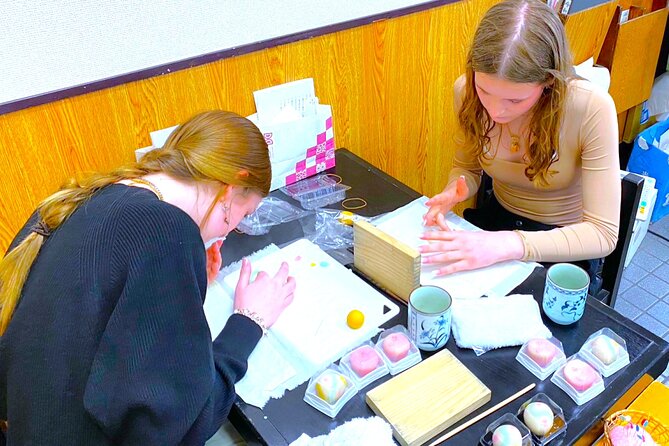
The tour is centered on seasonal wagashi, meaning the chef chooses designs inspired by what fits the season at the time. In practice, that can include spring themes and floral or garden-like shapes.
From past classes, you can end up making styles such as:
- a fan and a flower
- a plum and a hydrangea
- sakura/spring-inspired designs
You should think of it like this: wagashi design isn’t only about beauty. It’s also about showing the season in a small edible form. The Nerikiri shaping process supports that idea because the craft is all about sculpting details.
One more point that helps your expectations: the class is fun and fairly hands-on, but it’s still guided craft work. You won’t just freestyle. The chef and host show you what to do, and you replicate the method to create your own seasonal sweets.
By the end, you’ll have multiple finished sweets. You can treat that as both a souvenir and a real snack—just keep in mind the freshness limits (more on that below).
Tea Ceremony Here Isn’t Just a Side Quest
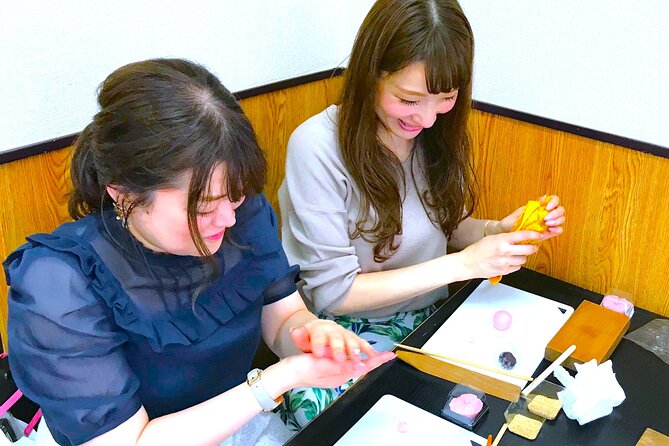
In a lot of classes, tea is an add-on: you sip something while you wrap up. Here, tea is a real part of the flow.
The experience includes:
- a tea ceremony setting in a dedicated room
- your own wagashi to eat with the ceremony
- a host-led service with confection first
- then real matcha (described as not sweet)
I like this format because it teaches you how Japanese sweets and tea work as a pair. Matcha isn’t trying to taste like dessert. It’s more about balance and contrast. Eating your wagashi alongside real tea helps you notice the difference between sweetness and flavor depth.
Also, the room design is made for chair seating. That might not sound like a big deal until you’re there. It means you can focus on the ritual instead of fighting your knees and ankles for posture.
And since your class time includes both hands-on making and a calm tea moment, the overall experience feels complete. You’re not leaving with only a craft project. You leave with a practiced snack routine, at least in spirit.






Price and Value: Why $55.38 Can Make Sense
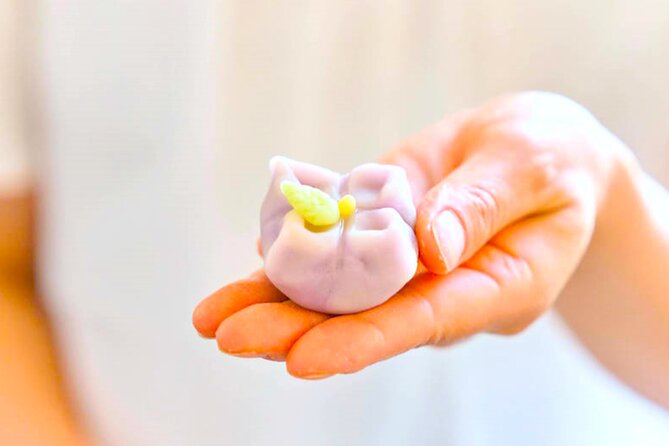
At $55.38 per person, this is not the cheapest “make something” activity in Tokyo. But it can be good value because you’re paying for several things at once:
- Four styles of Nerikiri learning and creation
- all tools and ingredients included (you don’t have to shop or bring anything)
- a tea ceremony with real matcha plus tasting
- a small group size (maximum 5)
If you’ve done craft classes elsewhere, you know the price often depends on materials and instructor time. Here, the materials are part of the package. You’re not expected to guess what you’ll need at the store.
And the small group size changes how much attention you get. With up to five people, it’s easier to get corrections and reassurance while you shape delicate details.
So yes, $55.38 can feel like “a choice.” But if you want more than a quick photo stop—if you want to learn, make, and then taste—this is the kind of class that justifies the cost.
How to Prepare: Tiny Planning That Makes It Easier
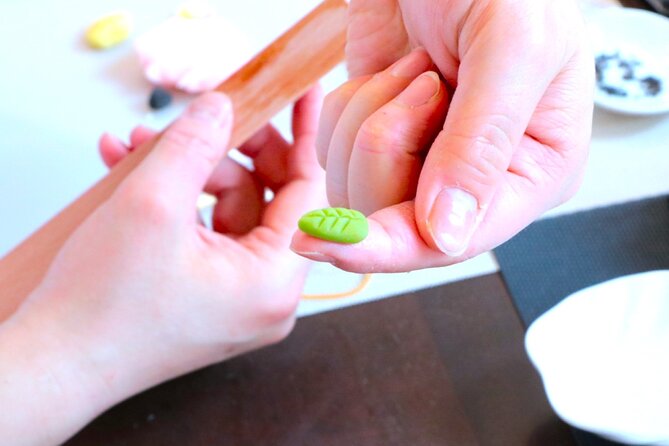
You don’t need to bring anything for the craft part. Still, you can make your day smoother with a few practical habits:
- Go in with some appetite control. You’ll eat your wagashi and have tea, so you may not want a heavy meal right before.
- Wear comfortable clothes for shaping work. Nerikiri is handled like clay, and you’ll be using your hands.
- Plan your arrival with buffer time. This experience ends on schedule even if you’re late.
- If you’re sensitive to sweetness, pay attention to the tea being not sweetened. That helps balance your palate.
Language is also part of preparation. The host is described as an artisan, and English may be limited. That doesn’t mean you’ll be lost. It does mean you should go in expecting a calm, craft-focused style of communication rather than a lecture.
Finally, note the age minimum: at least 13 years old. If you’re bringing teens under 18, an adult must accompany them.
What Happens to Your Wagashi After the Class
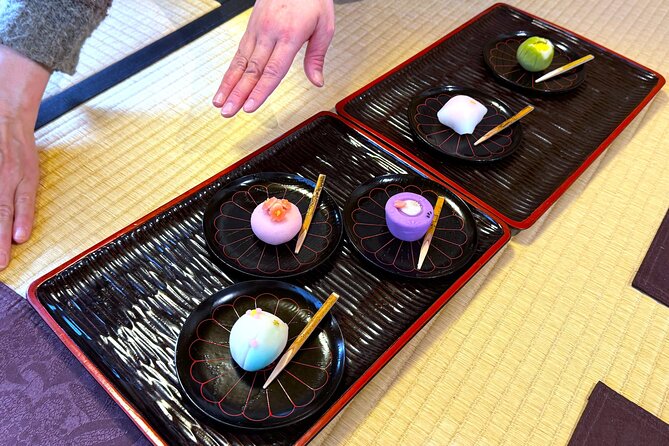
This is the part people sometimes forget: wagashi isn’t meant to last forever. Your Nerikiri sweets are made without artificial additives, and they’re expected to last only about 2 days if kept refrigerated.
So think about what you’ll do the moment you leave:
- Eat them soon, or
- share them quickly, or
- refrigerate promptly if you’re carrying them.
If you’re hoping for a long-lasting souvenir for later in the trip, this may not fit. It’s better to treat these sweets as a near-term treat rather than a week-long keepsake.
Who This Tour Fits Best (and Who Should Rethink It)
This experience is a great match if you:
- like hands-on crafts and want to learn how seasonal wagashi is formed
- want a tea ceremony that includes actually eating the sweets you made
- enjoy small groups where you can ask questions and work at your own station
It also works well for people who like structured creativity. You don’t just get random supplies. You get guidance that helps you shape Nerikiri into recognizable designs.
You might rethink it if you:
- need a class with strong English commentary the whole time
- hate strict timing and risk being late
- want sweets that keep for longer than a couple of days
Should You Book This Wagashi and Tea Class in Tokyo?
I think you should book it if you want an experience that feels both Japanese and practical. The setting in a century-old antique store adds atmosphere, but the real value is in the craft and the tea pairing. You leave with multiple seasonal sweets, plus the matcha experience that helps you understand how wagashi is meant to be enjoyed.
If you want a sit-back-and-watch activity, this one may feel too hands-on. If you want something structured, tactile, and genuinely tied to tradition, it’s a strong choice.
One last check before you commit: plan your arrival so you’re not cutting it close. And remember your sweets are best within 2 days in the fridge. If that fits your schedule, this class can be a satisfying Tokyo memory that’s more than a photo.
FAQ
How long is the tea ceremony and mochi (Nerikiri) forming experience?
The experience lasts about 1 hour 40 minutes.
What’s included in the price?
You’ll get instruction from a Wagashi chef, tools and ingredients to make Nerikiri, and a sweet tasting plus a Japanese tea ceremony with real matcha.
Do I need to bring anything with me?
No. Tools and ingredients are included, and you don’t need to bring anything.
How many different sweets will I make?
You will learn to make four different styles of seasonal sweets.
Where does the experience start?
It starts at 6-chōme-2-40 Yanaka, Taito City, Tokyo 110-0001, Japan, and ends back at the meeting point.
What is the group size?
The class has a maximum of 5 travelers.
Is there an age requirement?
Participants must be at least 13 years old. Those under 18 must be accompanied by an adult.
What if I’m late or can’t reschedule?
The program ends as originally scheduled, even if you are late. Also, the experience is non-refundable and cannot be changed.
How long will the wagashi last after the class?
The sweets have no artificial additives and are expected to last about 2 days if kept refrigerated.