REVIEW · TOKYO
Tokyo: Shibuya Food Tour, Neon Lights & Local Flavors
Book on GetYourGuide →Operated by AMIGO TOURS JAPAN GK · Bookable on GetYourGuide
Night eats in Shibuya feel like a short movie. I love how the tour lines up the iconic Hachiko moment with the crosswalk chaos of Shibuya Crossing, so you get atmosphere and context fast.
My second favorite part is the food focus: you’ll sample classic Japanese bites like onigiri and Japanese sponge cake, plus other street favorites along the way.
One thing to plan for: it’s a walking tour, so wear comfortable shoes and expect standing around popular spots.
In This Review
- Key things I think you’ll enjoy most
- Why Shibuya at night makes food taste better
- Meeting at Hachiko Square and starting with a story
- Shibuya Crossing plus a konbini stop you can actually copy later
- Miyashita Park: a stylish break from the street noise
- Center Gai street eats: corndog or takoyaki, plus neon energy
- The 10-yen coin keepsake (and why it’s more than a gimmick)
- Don Quijote: discount-store chaos in the best way
- A hidden onigiri stand: the street-food detail that sticks
- Tokyu Hands: the design-and-stationery side of Shibuya
- The cozy café break: how to pace the night
- Price and what $119 really buys you
- How much walking is involved, and what to wear
- Who this tour is best for (and who should rethink it)
- Should you book this Shibuya Food Tour
- FAQ
- Where do I meet the guide?
- Where does the tour end?
- What’s included in the tasting?
- What languages does the guide speak?
- Can dietary restrictions be accommodated?
- Is the tour wheelchair-friendly, and are pets allowed?
Key things I think you’ll enjoy most
- Hachiko Square start: a clear, easy kickoff point tied to one of Tokyo’s best-known meeting symbols
- Shibuya Crossing stop: the world-famous crossing as a photo moment and a cultural checkpoint
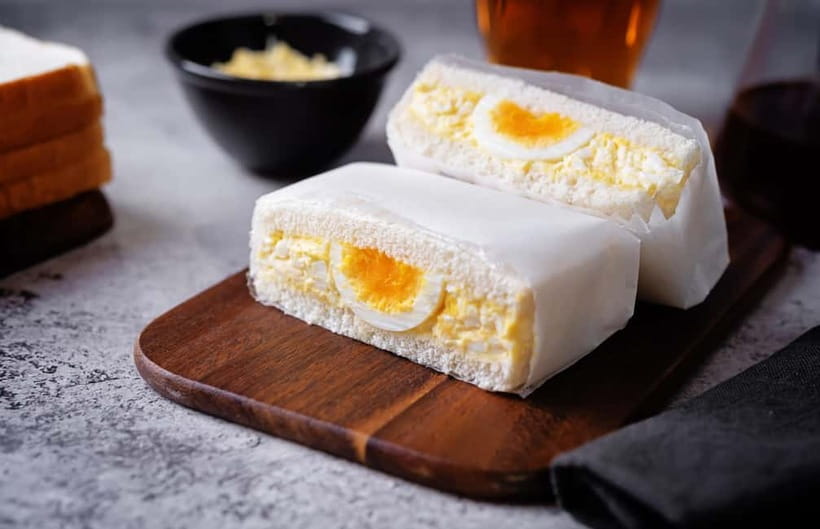
- Konbini snacks: grab-and-go foods like a classic egg sandwich and onigiri, explained as you go
- Neighborhood street-food variety: you’ll taste Korean-style corndog or takoyaki while walking Center Gai
- Don Quijote + Tokyu Hands: discount-store fun plus design-and-stationery browsing in one night
- A 10-yen coin keepsake: a small, very Japan memento that’s easy to take home
Why Shibuya at night makes food taste better
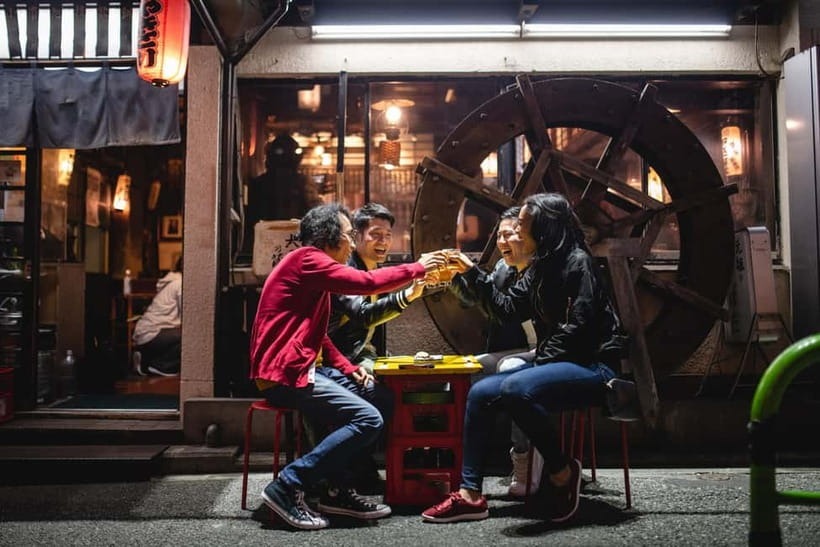
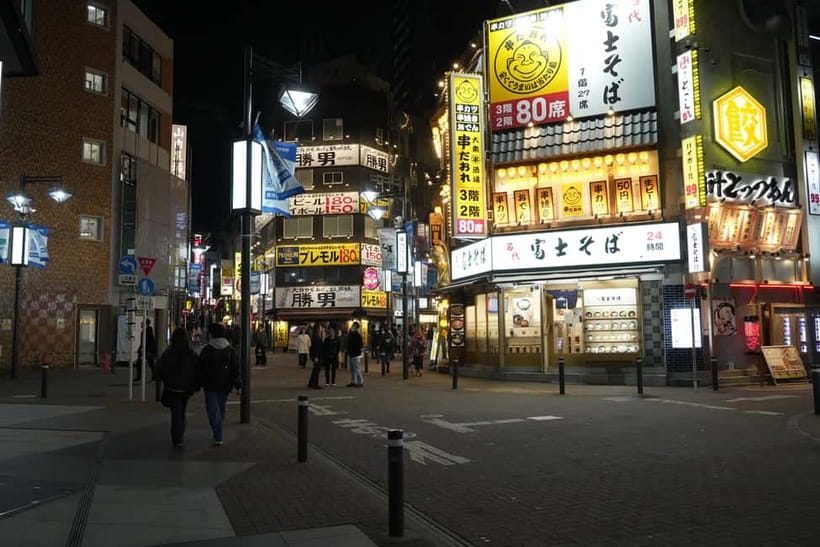
Tokyo nights have a special rhythm, and Shibuya is where that rhythm feels loudest. The streets look like they’re running on lights and foot traffic, and that energy makes even simple snacks more fun to eat.
This tour works because it doesn’t only show landmarks. You also get a guided way to eat local favorites without guessing what to order or where to go next.
You can also read our reviews of more food & drink experiences in Tokyo



Meeting at Hachiko Square and starting with a story
You’ll meet at Hachiko Square, right next to the Hachiko Statue. The guide waits with a sign for Amigo Tours, so look for that and arrive about 10 minutes early for check-in.
I like this start because Hachiko isn’t just a photo op. You’ll hear the touching story of the loyal dog, and that context makes the statue feel like part of the city’s personality, not just a landmark.
Shibuya Crossing plus a konbini stop you can actually copy later
After you start, you’ll cross the iconic Shibuya Crossing. It’s one of the most famous intersections on the planet, but the point here isn’t to stare from far away. You’re guided to the right moment to take photos and then transition smoothly into eating.
Next comes a stop at a Japanese konbini (convenience store) to try popular grab-and-go items. Expect snacks like a classic egg sandwich, onigiri, and crispy fried chicken. This is useful travel value: if you’ve ever felt stuck in a convenience store wondering what’s worth it, a guide helps you learn what to reach for.
A quick practical tip: convenience-store foods are meant to be eaten fast. Bring your camera, but don’t let it slow you down too much. You’ll want the food while it’s fresh.
Miyashita Park: a stylish break from the street noise
You’ll also get to walk through Miyashita Park, which feels like an urban pause between busy stretches. It’s full of shops and restaurants, and the rooftop park views help you look at Shibuya from a more relaxed angle.
This stop matters because it gives you a breather before the next set of street-food stops. It also helps you understand how Shibuya blends everyday life, shopping, and public space—without needing a museum ticket or extra planning.
Center Gai street eats: corndog or takoyaki, plus neon energy
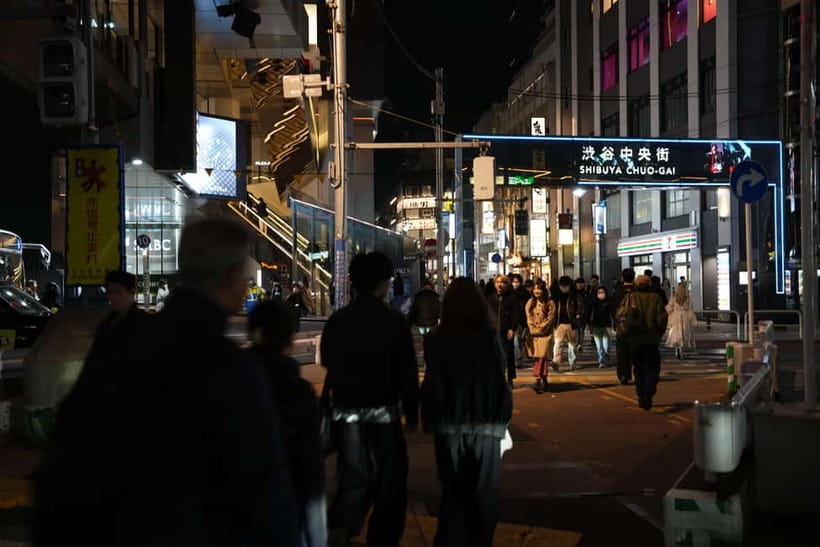
From the park area, the tour pushes you toward Center Gai, one of Shibuya’s busiest streets. This is where the night feels like it’s in motion.
You’ll have a choice point for one of the featured tastes: Korean-style corndog or takoyaki. Either way, you’re getting a hot, street-friendly bite that fits the vibe of the area. And because you’re walking while you eat, it feels like part of the experience rather than a separate meal.
If you’re the type who likes to snack your way through a city, this portion is a good match. If you prefer sit-down dining, consider this your lively food-between-places night.
You can also read our reviews of more tours and experiences in Tokyo



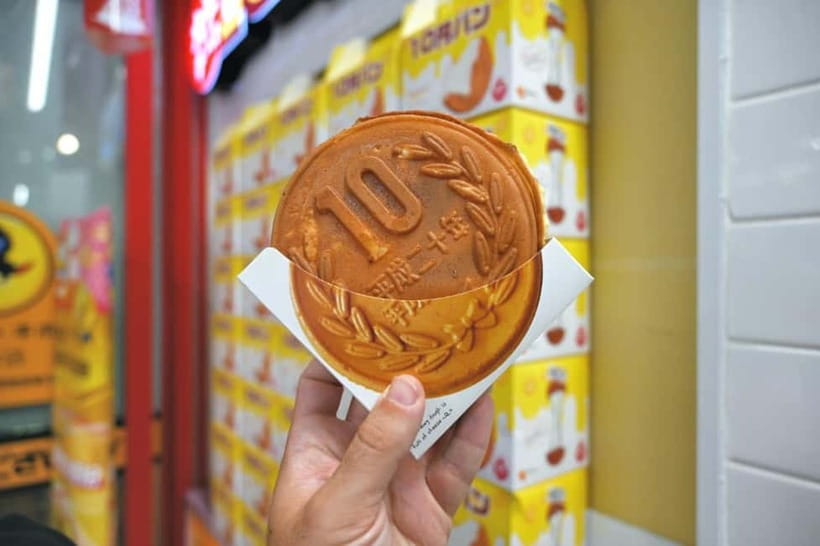
The 10-yen coin keepsake (and why it’s more than a gimmick)
At some point during the walk, you’ll grab a 10-yen coin as a small, meaningful souvenir. It’s the kind of item that’s easy to keep in your pocket and later in a travel keepsake box.
What I like about this detail is that it’s simple. It doesn’t require you to hunt for anything, and it still gives you something that feels tied to the night you’re having.
Don Quijote: discount-store chaos in the best way
Next up is Don Quijote, Japan’s top discount store. Yes, it’s a little eccentric. That’s the point. The place is famous for quirky products and all the snack browsing you can handle.
You’ll have time to explore for treats and souvenirs. Think of this stop as a low-pressure shopping moment where you can pick up edible gifts, fun little Japanese items, and practical things you forgot you needed.
A balanced note: because it’s a discount store with a lot going on, you may want to set a tiny spending limit in your head. It’s easy to get distracted and buy more than you planned, especially if you’re also tempted by snacks.
A hidden onigiri stand: the street-food detail that sticks
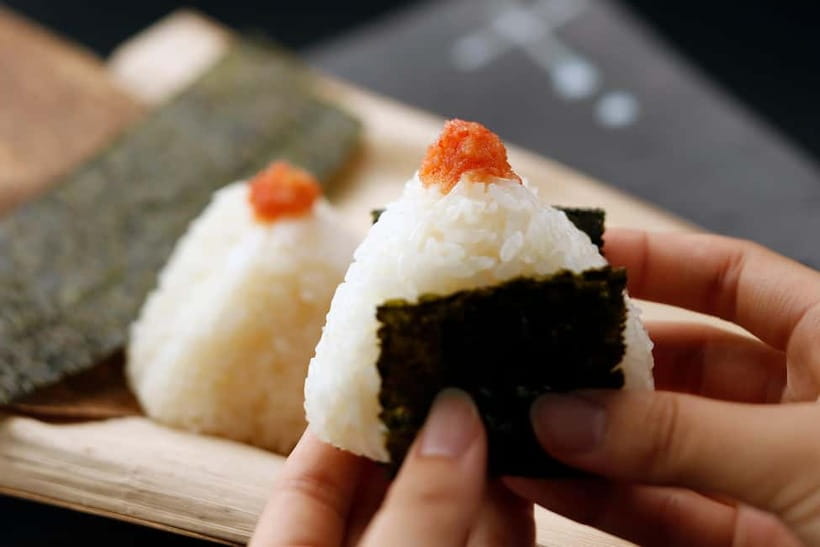
After the bigger store stop, the tour shifts to something more focused: a hidden onigiri stand. You’ll taste another onigiri here, and the point is to see how different vendors and styles can make the same category of food feel different.
This part of the tour is great if you want to bring home more than just memories. Onigiri is one of those foods you can recognize anywhere later, but the flavor is better when you’ve had a guide explain what makes it appealing.
Tokyu Hands: the design-and-stationery side of Shibuya
To close the night, you’ll visit Tokyu Hands, a treasure trove of Japanese design, stationery, and creative goods. This isn’t a random ending either. Shibuya isn’t only neon streets and food stops. It’s also where people go to browse for clever everyday objects.
If you like notebooks, pens, small gadgets, or giftable items, you’ll probably enjoy this stop. It’s a different mood than the food phase: slower browsing, more looking, less eating.
The cozy café break: how to pace the night
Between the walking and the food tastings, there’s also a break at a cozy café. This matters because Shibuya nights can move fast. A pause helps you reset your feet and catch your breath without losing the flow of the tour.
I also like this rhythm for camera time. You can stop, look over what you’ve already captured, and then get back out for the last stretch with fresh energy.
Price and what $119 really buys you
The price is $119 per person. For a city like Tokyo, that isn’t a bargain price, but it’s not just paying for someone to point at sights either.
Here’s what you’re getting that justifies it:
- A small group format, which keeps the pace manageable and makes it easier to ask questions
- An English and Spanish bilingual guide, so you’re not stuck guessing food choices
- Tastings of four iconic Tokyo dishes, plus snack-sized stops that are practical and easy to follow
- A planned route that connects landmarks like Hachiko and Shibuya Crossing to food spots like konbini snacks, onigiri, and street foods
- Time-saving navigation in a dense area, especially at night
What’s not included is also clear: additional meals or drinks beyond what you taste are on you. If you’re the kind of eater who wants a full sit-down dinner after the tour, it helps to budget for that separately.
How much walking is involved, and what to wear
This is a nighttime walking tour, and comfortable shoes are a must. You’ll move through multiple neighborhoods and spend time around crowded spots like Shibuya Crossing and busy streets like Center Gai.
Bring a camera. You’ll want to capture the neon-lit streets and those landmark moments, but don’t forget to keep your hands free for eating.
Who this tour is best for (and who should rethink it)
This Shibuya night food tour is ideal if you want:
- A guided way to eat Japanese staples like onigiri and other street foods without indecision
- A mix of food plus shopping stops like Don Quijote and Tokyu Hands
- A night route that shows you Shibuya’s vibe beyond one famous intersection
It may be less ideal if:
- You prefer fully seated, restaurant-style dining
- You need wheelchair access (the tour is not suitable for wheelchair users)
- You don’t enjoy crowds, since Shibuya Crossing and Center Gai are popular areas
Should you book this Shibuya Food Tour
If you’re spending only a short time in Tokyo, this tour is a strong way to get a focused slice of Shibuya: landmarks, food tastings, and quick shopping in one organized evening.
I’d book it if you’re excited by convenience-store snacks, onigiri, and street-friendly bites, and you want a guide to help you choose without turning your night into a problem-solving session. If you’re expecting a quiet, slow walk with lots of downtime, look elsewhere. But for a fun, food-first night in Shibuya, this one makes sense.
FAQ
Where do I meet the guide?
Meet at Hachiko Square next to the Hachiko Statue. The guide will be waiting with a sign of Amigo Tours.
Where does the tour end?
The activity ends back at the meeting point.
What’s included in the tasting?
The tour includes tastings of four iconic Tokyo dishes, plus snack stops such as konbini items. Specific tastings mentioned include an egg sandwich, onigiri, crispy fried chicken, and other street snacks along the route.
What languages does the guide speak?
The guide offers English and Spanish bilingual support.
Can dietary restrictions be accommodated?
Yes. Dietary restrictions can be accommodated with prior notice.
Is the tour wheelchair-friendly, and are pets allowed?
No. The tour is not suitable for wheelchair users, and pets are not allowed.