REVIEW · BUNKYO CITY
Tokyo: Tea Ceremony & Japanese Traditional Sweets
Book on GetYourGuide →Operated by Local Guide Stars · Bookable on GetYourGuide
Tea time in Tokyo, but make it hands-on. This 1-hour session is a smart way to learn the matcha process step by step, then put it into your own hands with a real tea master and a clear English host. I also really like that you don’t just watch you shape seasonal nerikiri sweets that pair with your freshly whisked bowl.
One consideration: the whole experience is only 1 hour, so it’s perfect for a first taste and skill basics, but not for long practice or deep history lectures.
In This Review
- Key points to know before you go
- What makes this Tokyo tea ceremony more than a show
- Otemae demonstration: where the ritual becomes understandable
- Brew your own matcha: technique you can actually feel
- Nerikiri making: seasonal sweets with a real craft vibe
- Why the small English group format is a smart choice in Tokyo
- Price check: does $27 feel fair for matcha and sweets?
- Where you meet near Hakusan Station (and how to show up right)
- Who should book this tea ceremony workshop
- Should you book this Tokyo matcha and nerikiri tour?
- FAQ
- How long is the Tokyo tea ceremony experience?
- Is the experience offered in English?
- What will I do during the tour?
- What is included in the price?
- Where is the meeting point?
- How big is the group?
- Do I need to bring anything?
- Is there free cancellation?
- Can I reserve now and pay later?
- Is it wheelchair accessible?
Key points to know before you go
- A licensed tea master leads the technique so you learn the steps with correct method, not guesswork
- You see otemae first, then do it yourself, which makes the ritual click fast
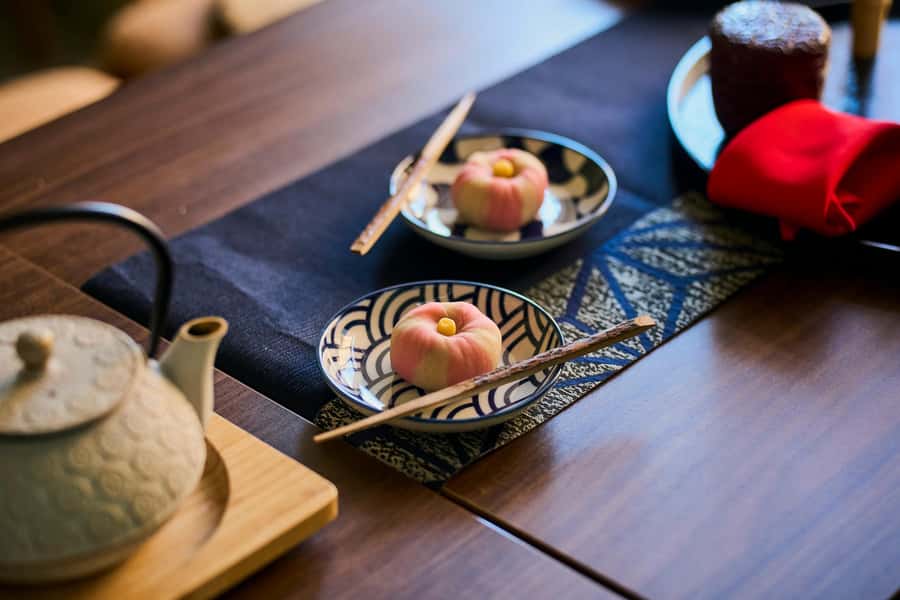
- You make nerikiri (seasonal Japanese sweets) with delicate motifs that match the time of year
- English-only guidance keeps the experience accessible while still staying authentic to the ceremony
- Small group capped at 10 means you can ask questions without the shuffle of big tours
- Convenient meeting near Hakusan Station with a clear 2nd-floor meeting point
What makes this Tokyo tea ceremony more than a show
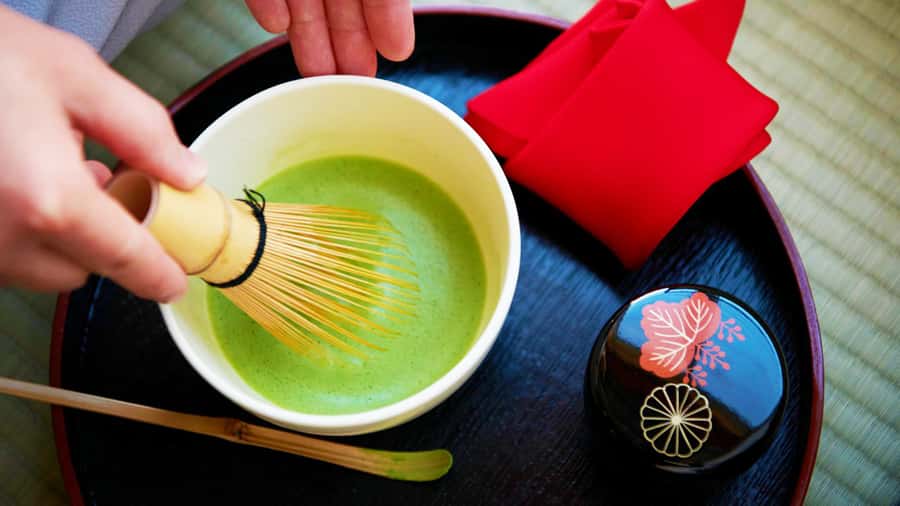
A typical tea experience can fall into two buckets: you watch, or you do. This one leans hard into both. You’ll see the otemae demonstration, which is the graceful, practiced sequence that gives the ceremony its structure. Then you’ll make your own matcha and taste the difference your technique creates.
The value here is that it’s not just performance. You learn how matcha becomes something more than a drink: it’s a moment of focus, done correctly. That matters in Tokyo, where you can easily spend your time rushing between sights. This tour is a controlled, calm pocket of the day.
And because you’re also crafting seasonal nerikiri, you get a second layer of Japanese craft. It’s not random sweets. The shapes and colors connect to changing seasons, so you’re learning how Japanese sweets communicate time and nature through edible design.
Otemae demonstration: where the ritual becomes understandable
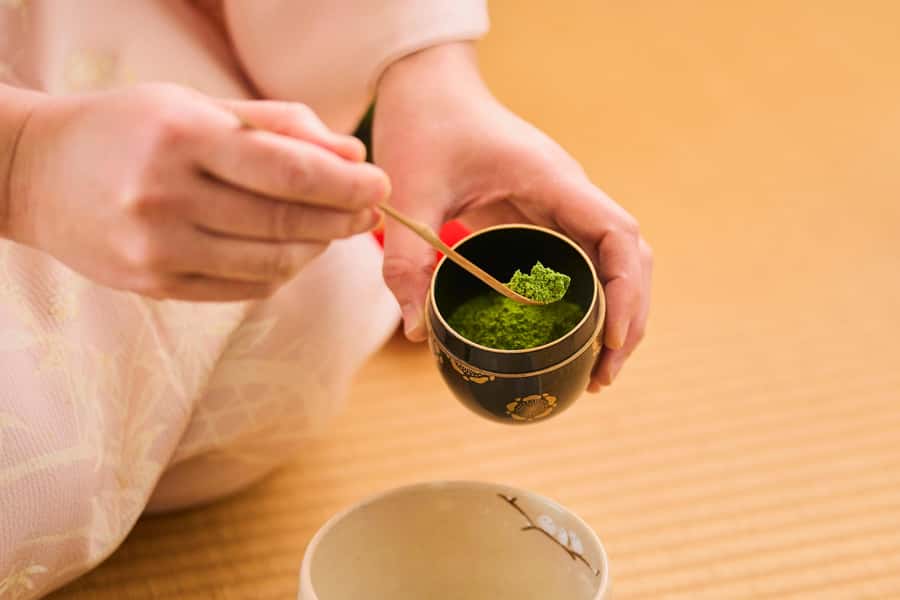
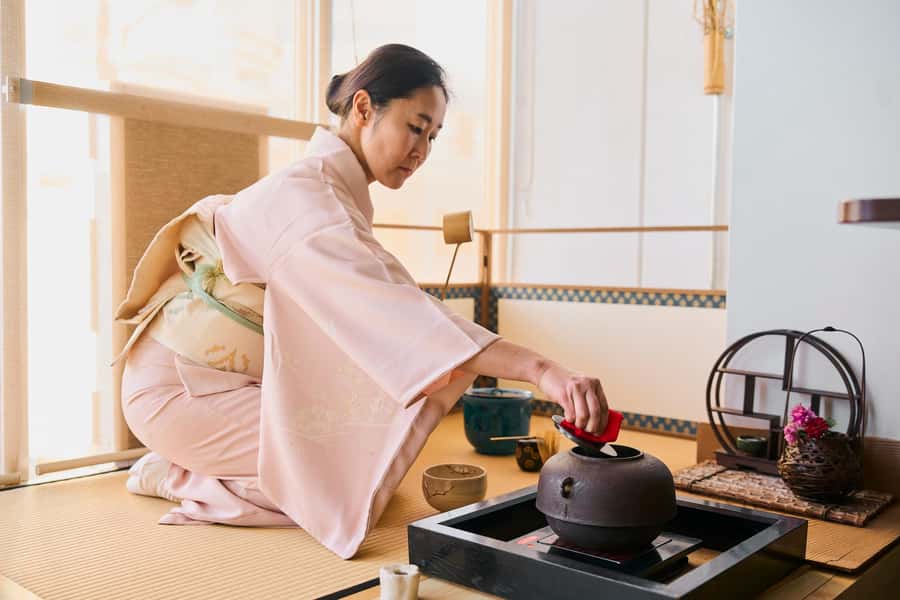
Before you whisk anything, you watch the otemae. That sequence is where a lot of people get the first real clue about why tea ceremonies are so precise. The motions have a rhythm, and the order isn’t arbitrary.
This is also where an English host earns their keep. When explanations are clear, you can follow what you’re seeing while it’s happening, instead of trying to puzzle it out later. The goal isn’t to memorize every gesture. It’s to understand the logic: preparation, presentation, and how the tea is brought together for tasting.
If you’ve never done this before, this is the part that makes the rest click. You’ll leave the demonstration with a mental map of what comes next when it’s your turn.
Brew your own matcha: technique you can actually feel
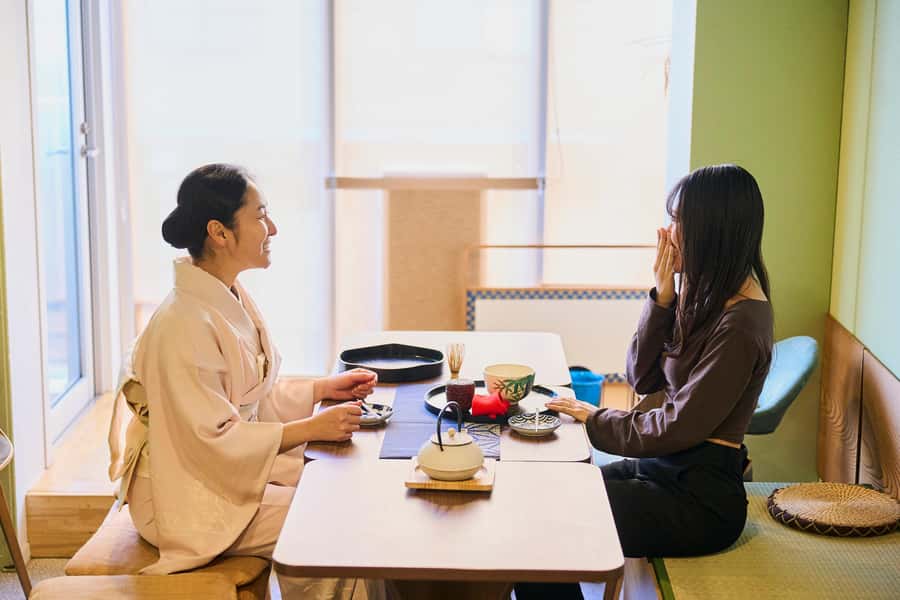
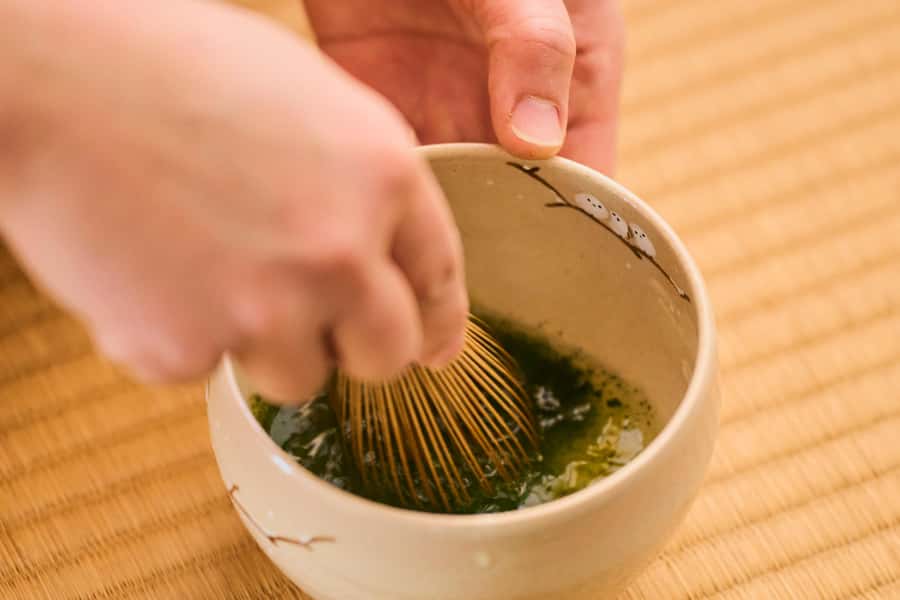
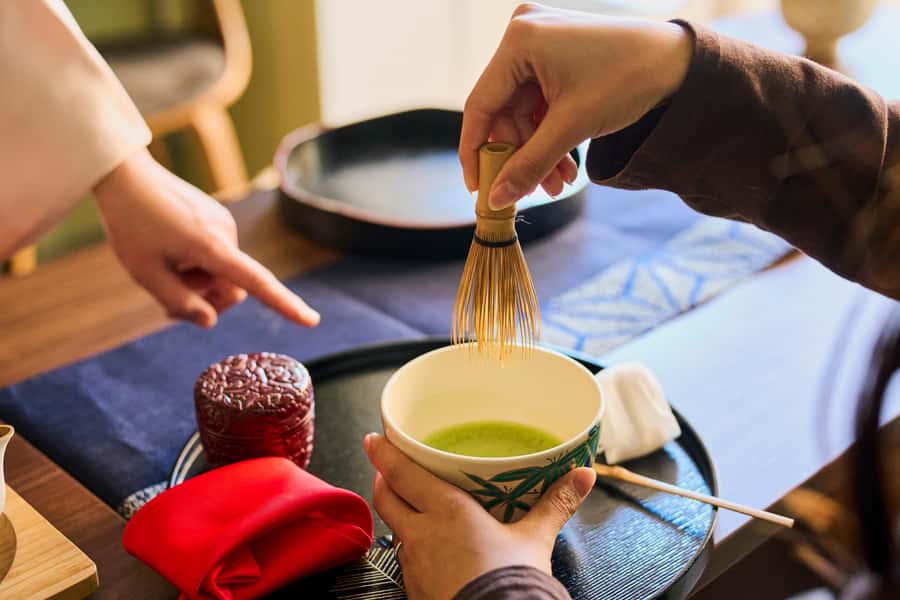
Then comes the hands-on part: you’ll prepare your own matcha and whisk it into a bowl. This is where the experience turns from cultural viewing into personal learning.
Matcha isn’t just about flavor. It’s about texture and process. When you whisk, you’re changing how the tea feels in the cup, and that’s why the tasting is so satisfying. You’ll be able to notice how your bowl compares to what you thought matcha would be based on cafe versions.
A tea ceremony matcha experience also teaches you something practical: you can’t fake the basics. The steps matter, and you’ll get feedback while you do them. That’s why having a tea master with over 10 years of experience is such a big deal here. You’re not winging it.
After you finish, you’ll taste your matcha as part of the ceremony flow, which makes it less like an ingredient demo and more like a complete small experience of its own.
Nerikiri making: seasonal sweets with a real craft vibe
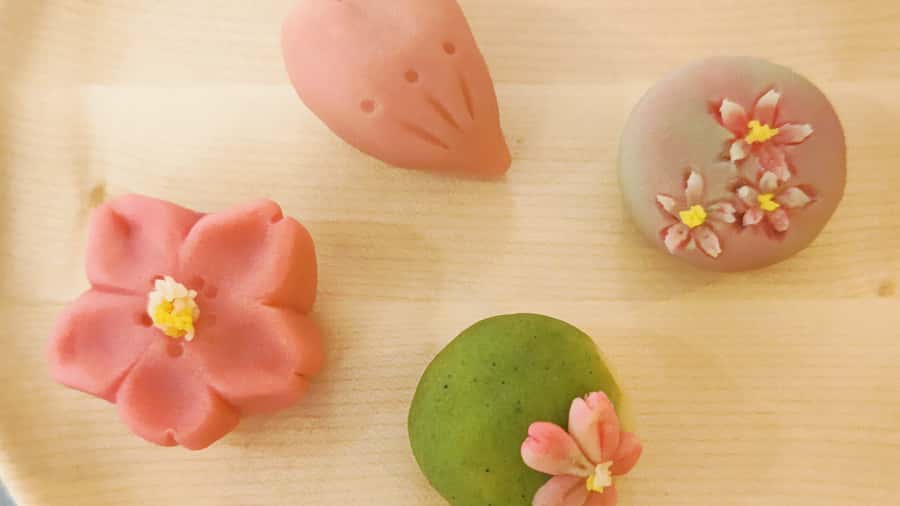
Now for the sweet part, literally. You’ll have the chance to make nerikiri, a traditional Japanese confection designed to reflect the changing seasons.
Nerikiri can look simple at a glance, but making it is all about controlled handling. You’re shaping something delicate, with vibrant colors and refined forms that represent seasonal flowers and motifs. The experience gives you the unique feeling of creating something that’s meant to be looked at first, then eaten.
Pairing matters too. The ceremony experience links your handmade nerikiri with your freshly prepared matcha. That’s not a random combo. It helps you understand why Japanese sweets are served with specific tea styles: the flavors and textures are designed to work together rather than compete.
If you love hands-on workshops, this is often the moment people remember most, because it’s creative in a way that still feels traditional. It also gives you something tangible to take away in your head, even if you can’t bring the sweets home.
Why the small English group format is a smart choice in Tokyo
Tokyo is packed. Even great tours can feel like you’re chasing time. This one stays small, capped at 10 participants, which changes the vibe immediately.
With fewer people, you’re more likely to get real answers instead of quick-fire explanations. And for an English-only experience, the host’s job is clarity. The smoother the host is, the less time you spend translating mentally and the more you spend learning.
There’s also a calmer pace to a one-hour format. You’re not stuck for half a day waiting for the next transition. You get a focused activity, then you’re free to return to your Tokyo plans without that tired, dragged-out feeling.
This is especially appealing if you want a quiet break from the busyness of sightseeing. Matcha and nerikiri don’t need the same energy as dodging crowds at major temples, so the experience feels like a reset button.
Price check: does $27 feel fair for matcha and sweets?
At $27 per person for about one hour, you’re paying for several things at once: a guided tea ceremony, instruction by a tea master, and the opportunity to make both matcha and seasonal sweets.
Here’s how I think about value for this kind of experience in Tokyo:
- You’re paying for skill and time, not just entry. Matcha preparation and nerikiri shaping are technique-based, and the teacher presence matters.
- You’re not just consuming. You make your own bowl and craft the sweets, which is usually where workshops earn their money.
- The session is short so you’re getting concentrated instruction without a long time commitment.
If you’re the type who enjoys learning a craft and then eating what you made, this price lands in the reasonable zone. If your main goal is lots of cultural background history, and you’re not that interested in hands-on making, you might find the one-hour scope a little tight.
Where you meet near Hakusan Station (and how to show up right)
Your meeting point is about a 5-minute walk from Toei Mita Line Hakusan Station. You’ll go to the 2nd floor as shown on Google Maps at Phil Park Hakusan Hills, 1-26-17 Hakusan, Bunkyo-ku, Tokyo.
It’s a good idea to arrive a bit early so you can settle in before the ceremony starts. The more relaxed you feel at the start, the more enjoyable the calm pace will be once the host begins.
For clothing, keep it comfortable. Nothing fancy required. You’ll be sitting and working with small tools, so wear something you can move in without fuss.
Who should book this tea ceremony workshop
This is a great fit if you:
- want a first-time-friendly tea experience with step-by-step instruction
- like workshops where you actually do the main task, not just observe
- enjoy Japanese sweets and want the seasonal connection, not generic snacks
- prefer an English-led experience without having to hunt for translations
It’s also a good choice if you’re in Tokyo for a short trip and need one structured activity that doesn’t eat your whole day. The one-hour duration makes it easy to plug into a schedule.
If you’re traveling with someone who doesn’t want a long museum-style stop, this can work well because it’s interactive and sensory.
Should you book this Tokyo matcha and nerikiri tour?
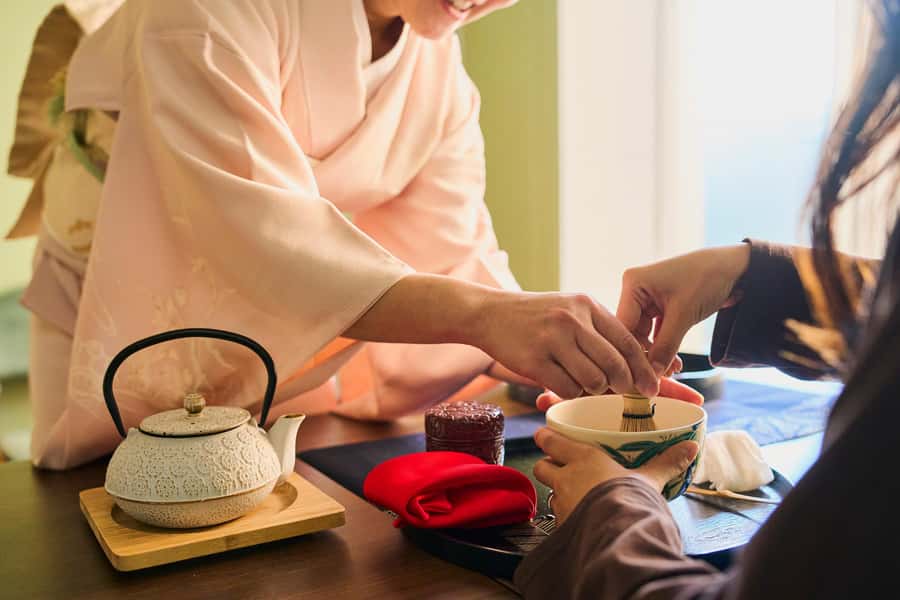
If you want a calm break that still feels hands-on, I’d book it. The combination of watching otemae, making your own matcha, and shaping nerikiri gives you a full cycle: learn, create, taste.
Skip it only if you’re looking for a long, lecture-heavy cultural deep dive or you don’t enjoy workshop-style activities. Otherwise, the small group size, English guidance, and tea master instruction make this a solid, good-value way to experience Japanese tea culture in a practical, memorable format.
FAQ
How long is the Tokyo tea ceremony experience?
It lasts 1 hour.
Is the experience offered in English?
Yes. The tour is conducted in English only.
What will I do during the tour?
You’ll watch the otemae demonstration, learn how to prepare matcha, whisk your own bowl of matcha, and make Japanese sweets called nerikiri.
What is included in the price?
The price includes the English guide, the tea ceremony, and traditional Japanese sweets.
Where is the meeting point?
It’s about a 5-minute walk from Toei Mita Line Hakusan Station. Meet on the 2nd floor of Phil Park Hakusan Hills, 1-26-17 Hakusan, Bunkyo-ku, Tokyo.
How big is the group?
The group is small, limited to up to 10 participants.
Do I need to bring anything?
Just bring comfortable clothes.
Is there free cancellation?
Yes. You can cancel up to 24 hours in advance for a full refund.
Can I reserve now and pay later?
Yes. You can reserve now & pay later.
Is it wheelchair accessible?
Yes, the experience is wheelchair accessible.