REVIEW · TOKYO
【SUMO FESTIVAL】Tokyo Ginza: Sumo Show & Photo Experience
Book on Viator →Operated by 株式会社Japanticket · Bookable on Viator
A sumo morning in Ginza is unexpected. This 2-hour experience is part performance, part classroom, and part hands-on try-it-yourself ring time, all tucked into a central Tokyo spot. I especially liked the close-up ring views and the fact that the MC keeps things clear in English, so you can actually follow what you’re seeing instead of guessing.
The vibe is relaxed and interactive, from learning winning techniques to trying the basic moves yourself. One thing to consider: the show can feel a bit heavy on MC explanations, and if you’re craving constant wrestling action, you may wish there were more actual bout time.
In This Review
- Tokyo Ginza Sumo Festival: What You Get for $63.41
- Morning Training to Techniques: The Show’s Real Value
- Hands-On Ring Time: Shiko, Salt, and Collision Practice
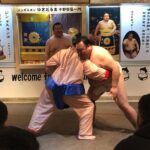
- The Big Moment: Trying Sumo Against a Retired Wrestler
- Mikoshi Moment: Festival Energy After the Sumo Show
- Who’s the MC, and Why Clear English Matters
- Finding Ginza INZ 1 B1 Without Losing Time
- Meals in the Background: What’s Included, What’s Optional
- Price and Value: Why This Can Be Worth It in Tokyo
- Best-Fit Situations (and Who Might Want to Skip)
- Should You Book Tokyo Sumo Festival in Ginza?
- FAQ
- How long is the Tokyo Ginza Sumo show experience?
- Where does it take place?
- Is there an English option?
- Do I definitely get to try sumo against a retired wrestler?
- What activities are included besides watching the show?
- Is a welcome drink included?
- Are meals included in the price?
- Is it hard to find the venue?
- When will I receive confirmation after booking?
- Can I get a full refund if I cancel?
Tokyo Ginza Sumo Festival: What You Get for $63.41
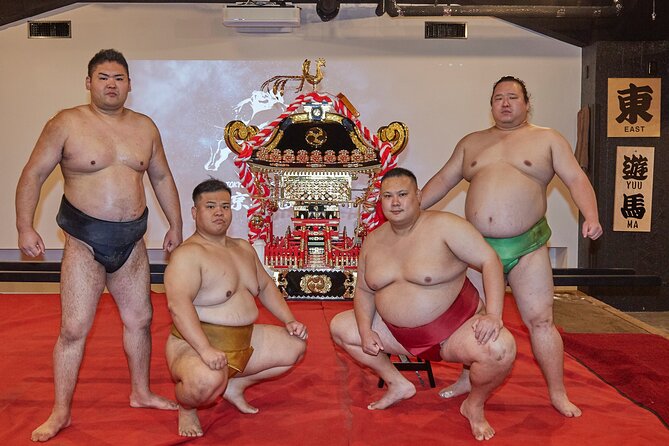
For $63.41 per person, you’re buying something more personal than a standard spectator event. You’re not just watching sumo from a distance. You get a guided look at how sumo works—plus a chance to do signature drills like shiko (sumo stomping), salt throwing, and basic body-collision practice.
In Ginza, the contrast is fun: you’re surrounded by one of Tokyo’s slickest neighborhoods, yet the show leans hard into old-school ritual and training energy. The venue address is listed as 1-3-1 Ginza, Chuo City, Tokyo, at Ginza INZ 1 B1. If you’re navigating on foot, it can be a little tricky, so I’d treat Google Maps as your best friend and search for TokyoSumoFestival.
Morning Training to Techniques: The Show’s Real Value
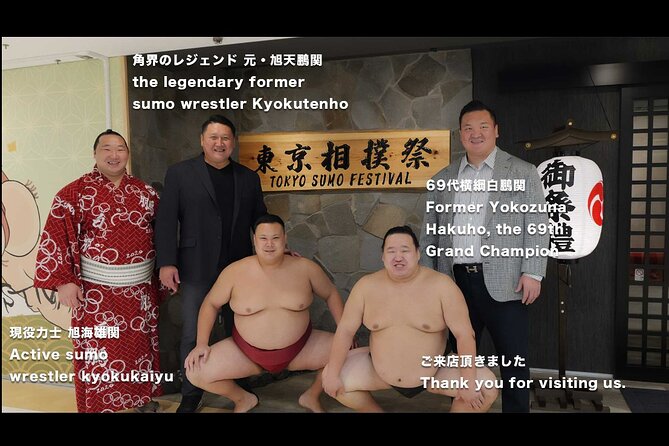
The schedule centers on what happens before the bouts: the morning training. You’ll watch training-style action, then get guided through the logic behind what matters in sumo—how wrestlers use timing, balance, and technique to take space and control the fight.
This part is valuable because sumo can look simple at first: big guys, loud stomps, quick outcomes. The guidance helps you see patterns. You start noticing things like stance, footwork, and how wrestlers set up contact. And because the MC provides commentary in English and Japanese, you don’t lose the thread when the explanation starts speeding up.
That said, there’s a balance here. The show includes lots of talk, and a small number of people may feel the pacing leans tourist-friendly and explanation-heavy. If you like learning and watching, it lands well. If you want nonstop wrestling, plan your expectations.
You can also read our reviews of more tours and experiences in Tokyo

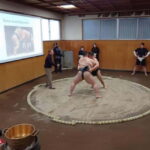
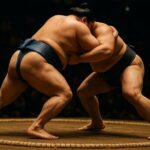
Hands-On Ring Time: Shiko, Salt, and Collision Practice
After the training and demonstrations, the experience shifts from watching to doing. This is where you’ll feel the program earn its price: it’s not only entertainment, it’s practice in front of a live crowd.
Here’s what you can expect to try:
- Shiko stomping (the signature heavy leg stomp)
- Salt throwing (the ritual gesture tied to purification)
- Body collision practice (basic contact work so you understand how hard and structured the movement is)
You’ll be guided by the show staff and encouraged to participate. That makes it a great stop even if you don’t know sumo terminology. You can learn what’s going on through movement, not lectures.
Also, seats are described as close-up for all ticket holders. That matters. When you’re near the ring, you can see foot placement and posture changes that you’d miss from farther away. If an upgrade is offered for a front-row position, it’s worth considering, especially if you want a more intense view of the action zone.
The Big Moment: Trying Sumo Against a Retired Wrestler
The headliner is the chance to step into the ring and face a retired sumo wrestler. The catch is important: participation is limited, and if there are too many applicants, it may be decided by lottery.
That lottery element is exactly why I recommend you go with the right mindset:
- Treat the ring challenge as a bonus if you’re selected.
- Still enjoy the rest of the program, because the show includes multiple hands-on elements even if you don’t get the ring slot.
If you do get chosen, the experience turns from watching history to doing something intensely physical in front of the close-up ring setup. It’s the kind of thing you remember later, because it’s not a passive photo op.
Mikoshi Moment: Festival Energy After the Sumo Show
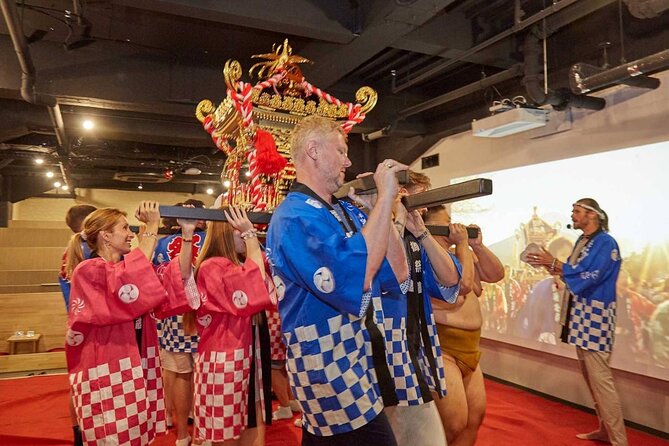
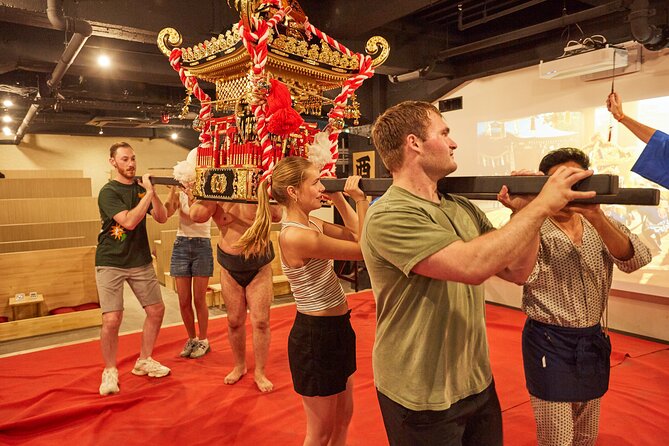
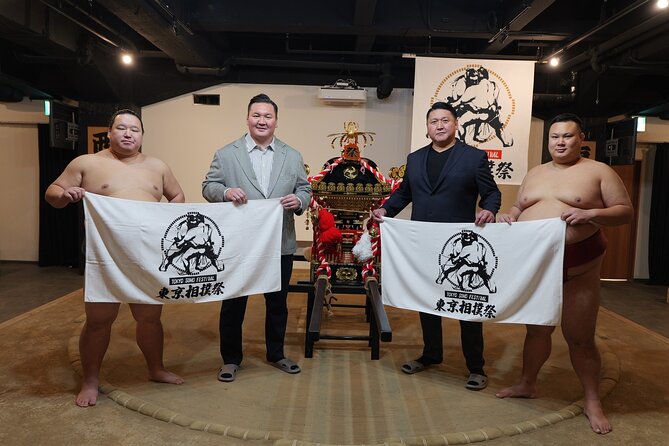
Sumo here isn’t just about competition. After the sumo portion, you get to experience a mikoshi, a traditional portable shrine used in Japanese festivals.
Some programs like this stop at a quick mention, but this one specifically includes a mikoshi experience after the show. One review highlighted the fun of interacting with the ritual side, including the sense of joining something seasonal and communal rather than only watching a sport.
If you enjoy Japanese festival culture, this add-on gives the evening a wider lens. It helps explain why sumo and ceremonial elements share so much in common.
Who’s the MC, and Why Clear English Matters
A standout in the feedback is how easy the experience is to follow thanks to the MC. People specifically praised that it was done in perfect English and that the MC’s explanations were clear.
In the show, you may also hear or interact with performers named in reviews, including Yuma and Kaito. Names like these matter because it signals you’re not stuck in an anonymous script. You’re working with real people leading a real, live session.
For first-timers, that clarity is a big deal. Sumo has rituals, rules, and small details that turn the whole thing from chaotic to understandable fast.




Finding Ginza INZ 1 B1 Without Losing Time
The venue is in Ginza, and that sounds easy—until you’re in Ginza. Reviews flagged that the address in the ticket can be hard to match on Google Maps and that it can be difficult to find if you don’t have the right pinpoint location.
My practical advice:
- Search for TokyoSumoFestival in Google Maps.
- Plan to arrive a little early so you’re not rushing into the session.
- Once you’re nearby, follow the on-the-ground cues rather than relying only on the address string.
This isn’t the kind of activity where being late feels good, especially because the experience runs about 2 hours and participation can be timed.
Meals in the Background: What’s Included, What’s Optional
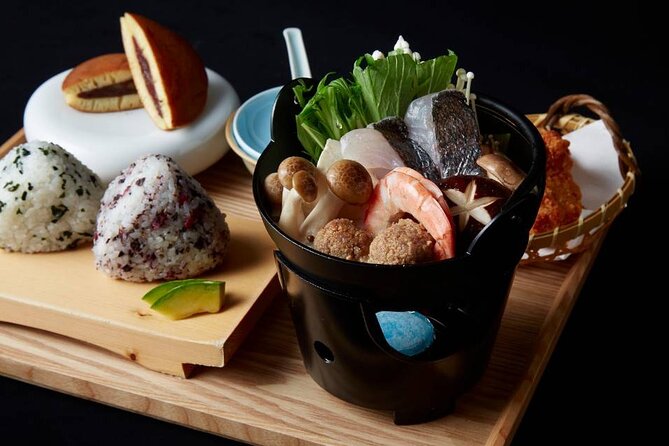
Meals are not included in the base price. You can purchase food on-site for an additional charge, and the experience does include a welcome drink.
Some people described eating appetizers and found the food satisfying and reasonably priced. Still, since meals are optional, treat this as a show first, meal second. If you’re hungry, plan a light pre-show snack, then decide after you see the menu options.
Price and Value: Why This Can Be Worth It in Tokyo
I look at pricing in Tokyo the same way I do elsewhere: what are you paying for, and what’s the alternative?
For $63.41, you’re getting:
- English and Japanese commentary
- An entertainment sumo show
- Hands-on participation (shiko, salt throwing, collision practice)
- A welcome drink
- A mikoshi experience
- Close-up seating
The retired-wrestler challenge is the wildcard because of the lottery. But you’re not paying for only that moment. Even if you don’t get the ring challenge slot, you still get active participation and guided understanding.
If you’re in Tokyo when no big official tournament is running, this is the kind of experience that keeps sumo in your trip. You won’t replace a proper tournament bout, but you will leave with sumo knowledge and physical memory instead of just photos.
Best-Fit Situations (and Who Might Want to Skip)
This is a strong fit if:
- You want a hands-on cultural experience in central Tokyo
- You like learning through doing (not only watching)
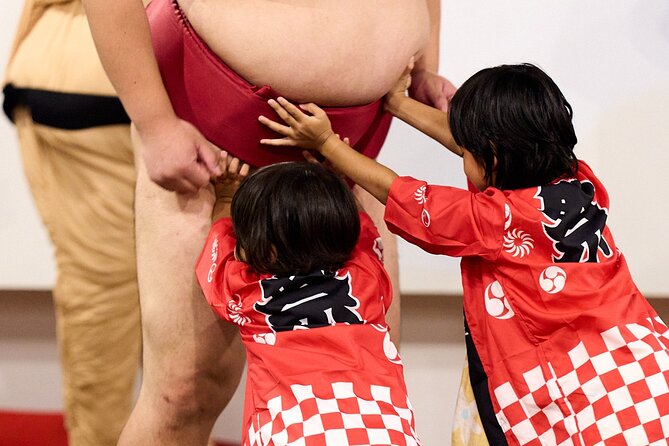
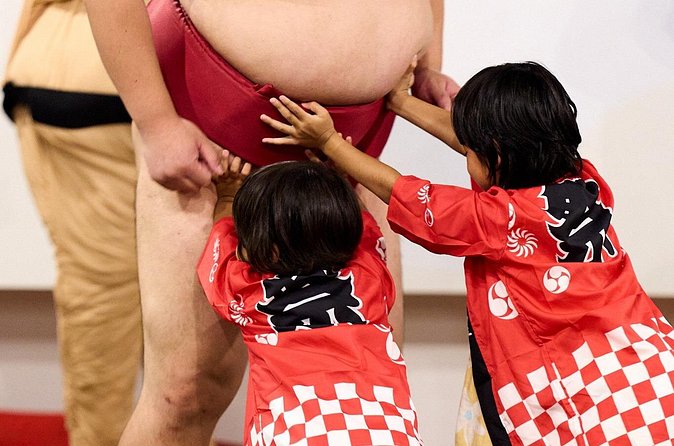
- You travel with kids or family and want participation built in
- You care about clear English guidance
It may be less ideal if:
- You’re only interested in long, uninterrupted wrestling bouts
- You hate MC talk in general
- You’re sensitive to pacing and want more action per minute
As with most interactive shows, it helps to treat it as a performance plus a mini training session.
Should You Book Tokyo Sumo Festival in Ginza?
I’d book this if you want sumo that’s close-up, structured, and actually interactive. The biggest reasons are the English-friendly MC, the hands-on basics like shiko and salt throwing, and the fact that you’re seeing training-style sumo context, not only the outcome of a match.
I would hesitate only if you’re coming primarily for relentless bout time and would be disappointed by extended explanations. If you enjoy learning how the sport works and you’re open to a show that mixes ritual and participation, this is a very solid choice in Ginza.
FAQ
How long is the Tokyo Ginza Sumo show experience?
It runs for about 2 hours.
Where does it take place?
It’s in Ginza, Chuo City, Tokyo, at Ginza INZ 1 B1 (address listed as 1-3-1 Ginza, Chuo City, Tokyo).
Is there an English option?
Yes. The MC provides commentary in English and Japanese.
Do I definitely get to try sumo against a retired wrestler?
Not guaranteed. Participation is limited and may be decided by lottery if there are many applicants.
What activities are included besides watching the show?
You can try shiko (sumo stomping), salt throwing, and practice sumo body collision, plus you’ll experience a mikoshi after the show.
Is a welcome drink included?
Yes, a welcome drink is included.
Are meals included in the price?
No. Meals are not included, though food may be available for an additional charge.
Is it hard to find the venue?
It can be tricky. The tour suggests searching for TokyoSumoFestival on Google Maps.
When will I receive confirmation after booking?
Confirmation is received within 48 hours of booking, subject to availability.
Can I get a full refund if I cancel?
Yes. Free cancellation is offered up to 24 hours before the experience starts for a full refund.