REVIEW · TOKYO
Private Memorable Tokyo Tour with English Speaking Driver
Book on Viator →Operated by Sluzeb Tours · Bookable on Viator
Tokyo looks different from a private car. This 10-hour day plan uses an English-speaking driver to connect big-name sights and neighborhood vibes without you fighting train transfers or crowd timing. I like that you get a calm base while still hitting serious highlights fast. One consideration: this is primarily a chauffeur-style experience, not an all-the-way guided lecture at every stop, unless you arrange a guide.
I also like the smart mix of Tokyo styles: early food energy in Tsukiji, classic temple streets in Asakusa, then modern skyline and shopping zones later. Your day has built-in flexibility for traffic and long waits, so the route can shift when the city is slow or jammed. That flexibility is usually what keeps a long day from falling apart.
You’ll start in Shinjuku at 9:00 am and end back near the meeting point, with most stops built around free entry tickets (with a couple exceptions). If you’re traveling as a small group and want one easy plan to cover a lot, it’s designed for you.
In This Review
- Key things I’d watch before booking
- How a private English-driver day loop fits 10 hours
- Tsukiji Fish Market: kick off with food-energy, then move
- Senso-ji in Asakusa: classic temple sights without overthinking logistics
- Tokyo Skytree viewing decks: worth it, but it costs time and money
- Imperial Palace East Gardens: a calmer choice with a clear rule
- Akihabara plus Tokyo Tower: shopping energy, then a classic skyline
- Meiji Jingu and Shibuya Crossing: forest calm then human scale
- Harajuku Takeshita Street and the Odaiba photo moment
- teamLab Planets TOKYO and the one extra-ticket timing gamble
- Price and value for $600 per group (up to 5)
- The people factor: why the driver can make or break the day
- Should you book this private Tokyo highlights day?
- FAQ
- How long is the Tokyo private tour?
- What’s the price and group size?
- Where does the tour start and end?
- What time does the tour start?
- Is pickup offered?
- Is this a guided tour?
- Are tickets included for attractions?
- Can the itinerary change during the day?
- What is the cancellation policy?
- Is the tour dependent on weather?
Key things I’d watch before booking
- Chauffeur vs full guiding: You’re getting a driver and pickup/drop-off. Some drivers explain a lot, but the core product is transportation.
- Free stops do the heavy lifting: Tsukiji, Senso-ji, Meiji Jingu, Shibuya Crossing, Akihabara, Takeshita Street, and Tokyo Tower are listed as free-entry experiences.
- Two ticketed add-ons can change your schedule: Tokyo Skytree and teamLab Planets TOKYO cost extra, and you’ll only fit them if time allows.
- Imperial Palace is mostly a garden stop: East Gardens are described as doable without booking, while entering the palace itself requires prior reservation.
- Route changes for real Tokyo conditions: Traffic and overcrowding can cause skipped or swapped stops, so go in with a flexible mindset.
How a private English-driver day loop fits 10 hours
Tokyo can be exhausting when you plan everything yourself. This setup solves the hardest part: getting from area to area on time. The day is scheduled for about 10 hours including commuting, starting at 9:00 am in Shinjuku and ending back at the meeting point.
You’re traveling in a private vehicle with pickup offered, and you’ll receive a mobile ticket. That matters because it reduces the usual small-friction stuff: hunting for exact meeting spots, re-confirming details, and coordinating multiple moving parts across neighborhoods.
Price is $600 per group up to 5 people, which is the part that often decides value. If you travel as a group, you’re effectively paying once for the vehicle and driver, then splitting it across people. If you’re a solo traveler, it can feel less like a bargain because you won’t split the group cost.
One more practical note: the route can change due to congestion or to avoid long waits. That’s not a flaw; it’s often what keeps a limited day from turning into standing in lines instead of seeing Tokyo.
You can also read our reviews of more private tours in Tokyo

Tsukiji Fish Market: kick off with food-energy, then move
Your day starts at Tsukiji Fish Market, where you’ll see why this place became world-famous. The attraction is described as the largest fish market in the world, and it has evolved into one of Tokyo’s top tourist stops while still feeling tightly connected to the fish culture.
The time block is 45 minutes, and admission is listed as free. That short window is intentional. You’re not meant to “museum-walk” Tsukiji for hours. Instead, you get a quick hit: look around, soak up the scene, and then get back into motion before the morning crowd thickens too much.
What I like about starting here is pacing. Tokyo has a way of pulling you into long walks and line-ups later. By doing Tsukiji first, you front-load one of the day’s most iconic visuals while your energy is highest.
The only drawback is obvious: if you’re hoping to slow down and shop deeply at the market, 45 minutes can feel tight. Use the time like a survey—choose what you want to see most—and don’t plan for a full culinary deep dive.
Senso-ji in Asakusa: classic temple sights without overthinking logistics
Next up is Senso-ji Temple in Asakusa. It’s described as Tokyo’s oldest religious building, also known as Asakusa Kannon, and it’s one of the city’s most colorful, popular sights. You’ll likely feel the scale when you see how many people come through every day.
You get about 1 hour and admission is free. In practice, that hour is perfect for two things: (1) walking the main temple approach area long enough to absorb the atmosphere, and (2) actually reaching the temple space without turning it into a photo sprint.
This stop also helps you see a different side of Tokyo early in the day. After Tsukiji, you shift from market energy to traditional religious architecture and street-life. It’s a good tonal change, and it prevents your day from feeling like one long shopping montage too soon.
One small consideration: because it’s a high-traffic spot, you should expect crowds even if the schedule feels efficient. A private car doesn’t remove crowds at the destination, but it helps you arrive and depart without wasting time.
Tokyo Skytree viewing decks: worth it, but it costs time and money
After Asakusa, the day swings toward skyline views with Tokyo Skytree. The observation decks are listed as located on the 45th floor, and the height is described as 202 meters above the ground (so you get a real elevated perspective).
Time given is 1 hour, and admission is not included. That’s the key decision point. Skytree is one of those “pay once, remember later” attractions, but it can also steal time from other parts of your day if you’re behind schedule or dealing with longer entry lines.
I like this stop because it anchors your day in Tokyo’s modern identity. You’ll see how the city layers itself: dense neighborhoods, wide roads, and distant landmarks. It makes the later neighborhoods feel more connected, like you’re mapping Tokyo rather than just visiting random spots.
If you’re budget-sensitive or have a tight day, consider whether you care more about views or more about shopping and walking. The Skytree ticket is the one clearly marked extra expense here, so it’s best to decide early in your planning.
Imperial Palace East Gardens: a calmer choice with a clear rule
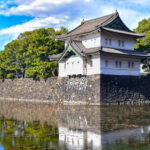
Then you head to the Imperial Palace area, specifically the East Gardens. The day plan states you can explore the East Gardens without booking, and admission is free. It also explains the palace area’s deeper connections: Edo Castle once served as the seat of the Tokugawa shogun, ruling from 1603 until 1867.
You get 45 minutes, which is enough for a relaxed garden walk without turning this into another long checkpoint. I think East Gardens are a smart fit for a one-day schedule because they give you greenery and space without requiring the major time commitment of longer museum-style attractions.
Important practical rule: while the gardens are described as possible without booking, entering the palace itself requires prior reservation if you’re interested in the interior. So if your goal is just a scenic walk and you don’t need the interior access, you can keep this stop smooth and low-stress.
A small drawback I’d flag is simply distance and walking comfort. Even with a time limit, garden areas can mean longer foot stretches than you expect from a “short” stop. Plan comfortable shoes and keep an eye on time for the next neighborhood jump.
You can also read our reviews of more tours and experiences in Tokyo

Akihabara plus Tokyo Tower: shopping energy, then a classic skyline
Next comes Akihabara, famous for electronics stores and for manga, anime, and video-game culture. The stop is listed as 30 minutes and admission is free. This is a quick hit for people who want to see the area’s retail intensity without turning it into a half-day shopping trip.
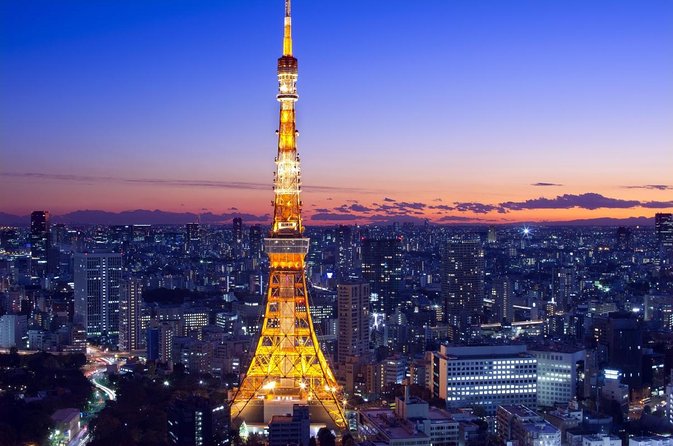
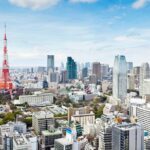
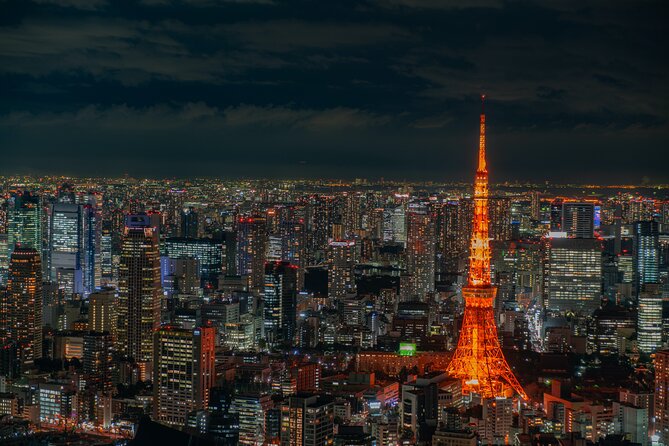
After that, you have Tokyo Tower. The day plan notes it’s a communications and observation tower, completed in 1958, and it’s based on the Eiffel Tower’s design. Time is listed as 10 minutes, with admission described as free.
This pairing works well because it gives you both personality and structure. Akihabara is hands-on and chaotic in a fun way. Tokyo Tower is more about the iconic silhouette and quick skyline context.
The catch: Tokyo Tower gets only 10 minutes. So treat it like a photo-and-look stop rather than an observation-deck full experience. If your priority is tower views and not just the exterior, you may want to add time, especially if you’re running late.
Meiji Jingu and Shibuya Crossing: forest calm then human scale
Now you switch to Meiji Jingu Shrine, which the day plan describes as a Shinto shrine dedicated to Emperor Meiji and Empress Shōken. What matters for your schedule is the setting: it’s surrounded by a lush green forest right in central Tokyo. You get 30 minutes, and admission is free.
Then you jump to Shibuya Crossing, described as the world’s busiest pedestrian crossing with up to about 3,000 people crossing at a time. You get about 20 minutes, and admission is free.
This contrast is exactly why the day works. Meiji Jingu is where you breathe. Shibuya Crossing is where Tokyo reminds you how big it is. One stop gives you a pocket of quiet. The other gives you the city’s kinetic rhythm in a few minutes.
Practical advice here: don’t try to “solve” Shibuya Crossing. Pick a spot, watch the flow, take a few photos, and let the moment come to you. The stop is short on purpose, because you’ll want energy left for Harajuku and Odaiba options later.
Harajuku Takeshita Street and the Odaiba photo moment
For shopping and youth fashion, you’ll visit Takeshita Street in Harajuku. It’s described as known for colorful, youth-driven shops, and it’s also a sweets stop, with fluffy crepes called out as a must. Time is 1 hour, and admission is free.
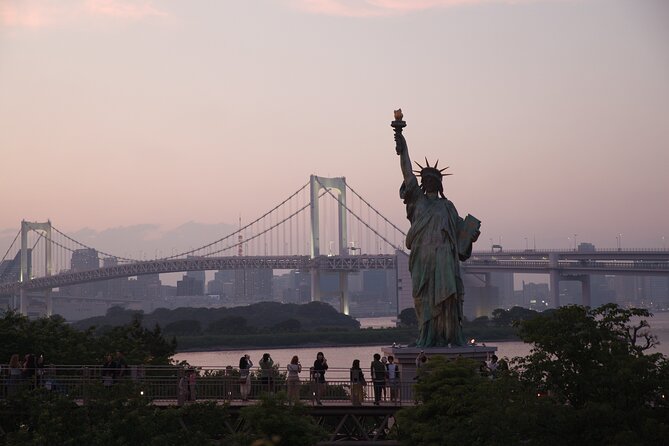
After that, there’s optional time for the Statue of Liberty replica in Odaiba, with the Rainbow Bridge as a popular background photo-op. The plan says this stop is possible if you have time, with 30 minutes and admission listed as free.
I like putting Harajuku here because it’s flexible. If you love shopping, you have a full hour. If you don’t, you can treat it as a walk-through and still get the vibe. And if the day runs behind, the Statue of Liberty photo moment is listed as the first thing you can cut without breaking the whole day.
The only real drawback is that both Harajuku and Odaiba areas can be active. If you’re sensitive to crowds and standing, keep your expectations simple: this is a vibe check and photo stops, not a slow wander with endless detours.
teamLab Planets TOKYO and the one extra-ticket timing gamble
The day plan includes teamLab Planets TOKYO as another optional “if you have time” stop. It’s described as an experience where you walk through water and into a garden-like space where you become part of the installation, with multiple massive exhibition spaces and gardens.
Time is listed as 30 minutes, but admission is not included. Because it’s ticketed and time-sensitive, it’s one of the easiest places for your day to get rearranged.
If you’re considering it, the key is energy management. Water-based and interactive experiences can make you forget time while you’re inside. If you’re the type who loses track of time in immersive installations, decide ahead of time whether teamLab is a must or a nice-to-have.
Also remember the day already includes a lot of walking and shifting between neighborhoods. teamLab can be the perfect finale if you time it well. If you’re already behind schedule, it can become the thing you skip without regret.
Price and value for $600 per group (up to 5)
Here’s where this tour earns its keep. At $600 per group up to 5, you’re paying for a private vehicle and an English-speaking driver for a full day across many Tokyo zones. When you split that across 2, 3, 4, or 5 people, the effective cost drops fast compared with the price of piecemeal rides and frequent taxi jumps.
Value also comes from the structure: a day that mixes free entry sites (Tsukiji, Senso-ji, Meiji Jingu, Shibuya Crossing, Akihabara, Takeshita Street, Tokyo Tower, plus the East Gardens) with two main extras that aren’t free (Skytree and teamLab Planets TOKYO).
That means you can control your spending. If you choose Skytree and skip teamLab, you’ll spend less than if you do both. And if you want a lighter day, you can treat the paid stops as optional.
One more practical point: the day plan includes a note that stops can be skipped or changed due to traffic or to avoid long waits in crowded areas. That’s not glamour; it’s smart risk management. On a one-day schedule, small delays are deadly. Being flexible is how you protect your day.
The people factor: why the driver can make or break the day
Even when the main service is a chauffeur, the driver’s communication matters. Several guide-driver names have been praised in the shared feedback: Wahab, Ryan, David, Mazar, Abdul Waheed, and Irfan. The common thread is polite service, smooth pacing, and clear English explanations.
Still, it’s important to match expectations. The experience is described as not a guided tour by default; instead, it’s a private car experience with an English-speaking driver, with a guide available if requested at extra cost. If you want deep, stop-by-stop interpretation, you should plan to arrange that upfront.
When expectations match the product, this kind of day shines. It becomes less about listening to a script and more about getting where you want quickly, safely, and without transit stress.
Should you book this private Tokyo highlights day?
Book it if you want one day to cover the biggest Tokyo hits—temples, skyline, major intersections, and shopping zones—without wrestling the rail system. It’s a strong fit for small groups who want to split the $600 cost and for families who benefit from a comfortable ride and flexible stop management.
I’d hesitate if you’re specifically looking for a fully guided, commentary-heavy experience at every stop. This is transportation-first, and while many drivers do explain a lot, the framework is more chauffeur than lecturer unless you arrange a guide.
If good weather is expected (the experience requires good weather), and you’re comfortable treating Skytree and teamLab Planets as the main “paid choices” for your day, this is a practical way to see Tokyo fast while still keeping the day under control.
FAQ
How long is the Tokyo private tour?
The tour lasts approximately 10 hours, including commuting time.
What’s the price and group size?
It costs $600.00 per group for up to 5 people.
Where does the tour start and end?
It starts at Shinjuku City, Tokyo, Japan, and ends back at the meeting point.
What time does the tour start?
The start time is 9:00 am.
Is pickup offered?
Pickup is offered.
Is this a guided tour?
It is not a guided tour by default, but a guided option can be arranged on request at an additional cost.
Are tickets included for attractions?
Many stops are listed as free (like Tsukiji, Senso-ji, Meiji Jingu, Shibuya Crossing, Takeshita Street, and Tokyo Tower), while Tokyo Skytree and teamLab Planets TOKYO are listed as not included. Imperial Palace interior entry would require prior reservation.
Can the itinerary change during the day?
Yes. The plan can change, including skipping stops, due to traffic congestion or to avoid long waits in crowded situations.
What is the cancellation policy?
Free cancellation is available. You can cancel up to 24 hours in advance for a full refund.
Is the tour dependent on weather?
Yes, it requires good weather. If canceled due to poor weather, you’ll be offered a different date or a full refund.