REVIEW · TOKYO
Private Ginza Architecture Tour
Book on GetYourGuide →Operated by Showcase Tokyo Architecture Tours · Bookable on GetYourGuide
Tokyo’s architecture in one walk feels like a visual quiz. This private Ginza-focused tour ties together traditional craft and modern design ideas across some of the city’s most recognizable corners. You start at Tsukiji Hongwan-ji, then move through classic Ginza landmarks and newer works by emerging voices in the neighborhood’s architecture scene.
I especially love how the tour doesn’t treat Ginza like a single style. You’ll see the Japanese Metabolism movement through the kind of thinking that was reshaping urban form in the 1960s and 70s, and you’ll also get plenty of contrast from more traditional, heritage-linked design. My other favorite part is the way the guide keeps the route grounded in real buildings you can stand in front of and read with your eyes, not just talk about abstract concepts.
One consideration: this is a walking tour, and it’s 210 minutes long. If you’re sensitive to long city walks or you want lots of time to sit down and linger, you may find the pace a bit more active than a pure sightseeing loop.
In This Review
- Key highlights worth aiming for
- The opening scene: Tsukiji Hongwan-ji and a fast lesson in contrast
- Kabuki-za (2013): how tradition survives in a rebuilt landmark
- Ginza by architecture: from Maison Hermes to Tokyu Plaza Ginza
- The Metabolism angle: reading 60s–70s New Urbanism in real buildings
- Okuno Building and the art of “between eras”
- Finishing at Ginza 4-chome: the Wako (SEIKO) building moment
- A side trip into backstreet Ginza: why it’s more than a detour
- What’s included (and how that affects your value)
- Who this tour suits best (and who might want a different style)
- Practical tips for getting the most out of the 210 minutes
- Should you book this Ginza architecture tour?
- FAQ
- Where is the meeting point?
- How long is the tour?
- Is this a private tour and what language is the guide?
- What’s included in the price?
- What is not included?
- What is the cancellation policy?
Key highlights worth aiming for
- Tsukiji Hongwan-ji’s unusual mix: Indian-style exterior with a European-church-like interior
- Kabuki-za theater context: a newer (2013) building that carries forward older traditional style
- Metabolism movement references: you’ll get a practical look at 60s–70s New Urbanism ideas in built form
- Ginza icons across eras: Maison Hermes, Tokyu Plaza Ginza, Mikimoto Ginza 2, and more
- A side trip off the main axis: backstreet streets that show a different Ginza rhythm
- Private, English live guide: questions and pace can stay focused on what you care about
The opening scene: Tsukiji Hongwan-ji and a fast lesson in contrast
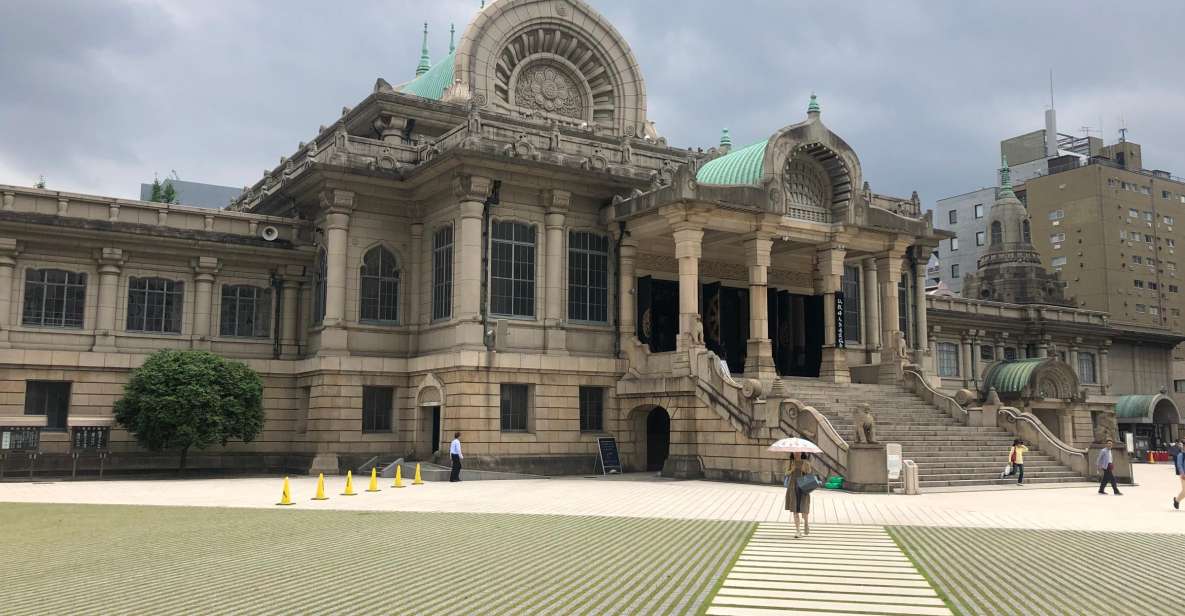
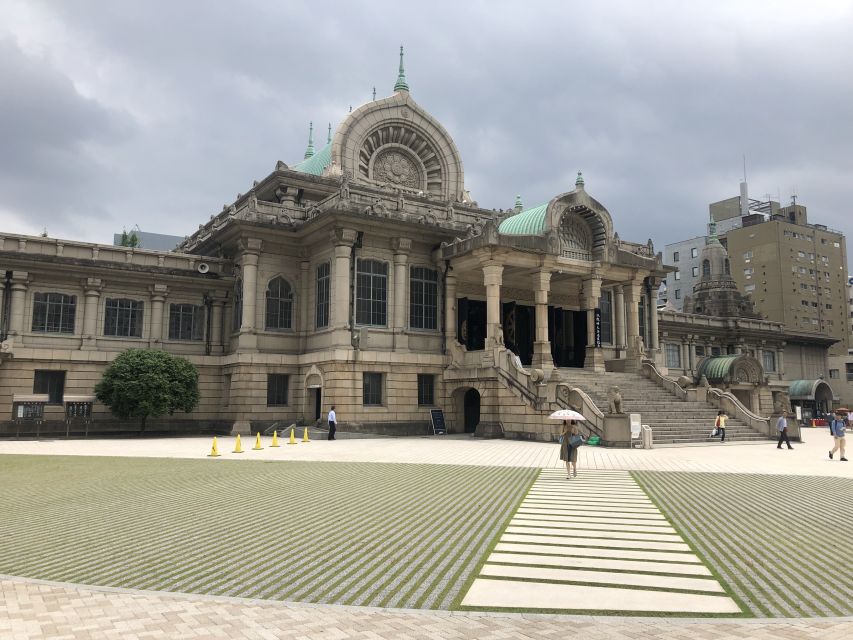
The tour begins at the Tsukiji Hongwan-ji temple, right by the main gate. Use Tokyo Metro’s Hibiya line, get out at Tsukiji Station Exit 1, turn left, and walk straight for less than a minute. It’s a simple meetup—good when you don’t want to waste tour time hunting for a specific corner.
What makes this start so smart is the immediate contrast you get just by showing up to one building. The temple is described as having an Indian-style exterior, while the interior feels like a European church. That combo is exactly the kind of architectural “reading practice” you’ll do all tour long. You’re not just learning styles—you’re learning how designers borrow, adapt, and reimagine.
Here’s what to watch for as you orient yourself: notice how the outside shape creates one set of expectations, then how the inside shifts the atmosphere. Even if you’re not an architecture nerd, you’ll understand the point quickly—Ginza and Tokyo architecture aren’t locked into one visual rulebook.
You can also read our reviews of more private tours in Tokyo


Kabuki-za (2013): how tradition survives in a rebuilt landmark
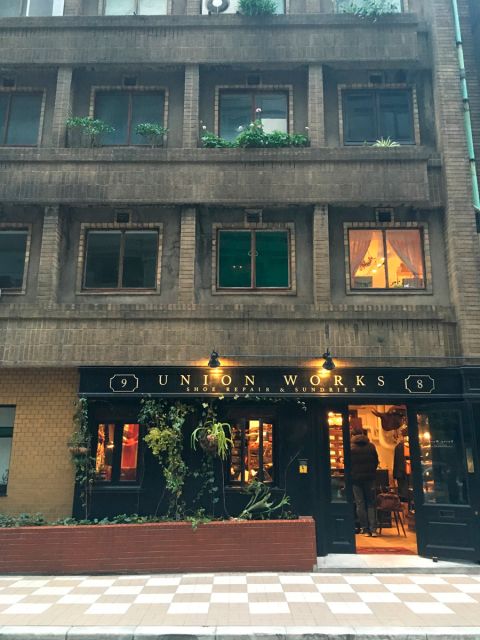
After the temple, you head to the newly built Kabuki theater (2013). The key idea isn’t only that it’s modern—it’s that it inherited the traditional style from past generations.
This stop is a great bridge. It helps you connect “heritage” with “construction reality.” Traditional architecture isn’t just something preserved behind glass. It’s often something rebuilt, maintained, and adjusted so it can keep working in the present.
When you’re standing near Kabuki-za, pay attention to how the design signals tradition. The goal isn’t to memorize details; it’s to understand how a building can carry forward recognizable identity even after a rebuild.
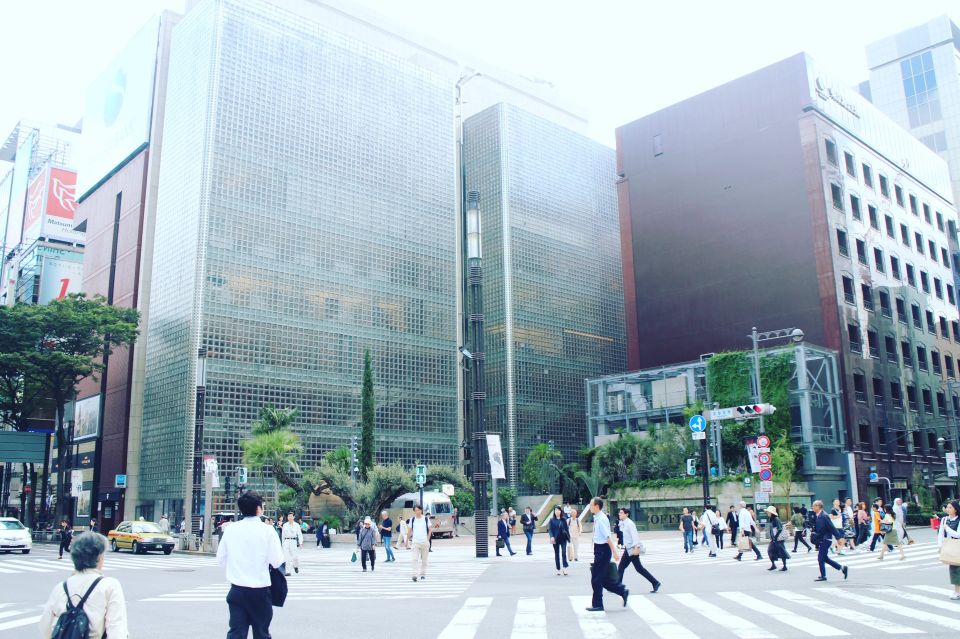
Ginza by architecture: from Maison Hermes to Tokyu Plaza Ginza
From here, the route shifts into the Ginza core with an eye for balance—old-school prestige, modern corporate design, and the surrounding city fabric that makes it all feel connected.
You’ll visit multiple well-known stops, including:
- Nicolas G. Hayek Center
- Maison Hermes
- Tokyu Plaza Ginza
- Mikimoto Ginza 2
- Okuno Building
- and you’ll finish at the Ginza 4-chome intersection where the Wako (SEIKO watch) building stands
This part of the tour is valuable because it forces you to compare. In a short time window, you see buildings that represent different design priorities: luxury retail branding, landmark office/mixed-use identities, and architecture that’s trying to feel both “new” and “Tokyo.”
A practical tip for you: when you’re in front of each building, look up first. Ginza is a place where the streetscape and the upper geometry matter. Even without knowing building-specific engineering terms, you’ll quickly feel differences in scale, facade rhythm, and how the buildings treat the pedestrian experience.
The Metabolism angle: reading 60s–70s New Urbanism in real buildings
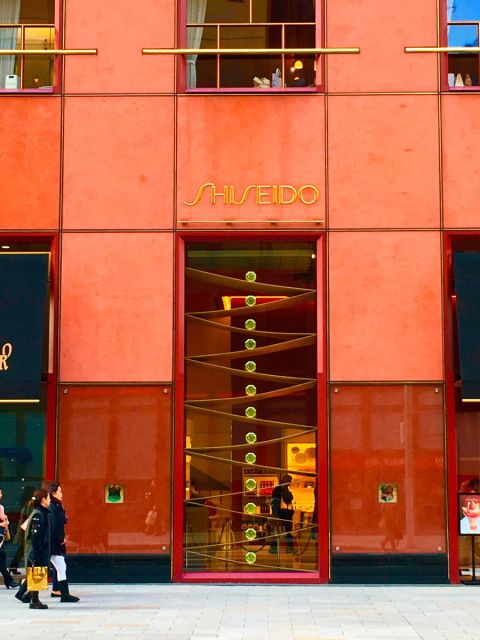
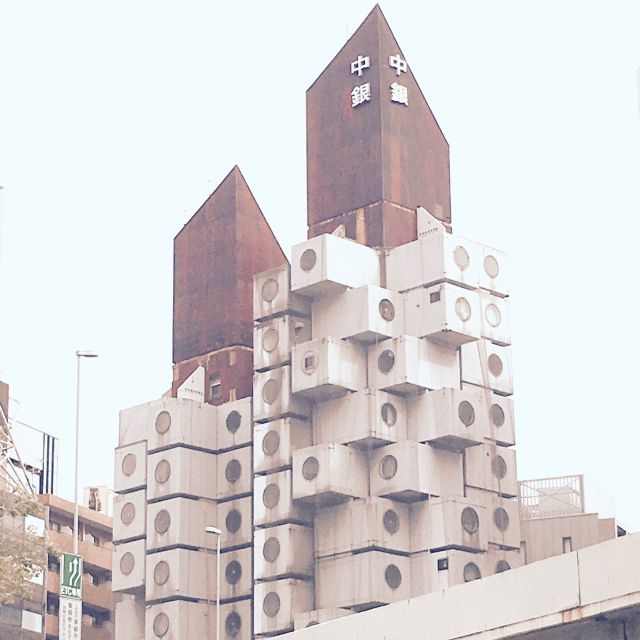
One of the tour highlights is seeing a masterpiece connected to the Japanese Metabolism movement, described as proposals for a New Urbanism in the 1960s to 70s.
Metabolism matters because it’s not only an aesthetic. It’s an idea about how cities could grow, change, and keep functioning over time. In other words: buildings and urban systems weren’t supposed to be finished forever. They were treated like living things—capable of replacement, expansion, and adaptation.
Even if the buildings you’re looking at today aren’t the same as the original paper concepts, you’ll benefit from your guide’s framing. The useful part of this stop isn’t just naming a movement—it’s connecting design theory to what you can actually see: how a structure feels planned for change, or how it expresses a system rather than a single static statement.
As you walk through the Ginza stretch, keep asking yourself a simple question: does this feel like a fixed monument, or does it feel like a component inside a bigger, updateable city logic? That one habit makes the Metabolism conversation click.
Okuno Building and the art of “between eras”
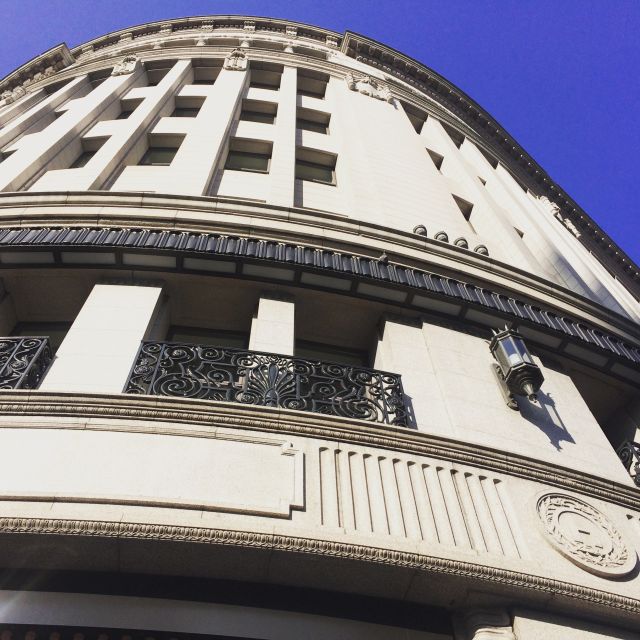
The itinerary includes the Okuno Building, and this is one of those locations where the tour’s promise—traditional to modern balance—feels especially real.
Why? Because Ginza isn’t a theme park of one decade. It’s a working district where new designs stand next to older prestige, and where the streets themselves create continuity. A building like Okuno (as part of this route) gives you a strong “in-between” viewpoint: you can see how modern architectural thinking sits in a district that also honors status, display, and public presence.
If you like architecture that feels like it belongs to its city—rather than looking like it was dropped in from somewhere else—this is the kind of stop that rewards you. Don’t rush it. Spend a moment comparing massing (the overall shape) and the way openings/facades create visual texture.




Finishing at Ginza 4-chome: the Wako (SEIKO) building moment
The tour ends at the Ginza 4-chome intersection where the Wako (SEIKO watch) building stands. This is a practical and satisfying close: an open intersection gives you a wider view to register scale and street geometry, and it’s a classic Ginza “signature” location.
It’s also a nice way to consolidate what you’ve learned. After walking from Tsukiji to this point, you’ll likely start seeing recurring patterns in how Tokyo buildings address pedestrians—entry presence, facade rhythm, and how signage/landmark identity supports navigation.
At the end, I like that you get a natural chance to look back at what changed across the route—from temple contrast, to theater tradition, to modern commercial icons.
A side trip into backstreet Ginza: why it’s more than a detour
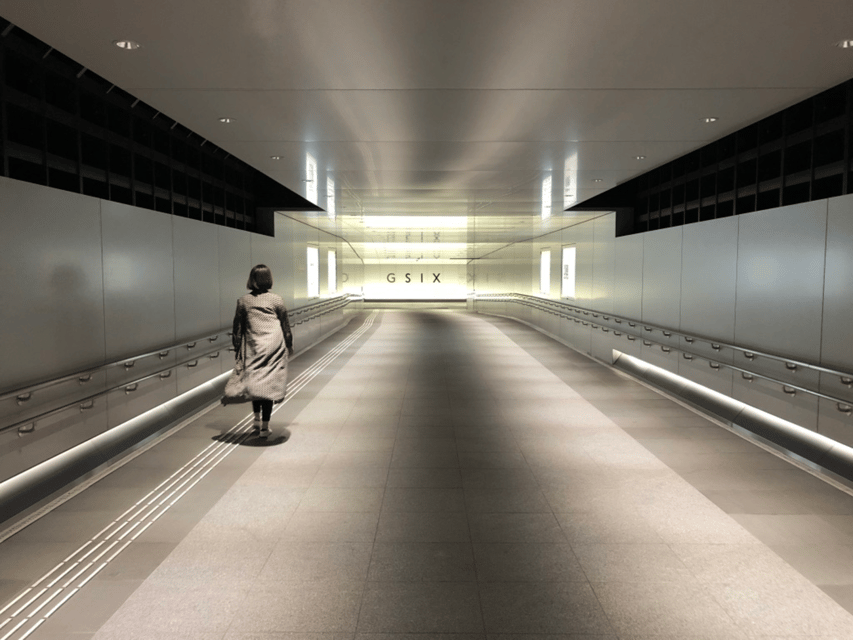
You’ll also take a secret side trip to a backstreet neighborhood so you can appreciate different aspects of the area. This is one of the tour’s smartest choices because Ginza’s main avenues can feel like a single polished face.
Backstreet Ginza tends to show a different layer: daily scale, quieter textures, and the way the city’s “public face” changes when you step a block or two away from the flashiest frontage. You may not get the same landmark intensity, but that’s the point. It helps you connect architecture to urban life.
If you’re deciding whether this tour is for you, this backstreet element is a good test. If you enjoy the small shift from postcard views to everyday street reality, you’ll get more out of the experience.
What’s included (and how that affects your value)
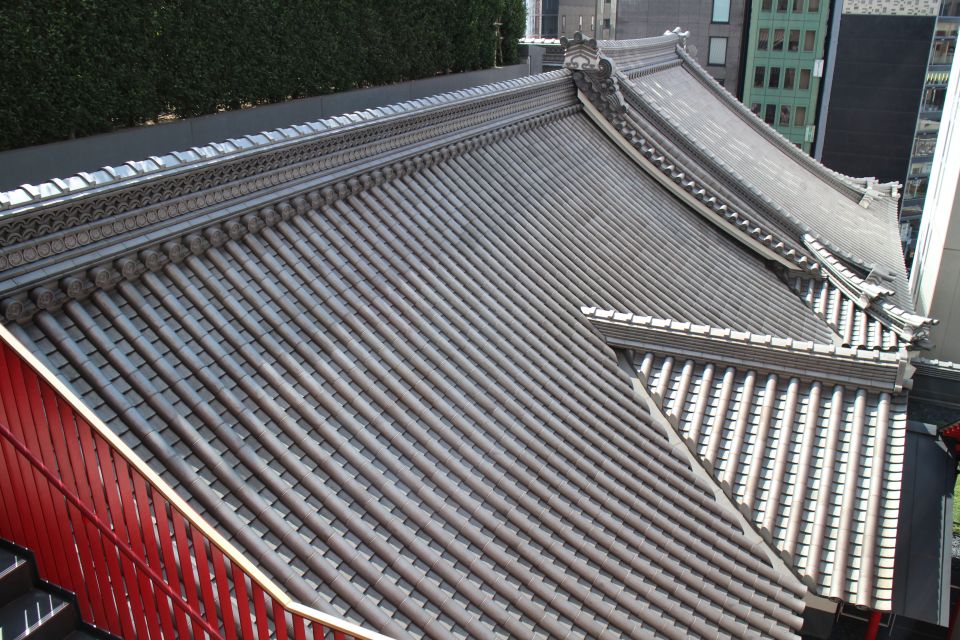
This private architecture tour includes:
- a guide
- a walking tour
- a break time with drinks
It does not include meals, and it doesn’t include transportation fees to/from the Ginza area.
At $129 per person for 210 minutes, value comes from a simple equation: you’re paying for guide time, a focused route, and the fact that it’s private. In a private format, the guide can keep the discussion aligned with what you notice—so you’re not stuck with a generic script.
The drink break also matters more than it seems. Architecture tours can turn into marathon standing. A planned pause helps you reset your eyes, then notice details again with better attention.
Who this tour suits best (and who might want a different style)
This is a strong fit if you:
- want architecture explanations in plain language
- like walking routes where the buildings are the main story
- enjoy comparing eras, especially traditional design vs modern urban ideas
- want a private experience in English rather than a large-group lecture
It may be less ideal if you:
- want a mostly seated sightseeing pace
- are looking for food-focused stops (meals aren’t included)
- need a low-walking option
Practical tips for getting the most out of the 210 minutes
A private tour works best when you feed it your curiosity. Before you start walking, pick 1 or 2 themes you care about—Metabolism ideas, traditional vs modern styling, or how Ginza landmarks shape the street. Then let the guide’s route point you toward supporting examples.
A few more practical notes:
- Wear comfortable shoes. This is a walking-focused experience, and 210 minutes adds up.
- Bring a phone for quick notes. You won’t want to rely on memory when you’re switching between temple, theater, and multiple landmark buildings.
- Expect a mix of iconic and interpretive stops. Some buildings will be visually famous, while others feel more meaningful through the guide’s explanation.
Should you book this Ginza architecture tour?
If you want a focused architecture walk that connects Tokyo icons to real design ideas, I’d book it. The value isn’t just the list of landmark names—it’s the way the route links Tsukiji’s striking temple contrast, Kabuki-za’s tradition-forward rebuild, and Metabolism-era thinking to a Ginza you can actually stand inside and read with your own eyes.
The deal-breaker for some people is purely logistics: you’re committing to a 210-minute walking format, and meals aren’t part of the package. If you’re good with that, a private English guide plus a structured route with a planned drinks break makes this a smart way to see Ginza beyond shopping.
If you like Tokyo architecture that blends theory with street-level reality, this one fits.
FAQ
Where is the meeting point?
Meet in front of the main gate of Tsukiji Hongwan-ji temple. Exit 1 of Tsukiji Station (Tokyo Metro Hibiya line), turn left, and walk straight for less than a minute.
How long is the tour?
The tour lasts 210 minutes (about 3.5 hours).
Is this a private tour and what language is the guide?
Yes, it’s a private group. The live guide speaks English.
What’s included in the price?
The price includes the guide, the walking tour, and a break time with drinks.
What is not included?
Meals are not included, and transportation fees to/from the Ginza area are not included.
What is the cancellation policy?
Free cancellation is available up to 24 hours in advance for a full refund.