REVIEW · TOKYO
Can Am Ryker Cruising in Asakusa Adventure
Book on Viator →Operated by Monkey Adventure Kart · Bookable on Viator
Tokyo gets around fast. A Can-Am ride helps.
This 2-seater Can-Am tour is a fun way to see central Tokyo without worrying about directions, since the guide leads and you just follow the group. I like the mix of modern icons and classic streets on one route, and I love that you get a driver/passenger setup so you can share the experience and still enjoy the views. One thing to consider: only the driver needs the International Driving Permit (IDP) rules that apply, so make sure you plan who will drive.
You’ll start with a short safety briefing and bike instructions, then cruise through Sumida City and beyond for about an hour. I also appreciate how personal the experience feels in small numbers, with a max of 2 travelers and staff guidance throughout—names that show up in the feedback include Reece, Adam, and Lewis. The main drawback is weather: if conditions aren’t good, the tour can be canceled and you’ll need to choose a different date or get a refund.
If you want Tokyo sights with real momentum (and a little attitude), this is a solid pick for Asakusa.
In This Review
- Quick hits before you ride
- Why this Can-Am tour makes Tokyo easier (and more fun)
- The route: Sky Tree, sumo area, Akihabara, Ueno, Sensoji, Nihonbashi
- Sky Tree views to start
- A sumo district pass and the chance of a wrestler sighting
- Akihabara with anime, manga icons, and cosplayers
- Ueno’s parks and Japanese atmosphere
- Sensoji Temple and the old-Japan street feeling
- Nihonbashi: where business and old architecture meet
- What it feels like on the bike: instructions, following the guide, and small moments
- IDP rules and who should drive
- Meeting point: Monkey-kart Asakusa and getting there early
- Price and value: $228.94 per group (up to 2)
- Weather and timing: why your tour day matters
- Who should book this, and who might skip it
- Should you book the Can-Am Asakusa adventure?
- FAQ
- Do I need an International Driving Permit for this Can-Am tour?
- How many people can join the tour?
- How long is the tour?
- Where do we meet, and do we return to the same place?
- What stops will we see during the ride?
- Is navigation required on your part?
- What do I need to bring?
- What happens if weather is bad?
- Is the ticket digital?
Quick hits before you ride
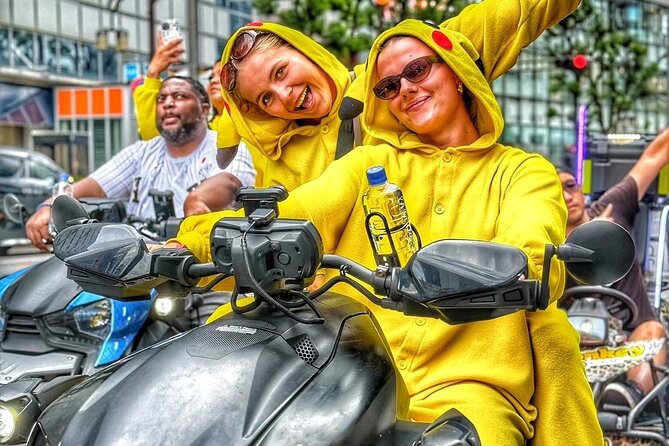
- 2-seater Can-Am with a guide in charge of navigation, so you aren’t reading maps mid-cruise
- Small group size (up to 2 people), which usually means less waiting and more time enjoying the ride
- A tight one-hour route that stacks Sky Tree, Akihabara, Ueno, Sensoji, and Nihonbashi in one go
- You’ll pass a sumo district area, with a chance to spot a sumo wrestler near the stadium
- Only the driver needs an IDP (1949 Geneva Convention rules), not the passenger
- Meet at Monkey-kart Asakusa, then return to the same spot at the end
Why this Can-Am tour makes Tokyo easier (and more fun)

Tokyo is a lot. Even seasoned visitors can end up zig-zagging across neighborhoods and spending more time commuting than sightseeing. This tour keeps things simple: you meet up, get a safety briefing, and then the guide leads the way. That matters because the route is packed—so you want the logistics handled.
What I like most is how the format changes the way you “feel” the city. Instead of walking from one stop to the next at a museum pace, you glide past landmarks and districts as they roll by. It’s not just sightseeing—it’s transportation as entertainment.
And because it’s a 2-seater Can-Am, the experience is shared. If you’re traveling as a couple or with a friend, you can split roles between driver and passenger. You also avoid the common problem of paying for a tour that turns into a solo adventure where you only get photos from the sidelines.
The other big plus is the short duration. About an hour is enough to get the highlights without turning your day into a time-management project. You can still plan other parts of your trip afterward, like shopping in Akihabara or a longer temple walk.
You can also read our reviews of more tours and experiences in Tokyo.



The route: Sky Tree, sumo area, Akihabara, Ueno, Sensoji, Nihonbashi
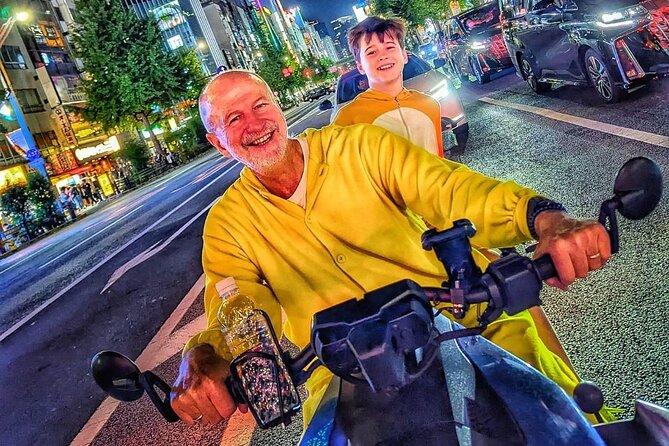
This is the kind of itinerary that works because it’s not one-theme. You get Tokyo as it actually exists: modern skyline next to old street life, pop culture next to parks, business districts beside temples.
Sky Tree views to start
Your ride begins with a stop built around the Sky Tree sightline—Tokyo’s tallest tower with a design that’s instantly recognizable. This is a good opener because it sets the “big Tokyo” tone right away. Even if you’ve seen Sky Tree photos online, seeing it from the road gives you scale fast.
One practical note: it’s still a busy city landmark area, so expect the visuals to be as much about the urban backdrop as a single perfect photo spot.
A sumo district pass and the chance of a wrestler sighting
Next comes a sumo district area. If you’re lucky, you might spot a sumo wrestler as you pass the stadium. That “might” matters—this isn’t a guaranteed performance. But the value here is that the tour builds in a real cultural element you might otherwise miss if you only stayed in the classic tourist core.
This is also a good reminder that Tokyo isn’t one fixed sightseeing loop. Even a short ride can bring you into a different local world.
Akihabara with anime, manga icons, and cosplayers
Then you hit Akihabara, where the streets are known for anime and manga icons and the sidewalk scene can include cosplayers. This is one of those places where the “sights” are partly the buildings and partly the people in the street, and riding past helps you take it all in without trying to cover everything on foot.
If your trip includes a first-time stop in Tokyo, this is a very efficient way to get a feel for the pop-culture atmosphere. And if you’re a return visitor, it still works because the street vibe changes over time.




Ueno’s parks and Japanese atmosphere
After Akihabara, the tour goes to Ueno, described as a place with a uniquely Japanese atmosphere and parks overflowing with nature. Even though you’re on a bike, this stop matters because Ueno often gives visitors a calmer contrast to the electric energy of central Tokyo.
The potential downside is that nature-heavy places can vary with season and weather, so your best experience depends on what the day looks like when you ride.
Sensoji Temple and the old-Japan street feeling
The tour then hits Sensoji Temple, called the most iconic-looking temple in Tokyo, and the streets leading to it. This is where the itinerary becomes more than just “passing by big-name places.” Sensoji is one of those landmarks that pulls you into a different pace of time.
If you like photos, this is likely the stop where you’ll want to slow down with your camera. If you like atmosphere, the street sections are often the real win—temple area crowds, small shopfronts, and the sense of old Tokyo pressing in around you.
Nihonbashi: where business and old architecture meet
The final major highlight is Nihonbashi, centered on a commercial and cultural district and linked to headquarters for many major companies. The description also calls out how historical and modern architecture coexist, plus views of high-rises.
This stop gives you contrast: after temple streets and pop-culture blocks, you see Tokyo as a working city, not only a theme park for visitors. It’s a strong ending because it helps you understand the city’s layers—tradition and finance in the same frame.
What it feels like on the bike: instructions, following the guide, and small moments
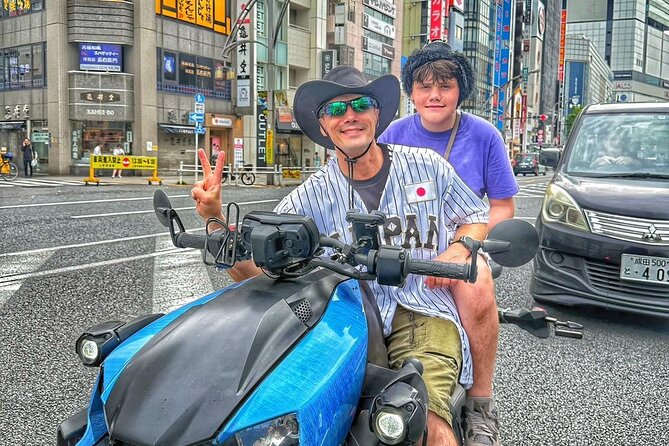
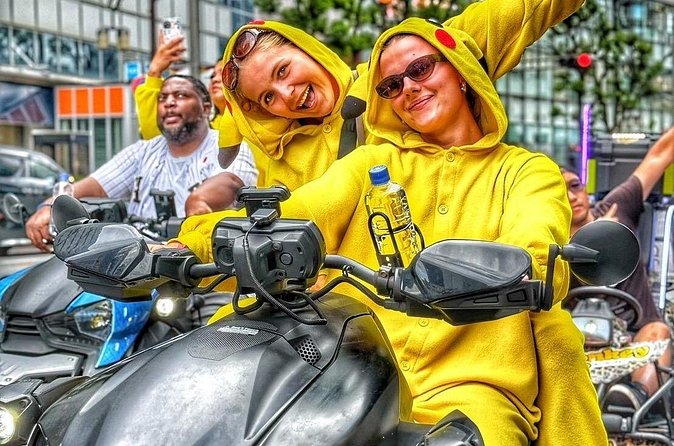
You’ll begin with a safety briefing and instructions on how to operate the bike. The key point for first-timers is that you don’t have to figure out navigation. The guide leads, and you follow the colorfully dressed group.
That “follow the group” detail sounds small, but it’s actually important. Tokyo has complicated intersections and constant side streets. If you’re on a short schedule, being distracted by directions is the fastest way to lose the experience.
Because you’re on a bike, you also get a different relationship to the neighborhoods. Streets slide by in a way that walking can’t match. It’s especially helpful when you’re trying to cover an area like Asakusa and then jump to other districts without burning your energy on transit.
The tour is about 1 hour, so you won’t get stuck in a single slow segment. It’s designed to keep motion while still including meaningful sight stops.
IDP rules and who should drive
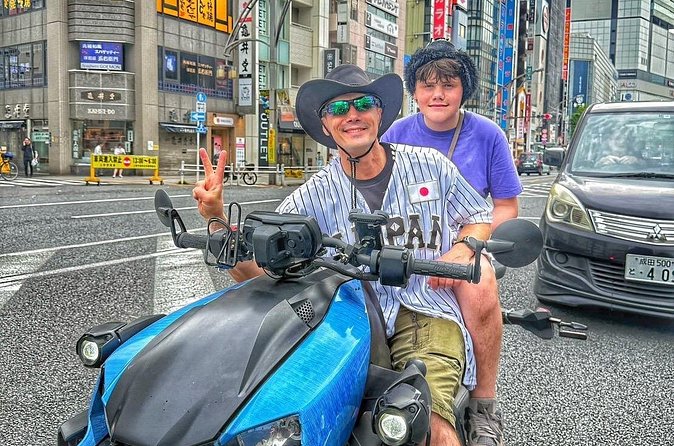
Here’s the part you want to double-check before you book: this tour uses a 2-seater Can-Am bike (driver + passenger). Only the driver needs a valid International Driving Permit (IDP), based on the 1949 Geneva Convention rules.
That’s a major value point if you’re traveling with someone who isn’t planning to drive. You can split roles so only one person handles the IDP requirement, and the passenger still gets the full sightseeing experience.
If you’re not sure whether your IDP qualifies, don’t wait until the day of the tour. Confirm the IDP you have matches what’s requested: 1949 Geneva Convention.
Meeting point: Monkey-kart Asakusa and getting there early

You start and end at the same place: Monkey-kart Asakusa shop in Sumida City (Yokokawa, 4-chōme). Your address is:
Monkey-kart AsakusaJapan, 130-0003 Tokyo, Sumida City, Yokokawa, 4-chōme99
Arrive at least 20 minutes early for check-in and bike preparation. This is one of those instructions that often gets skimmed—don’t. When you show up on time, you get a smoother start, and you’re not stressed while everyone else is getting ready.
The tour is listed as near public transportation, which helps. If your Tokyo day already includes transit planning, this won’t be a huge “how do we get there” headache.
Price and value: $228.94 per group (up to 2)
The price is $228.94 per group, and the group size max is up to 2. That makes it a shared-cost experience, which can be a good deal compared with buying two separate tours for two different people.
You’re paying for a few things at once:
- a guided ride with navigation handled for you
- access to a 2-seater Can-Am format (not a standard walking tour)
- a route that hits multiple big areas—Sky Tree, Akihabara, Ueno, Sensoji, Nihonbashi—in about an hour
Is it worth it for a solo traveler? The “per group up to 2” structure suggests it’s best when you’re not traveling alone. If you’re solo, you can still book, but your value math is naturally different since there’s no built-in second seat for someone else.
Timing also affects value. This activity is typically booked about 19 days in advance on average, so if you’re traveling during a busy period, you’ll want to lock it in earlier rather than later.
Weather and timing: why your tour day matters
This experience requires good weather. If it’s canceled due to poor weather, you’ll be offered a different date or a full refund.
That means the smartest move is to pick a day where you’re not overly dependent on a tight schedule afterward. If the ride shifts to another date, you’ll want to have flexibility so it doesn’t disrupt the rest of your Tokyo plan.
Also, since the tour is about 1 hour, you can often adjust without losing your whole day—but you can’t do that if you scheduled everything tightly.
Who should book this, and who might skip it
This tour is a good fit if you want:
- a first-time-friendly way to see major Asakusa-area connections and nearby districts
- the thrill of a new transport style in Tokyo, not just another walking loop
- a guided experience that removes navigation stress
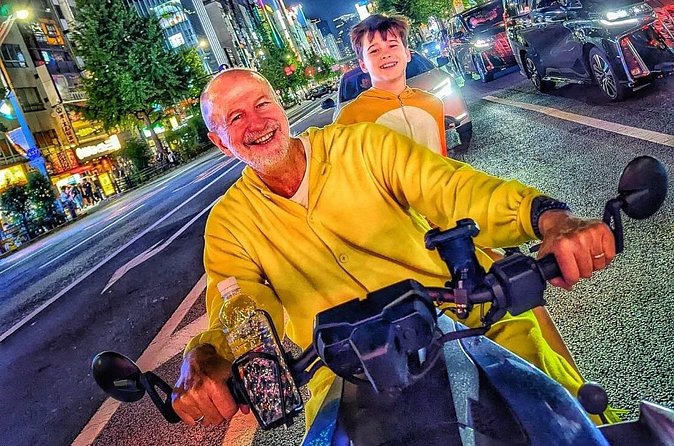
It’s also a strong choice for couples or friends because the group max is 2 travelers and the bike is designed for driver + passenger.
I’d be cautious if you:
- don’t have an IDP and you were hoping to be the driver
- hate the idea that weather can affect whether the tour runs
And if you prefer long wandering and slow museum-style pacing, note that this is built around a short, guided ride. You’ll get highlights, not hours of independent exploration at each stop.
Should you book the Can-Am Asakusa adventure?
If you’re trying to get a lot of Tokyo into a short window, I think this is worth serious consideration. The route is thoughtfully stacked: Sky Tree for modern scale, sumo district for Japanese sport culture, Akihabara for pop culture street life, Ueno for parks and atmosphere, Sensoji for iconic temple streets, and Nihonbashi for the city’s business-and-architecture mix.
The deciding factors for me are practical:
- You’ll enjoy it more if you’re traveling with someone and can share the up-to-2 setup.
- You’ll want to plan who drives, since the IDP requirement applies only to the driver.
- You should choose a day with reasonable weather expectations and arrive early for check-in.
If those boxes fit your trip style, book it. It’s one of those experiences that makes Tokyo feel less like a checklist and more like a ride through the city’s changing moods.
FAQ
Do I need an International Driving Permit for this Can-Am tour?
Only the driver needs a valid International Driving Permit (IDP), based on the 1949 Geneva Convention. The passenger does not require the IDP for this tour setup.
How many people can join the tour?
The tour has a maximum of 2 travelers per booking.
How long is the tour?
The duration is about 1 hour.
Where do we meet, and do we return to the same place?
You meet at Monkey-kart Asakusa, and the activity ends back at the meeting point.
What stops will we see during the ride?
The tour includes stops or viewing points for Sky Tree, a sumo district (near a stadium), Akihabara, Ueno, Sensoji Temple, and Nihonbashi.
Is navigation required on your part?
No. You’ll get a short safety briefing and instructions, and the guide handles navigation. You follow the group during the ride.
What do I need to bring?
If you plan to be the driver, bring your valid IDP (1949 Geneva Convention). You should also arrive at least 20 minutes early for check-in and preparation.
What happens if weather is bad?
This experience requires good weather. If it’s canceled due to poor weather, you’ll be offered a different date or a full refund.
Is the ticket digital?
Yes, the tour uses a mobile ticket. Confirmation is received at booking.