REVIEW · TOKYO
Private Customizable Walking Tour of Tokyo
Book on Viator →Operated by Hello! Tokyo Tours · Bookable on Viator
Tokyo can feel like a maze. This private, customizable walking tour keeps you moving with a guide. I especially like the hotel meet-up and drop-off and the fact you can choose your time and pace. Another big win is that the guide can help you line up a day travel pass, so the subway part feels less stressful.
The main thing to think about: even with pickup, this is still a walking tour. You’ll use the subway for transit, and public transportation costs aren’t included, plus food and drinks are on you.
In This Review
- Key things that make this Tokyo tour worth your time
- How this private walking tour changes Tokyo from chaotic to clear
- The “subway + walking” reality (and how to plan for it)
- A day that moves from Shibuya energy to old-town calm
- Shibuya: crossing the world’s most famous crowd
- Harajuku Street: youth fashion, quick color, and side-street snacks
- Meiji Jingu Shrine: a huge calm reset
- Shinjuku: neon architecture and a high-floor panorama
- The older Tokyo circuit: Asakusa, Senso-ji, and the slow-walk vibe
- Asakusa and Nakamise Shopping Street: traditional shopping with real momentum
- Senso-ji Temple: Tokyo’s oldest temple experience
- Akihabara and Nihonbashi: pop culture meets Japan’s trade past
- Akihabara: anime, manga, games, and electronics overload
- Marunouchi: business district architecture around the imperial-side zone
- East Gardens of the Imperial Palace and Edo Castle ruins
- Nihonbashi: where Tokyo’s commerce story started
- Tsukiji’s Outer Market and Yanaka’s slower, local mood
- Tsukiji Fish Market: the outer market and the tuna auction story
- Yanaka: temple pockets, sweets, and a traditional tea moment
- Viewpoints: Skytree, Tokyo Tower, and Shibuya Sky as add-ons
- Tokyo Skytree (add-on)
- Tokyo Tower (add-on)
- Shibuya Sky (add-on)
- Who tends to love this tour (and who should tweak expectations)
- Practical tips to get the most out of your customizable route
- Should you book this private customizable Tokyo walking tour?
- FAQ
- How long is the private walking tour of Tokyo?
- Does the tour include hotel pickup and drop-off?
- Is this tour private or shared with other groups?
- Are subway and public transportation costs included?
- Are observation deck tickets included for places like Skytree and Tokyo Tower?
- Is the tour free for children?
Key things that make this Tokyo tour worth your time
- Private and customizable: you pick the start time, the length (half or full day), and what you want to prioritize
- Hotel pickup and drop-off: fewer logistics problems on your first or busiest day
- Subway support with a travel pass: your guide can help you buy what you need for the day
- A smart mix of Tokyo eras: neon corners plus temples and old-market streets
- Observation decks as add-ons: you can choose Skytree, Tokyo Tower, or Shibuya Sky based on your budget and mood
- Not just photo stops: you get historical and modern context while you walk
How this private walking tour changes Tokyo from chaotic to clear
Tokyo rewards people who have a plan, even a flexible one. This tour is built for that. Instead of herding you through a fixed route, you and your guide shape the day around what you care about most, from fashion streets to old temples to viewpoints.
You also get something underrated: a guide who can help you deal with Tokyo in real time. That includes practical guidance for the subway system and deciding which areas are worth your limited energy. In a city this big, the value is less about checking boxes and more about getting your bearings fast.
For a lot of first-timers, the payoff is confidence. One day can be enough to understand how neighborhoods connect, where to wander safely, and how to return on your own later. And because it’s private, the pacing stays human. No waiting for a group that wants to shop for an extra 45 minutes.
Price-wise, $202.18 per person can look steep on paper. But you’re paying for three things that add up: hotel pickup/drop-off, a professional guide, and the ability to tailor your route. If you’re spending full days in Tokyo anyway, this often replaces the cost of multiple “one-off” tours or the time you’d waste figuring everything out by trial and error.
You can also read our reviews of more walking tours in Tokyo


The “subway + walking” reality (and how to plan for it)
Even with pickup, you’re mostly on foot. The experience is designed as walking, with subway segments between neighborhoods. That matters because your comfort affects your enjoyment.
A few practical points:
- Wear shoes that can handle lots of sidewalks.
- Expect weather changes. The tour notes that the experience requires good weather.
- Admission is generally free for many shrines/temples and streets, but major viewpoints are add-ons.
- Food and drinks aren’t included, so budget for snacks as you go.
Your guide can help you purchase a travel pass for the day. That’s important because Tokyo’s transit system is efficient, but it can be hard to optimize without local advice. The guide’s help can keep you from buying the wrong thing and then regretting it two train stops later.
A day that moves from Shibuya energy to old-town calm
This tour can stretch from about 4 to 8 hours, depending on what you choose. The route below reads like a greatest-hits map, but your guide can adjust it so you don’t run yourself into the ground. Think of the itinerary as options that you combine into a flow.
Shibuya: crossing the world’s most famous crowd
Shibuya is modern Tokyo in high definition. You’ll head to Shibuya Crossing, famous for its huge pedestrian scramble. It’s the kind of place where you can stand still for 30 seconds and still feel the city moving around you.
Right nearby is the bronze statue of Hachikō. It’s small, but it’s a meaningful pause in a neighborhood that otherwise feels fast and loud. If you like stories tied to real places, this stop delivers.
Consideration: Shibuya can be intense. If you get overwhelmed in busy areas, tell your guide early so you can time this part smartly.
Harajuku Street: youth fashion, quick color, and side-street snacks
From Shibuya’s mass energy, you slide into Harajuku. This is youth fashion territory, right next to Meiji Shrine. You can see the main fashion vibe, then escape into backstreets with street art and playful food.
This stop is ideal for people who like walking through trends rather than reading about them. It’s also a good place to snack, since Tokyo’s streets make it easy to try small bites as you move.
Consideration: If your goal is quiet sightseeing, Harajuku may feel too loud. You can still use it as a brief contrast before heading into the shrine forest.
You can also read our reviews of more private tours in Tokyo


Meiji Jingu Shrine: a huge calm reset
Then you shift from city noise to a shrine built for quiet. Meiji Jingu Shrine sits in a forest of about 700,000 square meters, and you feel it the moment you enter.
This is a strong stop for understanding Japan’s indigenous Shinto tradition. Even if you’re not religious, it’s a beautiful way to see how beliefs shape the physical space around everyday life.
Consideration: It’s a larger walking zone than it looks on a map. If you’re doing a short half-day, you may want a quicker route through and more time later in the day for temples or viewpoints.
Shinjuku: neon architecture and a high-floor panorama
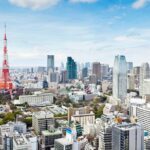
Shinjuku is where Tokyo’s entertainment energy clusters. You’ll get a view over the wider city from an observatory on the 45th floor of the Tokyo Metropolitan Government Building.
This is one of the best “orientation” stops. Instead of only seeing Tokyo street-level, you get a sense of how districts stack and spread. If you’re the type who plans your next days based on geography, this helps.
Consideration: Shinjuku can be a lot at night or in peak hours. Your guide can help you choose timing based on your pace and the day’s rhythm.
The older Tokyo circuit: Asakusa, Senso-ji, and the slow-walk vibe
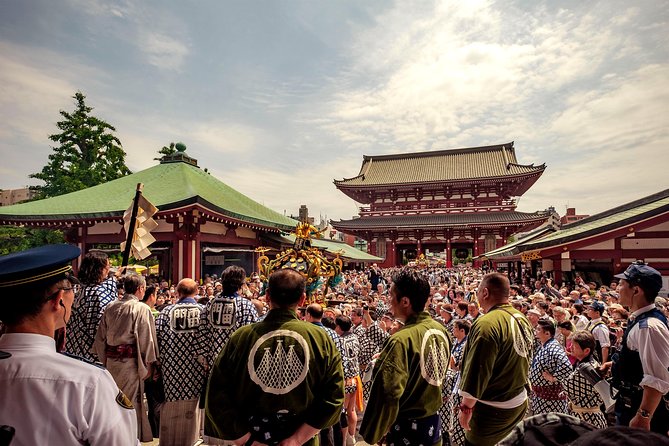
Asakusa is where Tokyo shows you its older face. It’s not living in the past, but it carries traditional rhythms in the middle of a modern capital.
Asakusa and Nakamise Shopping Street: traditional shopping with real momentum
Asakusa is home to Tokyo’s historic center and traditional craft shops. A key area is Nakamise Shopping Street, a short stretch packed with stalls that tempt you to browse.
This is a great stop for simple souvenirs you’ll actually use later. It’s also a good place to take a slow look and let your senses recover from all the neon.
Consideration: Like most popular shopping streets, it can get crowded. Build in a little patience and don’t plan tight train connections right after.
Senso-ji Temple: Tokyo’s oldest temple experience
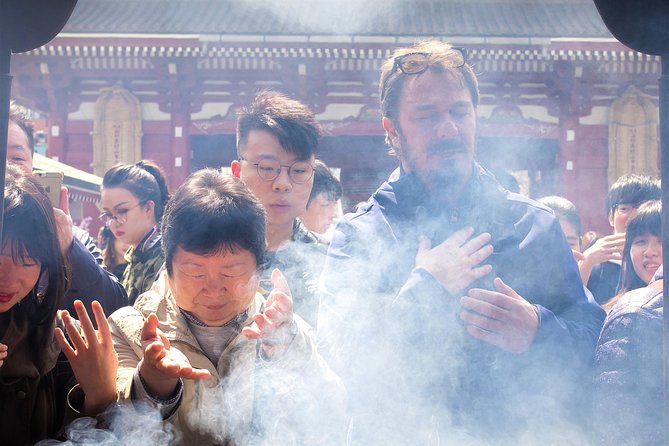
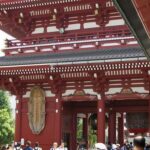
From shopping street energy, you reach Senso-ji Temple, which dates back to 628. If you want old Tokyo with a clear religious identity, this is one of the centerpieces.
You’ll learn about Buddhism through the setting itself, which makes the explanations feel grounded instead of like a lecture.
Consideration: For photos, it’s easy to overstay and block traffic. Ask your guide for a good moment to step aside and still get great angles.
Akihabara and Nihonbashi: pop culture meets Japan’s trade past
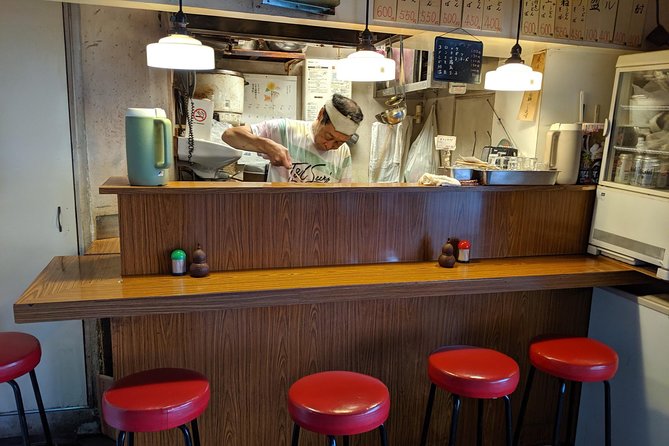
Tokyo has a talent for switching topics without losing continuity. After temples and old streets, the city pivots into tech and then into commerce history.
Akihabara: anime, manga, games, and electronics overload
Akihabara is Tokyo’s electronics hub and a major center for anime and manga culture. You’ll get the visual and sensory overload that fans travel for—stores, signage, and merch everywhere.
This stop works best if you’re into browsing at walking speed. You don’t need to buy anything. Just wandering here tells you a lot about modern Japanese pop culture.
Consideration: It can be exhausting if you’re not into shopping or sales pitches. You can shorten this stop and keep the rest of your day focused.
Marunouchi: business district architecture around the imperial-side zone
Marunouchi sits in the sleek business area near the Imperial Palace zone. You can see major landmarks like Tokyo International Forum and Tokyo Station from the walking perspective, not just from a bus window.
This is also a food-friendly zone. Even without a planned restaurant, the area gives you options if you want something quick and easy between longer sightseeing blocks.
Consideration: If your day is mostly temples and markets, Marunouchi can feel like a change of pace. I’d use it as a breather and a navigation-friendly chapter.
East Gardens of the Imperial Palace and Edo Castle ruins
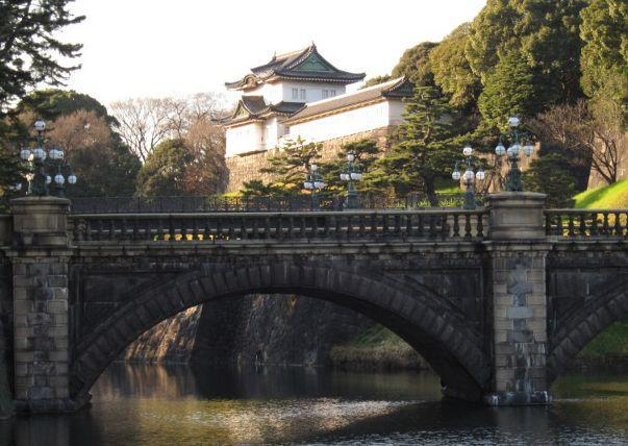
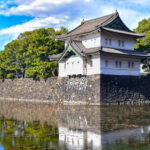
The Imperial Palace East Gardens connect the modern imperial setting to remnants of Edo Castle, including moat walls. It’s a meaningful stop for how older Tokyo shaped the geography you see today.
This is also a smart choice for couples and history lovers who don’t want a museum day. You get context while walking.
Consideration: Gardens take time. If you’re doing a half-day, make sure you prioritize which parts matter to you most before you get there.
Nihonbashi: where Tokyo’s commerce story started
Nihonbashi was the original center of trade and commerce from the Edo period. Today it’s still a place with traditional food and craft shops.
This stop is valuable because it ties daily life to history. You’re walking through an area where the city’s economic roots are part of the modern street scene.
Consideration: If you’re sensitive to crowds, time this section carefully. It’s popular for shopping and sampling.
Tsukiji’s Outer Market and Yanaka’s slower, local mood
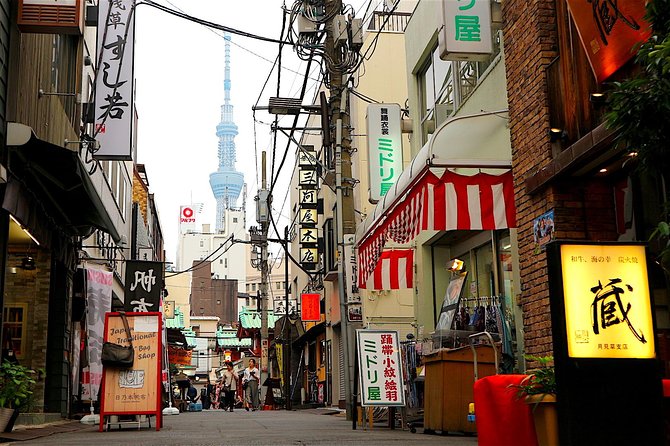
These two stops feel like different Tokyo worlds. That’s good. Variety is what keeps a customized route from feeling repetitive.
Tsukiji Fish Market: the outer market and the tuna auction story
The classic Tsukiji fish market experience is now split. The tuna auction has moved to Toyosu, but the outer market remains. You’ll walk through stalls with fresh fish and food options.
Even if you don’t plan a full meal here, it’s a great stop for atmosphere. It’s one of the clearest ways to see how food culture drives the city.
Consideration: It’s an active zone early. If you show up late, you may still enjoy browsing, but the pace can change.
Yanaka: temple pockets, sweets, and a traditional tea moment
Yanaka is a nostalgic district with lots of temples and local traditions. You’ll also find sweets shops and chances to experience a traditional tea ceremony at a tea house.
This is a strong choice for travelers who want Tokyo that feels less like a theme park. It’s also a nice contrast after high-energy neighborhoods.
Consideration: Tea ceremonies and tea-house time depend on your schedule. If you’re aiming for a tight route, discuss timing with your guide before you get there.
Viewpoints: Skytree, Tokyo Tower, and Shibuya Sky as add-ons
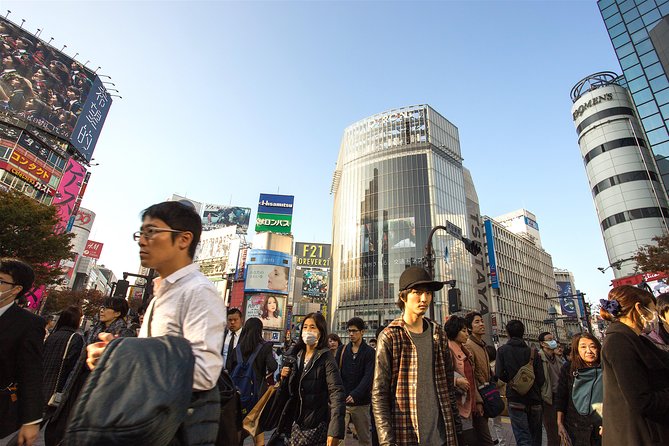
Not all Tokyo skyline moments cost the same. This tour treats the best observation decks as options you can add.
Tokyo Skytree (add-on)
Tokyo Skytree is the world’s tallest tower at 634 meters. The observation deck tickets can be added to your tour.
This is the choice if you want the maximum height and a long-view feel.
Tokyo Tower (add-on)
Tokyo Tower is a post-war symbol of Japan’s economic power. It was the tallest structure from 1958 until 2012, before Tokyo Skytree took over.
This is the choice if you like classic skyline icons.
Shibuya Sky (add-on)
Shibuya Sky is known for a 360-degree observatory view over Tokyo. It’s another add-on option if you want that big-circle perspective.
Consideration: You may not want all three. Choose one, maybe two, based on your time and budget. I’d pick the one that best matches the rest of your day’s direction—if you already spend time in Shibuya, Shibuya Sky can be a perfect closer. If you want a dramatic reach, Skytree can be the star.
Who tends to love this tour (and who should tweak expectations)
I think this tour fits best if:
- You’re visiting Tokyo for the first time and want a guided path to major neighborhoods.
- You like history but also want modern Tokyo in the same day.
- You want a private experience where your pace matters.
- You’re traveling with kids and want an itinerary that can shift to keep them engaged.
Guide names like Paiva, Laura, and Miko come up for a reason. They’re described as fun and accommodating, and they focus on tailoring the day. One family-focused experience also mentions keeping kids engaged and meeting food needs, which tells me this isn’t just sightseeing theater.
That said, keep expectations realistic:
- This is walking plus subway, not a sit-and-watch bus tour.
- Food isn’t included, so you’ll still plan meals.
- Observation deck tickets cost extra if you add them.
- The route is flexible, but that means you should clearly communicate what matters to you early.
Practical tips to get the most out of your customizable route
Here’s how to make this kind of private tour pay off fast:
- Tell your guide your priorities at the start: shopping vs temples vs viewpoints vs food.
- If Imperial Palace gardens matter to you, say so up front. That stop can be easy to miss if your focus is elsewhere.
- For transit, ask the guide to help you choose the right day travel pass for your route.
- Keep one slot open for an add-on if your schedule allows. Some experiences include extras like a boat ride and tea service, and those can add variety if your day isn’t already packed.
Should you book this private customizable Tokyo walking tour?
Yes, if you want Tokyo with structure but not rigidity. The mix of major neighborhoods, the private format, and the convenience of hotel pickup/drop-off make it a smart way to spend your time—especially on your first full day.
I’d pass or modify if:
- You hate walking and long transit days.
- You’re trying to keep costs ultra-low, since subway passes, food, and observation tickets can add up.
- Your trip depends on perfect weather. The experience notes that it requires good weather.
If you fall somewhere in the middle—busy first day, want iconic stops, and you like a plan that can bend—this is a strong bet.
FAQ
How long is the private walking tour of Tokyo?
You can choose how long you’d like to tour, either a half day or a full day. The duration is about 4 to 8 hours.
Does the tour include hotel pickup and drop-off?
Yes. Your guide will come to your hotel for pickup and the tour includes drop-off as well.
Is this tour private or shared with other groups?
It’s private. Only your group will participate.
Are subway and public transportation costs included?
No. Public transportation (subway) costs are excluded. The guide can help you purchase a travel pass for the day.
Are observation deck tickets included for places like Skytree and Tokyo Tower?
No. Tickets for observation decks such as Tokyo Skytree, Tokyo Tower, and Shibuya Sky can be added on, but admission is not included.
Is the tour free for children?
Children aged 11 years and under are free of charge. You just need to tell the provider that they are coming at booking.