REVIEW · TOKYO
Mt FUJI – Panoramic Tour w/ Hoto Lunch, JP Sake & Onsen tatto OK!
Book on Viator →Operated by VAS · Bookable on Viator
Mount Fuji has a habit of teasing you. This full-day small-group tour is built for maximum real viewpoints, not rushed bus stops. You get a limited group size (max 8), lots of time to ask questions, and a route that hits the classic postcard angles plus a few calmer side stops.
I like the hands-on rhythm: a sake distillery sampling and a proper local lunch in the Fuji foothills (hoto is part of the lunch focus). The day also includes a true “try it” menu of snacks and treats, like Japanese sweets along the way.
One drawback to plan around: Mount Fuji visibility depends on weather. When clouds roll in, you may still get a great day, but the payoff is clearly better on a crisp, clear morning—something the tour specifically requires.
In This Review
- Key things to know before you go
- Why a small-group Fuji day beats the big-bus approach
- The 7:30 a.m. start: transit time and how to handle the long day
- Nishikatsura-cho and Fujiyoshida: your first Fuji fix
- Arakura Fuji Sengen Shrine: climb the postcard spot
- The Saiko Iyashi-no-Sato Nemba village and optional kimono time
- Kanadorii torii gates and Oishi Park with Kawaguchiko Lake
- Hottarakashi Onsen: optional soak with mountain-at-a-distance vibes
- Misaka Pass and the lunch stops: where hoto fits in
- Sasaichi Shuzo Shuyukan: sake tasting that’s more than a gimmick
- Price and value: what you’re really paying for (and what you’ll pay extra)
- Weather and the clouds: how to get a good day anyway
- Who this tour fits best (and who should reconsider)
- Should you book this Mt. Fuji panoramic tour?
- FAQ
- What time does the tour start?
- Where does the tour meet in Tokyo?
- How long is the tour?
- How many people are in the group?
- Is a mobile ticket used?
- What’s included in the price?
- Is lunch included, and what kind of meal is it?
- Are the onsen and kimono experiences included?
- Is sake tasting included?
- Does the tour operate in all weather?
Key things to know before you go
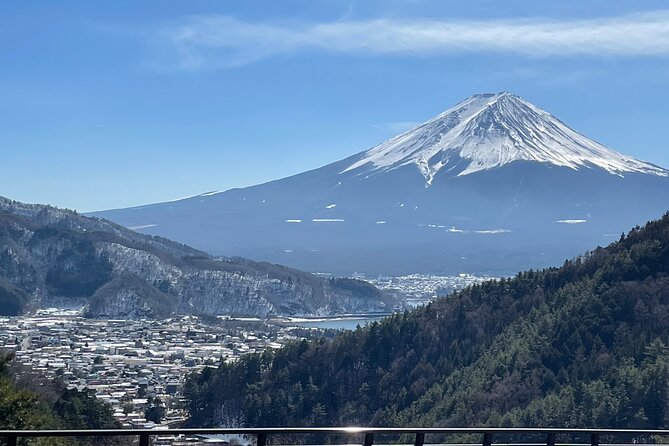
- Small group, big attention: max 8 people, with time for guide questions.
- Iconic angles, timed well: multiple Fuji photo stops spread through the morning and afternoon.
- Sake tasting at a local distillery: you’ll sample virgin sake and locally produced liquored varieties.
- Hottarakashi Onsen views: optional onsen at the heights, with Fuji seen from afar.
- Optional kimono village: fun, but it’s extra cost and not necessarily “on the spot” rental.
- Long day, lots of road time: expect about 3.5 hours of transit on a 10-hour schedule.
Why a small-group Fuji day beats the big-bus approach
If you’ve tried planning Fuji from Tokyo, you already know the problem. You want great viewpoints, but the logistics eat your time: train transfers, parking searches, and the constant worry that you’ll miss the one good photo window. This tour is designed to reduce the chaos with a tight group and a full-day schedule that keeps moving without feeling like a stampede.
The small-group setup is the big practical win. With a max of 8, the guide can actually answer questions, and you spend less time waiting for a giant bus crowd to shuffle forward. That matters at stops like Arakura Fuji Sengen Shrine, where people naturally cluster for photos and you’ll want help timing your climb and viewpoints.
Another reason I’d pick this style is the mix of “wow” and “learn.” You’re not only collecting views—you’re getting facts about Mount Fuji that don’t usually fit on a standard postcard route. One guest specifically credited their guide, Yayoi-san, for making the day memorable even when clouds blocked the mountain.
You can also read our reviews of more food & drink experiences in Tokyo



The 7:30 a.m. start: transit time and how to handle the long day
You start at 7:30 a.m. at the Shinjuku Post Office meeting point, and the total day clocks in at about 10 hours. The route covers 400+ kilometers round trip, with roughly 3.5 hours in transit.
That sounds like a lot, but it’s the reality of doing a Fuji day from Tokyo and still hitting multiple photo spots. The smart move is to treat the ride time as part of the plan. Bring something to read, download offline maps, and pack a light layer for the early morning chill.
Also note the pacing: the itinerary includes short stops—often 15 to 20 minutes for photo viewpoints—plus a few longer ones where you can breathe. The structure is built so you don’t lose the best light to travel delays.
If you’re the type who gets grumpy on slow mornings, aim to solve it with snacks and water before you meet. Coffee and tea aren’t included, so you’ll want to decide ahead of time whether you’ll buy drinks on the way.
Nishikatsura-cho and Fujiyoshida: your first Fuji fix
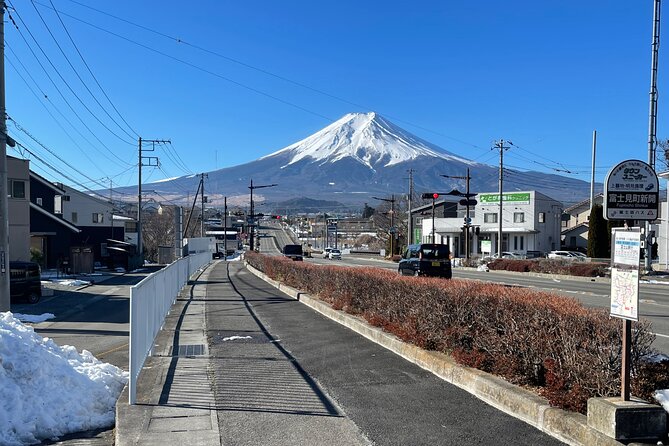
The tour starts by easing you into the mountain rather than tossing you into a single stop. At Nishikatsura-cho, you get a first glimpse of Mount Fuji facing you early—one of those moments that instantly tells you whether the day will be clear.
Then you move to Fujiyoshida for a contrast view: a townscape in front, with Mount Fuji in the background, and time to grab local Japanese confectionaries. This is one of those stops that works even if you’re not a hardcore photographer. You’re still getting the Fuji-in-context feeling—how the region lives with the mountain instead of just aiming for a single perfect frame.
Two practical tips here:
- Wear shoes you can stand in for a bit, even during “small” stops.
- If you’re sensitive to crowds, arrive at the viewpoint quickly and step slightly off the main photo line.
Arakura Fuji Sengen Shrine: climb the postcard spot
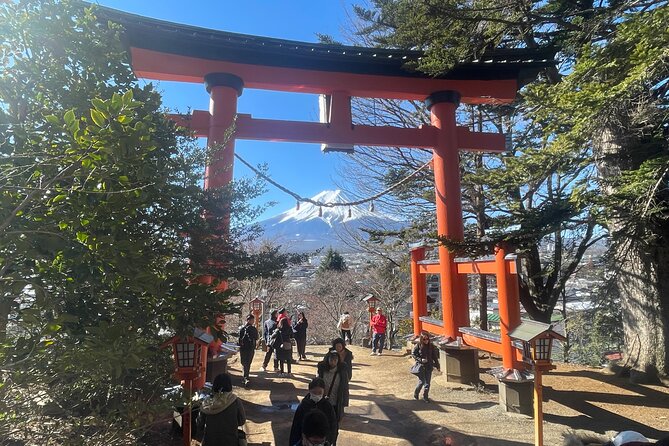
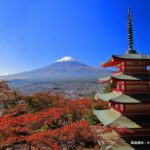
Arakura Fuji Sengen Shrine is the iconic postcard stop in the middle of the day. You’ll visit, then actually climb to the view from one of the shrine’s well-known angles. The scheduled time is about 50 minutes.
This stop is popular for a reason. You’re not just seeing Fuji—you’re seeing the shrine setting layered beneath it, which gives your photos depth and context. It also tends to be one of the most memorable parts of the tour because it adds effort, not just viewing.
Downside? It’s a short climb and it’s still a public viewpoint with other visitors. If you’d rather avoid steep movement, go at your own pace and let the group spread out. The good news is your guide will keep things moving so you’re not stuck wondering where to go.
In at least one recent group, the guide’s personality mattered here too. Yayoi-san was praised for patience and caring energy, which is exactly what you want when you’re climbing and looking for clear views.
The Saiko Iyashi-no-Sato Nemba village and optional kimono time
Next is Saiko Iyashi-no-Sato Nemba, a traditional Japanese village that gives you another angle of Mount Fuji from an older, more human-scale setting. You’ll have about 40 minutes here, and there’s an option to wear Japanese village kimonos.
Here’s the balanced take: the village experience can be charming, but it’s also one of the extra-cost pieces. One guest suggested skipping the kimono village part to get more time where the payoff is higher, like the onsen. Another important detail: you may not be able to rent a yukata on the spot because the location is reserved ahead of time.
So if you’re budgeting, think of the kimono option as a bonus, not a requirement. If you love dressing up and you’re comfortable with added logistics, do it. If you just want Fuji views, you might prefer to keep the time flexible.
You can also read our reviews of more tours and experiences in Tokyo

Kanadorii torii gates and Oishi Park with Kawaguchiko Lake
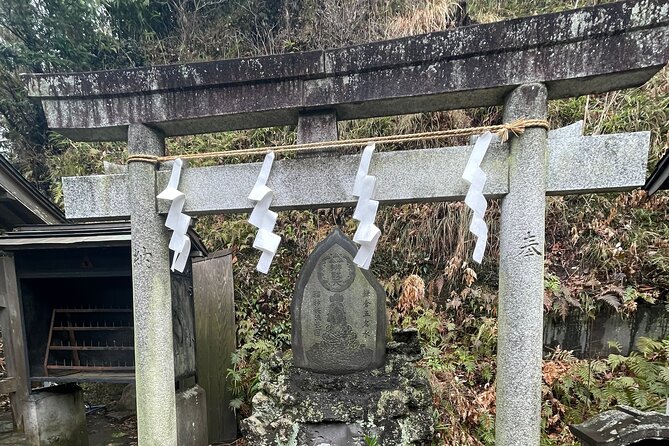
You’ll stop briefly at Kanadorii, where you’ll see the first torii gates of the Main Shrine that guards the base of Mount Fuji. This is shorter (about 15 minutes), but it’s meaningful because it’s tied directly to the mountain’s religious geography.
Then you move to Oishi Park, around 20 minutes, with Mount Fuji and Kawaguchiko Lake in the same frame. This is the kind of stop that’s almost unfair when the sky is clear: water, reflection potential, and Fuji composition.
If the wind is up, keep an eye on your camera strap and hats. At these open-air viewpoints, gusts happen and people get distracted for photos. A good guide helps you time where to stand and how to avoid awkward angles.
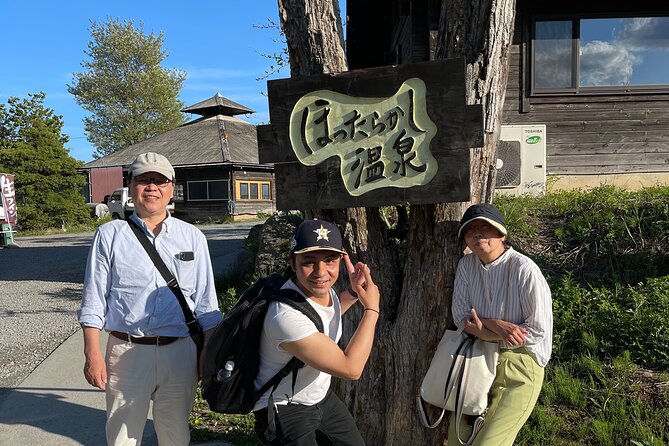
Hottarakashi Onsen: optional soak with mountain-at-a-distance vibes
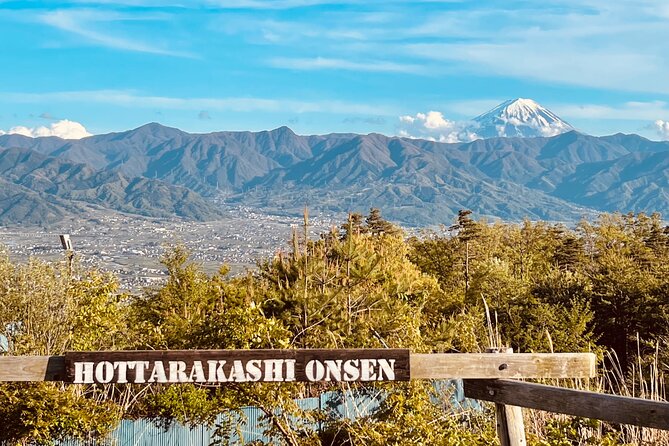
This is the stop that people tend to bring up with a big smile. Hottarakashi Onsen is included as a visit, and the onsen itself is optional with an additional fee of about ¥900 per person. The scheduled time is 50 minutes.
Why it’s such a good idea: it’s on higher ground, so your view can stretch out toward Mount Fuji from afar. One guest called it incredible and said the onsen let them relax while still keeping Fuji in the day’s story.
What to plan for:
- You’ll want to confirm what’s included in the ¥900 option at the moment you arrive.
- Bring a realistic expectation: you’re soaking, not doing a luxury spa tour with full amenities listed ahead of time.
- If you’re planning to spend extra money anyway, this is usually a better place to spend it than optional extras that don’t change your main payoff.
If you’re on the fence, consider your tolerance for changing into bath clothes and moving through onsen etiquette. This stop is worth it if you can handle the routine and want the full “Fuji region” feel.
Misaka Pass and the lunch stops: where hoto fits in
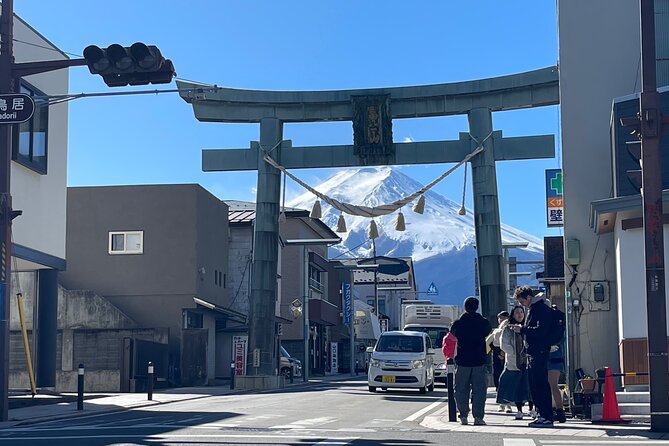
Later in the day you reach Misaka Pass, which includes time for Japanese lunch in the area. The scheduled stop is about 1 hour 10 minutes.
The tour’s lunch focus is built around hoto-style comfort food, which is a warm, regional choice for colder or breezy days around Fuji. Even if you’re not a hoto superfan, having a real local meal on a full-day route is one of the smartest ways to keep energy steady.
A couple of extra food moments show up too:
- There’s a service area stop (Dangozaka Service Area inbound) for local breads if you didn’t manage breakfast.
- You’ll also pass through places that add sweet breaks, and one guest highlighted daiginjo ice cream as a treat tied to the route.
If you’re picky about lunch, keep your expectations grounded. One guest wasn’t in love with the included lunch. That doesn’t mean it’s bad; it means your taste matters, and optional snacks are your friend. If you know you get hungry fast, pack a small snack for the transit hours.
Sasaichi Shuzo Shuyukan: sake tasting that’s more than a gimmick
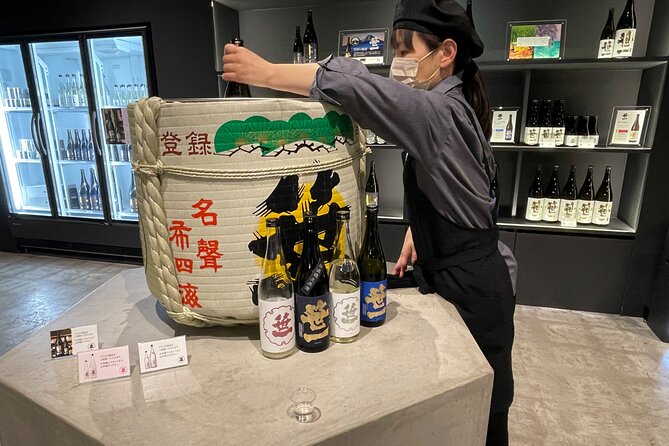
One of the best parts of this tour is the visit to Sasaichi Shuzo Shuyukan, a sake distillery museum with a tasting component. You’ll have about 45 minutes here.
This is not just a “look at bottles” stop. You sample virgin sake and also liquored varieties produced locally in the area. That matters because it connects what you’re drinking to place and process, even if you don’t speak Japanese.
It’s also where the guide tone can really shine. Keiko-san was praised as an excellent guide who handled the group of six well and helped make time for questions while keeping the day relaxed.
If you’re doing this as a non-drinker, you still get value from seeing how sake production is presented and tasting can be optional in practice. The tour includes the tasting experience and you’ll want to see how it’s handled for those who prefer not to drink.
Price and value: what you’re really paying for (and what you’ll pay extra)
At $172 per person for about 10 hours, the price is competitive for a day trip from Tokyo that includes:
- Air-conditioned vehicle and parking fees
- A included lunch
- Multiple timed viewpoint stops
- An included distillery tasting
- Several included admissions
Where value gets tricky is the optional part. On the non-included list, you should budget for:
- Onsen option around ¥900 per person
- Tea experience optional about ¥500 per person
- Kimono experience optional around ¥2,500 per person
So the question isn’t only is the base price fair. It’s also: do you plan to add extras? If you want the onsen, factor it in. If you want the kimono village, decide whether the extra cost is worth it to you, especially given comments about time use.
The tour also says optional fees changed so guests pay for some experiences, likely to keep costs stable as fuel and food prices shift. For you, that just means you should plan to carry cash or ensure payment works for the local pricing at the time.
One more value point: the tour is only scheduled for days that match good-weather expectations. When skies cooperate, you get a strong day. When they don’t, you still get the cultural and food stops, but the big mountain payoff may be reduced.
Weather and the clouds: how to get a good day anyway
Fuji can hide. The tour specifically notes it requires good weather, and if it’s canceled for poor weather, you’ll be offered another date or a full refund. That’s helpful.
But if the mountain is partially obscured on the day you go, don’t panic. One review highlighted a day where clouds blocked clear views, and the guide (Yayoi-san) still made it feel like a full experience with patience, museum time, and thoughtful guidance.
What you can do:
- Dress for cool conditions and keep layers simple.
- Bring a camera that works for low-contrast light if the sky turns gray.
- Keep a calm attitude at the shrine climbs—cloudy days can still be interesting, just less dramatic.
The best plan is to treat Fuji views as the headline, not the entire story.
Who this tour fits best (and who should reconsider)
This tour is a great fit if you want:
- Multiple Fuji viewpoints without the hassle of planning
- A small group where questions aren’t ignored
- A balanced day with photos, shrines, a traditional village option, sake tasting, and lunch
It’s especially good for solo travelers who want structure. One person noted how comfortable they felt during the tour because the group stayed small and the transport was easy.
It might be less ideal if you hate long rides or you want very flexible pacing without fixed stop times. Since the route includes many short photo windows and about 3.5 hours of transit, you’ll be on a schedule whether you love it or not.
Also, if you’re strongly price-sensitive, remember that the onsen and kimono options cost extra. You can enjoy plenty without them, but you need to decide early.
Should you book this Mt. Fuji panoramic tour?
I’d book it if you want a Fuji day that’s organized, photo-focused, and not crowded. The small-group feel (max 8) and the included distillery tasting are standout value points. The itinerary also hits a smart spread: early first glimpses, a real shrine climb, lake views, a high-ground onsen option, and a lunch break in the region.
I’d pause before booking if you’re hoping for certainty on mountain visibility or if you’re allergic to optional add-ons and prefer every cost to be bundled. And if the kimono village is your main goal, read your comfort level: you may not be able to rent on the spot, and some people feel the time could be better used elsewhere.
If your priorities are clear viewpoints, a guide who can explain what you’re seeing, and a day that feels more personal than bus tourism, this is the kind of Fuji trip that usually delivers.
FAQ
What time does the tour start?
It starts at 7:30 a.m.
Where does the tour meet in Tokyo?
The meeting point is Shinjuku Post Office, 1-chōme-8-8 Nishishinjuku, Shinjuku City, Tokyo 163-8799, Japan.
How long is the tour?
The duration is approximately 10 hours.
How many people are in the group?
The tour has a maximum of 8 travelers.
Is a mobile ticket used?
Yes, it’s listed as a mobile ticket.
What’s included in the price?
Lunch, parking fees, and an air-conditioned vehicle are included, plus admissions/tastings at several stops.
Is lunch included, and what kind of meal is it?
Lunch is included, and the tour centers on a local Japanese lunch (with hoto as the lunch focus).
Are the onsen and kimono experiences included?
The onsen is optional and costs about ¥900 per person. The kimono experience is also optional and costs about ¥2,500 per person.
Is sake tasting included?
Yes. You visit a sake distillery and sample virgin sake and liquored products made locally.
Does the tour operate in all weather?
The experience requires good weather. If it’s canceled due to poor weather, you’ll be offered a different date or a full refund.