REVIEW · TOKYO
Tokyo: Mt. Fuji & Hakone Cherry Blossoms Private Day Tour
Book on GetYourGuide →Operated by Japan Travel and Tour · Bookable on GetYourGuide
One day, three ways to see Mt. Fuji. This private tour strings together Mt. Fuji up close at 5th Station and cherry blossom viewpoints like Chureito Pagoda, plus the volcanic drama of Hakone. It’s a packed route, but it’s built for maximum views and minimal hassle.
I especially like how the day blends classic photo stops with small moments you can actually enjoy—like a stroll through ancient cedar trees at Kitaguchi Hongu Fuji Sengen Jinja and the calm shimmer at Oshino Hakkai. You also get door-to-door logistics with a private guide and vehicle, which matters a lot on long intercity days.
One consideration: weather can decide your payoff. On a cloudy day, Mt. Fuji can fade fast, and that’s where this kind of premium-priced tour can sting.
In This Review
- Key highlights to plan for
- How this private Mt. Fuji and Hakone day actually feels
- Mt. Fuji 5th Station: the closest common viewpoint
- Chureito Pagoda cherry blossoms: the classic Fuji angle
- Shrine and Oshino Hakkai: Fuji’s springs and the cedar-gate moment
- Lake Kawaguchiko cruise plus Oishi Park: wider views, better pacing
- Lake Ashinoko and Hakone: the caldera view you came for
- Owakudani: sulfur fumes, hot rivers, and an active crater zone
- Gotemba Premium Outlets: the practical reset at Fuji’s base
- Price and logistics: when $490 per group makes sense
- The kind of guides that can make or break the day
- Tips to maximize your chance of seeing Fuji
- Should you book this cherry blossom Mt. Fuji and Hakone private day?
- FAQ
- What’s included in the price?
- How many people can go on the private tour?
- Where are pickup and drop-off available?
- What language is the guide?
- Is Mt. Fuji entry included?
- Are food and drinks included?
- Does the tour include skipping ticket lines?
- Is the tour wheelchair accessible?
Key highlights to plan for
- 360-degree views from Mt. Fuji 5th Station with a guided walk and a look down toward the Fuji Five Lakes.
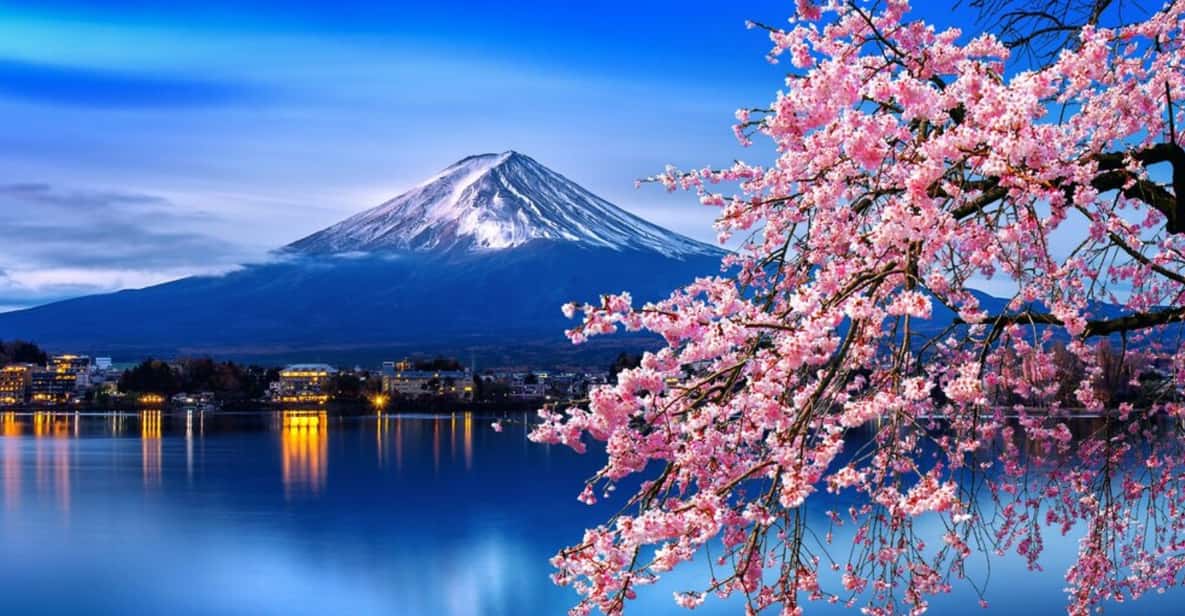
- Chureito Pagoda’s panoramic Fuji angle, plus cherry blossom wandering up to the top.
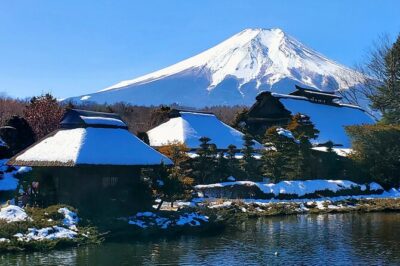
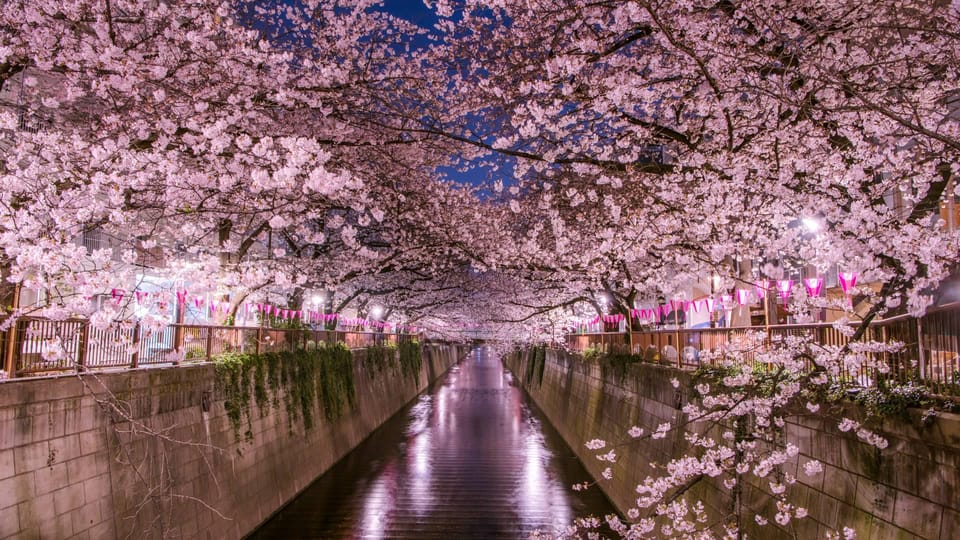
- Oshino Hakkai’s 300 cherry blossom trees and crystal-clear spring ponds—a short stop that feels quietly special.
- Lake Kawaguchiko cruise and Oishi Park for broad Fuji views and a lavender-scented break.
- Hakone’s Lake Ashinoko and Owakudani to see the caldera story and active sulfur zone firsthand.
- Gotemba Premium Outlets as a practical, brand-name shopping break right at the base of Mt. Fuji.
How this private Mt. Fuji and Hakone day actually feels
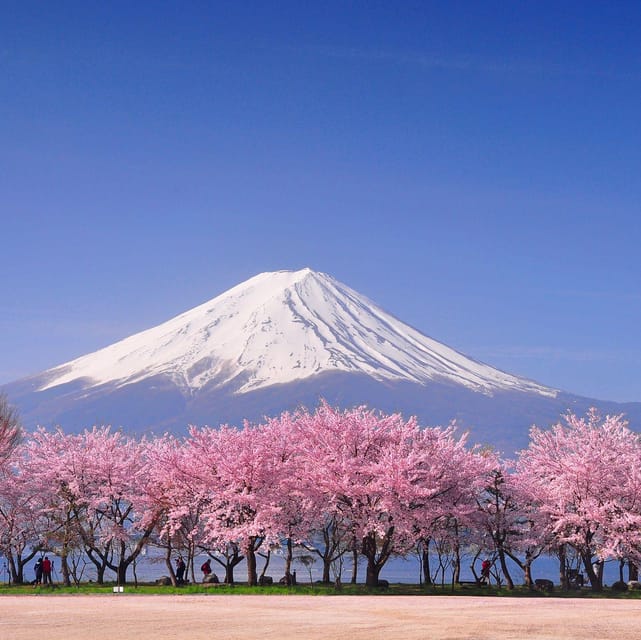
This is a one-day hit of Honshu’s most famous scenery, and the route is designed to keep you moving while still giving you time at key viewpoints. You start with a hotel pickup from Tokyo (or nearby airports/cities like Chiba, Narita, or Haneda), then ride in a private van for about two hours before you begin the Fuji circuit.
Because it’s private, you’re not stuck with the slowest group pace. Still, don’t kid yourself: it’s a long day. You’re stacking altitude views, shrine walking, lake time, and volcanic sightseeing—so bring the mindset of a day trip, not a leisurely vacation stroll.
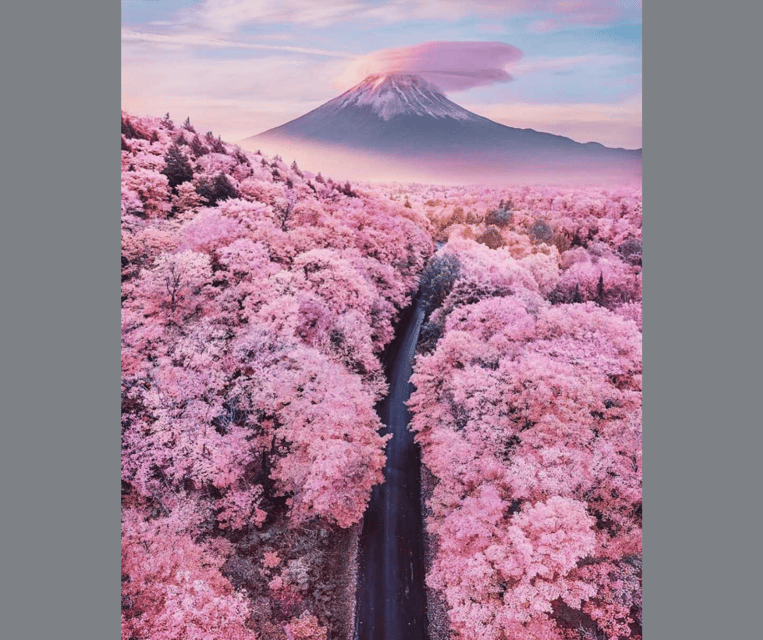
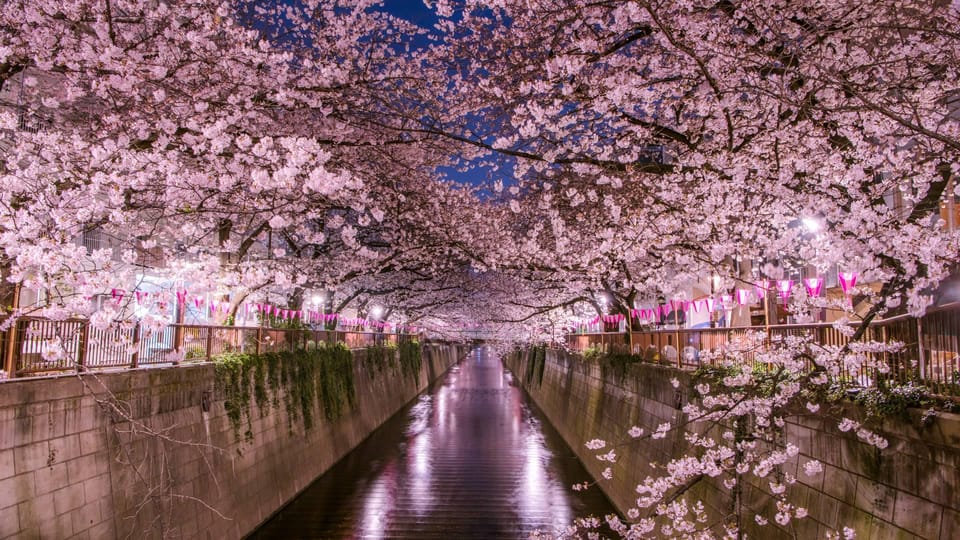
The cherry blossom focus is real. You’ll pass through areas known for spring blooms, including Chureito Pagoda and Oshino Hakkai, where the setting is built for that crisp, postcard Fuji look.
You can also read our reviews of more private tours in Tokyo

Mt. Fuji 5th Station: the closest common viewpoint
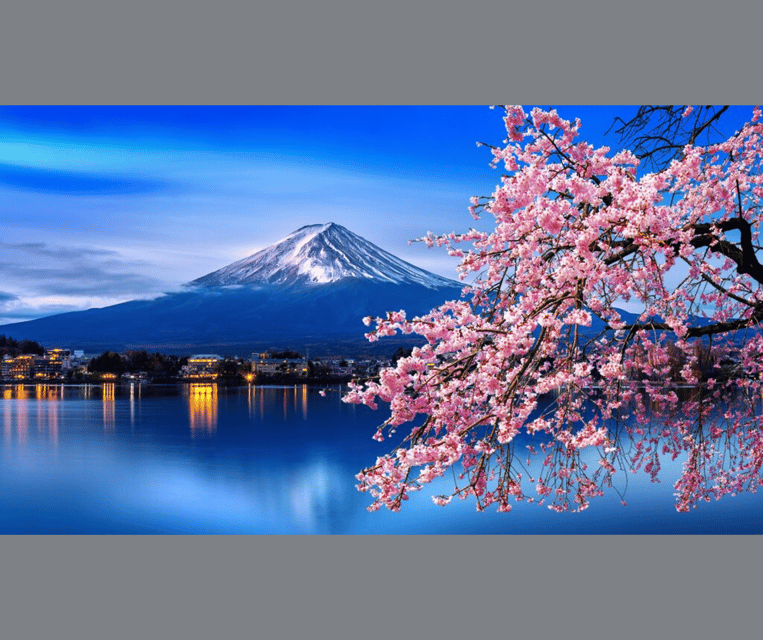
The day’s first big moment is Mt. Fuji Subaru Line 5th Station. At this height, the view changes from distant icon to something more immediate. You’ll get guided sightseeing and a chance to look out toward the Fuji Five Lakes area below.
This stop matters even if you’re not climbing. It’s one of the few places on a day tour where you get that full “I’m looking at the mountain itself” feeling. The tour includes about an hour here, which is enough for photos, walking around, and getting oriented.
A quick reality check: the higher you go, the more weather can swing. If it’s cloudy or hazy, Fuji might look muted. That risk is part of the deal when you target a mountain icon.
Chureito Pagoda cherry blossoms: the classic Fuji angle
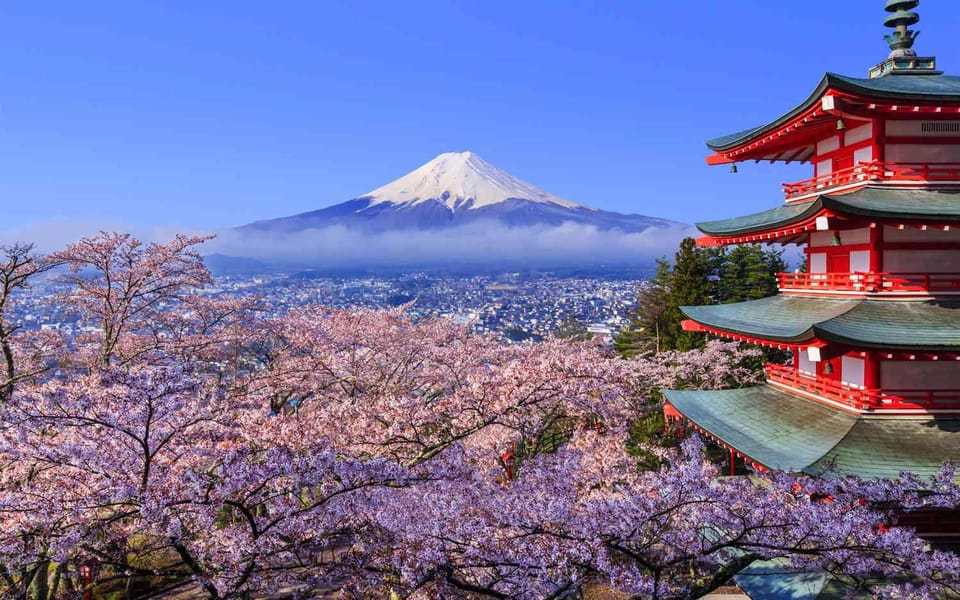
From there, you head to Chureito Pagoda, one of the most recognizable Fuji viewing spots. You’ll have about an hour, with guided walking and time to hike up the approach paths for scenic views.
The promise here is visual: Fuji framed by the pagoda scene, often with cherry blossoms nearby. If you time it well, it’s the kind of scene where you stop taking photos and just look for a minute.
The tour also leans into the “slow the pace briefly” part of sightseeing. You’re not just snapping; you’re moving through blossom paths to reach the top view. That small stretch is what turns the stop from a checklist item into a memory.
Shrine and Oshino Hakkai: Fuji’s springs and the cedar-gate moment
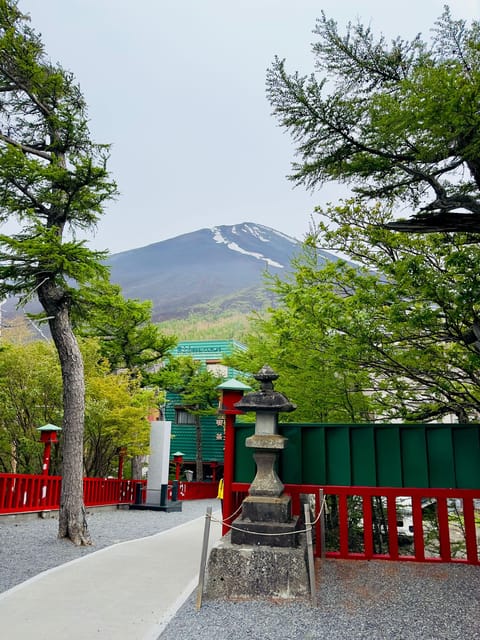
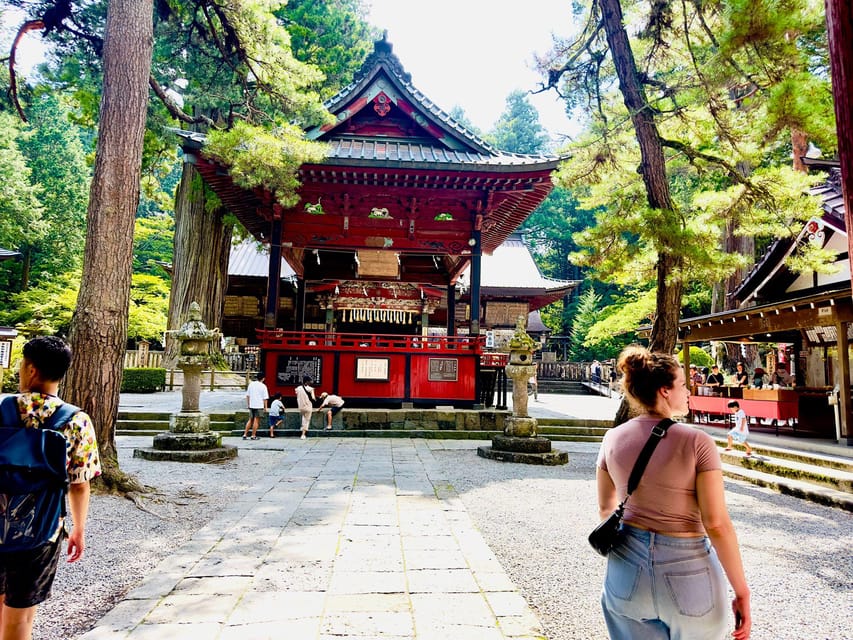
Next up is Kitaguchi Hongu Fuji Sengen Jinja Shrine. You’ll walk through massive old trees, then reach the oldest wooden gate at the shrine. That’s a nice break from the high-mountain and roadside viewpoint cycle.
Why it works: it gives your body a different kind of time. Instead of altitude glare and wind, you’re in shaded walking and slower temple energy. It’s the kind of change that keeps the day from feeling like one long scenic bus ride.
After the shrine, you’ll go to Oshino Hakkai, a World Heritage site. This is where the tour shifts from mountain views to water clarity. The focus includes the ponds and a cherry blossom component—there are 300 cherry blossom trees here, and the walking-and-shop area is part of the charm.
Oshino Hakkai is also one of the better “stretch legs” parts of the day. You get about an hour, enough for the main sights and to browse without rushing.
Lake Kawaguchiko cruise plus Oishi Park: wider views, better pacing
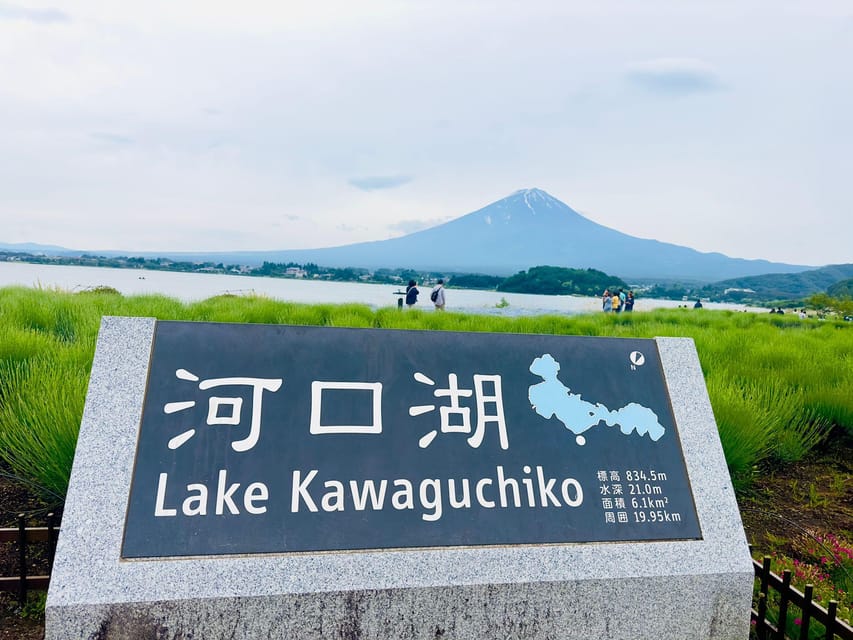
Then you move to Lake Kawaguchiko, where the day adds both sightseeing and a lunch window. Expect a guided look around the lake area and time for street food options. This is also your chance to reset mentally: lakes take the pressure off a bit compared to the mountain-and-volcano sequence.
After that, you head to Oishi Park for about 30 minutes. It’s brief by design, but the goal is clear: panoramic Fuji views and a sensory pause at a lavender flower garden area. If you like that mix of scenery and smell, this is a smart stop in the middle of a packed day.
Next you ride the Kachi Kachi Ropeway for more high-angle views. That ropeway is worth it if you’re trying to multiply your Fuji angles without adding a hike.





Lake Ashinoko and Hakone: the caldera view you came for
Hakone is where the story becomes volcanic, not just picturesque. You’ll visit Lake Ashinoko, a lake formed in the caldera after Mount Hakone’s last eruption about 3,000 years ago. Today it’s a famous symbol in the Hakone landscape, especially with Fuji visible in the background when conditions allow.
This part of the day gives you a different kind of postcard. Instead of Fuji rising over land, you’re often looking across water with the volcano geography shaping the frame.
Owakudani: sulfur fumes, hot rivers, and an active crater zone
The tour’s late-day dramatic stop is Owakudani, a crater created during an ancient eruption. Today, much of the area is an active volcanic zone, with sulfur fumes, hot springs, and hot rivers.
This is where you can feel the scale of Hakone. It’s not about quiet beauty alone—it’s about seeing how geology still runs the show. And because Owakudani sits with Fuji as a possible backdrop, this is also one of the last chances for a strong Mt. Fuji view if the sky cooperates.
Afterward, you head back toward Tokyo, with the private van ride closing the day.
Gotemba Premium Outlets: the practical reset at Fuji’s base
Not every Mt. Fuji day trip has time for shopping that feels worth it, but this one includes Gotemba Premium Outlets for about an hour.
You’ll have a guided visit and time to browse or shop, with brand names listed like Nike, Puma, Coach, Gap, Polo, North Face, Paul Smith, Bose, and more. Even if you don’t shop, it’s a useful temperature-and-bathroom break after lots of outdoor walking.
The value angle here is time management. You get a set window for shopping at a known place, rather than hoping you’ll find something on your own along the way.
Price and logistics: when $490 per group makes sense
This tour is $490 per group up to 6 people, lasting about one day. That sounds pricey until you break down what you’re actually buying.
You’re paying for:
- door-to-door pickup and drop-off,
- private transportation and parking/tolls,
- a private English live guide,
- a day’s worth of routing between Tokyo, Fuji-area sights, and Hakone.
It’s closer to buying convenience than buying tickets. If your group is 4–6 people, the per-person cost drops quickly, and the private van becomes the biggest reason it feels like a smooth trip.
If your group is just 1–2 people, the value depends on what you hate most: planning, trains/buses, timed transfers, or navigating crowded areas. One caution from real-world sentiment: the regret that pops up most often with tours like this isn’t the guide’s attitude—it’s that the expensive part of the day (clear Mt. Fuji views) can be ruined by weather.
So my way to think about the price:
- Great value if you want a stress-light day and you can share the cost.
- Risky value if you’re traveling solo or if cloudy skies are a huge emotional letdown for you.
The kind of guides that can make or break the day
This tour includes a private guide, and the quality of that person shows up in small ways: keeping your timing smooth, taking photo pauses seriously, and adjusting when the day gets crowded.
The name that’s stood out in past experiences is driver-guide Talal, praised for calm, patient service that made the day feel stress-free. Another praised guide is Addan, described as professional and great at custom pacing, including early pickup planning around Tokyo traffic. A third example is Sabir, credited for good service.
Different day, different people—but the point for you is practical: a good guide turns a strict schedule into a human-feeling day.
Tips to maximize your chance of seeing Fuji
You can’t control clouds, but you can improve your odds and your comfort.
- Plan for layers. Higher elevation and lake/volcanic zones can feel cooler or harsher even when Tokyo is warm.
- Treat Mt. Fuji visibility as weather-dependent. If you’re set on a clear mountain view, build extra mental flexibility into your day.
- Arrive with a photo plan, not just a bucket list. Stops like 5th Station, Chureito Pagoda, and Oishi Park are the big three—so decide what your must-have angles are before you get there.
- Use the downtime well. The shrine walk and the lake portions are your recovery breaks. Don’t burn that energy only chasing photos.
Should you book this cherry blossom Mt. Fuji and Hakone private day?
I’d book it if you want a high-efficiency day with a private guide, you’ll share the group cost, and you’re excited about seeing Fuji from multiple angles—station views, pagoda panoramas, plus lake-and-crater drama in Hakone.
I’d think twice if:
- you’re extremely sensitive to cloudy conditions ruining the main payoff,
- your party is very small and you’d rather drive yourself (especially with an international driving license),
- you prefer a slower pace with fewer moving parts.
If you’re aiming for the spring cherry blossom look and you want someone else to handle the route, pickups, and timed stops, this tour has the bones of a satisfying day. Just go in knowing that Mt. Fuji is a weather character—when it shows up, it’s unforgettable.
FAQ
What’s included in the price?
You get hotel pickup and drop-off, a private guide, private transportation, and coverage for parking and highway tolls.
How many people can go on the private tour?
It’s priced per group and covers up to 6 people.
Where are pickup and drop-off available?
Pickup options include Chiba, Tokyo, Narita, and Haneda (Hanedakuko), and drop-off has the same four options.
What language is the guide?
The tour offers a live English tour guide.
Is Mt. Fuji entry included?
Mt. Fuji entry fees are not included, so you may need to pay them separately.
Are food and drinks included?
Food and drinks are not included. The day may include opportunities like lunch and street food at Lake Kawaguchiko, but the cost is not listed as included.
Does the tour include skipping ticket lines?
Yes, it includes skip-the-ticket-line access.
Is the tour wheelchair accessible?
Yes, the tour is listed as wheelchair accessible.