REVIEW · TOKYO
Tokyo Unlocked: A Private Day of Culture, Cuisine & City Secrets
Book on Viator →Operated by Raja · Bookable on Viator
Private driver turns Tokyo into a calm day. This private, up-to-5 group tour builds a day around your pace, starting with iconic viewpoints and ending with trendy streets, with hotel pickup and a customizable itinerary that helps you sidestep the worst crowd crush.
What I like most is having a private driver-guide who can keep things moving between neighborhoods, plus WiFi on board so you can map, translate, and plan on the fly. One thing to consider: timing can make or break the day, and there’s at least one unhappy report about a late start that cut the schedule short.
In This Review
- Key things to know before you go
- Private driver pace: why this Tokyo day feels different
- Price and value: what $366.48 per group really buys
- The day plan, stop by stop: what you’ll get and what to watch for
- Stop 1: Tokyo Skytree for high, sweeping views
- Stop 2: Senso-ji Temple for Tokyo’s oldest crowd magnet
- Stop 3: Tsukiji Outer Market for food browsing without a food-tour pressure
- Stop 4: Takeshita Street for pop culture and sweet breaks
- Stop 5: Imperial Palace for a formal Tokyo contrast
- Stop 6: Shibuya Crossing for the iconic intersection moment
- Stop 7: Meiji Jingu Shrine for a quiet reset in the woods
- Stop 8: Omotesando for cafes and modern Tokyo style
- How the customizable part should guide your choices
- Guide quality: what to expect and what to double-check
- Practical logistics that make or break your day
- Best fit: who should book this Tokyo private day
- Should you book? My straight recommendation
- FAQ
- FAQ
- Is this tour private?
- What does the tour cost and how is it priced?
- How long is the tour and when does it start?
- What’s included in the price?
- Are meals included?
- Is Skytree admission included?
Key things to know before you go
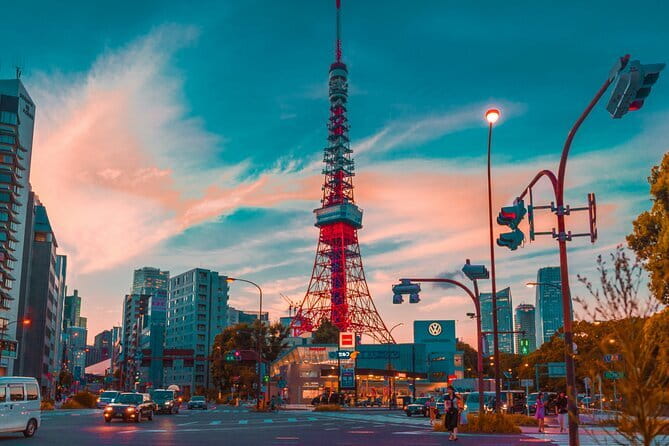
- A private group of up to 5 keeps the day flexible and less chaotic than shared bus tours
- Skytree is the only major paid admission stop, and it’s not included
- A classic route with room to adjust helps you choose what matters most (food, pop culture, temples, or viewpoints)
- Pickup and WiFi on board help you get organized fast and reduce stress between stops
- Guide quality matters, and one driver named Talal is specifically praised for patience and great photos
Private driver pace: why this Tokyo day feels different
Tokyo can be a coordination game. Trains, transfers, crowd flow, and “where are we meeting” all add friction. This style of tour is built to remove that stress: you get private transportation and a driver who handles the getting-there, so you can spend your energy on the actual sights.
The other big win is pacing. This isn’t a rigid bus circuit where you’re stuck with the same photo stops and the same time limits no matter what you like. The day is customizable, and your driver-guide can shape the timing around your interests—whether you want more food stops, shopping time, or extra history.
There’s also a practical angle to doing it this way: you avoid the hassle of crowded local buses. Even if you’re comfortable with public transit, a private car often means fewer interruptions, smoother transitions, and less time standing around with your luggage or bags.
You can also read our reviews of more city tours in Tokyo

Price and value: what $366.48 per group really buys
The price is $366.48 per group (up to 5 people). That matters because the math changes fast depending on how many of you are traveling.
- If you’re 5 people: about $73 per person
- If you’re 4: about $92 per person
- If you’re 3: about $122 per person
- If you’re 2: about $183 per person
For a first-time Tokyo day, that can be good value—especially because the tour includes hotel pickup, private transportation, and WiFi on board. The only clear “extra” you should plan for is Skytree admission (not included), plus your own meals.
Is it worth it if you’re traveling solo? It might be pricey compared with shared tours, but a private car still has a big benefit: time savings and less crowd stress. If your priority is comfort and control, the cost can make sense.
The day plan, stop by stop: what you’ll get and what to watch for
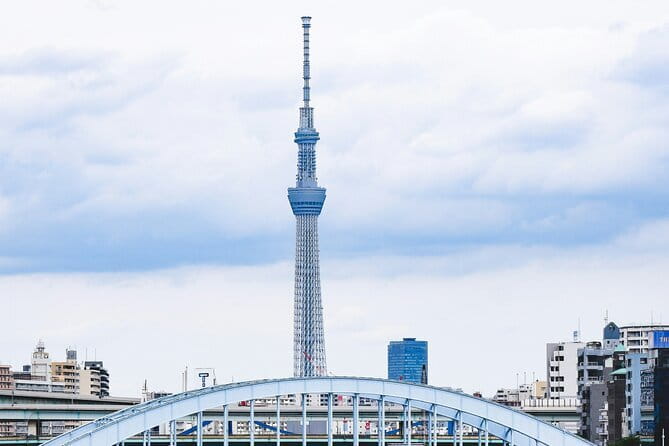
This tour follows a classic mix of Tokyo icons and pop-culture stops. Even with the custom nature of the day, you should expect a route built around major neighborhoods and landmarks.
Stop 1: Tokyo Skytree for high, sweeping views
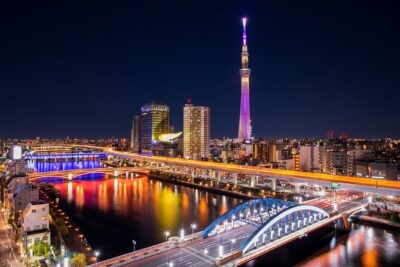
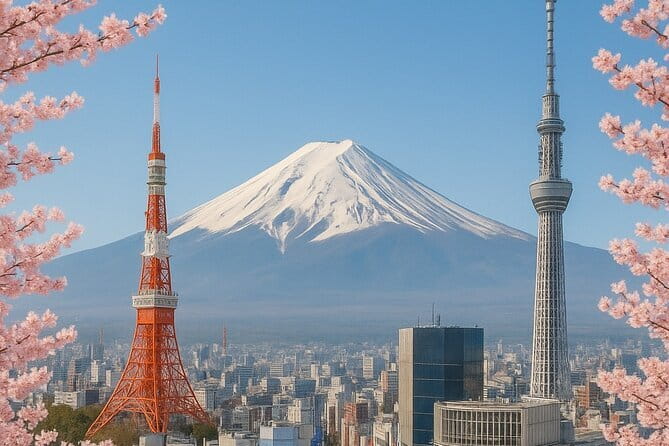
Tokyo Skytree is a skyline anchor. It’s listed at 634 meters high, with two enclosed viewing decks around 350 and 450 meters. This is the moment where you get the big-picture understanding of how Tokyo spreads out.
What you’ll enjoy here:
- The views that help everything else on your itinerary “click” spatially
- A clear photo target without needing to hunt for viewpoints on your own
The drawback:
- Skytree admission is not included. You’ll want to budget for the ticket and keep some extra time for entry.
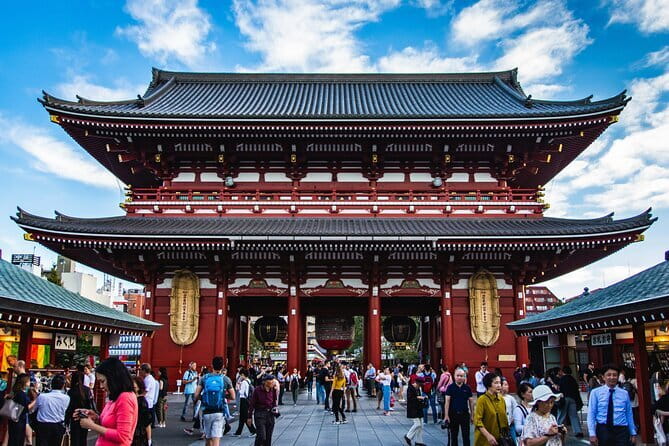
Stop 2: Senso-ji Temple for Tokyo’s oldest crowd magnet
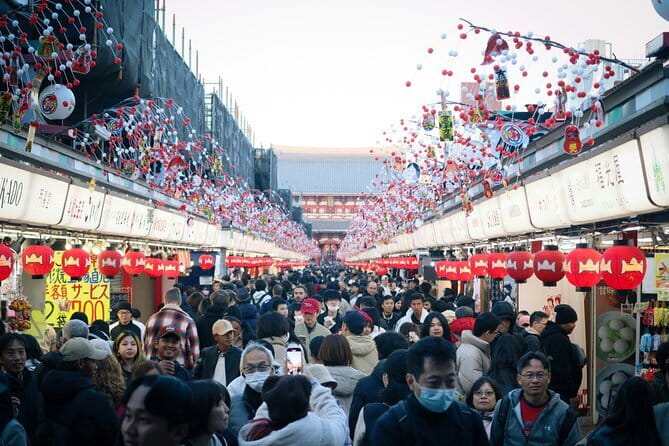
Senso-ji is one of Japan’s most visited temples, and it’s described as an iconic symbol of Tokyo with roots about 1,400 years back. It’s free to enter, and it’s the kind of place where the whole area feels like you’re walking into a story.
What to do smart here:
- Keep your expectations realistic—this is a major sightseeing stop, so it can get busy
- Go slow through the approach so you notice details instead of rushing for photos
A practical consideration:
- Since it’s free and heavily visited, it’s not the kind of place where “more time” automatically means “more calm.” If you want quiet, you’ll need to manage your timing once you arrive.
You can also read our reviews of more private tours in Tokyo

Stop 3: Tsukiji Outer Market for food browsing without a food-tour pressure
Tsukiji Outer Market is described as Japan’s Food Town: a mix of wholesale-and-retail shops and places to eat. This is where you can snack your way through Tokyo’s food culture without needing a formal meal reservation.
Why it works on a private itinerary:
- Your driver-guide can help you pace the walk so you’re not stuck in long lines
- If you’re more of a look-and-sample type, you can keep things flexible and still move on to the next stop
Drawback to plan for:
- It’s easy to spend too long here if you’re hungry and everything looks good. You’ll want to decide in advance if you want quick sampling or a fuller food break, since the day is about coverage.
Stop 4: Takeshita Street for pop culture and sweet breaks
Takeshita-dori is described as roughly 350 meters long and a hub for Japanese pop culture, youth-driven shops, and colorful accessories. It’s also called out as a sweets-lover stop, so it’s a fun place to graze.
What you’ll like:
- Energy and variety in a short stretch
- A totally different Tokyo vibe compared with temples and markets
What to watch:
- It’s exactly the kind of place where crowds build. If you hate shoulder-to-shoulder walking, tell your driver to keep your time here focused.
Stop 5: Imperial Palace for a formal Tokyo contrast
The Imperial Palace area is included with free admission. It’s described as the residence of successive emperors since 1868 and part of the palace complex.
This stop is great if you want contrast. After the shopping-and-street scenes, it brings Tokyo back to a more ceremonial, spacious feel.
One key timing note:
- The Imperial Palace may be closed on certain days. One group specifically noted it was closed on Fridays, so if you’re visiting on a Friday, don’t count on this stop behaving like a guaranteed open-door visit.
Stop 6: Shibuya Crossing for the iconic intersection moment
Shibuya Crossing is described as the busiest intersection in the world and is famous for its crowded, colorful district. This is a quick stop, listed at about 30 minutes, and that’s about right if you want the classic view without burning half your day.
What you should do:
- Treat it like a photo-and-people-watching moment
- Stay aware of pedestrian flow and let the crossing cycles do their work
Possible downside:
- If you’re visiting when it’s extremely busy, 30 minutes can feel short. If Shibuya is a priority, it’s smart to ask for a bit more time on the day.
Stop 7: Meiji Jingu Shrine for a quiet reset in the woods
Meiji Jingu is described as in a wooded area with over 100,000 trees, and it’s dedicated to Emperor Meiji and Empress Shoken. This is the reset stop: after urban chaos, you get space and a different soundscape.
Why it works in this itinerary:
- It balances the day so you’re not only moving through crowds and commercial streets
- You get a more reflective pacing option, even if the day is full
Consideration:
- Since it’s outdoors and in a forested area, you’ll want comfortable walking shoes and be ready for light uneven paths.
Stop 8: Omotesando for cafes and modern Tokyo style
Omotesando is described as a leading cafe area and very famous for how early it opened shops when overseas coffee chains were considering entering Japan. The stop is short, about 30 minutes, which fits the idea: you arrive, you take in the streetscape, and you grab a drink or snack if you want.
This is also a good place to end with something you can control—like a coffee break—since meals aren’t included.
How the customizable part should guide your choices
The tour is marketed as flexible, and that flexibility is the main reason I think you’ll enjoy it more than a fixed bus route. The idea is not just “swap one stop for another.” It’s that your driver-guide can shape your day to your preferences and how long you want to stay in each area.
Before you start, think about two decisions:
- Are you a “one big meal” person or a “snack and graze” person?
- Do you want more culture (temples/shrine/palace) or more modern Tokyo (Skytree/views, Shibuya, Takeshita, Omotesando)?
If food is your focus, Tsukiji Outer Market and Omotesando become anchors. If shopping and street scenes matter, Takeshita and Omotesando take more attention. If you’re here for a strong first-timer orientation, keep Skytree and Shibuya high on the priority list.
One practical note: you start at 8:30 am, and the day runs about 9 to 10 hours. If you want fewer crowds, you’ll usually feel that difference in the early blocks—so if there’s one stop you care about most, it helps to tell your driver to protect time for it early.
Guide quality: what to expect and what to double-check
A private day lives and dies by communication and punctuality. The good news is that there’s at least one guide—Talal—who is praised for being respectful, patient, and especially good at taking great pictures. That kind of hands-on guidance can make the day feel smoother and more photo-friendly.
The caution: there’s also one unhappy account mentioning a late start and a shortened day. The operator’s response points to a start-time confusion and notes that the guide arrived at the originally scheduled time. Either way, it’s a reminder to do two things:
- Confirm your pickup time the night before
- Have a clear understanding of the exact start time so everyone is synced
If your guide is delayed, your whole day shifts fast with a 9 to 10 hour schedule. Quick fixes like skipping one stop or changing the order can help, but it’s still best to start on time.
Practical logistics that make or break your day
Here’s what you can count on from the tour setup:
- Hotel pickup is included
- Private transportation is included
- WiFi on board is included
- You get a mobile ticket
- Meals are not included
That last part is important. You’ll want money for snacks and lunch, especially around Tsukiji Outer Market and the cafe side of Omotesando. If you prefer sit-down meals, you should plan for that on the fly and ask your driver to recommend breaks that fit the timing.
Also keep in mind:
- The tour asks for moderate physical fitness. You’re not doing a hike, but you will be walking between major spots.
- It requires good weather. If weather is poor, the experience may be moved to another date or you can receive a full refund.
Best fit: who should book this Tokyo private day
This works especially well if:
- You’re traveling in a group of 2 to 5 and want the cost-per-person to stay reasonable
- It’s your first Tokyo trip and you want major sights plus modern neighborhoods in one day
- You value comfort and hate the grind of transfers and crowd logistics
- You want a day that can flex if you change your mind mid-route
It might be less appealing if:
- You’re on a tight budget and don’t mind public transit
- You hate crowds and won’t enjoy major icons like Senso-ji and Shibuya, even if you can manage your timing
Should you book? My straight recommendation
If you want a high-effort, high-comfort introduction to Tokyo, this private day is a strong choice. The value improves fast with a full group, and the combination of pickup, WiFi, and private transportation makes the day feel “handled” rather than “hustled.”
My one big conditional: be picky about timing. Confirm pickup and start time carefully, and treat Skytree admission and your meals as things you’ll pay for separately. If you do that, you’re set up for a smooth day with views, temples, food browsing, and modern Tokyo energy—without spending your vacation navigating transit schedules.
FAQ
FAQ
Is this tour private?
Yes. It’s a private tour/activity where only your group participates. The group size is up to 5 people.
What does the tour cost and how is it priced?
The price is $366.48 per group (up to 5). That means the per-person cost depends on how many people you book with.
How long is the tour and when does it start?
The start time is 8:30 am. The duration is about 9 to 10 hours.
What’s included in the price?
Included are hotel pickup, private transportation, and WiFi on board. You’ll also receive a mobile ticket.
Are meals included?
No. Meals are not included, so you’ll need to budget for food during the day.
Is Skytree admission included?
No. Tokyo Skytree admission is listed as not included. Other stops in the route are listed as free admissions.