REVIEW · TOKYO
Mt Fuji & Hakone Private Tour from Tokyo: Return by Bullet Train
Book on Viator →Operated by Xplor Japan · Bookable on Viator
Fuji views and Hakone air in one day. This private trip strings together the best Mount Fuji areas and Hakone with a guide-led plan, private transport, and shinkansen ticket help so you can spend more time looking up and less time figuring out transit.
I love the flexible pacing and the way the stops are chosen for big Fuji moments without feeling rushed. I also like that the guide handles the day’s flow and even helps you get onto the bullet train smoothly. One drawback to plan for: the Hakone Ropeway and the Lake Ashinoko cruise/ship have extra admission costs, and the guide will not ride the bullet train with you.
In This Review
- Key highlights worth your attention
- A 10-hour Fuji-to-Hakone loop from Tokyo
- Price and what you really get for $295
- Chureito Pagoda and Kitaguchi shrine for that early Fuji wow
- Oshino Hakkai and the Fuji Five Lakes: water, views, and options
- Hakone Ropeway and Lake Ashinoko: the views that justify the add-on fees
- Guide support: real direction, history context, and photo help
- Who should book this private Mt Fuji and Hakone day, and who should think twice
- Should you book Mt Fuji & Hakone with return by bullet train?
- FAQ
- How long is the Mt Fuji and Hakone private tour?
- What time does the tour start, and where do you meet?
- What’s included in the price versus what costs extra?
- Do I get help with bullet train tickets, and does the guide ride with me?
- Are there free admissions at the main stops?
- What happens if the weather is bad for Fuji and Hakone?
Key highlights worth your attention
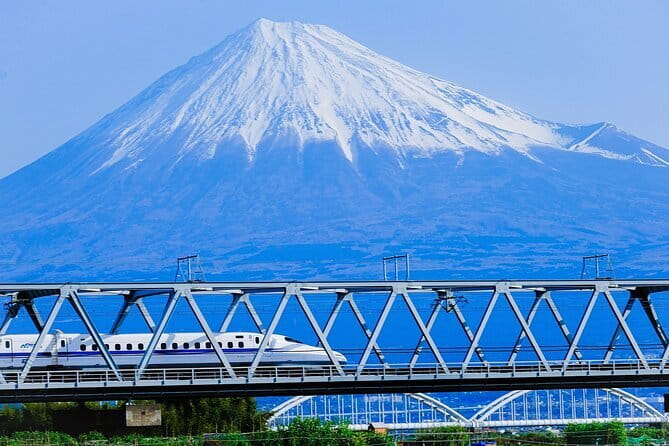
- Private pickup in Tokyo and return to Odawara Station, then a bullet train route back to Tokyo Station on your own
- Chureito Pagoda + Kitaguchi Hongu Fuji Sengen Jinja as a classic Fuji opener (timed for good sightlines)
- Oshino Hakkai’s eight ponds with water filtered through Mount Fuji’s volcanic layers
- Fuji Five Lakes mix: Lake Yamanaka for calm and Lake Kawaguchiko for the most visitor energy
- Hakone Ropeway + Lake Ashinoko time for aerial views and a scenic crossing (with paid add-ons)
- Strong guide support shown in real-world tips, history context, and photo help (for example, guides like Ryu and Malik Ali)
A 10-hour Fuji-to-Hakone loop from Tokyo
This is a full day that starts early. You’ll meet at 8:00 am, with pickup arranged from hotels and apartments in Tokyo by prior agreement. The tour is built around travel time, so your day doesn’t get eaten up by guessing bus routes or changing trains between regions.
The day’s arc runs west from Tokyo into the Mount Fuji area, then down into Hakone. You’ll spend about an hour at each of the main sightseeing stops, with shorter time blocks at the shrine. At the end, you’re dropped at Odawara Station, with your route set to Tokyo Station. The guide won’t accompany you on the bullet train portion, so you’ll want to keep your shinkansen tickets handy and be ready to hop on and go.
Because it’s private, it’s only your group. That matters more than it sounds. You can slow down when you’re chasing a better view or speed up when you’re ready for the next stop. If you’re traveling with kids, older family members, or anyone who gets tired of constant transit changes, that flexibility is a real quality-of-life upgrade.
One more detail to keep in mind: the experience requires good weather. If the weather doesn’t cooperate, you’ll be offered a different date or a full refund.
You can also read our reviews of more private tours in Tokyo

Price and what you really get for $295
At $295 per person, this isn’t a budget “hop on a bus” day. You’re paying for three things you’d otherwise have to manage yourself:
First, you get an air-conditioned private vehicle for moving between stops in the Mount Fuji and Hakone regions. Second, you get a professional tour guide guiding your timing and explaining what you’re seeing. Third, you get help booking your bullet train (shinkansen) return—key on a day when you’re crossing multiple areas.
What’s not included is where people often get surprised. Lunch, drinks, and snacks are not included. Activity admission fees are not covered either—specifically Hakone Ropeway and the Hakone cruise/ship on Lake Ashinoko, listed at ¥3,000 per person each. That said, several of the sightseeing stops are free (like Chureito Pagoda, the shrine, and the Fuji Five Lakes stops). So your extra spending is mostly concentrated in those Hakone transport/view add-ons.
Also note the practical part: the tour doesn’t include transportation from Tokyo Station to your hotel or Airbnb. So if you’re staying somewhere far from Tokyo Station, you’ll want to factor that into your plan.
Finally, a private day like this is often worth it when you want control. The tour is designed so you can visit only the sites that interest you in the Mount Fuji area and Hakone. If you know you want Fuji photos, ponds, and Hakone’s scenic water/ropeway views, it can feel like paying to skip the stress of planning the sequence yourself.
Chureito Pagoda and Kitaguchi shrine for that early Fuji wow
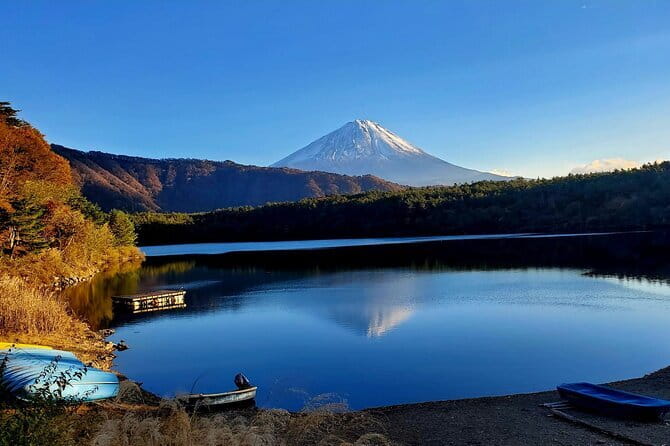
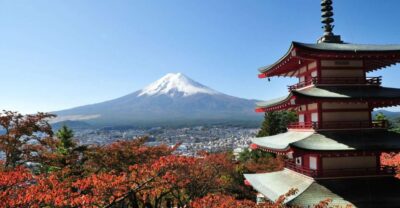
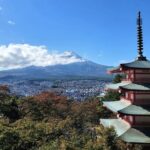
The day kicks off in the Fuji Five Lakes area with one of Japan’s most recognizable Fuji viewpoints: Chureito Pagoda. You’ll have about an hour here, and it’s easy to see why it’s famous. The pagoda sits in a composition built for Mount Fuji in the background, so you’re not just walking around—you’re stopping, framing, and taking your time. During cherry blossom season, the pagoda’s look changes dramatically, which is why people love it as a seasonal star. Even outside peak bloom, it still delivers that “postcard moment” because the sightlines are so clear.
Next comes Kitaguchi Hongu Fuji Sengen Jinja Shrine, with about 30 minutes on the grounds. If you’re into the spiritual side of travel, this stop works well. The shrine’s red torii gates lead you into the sacred precincts, and the atmosphere tends to feel calmer than the busy viewpoints nearby. It’s a good contrast after the heavy photo focus at Chureito Pagoda.
The guide’s role shines here. In real-world feedback, guides like Ryu and Malik Ali are praised for sharing cultural and historical context as you move through sites. That can turn a simple visit into something you remember beyond the photo. And because it’s private, you’re not stuck following the fastest people in a crowd.
Time note: You’re here early in the day, which usually helps with visibility. Fuji isn’t always predictable, so arriving at 8:00 am and getting these core sights earlier is a smart structure.
Oshino Hakkai and the Fuji Five Lakes: water, views, and options
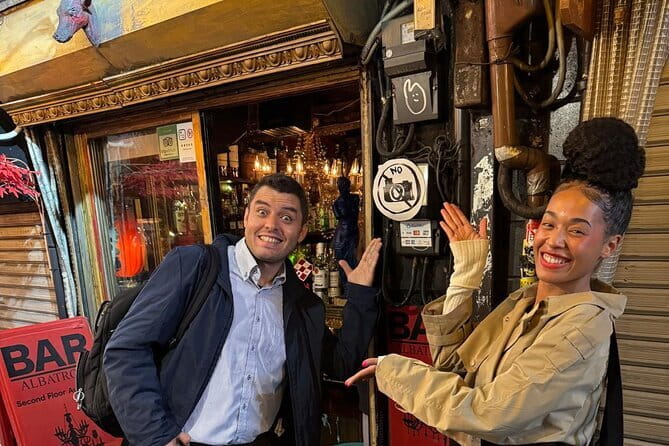
After the shrine, the tour moves to Oshino Hakkai. This is where the Mount Fuji story turns from “look at the mountain” into “understand how the mountain affects life.” You’ll spend about an hour at Oshino Hakkai, a set of eight ponds fed by groundwater filtered through the volcanic lava fields of Mount Fuji. The key takeaway you’ll notice is the water clarity. Even if you don’t go deep on geology, the ponds feel clean, still, and distinct from typical pond scenery.
This stop is also a great pacing reset. It’s calmer than the most famous viewpoints, and the walking is easy enough for most people. If your group likes photos but also likes breathing room, Oshino Hakkai is a strong choice.
Then you head to Lake Yamanaka for about an hour. It’s described as the largest of the Fuji Five Lakes, and that size shows in the vibe—more quiet, more of a slow stroll kind of feel. If you want your Fuji day to have more than one emotional “temperature,” Lake Yamanaka helps you avoid the feeling that you’re constantly in the busiest spot.
After that comes Lake Kawaguchiko, one of the most popular Fuji Five Lakes. Expect more activity and more visitor energy here, plus a classic “Mount Fuji from the water” view that’s hard to beat on a clear day. There are villages and scenery around the lake, so it’s a good stop if you want a mix of sightseeing and easy wandering.
The big practical benefit of this Fuji Five Lakes sequence is choice. You’re not forced into one “default” lake. You get a quieter one and a more famous one. If weather is changing, you can also respond in the moment with the guide’s help—prioritizing the stop where visibility looks best.
Hakone Ropeway and Lake Ashinoko: the views that justify the add-on fees
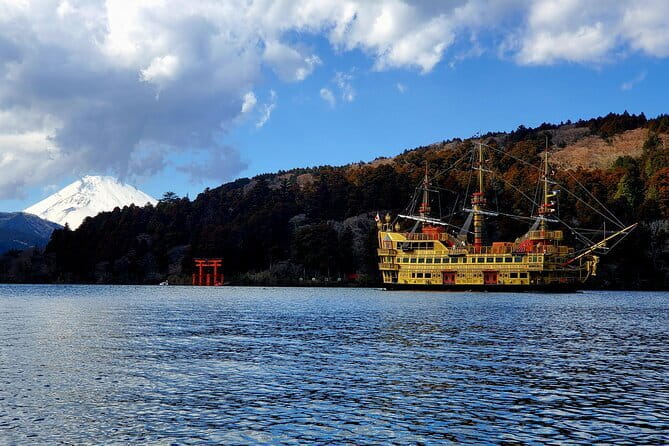
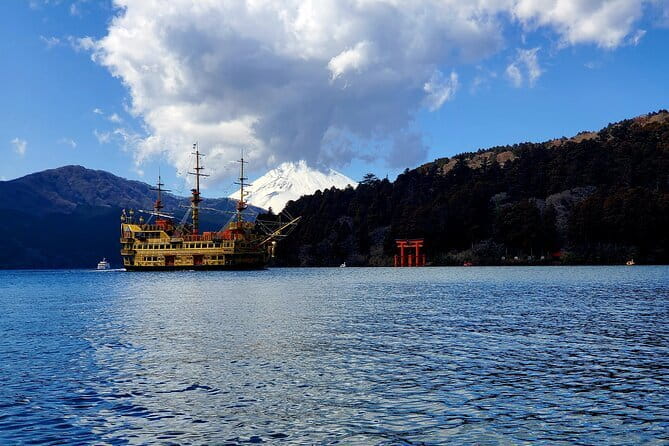
Once you move into Hakone, the visuals shift from lakeside Fuji views to volcanic scenery and elevated panoramas. Stop #6 is Hakone Ropeway, about an hour, and this is one of the stops with an extra admission fee (¥3,000 per person). The ropeway ride is the big elevation play. From up high, you get panoramic views that include Mount Fuji, Lake Ashi, and the volcanic terrain around Hakone.
If you’re the type who loves “above it all” photos, this is your moment. The ropeway also helps with weather variability. If visibility is good, the higher vantage point can still deliver impressive views even when ground-level conditions feel foggier.
Next is Lake Ashinoko, with about an hour here. Lake Ashinoko is a caldera lake shaped by volcanic activity. That detail matters because the waters and the surrounding slopes feel like they belong to a different chapter of Japan’s geography than the Fuji lakes do.
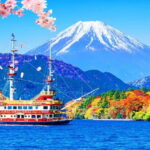
And here’s the other paid add-on to plan for: the scenic boat ride across Lake Ashinoko (cruise/ship). The tour highlights this crossing, and the Hakone cruise ship fee is listed at ¥3,000 per person. So budget for it if you want that “Hakone in motion” experience rather than just lake overlooks.
Practical tip: if you’re prone to motion sickness, consider what kind of ride you handle best. And bring a layer. Even on warm days, the air near water and during ropeway/craft rides can feel cooler than you expect.






Guide support: real direction, history context, and photo help
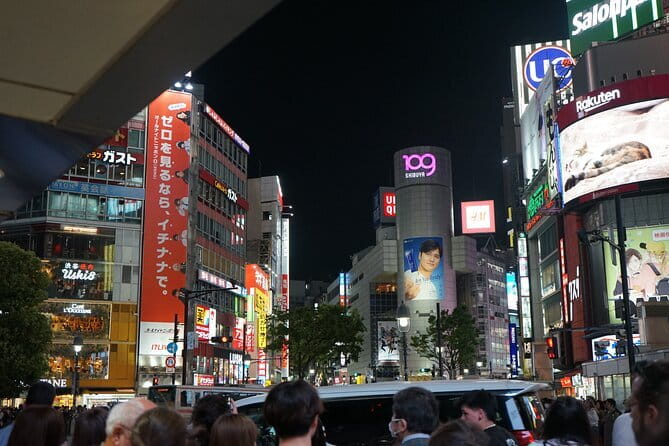
This is a tour where the guide can make or break the day. In the feedback, names like Ryu and Malik Ali come up repeatedly. What stands out is the style of help: running commentary, history context, and very practical attention to your day.
At multiple stops, guides are described as explaining Japanese history and cultural meaning, not just reading facts. That’s what turns Chureito Pagoda and shrine gates from “pretty spots” into places with a sense of purpose. You don’t need a lecture to enjoy it, but a good explanation helps you look longer instead of rushing through.
Photo support is another point people keep praising. In at least one detailed review, the guide is noted for taking many photos for the group. That matters because Fuji is best when you slow down. With photo help, you’re not constantly switching between posing and delegating camera control.
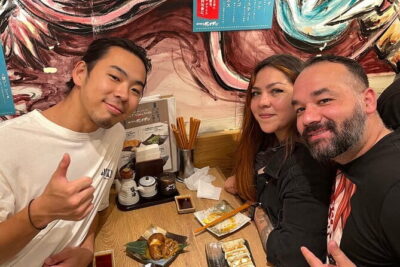
There’s also a human side: one review mentions the guide’s kindness and attention to welfare, plus food suggestions that extended the day beyond sightseeing—like an ice cream stop after one of the longer stretches.
One caution from feedback: in a setup using multiple vehicles, English-speaking guide support in the other cars wasn’t always consistent. Your own guide experience should still be solid because this is private for your group, but it’s smart to have realistic expectations if your day ever involves splitting vehicles.
Who should book this private Mt Fuji and Hakone day, and who should think twice
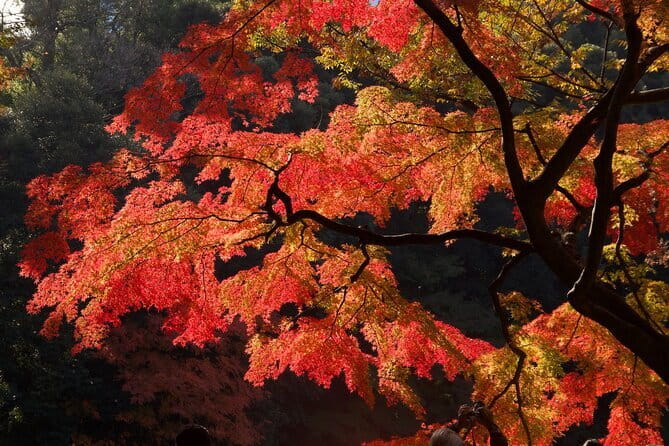
This tour is a strong fit if you want a structured day but still want freedom within it. It works well for families, groups that want a comfortable ride, and anyone who prefers maximizing visibility time rather than navigating by train between stops. If you love icons—Chureito Pagoda, Oshino Hakkai, and the Hakone ropeway view—this is basically built around those hits.
It’s also good if you appreciate context. The guide support described in feedback leans toward cultural and historical explanations, plus real help like getting onto the bullet train.
Think twice if you dislike paying extra for scenic transport. The big-ticket extras here are the Hakone Ropeway and the Lake Ashinoko cruise/ship, each listed at ¥3,000 per person. If you’d rather spend your money elsewhere, you can still enjoy plenty with the free stops, but you’ll want to decide in advance how much you value those two experiences.
Skip or reschedule if you’re going to be furious about weather uncertainty. Fuji visibility is not guaranteed, and the tour is explicitly tied to good weather.
Finally, consider your comfort with the end-of-day logistics. You’ll be dropped at Odawara Station, then you handle the shinkansen portion yourself (the guide won’t ride with you). If you like being fully escorted the whole way, factor that into your planning.
Should you book Mt Fuji & Hakone with return by bullet train?
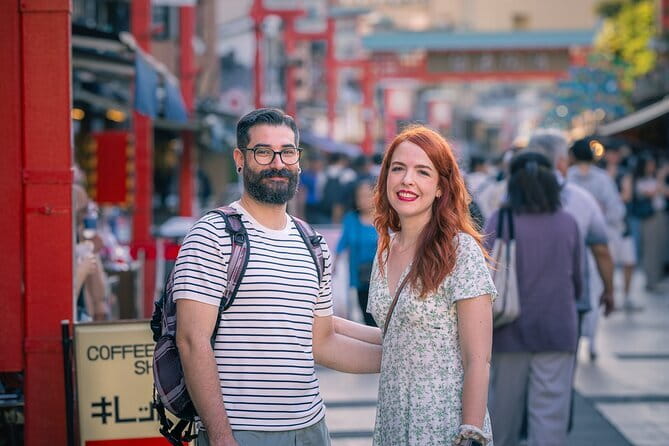
If your goal is a smooth, high-value day that blends classic Mount Fuji views with Hakone’s signature elevated and water experiences, I think this is a solid booking. The private vehicle, the guide-led stop sequencing, and the shinkansen ticket help reduce a lot of friction that can make independent trips stressful—especially on a tight day.
Book it if you want:
- Private comfort and the ability to slow down or skip what doesn’t interest you
- A guide who helps you understand what you’re seeing at key sites
- The Hakone ropeway and Lake Ashinoko crossing as part of your day
Don’t book it if:
- You want everything fully included with no paid add-ons at Hakone
- You prefer a guide on the bullet train the whole way back to Tokyo
- You’re traveling when weather is likely to be poor and you can’t be flexible
If you’re okay with paying for the ropeway/cruise add-ons and handling the bullet train segment on your own at the end, this is the kind of day trip that gives you more views per hour and fewer headaches per yen.
FAQ
How long is the Mt Fuji and Hakone private tour?
The tour runs for about 10 hours (approx.), including travel time between stops.
What time does the tour start, and where do you meet?
It starts at 8:00 am. You’ll be collected from hotels and apartments in Tokyo by prior agreement.
What’s included in the price versus what costs extra?
Included: an air-conditioned private vehicle and a professional tour guide, plus help booking shinkansen tickets. Not included: lunch, drinks, snacks, and activity fees such as the Hakone Ropeway (¥3,000 per person) and the Hakone cruise ship (¥3,000 per person).
Do I get help with bullet train tickets, and does the guide ride with me?
You get help booking shinkansen (bullet train) tickets. At the end, you’re dropped at Odawara Station, and the guide will not accompany you on the bullet train.
Are there free admissions at the main stops?
Many stops listed are free, including Chureito Pagoda, Kitaguchi Hongu Fuji Sengen Jinja Shrine, Oshino Hakkai, Lake Yamanaka, and Lake Kawaguchiko, plus Lake Ashinoko. Hakone Ropeway and the cruise ship have separate fees.
What happens if the weather is bad for Fuji and Hakone?
This experience requires good weather. If it’s canceled due to poor weather, you’ll be offered a different date or a full refund.