REVIEW · TOKYO
From Tokyo: Nikko Toshogu Shrine and Kegon Waterfall Tour
Book on Viator →Operated by GORYO CO. LTD. · Bookable on Viator
A mountain day trip from Tokyo, fully loaded. You’ll pair Nikko Toshogu Shrine with Lake Chuzenji and Kegon Falls, then let a driver handle the mountain roads while your guide adds context you won’t get from a quick guidebook scan.
What I like most is how the day feels built for first-timers: one loop, a tight set of famous stops, and you still get time to look around.
My second favorite part is the on-board Wi‑Fi in an air-conditioned vehicle, which makes the long ride from Tokyo much more bearable. One thing to keep in mind: time at each stop can feel rushed if traffic runs long or if you try to cover every single detail on your own.
In This Review
- Quick hits: what you’ll notice right away
- Why this Nikko day trip works when you want to skip the train
- Price and what you actually get for $77.75
- From Tokyo to Irohazaka: the ride and where Wi‑Fi helps
- Stop 1: Nikko Toshogu Shrine and its must-see carvings
- Stop 2: Lake Chuzenji and how to read the timing
- Stop 3: Kegon Falls and what makes the views worth it
- Stop 4: Shinkyō Bridge and your best 20 minutes
- Timing, pacing, and how to avoid a rushed-feeling day
- Lunch, cash, and shopping tips in Nikko
- Comfort on the bus: what you can expect
- Who should book this tour—and who might want the train instead
- Should you book this Nikko Toshogu and Kegon Falls day trip?
- FAQ
- How long is the Nikko day trip?
- What does the price include?
- Is lunch included?
- Is Shinkyō Bridge entrance included?
- What are the main stops on the tour?
- Is there Wi‑Fi on the vehicle?
- How big is the group?
- Do I need a printed ticket?
- What kind of fitness level is needed?
- What if weather is bad?
- Is free cancellation available?
Quick hits: what you’ll notice right away
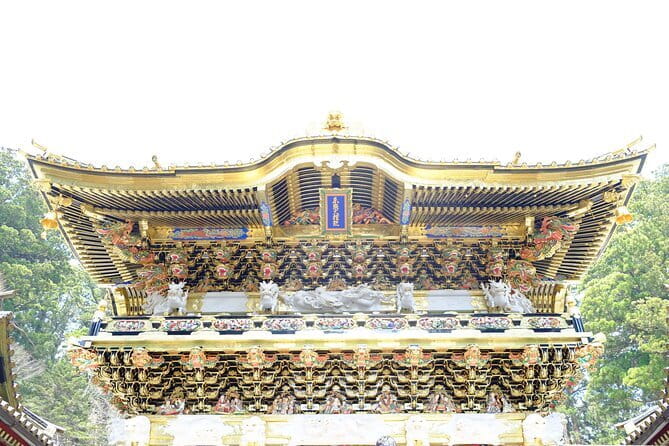
- Included Toshogu entrance means you can focus on the art and stories instead of tickets and lines.
- Small group size (max 30) keeps the day feeling controlled and not chaotic.
- Guides with strong English and humor show up again and again in the feedback (names like Sheila, Tina, Zoe, and Jeff come up a lot).
- Irohazaka road views are part of the experience, not just a drive-by (elevation change is dramatic).
- Kegon Falls is the headline—and the viewpoint options matter if you want the best angle.
- Some purchases are cash-friendly once you’re in the Nikko area, so plan a little for that.
Why this Nikko day trip works when you want to skip the train
Nikko is famous for a reason, but getting from Tokyo by yourself takes real planning: trains, transfers, and timing. This tour cuts that stress. You ride out in a vehicle with a guide keeping the group moving, and you hit the key sites in a single day.
That matters because Nikko’s highlights are spread out: Toshogu is in the Nikko area, while Lake Chuzenji and Kegon Falls sit up in the mountains. Without your own wheels, it’s easy to burn hours just getting between attractions. Here, the travel time is baked into the schedule, so your day isn’t mostly “now we’re on the way.”
If you care about comfort and sanity on a first visit, this is the type of trip that fits. Even better: the tour uses a mobile ticket, so you’re not juggling printed paperwork while you’re trying to keep up with a schedule.
You can also read our reviews of more tours and experiences in Tokyo.



Price and what you actually get for $77.75
At $77.75 per person, this day trip is priced like a “value day,” not a luxury private tour. Here’s what you’re really buying:
- Nikko Toshogu entrance fee is included
- GST is included
- Air-conditioned vehicle is included
- Wi‑Fi on board is included
- A Nikko souvenir is included
What’s not included is where you’ll want to plan a bit:
- Lunch (not provided)
- Shinkyō Bridge entrance (not included)
So yes, you’re paying for transportation and a guided day. But you’re also paying for the biggest headache reducer: someone else handles routing and timing. That’s usually worth it on a one-day visit, especially when you’d otherwise lose time coordinating trains and local connections.
From Tokyo to Irohazaka: the ride and where Wi‑Fi helps
You start the day in Tokyo and work your way north into Nikko’s mountain setting. One of the most interesting parts is the drive route itself. The scenic highway between Nikkō and Oku-Nikkō is split into two one-way roads—Iroha-zaka No. 1 and No. 2—and it crosses about 440 meters of elevation change.
That steep climb is part of the drama. In the feedback, people mention that the mountain roads are a real part of the experience, and drivers like Endo-san and Olska are specifically praised for handling those curves well. In plain terms: you want a steady driver on roads like this, and the tour seems to deliver that.
Wi‑Fi is another small but real win. You’ll likely be using it for messaging, map checks, or just passing time. One caution: a couple of reports note that the signal can be less stable at times. Still, the basic benefit is there—especially if your trip day includes waiting, transfers, or a long ride.
Stop 1: Nikko Toshogu Shrine and its must-see carvings
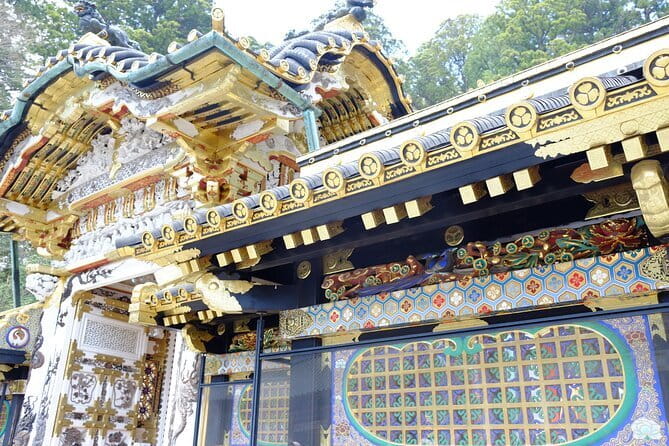
This is the centerpiece. Nikko Toshogu Shrine is a UNESCO World Heritage Site, and it’s packed with carvings and symbolism that can feel overwhelming on your own. With a guide, you get help sorting what you’re seeing and why it matters.
The tour schedule sets aside 1 hour 30 minutes, and the entrance ticket is included. That time gives you a chance to do more than just a quick walk-through—especially if your guide points out the big recognizable features, like:
- the Three Wise Monkeys
- the Sleeping Cat
- the Imagined Elephants
A recurring theme in the feedback: the guides do a good job with English clarity and pacing. People specifically mention guides like Sheila and Tina for helpful explanations, plus the fact that they often keep the group organized without turning it into a sprint. That’s important because Toshogu is one of those places where your eyes can wander to every corner.
One practical note: a few comments say the shrine time can feel tight if you stop for every small detail. If Toshogu is your main reason for coming, keep your focus. Spend enough time to take in the carvings that draw you in, then move on rather than trying to see everything at a museum pace.
Stop 2: Lake Chuzenji and how to read the timing
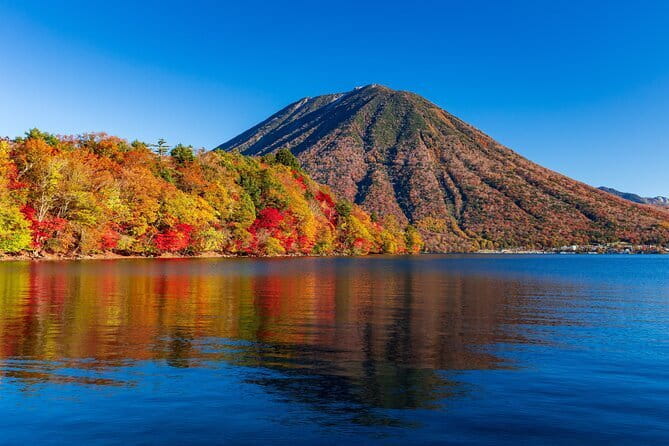
After Toshogu, you head to Lake Chuzenji, set high in the mountains above Nikko town. The lake sits at the foot of Mount Nantai, which is a sacred volcano in Nikko’s spiritual landscape, and the area’s geology shows up in local storytelling.
Your stop here is about 50 minutes, and entrance is free. Fifty minutes is enough for:
- a short walk for photos
- a calm moment to look across the water
- a quick pause to regroup before the next stop
This is also a “weather matters” stop. When conditions are clear, the lake can feel crisp and dramatic. If it’s cloudy or misty, you’ll still get a peaceful break from shrine density, but don’t expect perfect photo conditions every time.
One more scheduling reality: Lake Chuzenji isn’t usually the only reason people buy this trip. For some, it can feel like a scenic bonus rather than the emotional peak. If you love landscapes and lakeside strolling, you’ll enjoy it. If you’re the type who wants maximum time for the big-ticket cultural site, you may wish the lake had fewer minutes.






Stop 3: Kegon Falls and what makes the views worth it
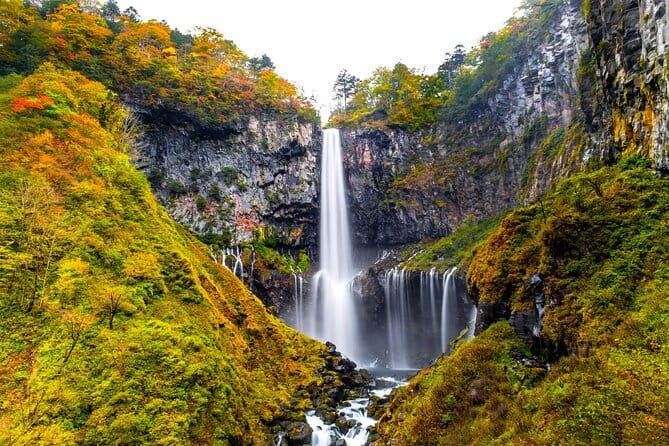
Kegon Falls is the reason many people come to Nikko’s highlands. The falls are nearly 100 meters tall, and they’re considered one of Japan’s most beautiful waterfalls. The tour allots about 1 hour 10 minutes, and Kegon Falls entrance is free.
Here’s what I’d tell you to watch for: viewing angle. There’s guidance in the feedback about using the elevator area to get a closer, more dramatic look. People mention it because it changes the feeling of the fall—from a distant drop to something that feels powerful and present.
Also, the falls area tends to move in waves. You’ll likely do photos and viewpoints with other visitors, but the key is to plan your minutes. Don’t waste your first five minutes only looking at the farthest platform. Go to the best viewing spot first, then enjoy the rest at an easy pace.
If you need a concrete payoff after Toshogu’s detail-heavy carvings, this is where the day shifts into nature mode—and most people find it worth it.
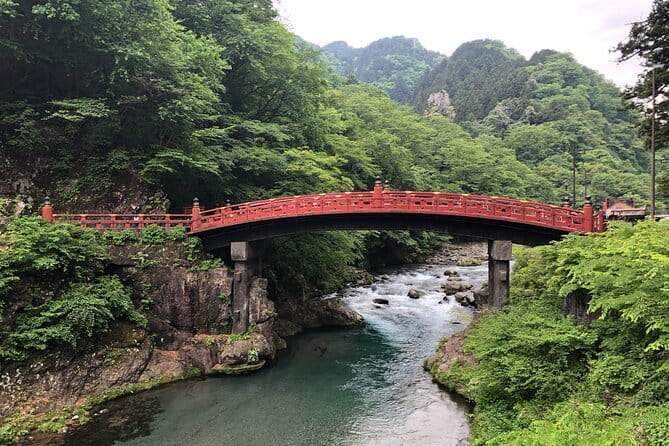
Stop 4: Shinkyō Bridge and your best 20 minutes
Next comes Shinkyō Bridge, often called one of Japan’s finest bridges. It’s listed as the type of bridge you shouldn’t skip if you’re seeing Nikko properly.
Timing is short here: about 20 minutes, and the bridge entrance is not included. That means you may need to pay separately on the day.
Twenty minutes is enough for photos and a quick look, but it’s not enough for a long wander. If you want extra time at the bridge, you’d be better off doing it as part of a longer stay rather than a packed day trip.
But if your goal is “see the big Nikko highlights,” Shinkyō fits the role: a quick, satisfying cultural stop that adds variety without eating your schedule.
Timing, pacing, and how to avoid a rushed-feeling day

This tour runs about 11 hours. That’s a full day by Tokyo standards, and it includes driving time between sites in the mountains.
The best days feel well-paced. In the feedback, people describe smooth organization, punctual guides, and drivers who keep things moving. Names like Jackson, AmyWei/Annie Wei, and Vicky are mentioned in the context of good directions and a friendly, organized flow.
Still, you should go in with realistic expectations:
- Toshogu takes attention, but time is limited.
- Lake and Kegon are both worth seeing, but they’re easier to “skim” than Toshogu.
- Mountain traffic can change timing.
If you’re sensitive to rush, plan your strategy. Prioritize one main emotional goal: either Toshogu as the deep cultural anchor, or Kegon as the nature payoff. Then treat the other stops as supportive acts rather than equal-length missions.
And be punctual. One poor experience described a missed pickup after waiting too long and struggling to find the meeting location. That’s not something you want to test. If your guide provides directions, follow them early. One helpful detail in the feedback: people found the pickup area near Starbucks, and guides sent accurate directions. Still, don’t rely on memory. Confirm the meeting point before you go.
Lunch, cash, and shopping tips in Nikko
Lunch is not included, so you’ll either eat on your own or use the time window your guide provides for meal options. Some feedback notes that lunch was tasty, but that you should be ready with cash.
That cash point shows up again with souvenir shopping. A couple of reports say souvenir shops or purchases were cash-based, so bring some yen just in case. Even if a place has card options, cash keeps you flexible when queues or smaller shops are involved.
Also, the tour includes a Nikko souvenir. That may cover your “I bought something” moment, but it won’t replace personal souvenir browsing if you want to shop.
Comfort on the bus: what you can expect
The ride is in an air-conditioned vehicle, and the tour is capped at 30 travelers, which usually means a manageable group size.
Most feedback praises the comfort and smooth driving. People mention new buses, comfortable seats, and a calm ride. There are also a few complaints about bus comfort—mostly about legroom and seating feel on smaller buses.
The takeaway is simple: expect a bus ride with basic comfort features, but don’t assume every vehicle will feel identical. If you’re tall or sensitive to cramped seating, I’d plan for it.
Who should book this tour—and who might want the train instead
This tour is a great fit for you if:
- you want major Nikko highlights in one day
- you prefer guided context over reading everything on your own
- you don’t want to manage train transfers and timetables
- you like a structured day with clear stops
It may be less ideal if:
- you want long, slow time at Toshogu (this day is packed)
- you’re very picky about bus seating comfort
- you prefer independent pacing even if it means more planning
A common suggestion in the feedback is that some people would rather take the Tobu train for more control. That’s a fair alternative if you’re comfortable building your own day. But if your priority is reducing logistics and maximizing key stops, this tour does exactly that.
Also, note the tour lists moderate physical fitness as recommended. Most stops involve walking and movement, and you’ll likely navigate paths and viewpoints, including Kegon viewing areas.
Should you book this Nikko Toshogu and Kegon Falls day trip?
If your plan is Tokyo-only or you have just one day to hit Nikko, I’d say yes—this is a practical, high-hit tour. The value comes from the included Toshogu entrance, the guided explanations, and the fact that you don’t spend your day figuring out how to get from one mountain site to the next.
The biggest reason to book is also the biggest watch-out: it’s packed. If you know you’ll want more time at Toshogu than the schedule allows, you might feel rushed. But if you want a solid first look at the UNESCO shrine, the mountain lake, and Kegon Falls all in one day, this tour is built for that.
Go in on purpose: pick what you care about most, and let the rest of the day support your priorities.
FAQ
How long is the Nikko day trip?
It runs about 11 hours.
What does the price include?
Nikko Toshogu entrance fee, a Nikko souvenir, GST, an air-conditioned vehicle, and Wi‑Fi on board are included.
Is lunch included?
No. Lunch is not included.
Is Shinkyō Bridge entrance included?
No. Shinkyō Bridge entrance fee is not included.
What are the main stops on the tour?
Nikko Toshogu Shrine, Lake Chuzenji, Kegon Falls, and Shinkyō Bridge.
Is there Wi‑Fi on the vehicle?
Yes, Wi‑Fi is provided on board.
How big is the group?
The tour has a maximum of 30 travelers.
Do I need a printed ticket?
No. The tour uses a mobile ticket.
What kind of fitness level is needed?
Moderate physical fitness is recommended.
What if weather is bad?
The experience requires good weather. If it’s canceled due to poor weather, you’ll be offered a different date or a full refund.
Is free cancellation available?
Yes, you can cancel up to 24 hours in advance for a full refund.