REVIEW · TOKYO
Modern Japanese History Tour in Tokyo
Book on Viator →Operated by Japan Awaits · Bookable on Viator
Tokyo has a quieter war story. This Modern Japanese History tour focuses on how Japan remembers WWII, using landmark sites like Yasukuni Shrine, the Yushukan Museum, and the Showa period’s civilian-focused Showa-kan. You’ll also hear straight, guided explanations of how military life worked, including the role of kamikaze attacks and what families were told.
I especially like how the tour pairs big memorial spaces with museum context. Meeting at Kudanshita Station puts you in the middle of Tokyo’s history circuit fast, and the timing keeps the morning moving without rushing the key moments. I also like the way the English-speaking guide turns museum content into something you can actually follow, whether your guide is Shun, Hiro, Izumi, or Yasuhiro Suzuki—each of them was praised for being approachable and patient with questions.
One consideration: this is a sensitive topic. You’re dealing with war dead, civilian suffering, and the mindset behind kamikaze, so you’ll want to come with an open mind and respectful attitude.
In This Review
- Key highlights worth your time
- Why Yasukuni, Yushukan, and Showa-kan fit together
- Kudanshita meeting and the 3-hour pace
- Stop 1: Yasukuni Shrine—memorial space and the meaning of war dead
- Stop 2: Yushukan Museum—military history and kamikaze explained
- Stop 3: Showa-kan (National Showa Memorial Museum) and civilian life
- Your guide is the real value: Shun, Hiro, Izumi, Yasuhiro Suzuki
- Price and value: what you’re really paying for
- Sensitive topic rules: how to make it respectful and useful
- Tips to get more from the morning
- Who should book this tour in Tokyo
- Should you book the Modern Japanese History Tour?
- FAQ
- How long is the Modern Japanese History Tour in Tokyo?
- Where does the tour start and end?
- What time does the tour start?
- What stops are included?
- Are museum entrance fees included?
- What’s included with the guide?
- Is food or drinks included?
- Is hotel pickup or drop-off included?
- Is the tour refundable if I cancel?
- Is this tour suitable for everyone given the topic?
Key highlights worth your time
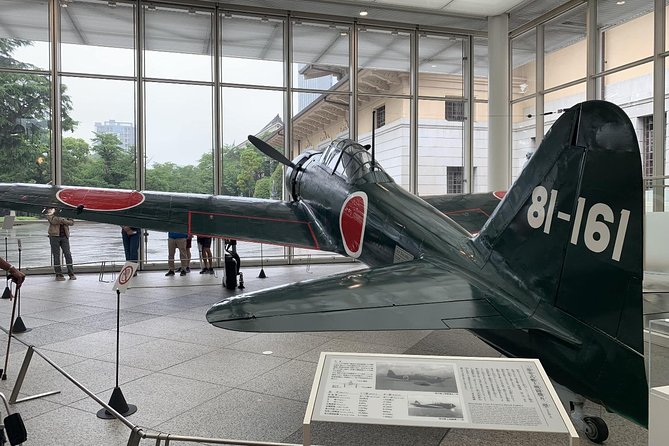
- Yasukuni Shrine + Yūshūkan Museum in one focused morning, with admission included at both stops
- Expert English-speaking guidance that helps when exhibits are harder to read on your own
- Kamikaze (tokotai) explained in the context of military practice and family expectations
- Showa-kan (National Showa Memorial Museum) shifts the lens toward civilian life before and after the war
- A compact route around a small area, so the tour stays coherent instead of hopping across Tokyo
- Photo opportunities built into the pacing, not shoehorned at the end
Why Yasukuni, Yushukan, and Showa-kan fit together
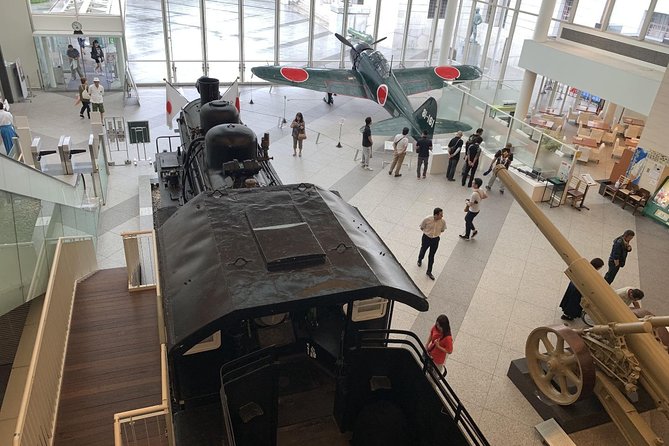
This tour works because it doesn’t treat WWII like one single story. It moves between remembrance (Yasukuni Shrine), the official military museum lens (Yūshūkan), and then civilian life and aftermath (Showa-kan). That order helps your brain sort what you’re seeing: first the memorial setting, then the war machine, then the human cost at home.
The Yūshūkan and Showa-kan pairing is especially useful for anyone who wants more than headlines. One side deals with military history and artifacts; the other deals with civilians—daily life, suffering, and what came after the fighting ended. Even if you already know basic timelines, this tour gives you the feeling of how people experienced the war in different roles.
There’s also a respectful tone to the framing: the tour is designed to explain how Japanese people commemorate those who perished, including the wider span of victims since 1869 and not only WWII. You’ll be asked to keep an open mind, because the subject can land differently depending on where you come from.
You can also read our reviews of more historical tours in Tokyo

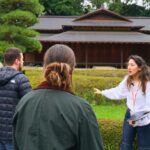

Kudanshita meeting and the 3-hour pace
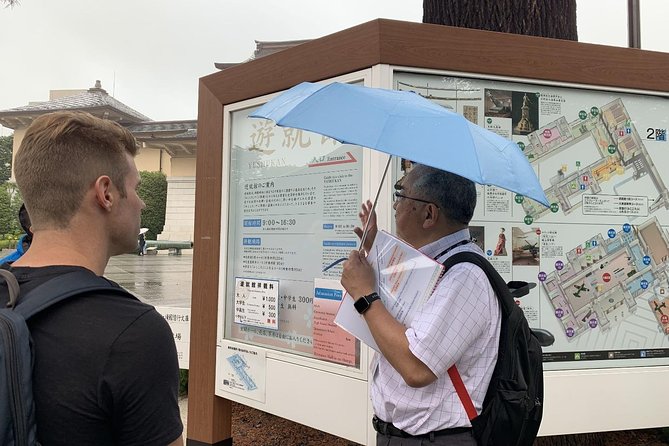
You’ll start at Kudanshita Station at 9:00 am, and the activity ends back at that same meeting point. The tour runs about 3 hours, which is long enough to see both museums properly, but short enough that it doesn’t hijack your entire day.
A tight route matters here. The three stops are close and the pacing is built around museum time: about 30 minutes at Yasukuni Shrine, then 1 hour 30 minutes in Yūshūkan, and 1 hour at Showa-kan. That breakdown is smart because the museums are the heavy lifting.
It’s also a private experience for your group. That can be a big deal for a specialized topic like this, where your questions and the pace of your understanding matter. If you like asking follow-ups, a small-group format makes that easier.
Stop 1: Yasukuni Shrine—memorial space and the meaning of war dead
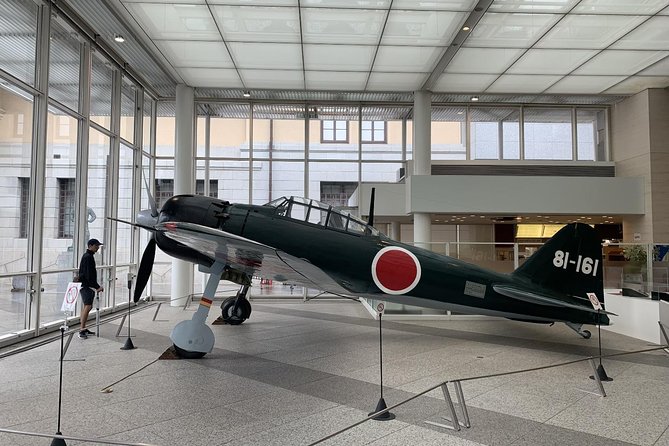
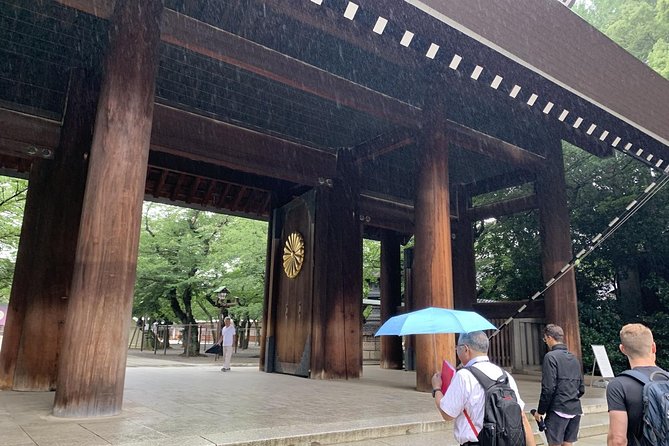
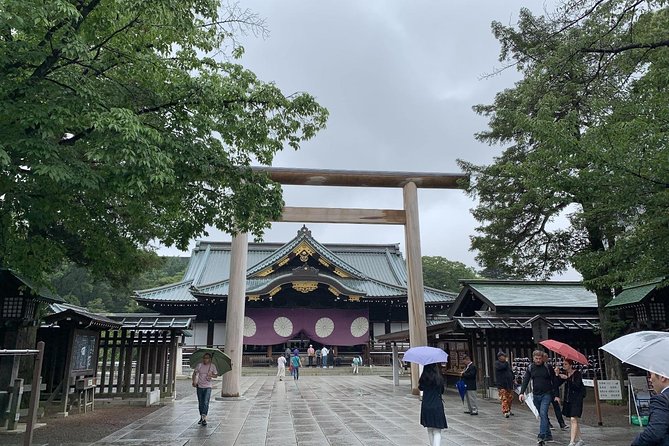
Yasukuni Shrine is your first stop, and the tour gives you about 30 minutes on the grounds. Expect traditional shrine architecture paired with a calmer atmosphere than you might anticipate for a site tied to war remembrance.
This part isn’t just a photo stop. The value is the framing: you’re not yet in the museum explanations, so the shrine grounds help you understand the emotional and cultural weight of the topic. The tour centers on the way Japan commemorates war dead, including the scale of those honored.
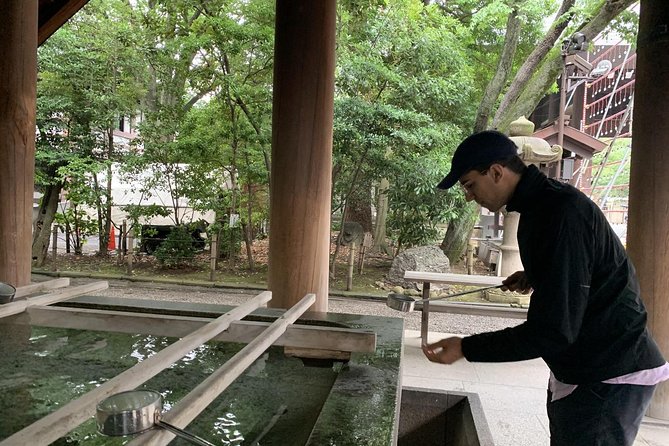
Also, be prepared for the reality that this site is emotionally charged. Keep your tone respectful, and let your guide steer the conversation. If you’re sensitive to politically loaded history, this is exactly the kind of tour where an expert guide’s careful handling matters.
Stop 2: Yushukan Museum—military history and kamikaze explained
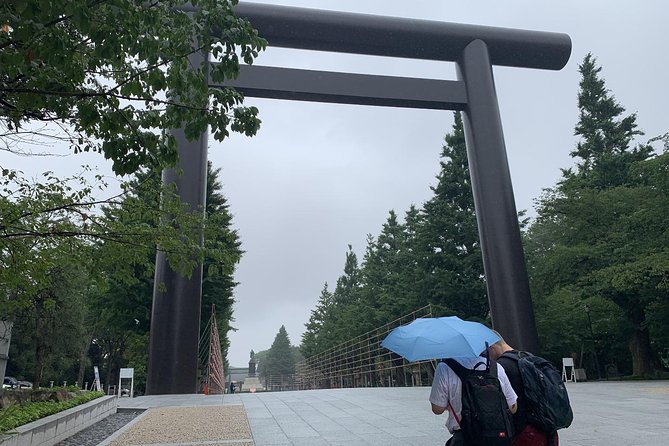
Next comes the Yūshūkan Museum on the Yasukuni grounds, with about 1 hour 30 minutes allocated. This is where the tour shifts from remembrance to military history: exhibits, documents, artifacts, and the mechanics of wartime practice.
The tour specifically focuses on kamikaze, also known as tokotai, and how it became prevalent. Instead of treating it like a sensational headline, the guide’s job is to explain it in the context of military strategy and the way soldiers were instructed. You’ll also learn about what soldiers told their family members before facing their fate, which is one of the hardest parts to hear and one of the most important for understanding the human dimension.
One practical note: some exhibits may be in Japanese, so an English guide becomes more than a comfort. In fact, that is exactly why this tour is worth it; the guide helps you interpret what you’re looking at instead of just letting you stand in front of display labels you can’t fully read.
Stop 3: Showa-kan (National Showa Memorial Museum) and civilian life
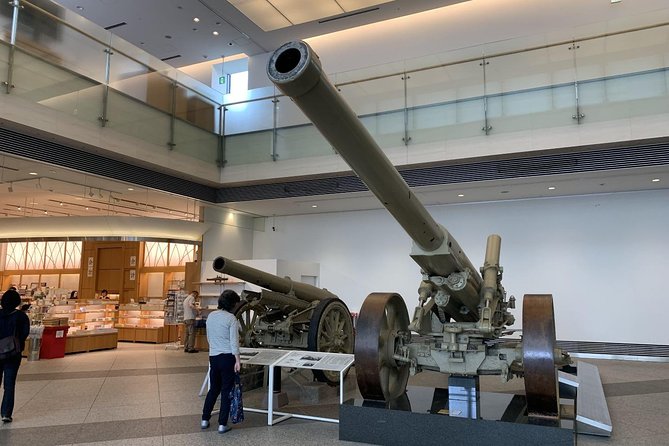
The final stop is the National Showa Memorial Museum, often called Showa-kan, and you’ll have about 1 hour. This museum emphasizes civilian experiences during and after WWII, not only battlefield history.
What I like about this stop is the shift in perspective. You’ll see how the tour connects the war’s impact to everyday people—starvation and hardship are part of the explanation, along with personal items and photographs that communicate what life felt like. That’s a useful counterbalance if you’ve spent most of your time in Japan thinking about monuments and military dates.
Showa-kan also helps you avoid the trap of viewing history as purely strategic. When you understand the civilian side, the rest of the story clicks into place: why people remembered, how suffering shaped memory, and how the country moved from wartime reality into the postwar world.




Your guide is the real value: Shun, Hiro, Izumi, Yasuhiro Suzuki
This tour is built around an English-speaking history expert guide, and that’s the difference between reading museum signs and actually understanding what they mean. In the feedback tied to this experience, multiple guides were praised for being tactful, personable, and patient with questions.
Guides like Shun, Hiro, and Izumi were described as thoughtful and careful with explanations, while Yasuhiro Suzuki was noted for being knowledgeable and personable. The practical takeaway for you: if you like getting answers in plain language, you’ll likely feel well looked after here.
I’d also pay attention to the way guides blend historic facts with everyday-life context. That mix is exactly what makes a WWII tour feel real instead of textbook-like. You’ll come away with a better sense of not just what happened, but how people tried to live inside those decisions.
Price and value: what you’re really paying for
The price is $204.58 per person, and it’s commonly booked about 99 days in advance. It’s not a bargain-bin tour, so you’ll want to see where the value comes from—and you do get some clear wins.
First, entrance fees to the two museums are included: Yūshūkan War Museum and Showa Memorial Museum. Second, you get a history expert guide in English for the full time you’re out. Third, the tour includes photo opportunities, which matters because with museum-heavy routes, it’s easy to end up with no usable pictures.
Also, the tour uses a mobile ticket, so you’re not juggling paper confirmations. And it’s a private experience for your group, which can be worth it when you’re paying for subject-specific context rather than just transportation.
In short: you’re paying for interpretation, not just access. If WWII history is genuinely on your radar—and you want the human and memorial sides explained—you’ll likely feel the value. If you only want a quick look at famous sites, you might find it pricier than you expected.
Sensitive topic rules: how to make it respectful and useful
This is an educational tour about modern Japanese history from WWII-era times through more recent context. Still, it’s sensitive territory because it involves war deaths, kamikaze attacks, and civilian suffering.
The experience specifically asks that everyone keep an open mind and not make it hard for the guide. That means coming ready to listen, ask questions respectfully, and accept that you may not hear the story in the same framing you’re used to.
If you’re the type who wants everything framed as one-sided blame or only as military tactics, this tour might feel uncomfortable. If you’re the type who wants to understand how remembrance works and why people tell these stories the way they do, it can be very meaningful.
Tips to get more from the morning
Plan for museums and walking time. Wear comfortable shoes and keep your pace steady, since you’ll be moving between shrine grounds and two indoor museum spaces.
Because food and drinks are not included, think about what you’ll do before and after. A tour this focused on heavy topics is easier to handle when you’re not also negotiating hunger.
Finally, bring questions. This tour is designed for an expert guide to translate what you’re seeing into context, especially when exhibits are harder to read on your own.
Who should book this tour in Tokyo
Book it if you want WWII history with a memorial and civilian lens, not just a list of battles. It’s also a strong choice if you care about Japan’s modern remembrance—how the country frames war dead and how that connects to postwar life.
You should also consider it if you’d benefit from English support inside museums. Some exhibits are in Japanese, and the guide’s interpretation is part of what makes the experience click.
Skip it if you only have time for a quick shrine visit with minimal museum time. The tour is tightly scheduled, and the museums are the main event.
Should you book the Modern Japanese History Tour?
I think this is an excellent fit for travelers who want Tokyo to tell the WWII story in a structured, respectful way. The best reason to book is the combination of Yūshūkan and Showa-kan, explained by an English-speaking expert, in a compact morning you can actually finish.
If the idea of kamikaze and memorial controversy makes you tense, pause and ask yourself honestly whether you can stay open-minded. If you can, this tour gives you more understanding than a self-guided walk through the same places.
FAQ
How long is the Modern Japanese History Tour in Tokyo?
It runs about 3 hours.
Where does the tour start and end?
The meeting point is Kudanshita Station, and the tour ends back at the same meeting point.
What time does the tour start?
The start time is 9:00 am.
What stops are included?
You’ll visit Yasukuni Shrine, the Yūshūkan Museum (on the same grounds), and the National Showa Memorial Museum (Showa-kan).
Are museum entrance fees included?
Yes. Entrance fees to Yūshūkan War Museum and Showa Memorial Museum are included.
What’s included with the guide?
You get a private English-speaking guide (history expert), photo opportunities, and entrance fees for the scheduled sites.
Is food or drinks included?
No. Food and drinks are not included.
Is hotel pickup or drop-off included?
No. Hotel pickup and drop-off are not included.
Is the tour refundable if I cancel?
The experience is listed as non-refundable and cannot be changed for any reason.
Is this tour suitable for everyone given the topic?
The topic may be sensitive for some people. It’s best for travelers who can keep an open mind and stay respectful throughout the visit.