REVIEW · TOKYO
Mini Origami Lamp and Mizuhiki knot Belt Workshop in Ueno
Book on GetYourGuide →Operated by Washi labo TOKYO · Bookable on GetYourGuide
Warm light, made by hand. In this Ueno workshop, you’ll learn to turn handmade washi paper into a bellows-style origami lamp that glows softly, plus a matching mizuhiki knot ornament.
I especially like the mix of hands-on craft and useful know-how. You don’t just fold and glue, you also get a guide to washi basics and learn what makes mizuhiki knots meaningful for gifts and different uses.
One possible drawback: this is detailed, fine-motor work. It’s not suitable for kids under 10, and if you want something very casual or fast, you may find the folding and gluing takes patience.
In This Review
- Key things you’ll love about this Ueno workshop
- Ueno and Washi labo TOKYO: why this workshop feels local
- Wasī paper basics first: the “why” behind the craft
- Origami lamp build: bellows folding, gentle glow, and a book-like finish
- Small practical tips you’ll thank yourself for
- Mizuhiki knot ornament: learn the meanings so gifts land better
- Why a belt ornament is a smart take-home
- Tea and sweets made for the paper craft mood
- Duration and pacing: 150 minutes that don’t feel rushed
- Price and value: is $106 per person a fair deal?
- Who should book this workshop (and who might choose something else)
- Should you book the Ueno origami lamp and mizuhiki knot workshop?
- FAQ
- How long is the Mini Origami Lamp and Mizuhiki knot Belt Workshop?
- How much does it cost?
- What will I make and take home?
- What’s included in the price?
- Is the workshop suitable for children?
- What languages are used during the workshop?
- What is the cancellation and payment policy?
Key things you’ll love about this Ueno workshop
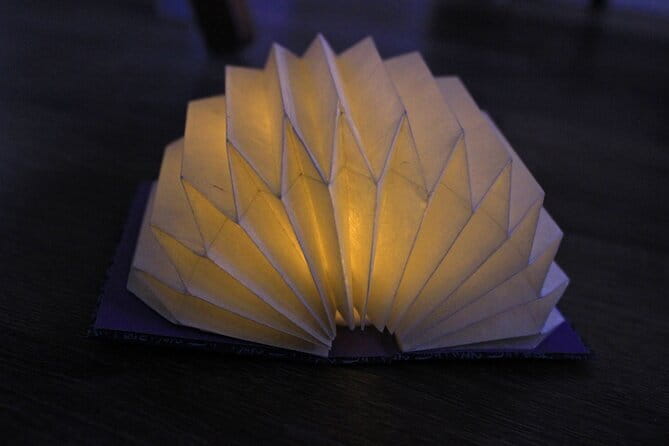
- A lamp build that actually turns on inside the washi bellows
- Mizuhiki knot meanings, so your ornament isn’t just pretty, it’s purposeful
- Washi paper tea and Japanese sweets served at the end
- Materials and instruction are fully set up, so you can focus on making
- Private-group pace with an instructor in Japanese and English
Ueno and Washi labo TOKYO: why this workshop feels local
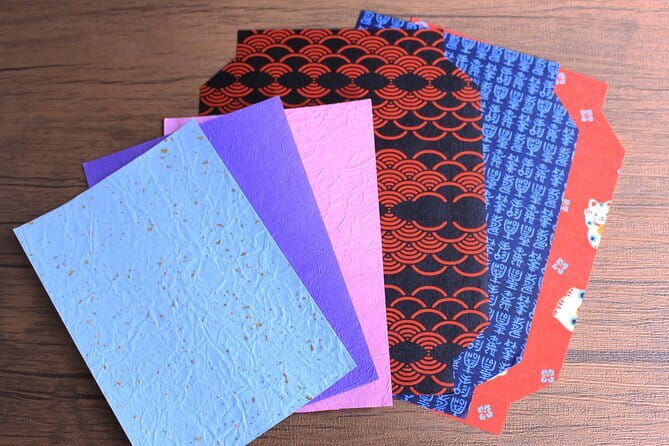
This is the kind of activity that makes Japan feel specific, not generic. You’re in Ueno, working with traditional paper craft methods at Washi labo TOKYO, and the whole session is built around two Japanese paper arts: washi-based origami and mizuhiki knots.
The big advantage of a workshop like this is that you’re learning the craft in the same setting where materials and tools are ready to go. That matters because washi is delicate, and origami lamp assembly needs steady handling. A private-group setup also helps you move at a comfortable pace instead of rushing to match a group schedule.
Also, the vibe tends to be calm and focused. One review notes the experience felt relaxing, and another highlights the teacher as nice and helpful. That lines up with the nature of the crafts: you’re making, but you’re also slowing down.
You can also read our reviews of more tours and experiences in Tokyo



Wasī paper basics first: the “why” behind the craft
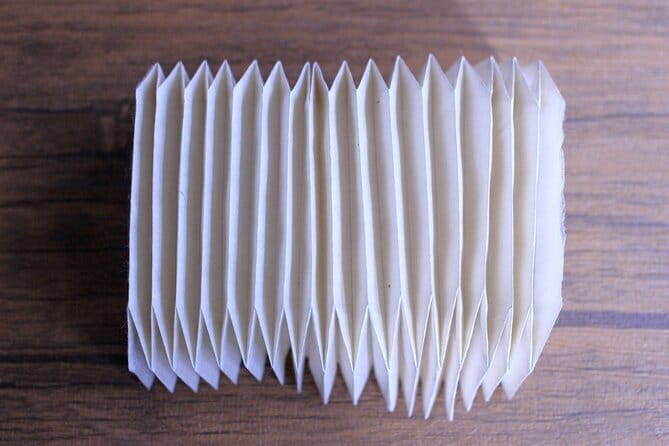
Before you start shaping anything, you’re introduced to washi paper basics with a guide document. This isn’t just an art history lecture. The point is practical: washi is light and durable, which is exactly why it’s used for interior decor and art pieces.
Here’s what that means for you while you work:
- You’ll understand why the paper behaves the way it does when folded and glued.
- You’ll get better at handling thin sheets without tearing or warping.
- You’ll learn how washi is treated differently from regular paper, which helps your finished lamp look clean instead of messy.
The workshop materials are set up for you, and your instructor demonstrates how to fold, glue, and fix the parts together. That step-by-step guidance is a big deal for anything this exacting. One review specifically mentions the guide showing how to fold, glue, and fix everything, which is what makes the lamp project feel doable.
Origami lamp build: bellows folding, gentle glow, and a book-like finish
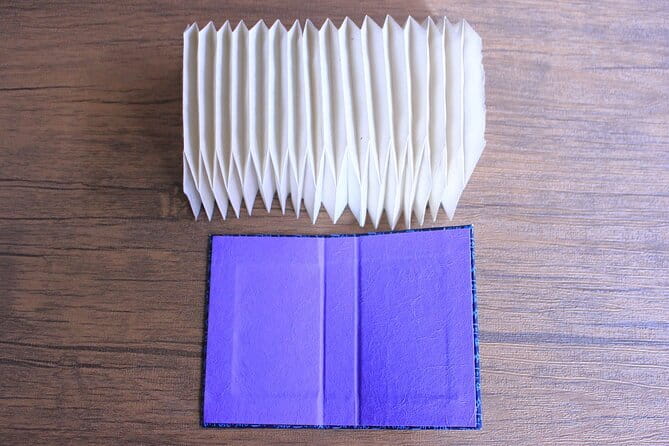
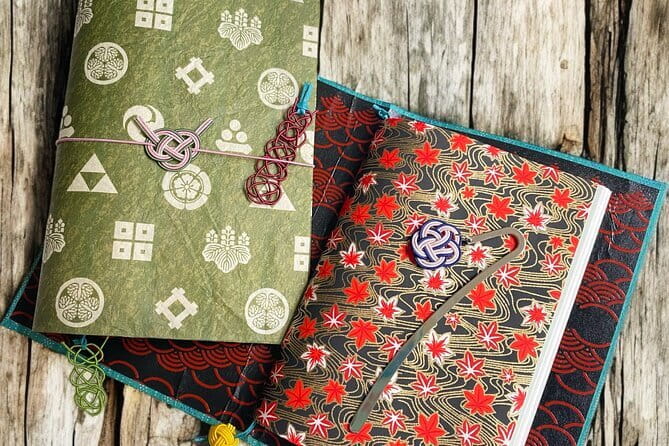
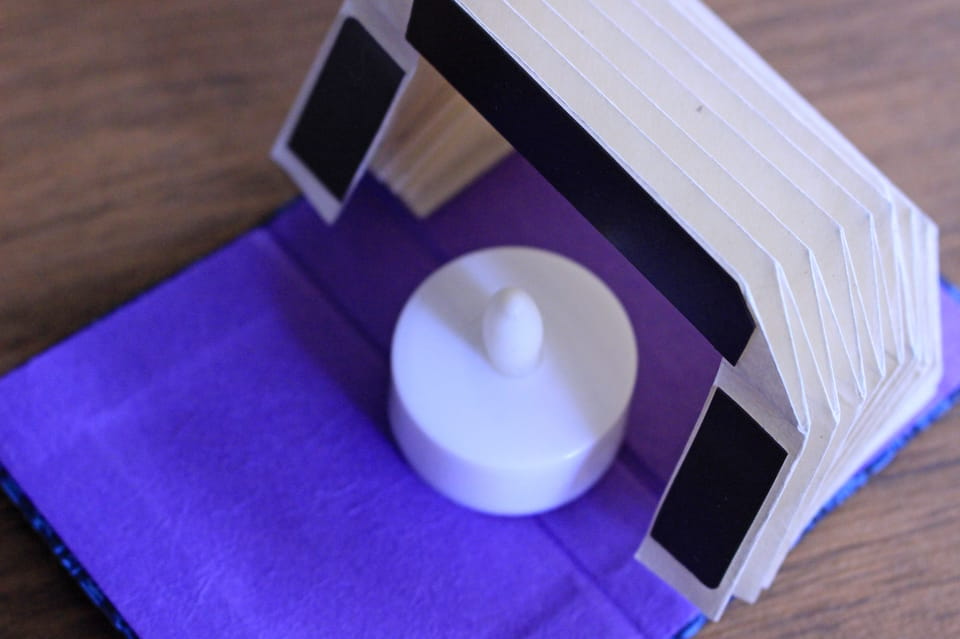
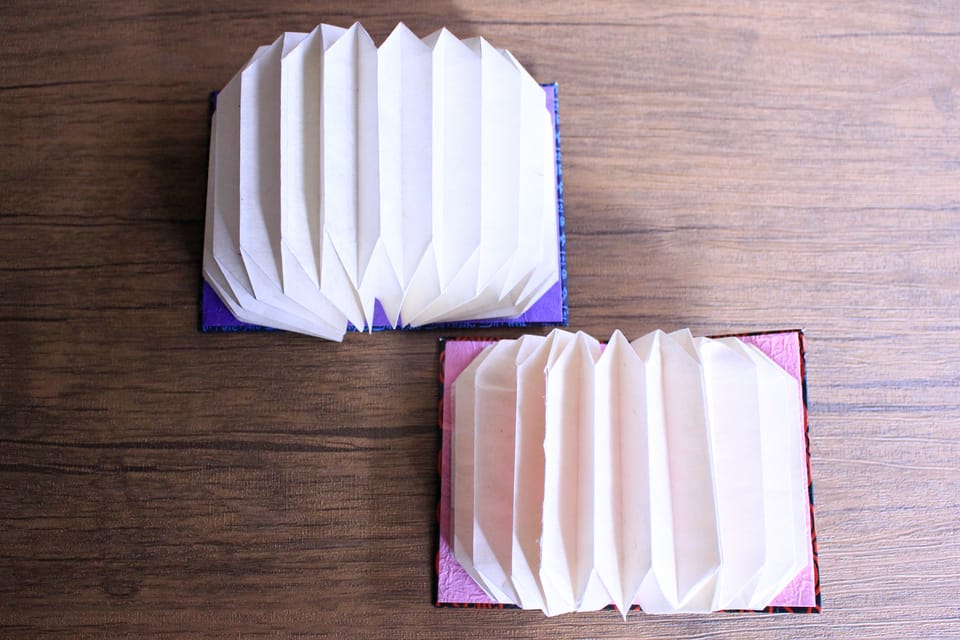
The centerpiece is a traditional origami lamp made from handmade washi. The basic idea is clever: you fold and glue several washi sheets into a bellows-like structure, then insert a small lamp inside so the paper “shades” the light.
What you’ll actually do (in plain terms):
- Fold and assemble the washi sheets into the bellows shape.
- Glue the sections so they hold their form.
- Add the small lamp component into the interior space.
- Close the structure so it looks like a closed book.
That last detail is one of the most satisfying parts. When you close it, the shape isn’t random. It lands in a recognizable, tidy form, which makes the finished piece feel more like a crafted object than a school project.
Why this is valuable (beyond the wow factor):
You’re learning a construction method, not just a pattern. Bellows-style paper structures are about repeating folds, keeping alignment, and controlling glue placement. Once you understand that, you’ll have an instinct for why the lamp glows evenly and why the final shape holds.
And yes, you’ll end the session with your own one-of-a-kind origami lamp. Reviews also flag that the souvenir is something you can genuinely keep and display, not just a temporary craft.
Small practical tips you’ll thank yourself for
Because your hands are doing the work, a few practical habits help:
- Take your time with glue placement. Too much glue can make folds stiff or messy.
- Watch the alignment on repeated folds. Small errors tend to show once the bellows closes.
- Keep your hands calm while inserting the lamp. Paper structures don’t like sudden force.
Mizuhiki knot ornament: learn the meanings so gifts land better

After the origami lamp, you create a mizuhiki knot ornament for your belt. Mizuhiki is a traditional paper cord: it has a core of twisted washi paper, then it’s wrapped by nylon or film, which gives the cord its decorative look and handling.
Here’s what makes this section especially worth your time: the workshop teaches that each knot carries meaning. In other words, you’re not just making a decorative knot. You’re learning how knot choices relate to gifting and use.
That turns your ornament into something with a story. When you tie it onto your belt (or attach it where you like), you can connect it to the reason it’s chosen. You’ll be able to talk about the knot beyond aesthetics, and that’s the kind of cultural detail that makes a souvenir feel more personal.
One review also mentions that the session was nicely set up and that the instructor guided folding and assembly clearly. That guidance matters here too—mizuhiki knots have steps, and getting the sequence right keeps the final ornament neat.






Why a belt ornament is a smart take-home
You might think, Why not a small charm? But a belt ornament is practical because:
- It’s easy to carry and display.
- It stays close to daily life, not locked away in a drawer.
- It feels more like a functional Japanese craft object.
Tea and sweets made for the paper craft mood
The session finishes with Japanese sweets and tea made from Japanese paper tea. This part matters more than you might expect. If you’ve been working with thin paper, your brain needs a reset—and tea plus a sweet break gives you that.
The tea itself is tied to the washi theme, which keeps the experience consistent. One description notes the Japanese paper tea isn’t offered elsewhere, and reviews call out the snacks and tea as very good toward the end.
Even if you don’t consider yourself a tea person, this is a nice cultural finish. You get to stop thinking about glue and folds, and just appreciate your work while you sip something that’s also connected to the craft.
Also, one review mentions a mascot cat being present. That’s not the main point of the workshop, but it adds a friendly, low-pressure atmosphere, especially if you’re traveling with a little extra nervous energy and want something relaxing.
Duration and pacing: 150 minutes that don’t feel rushed
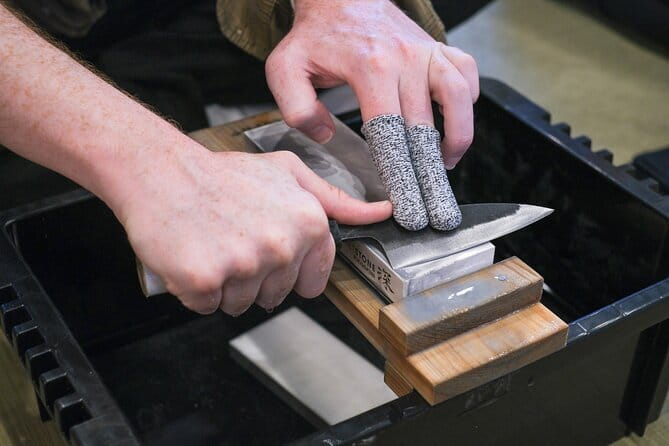
The workshop runs about 150 minutes. That’s a workable length for two projects: building a lamp and then making a mizuhiki knot ornament.
Private group pacing helps a lot. In a shared class, you might feel pressure to keep up. Here, you can ask questions and get guidance when you need it. Reviews highlight the teacher’s helpfulness and the way materials are prepared in advance, which usually translates to fewer awkward pauses and more time actually crafting.
If you like structure, you’ll probably enjoy this. The session feels like a step-by-step progression:
- washi basics first
- origami lamp construction
- mizuhiki knot meaning and making
- tea and sweets at the end
Price and value: is $106 per person a fair deal?
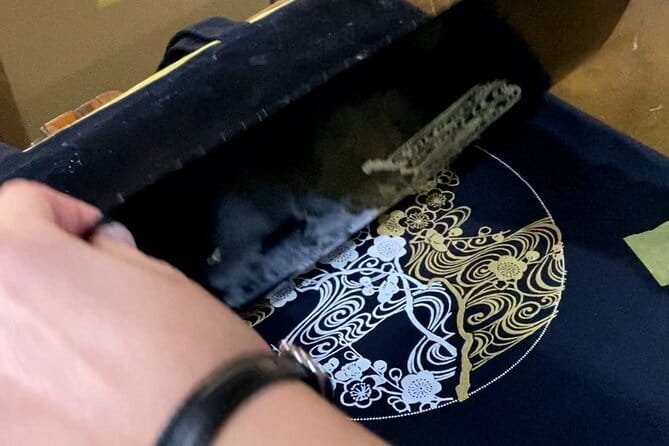
At $106 per person for a 150-minute private group, the value comes from what you’re getting:
1) Two finished craft items
You’re taking home an origami lamp and a mizuhiki knot ornament. That’s not always the case in short workshops where you might only make one small thing.
2) Materials and tools are provided
You’re not shopping for supplies or guessing whether you picked the right type of washi or cord. The workshop supplies everything needed for lamp assembly and the knot ornament.
3) Instruction in two languages
Japanese and English support means you’re more likely to understand the steps and the meaning behind the knots. That matters because mizuhiki meaning is part of the lesson, not just a side note.
4) A guided “why,” not only a “how”
Learning washi basics and knot meanings makes the craft more meaningful later, when you’re explaining it to friends or deciding where to wear or display it.
So if your goal is a high-quality, take-home Japanese craft souvenir with actual context, the price feels fair. If your goal is purely entertainment or a quick DIY without learning, you might decide it’s pricier than you need.
Who should book this workshop (and who might choose something else)
This is a strong fit if you:
- Want a craft souvenir you’ll actually display or use
- Enjoy careful hands-on work
- Like learning small cultural meanings, not just making objects
- Prefer private instruction or a calmer pace
It’s also a good fit for adults and older teens. The workshop explicitly requires detailed skills, and it isn’t suitable for children under 10.
If you’re traveling with younger kids, you might consider an alternative in Ueno that focuses on a different paper craft approach. The key is choosing something designed for family skill levels, since this one is more technical.
Should you book the Ueno origami lamp and mizuhiki knot workshop?
I’d book it if you want a focused, calming craft session in Ueno where you take home two meaningful paper objects: a warm origami lamp and a mizuhiki knot ornament you can tie on and explain.
Skip it (or plan differently) if you hate detailed folding and glue work, or if you’re traveling with kids who are likely to struggle with fine motor steps. Also, if you need a very casual activity with no instruction, this won’t be that. It’s built around learning and finishing with a strong result.
If you’re on the fence, my advice is simple: choose it when you want a real craft outcome, not just a photo.
FAQ
How long is the Mini Origami Lamp and Mizuhiki knot Belt Workshop?
The workshop lasts about 150 minutes.
How much does it cost?
It’s listed at $106 per person.
What will I make and take home?
You’ll make an origami lamp using washi paper, and you’ll also create a mizuhiki knot ornament designed for a belt.
What’s included in the price?
You get Japanese sweets, Japanese paper tea, a guide document on washi paper basics, and all materials needed to create the origami lamp and mizuhiki knot ornament.
Is the workshop suitable for children?
No. It is not suitable for children under 10 years due to the detailed skills required.
What languages are used during the workshop?
The instructor works in Japanese and English.
What is the cancellation and payment policy?
You can cancel up to 24 hours in advance for a full refund. It also offers reserve now and pay later, so you can book and pay nothing today.