REVIEW · TOKYO
Tokyo: Guided Walking Tour of Tsukiji Market with Breakfast
Book on GetYourGuide →Operated by True Japan Tour · Bookable on GetYourGuide
Tsukiji tastes before the city fully wakes. This guided breakfast walk feeds you with 7 tastings and explains how market food, religion, and everyday life connect. I also like starting at the Tsukiji Hongwanji Temple gate, where the exterior uses ancient design cues inspired by Buddhism and India.
Because you’ll be standing shoulder-to-shoulder in a crowded market, it can feel hectic, and the guide’s English can be hard to catch during the noisiest stretches.
In This Review
- Key Things You’ll Notice Right Away
- Starting at Tsukiji Hongwanji Temple’s Gate
- How a 150-Minute Food Walk Stays Fun Instead of Fussy
- Tsukiji Outer Market: Where You Watch Work, Not Just Shopping
- The 7 Tastings That Turn a Walk Into a Meal
- Culture and Food: Why the Temple Stop Isn’t Random
- Guides, Lines, and the Little Things That Make It Worth $85
- Price Check: Does $85 Really Make Sense for Breakfast?
- Practical Tips So You Enjoy Every Bite
- Should You Book This Tsukiji Breakfast Tour?
- FAQ
- Where is the meeting point?
- How do I get there from Tsukiji Station?
- How long is the tour?
- What’s included in the price?
- How many tastings should I expect?
- Is the tour in English?
- What should I bring?
- Is this tour wheelchair accessible?
- Is there free cancellation?
- Can I pay later?
Key Things You’ll Notice Right Away
- You start at Tsukiji Hongwanji Temple with time to admire the exterior before the market chaos begins
- Seven tasting stops including grilled skewers, a Japanese-style omelette, tuna sandwiches, and dashi soup stock
- Expert-wholesaler viewing time as you pass where the work actually happens
- Temple-to-food context about how Japanese culture and religion show up in cuisine
- Small group size (max 10), which helps you keep moving and get attention at the tasting counters
Starting at Tsukiji Hongwanji Temple’s Gate
The tour meets in front of Tsukiji Hongwanji Temple. That matters more than you might think. It’s a quiet visual reset before the market noise kicks in.
If you’re using Tsukiji Station (Hibiya Line), take Exit A1 and turn left. The temple entrance is about 50 meters from the station. You’ll get there fast—then the guide takes over.
The temple stop is mostly about looking. The exterior is described as ancient Buddhist-inspired architecture with an Indian-inspired look. Even if you’re not a big architecture person, you’ll notice the vibe shift: you’re standing in front of something old, while the market behind it runs on hustle and routine. It’s a good way to start a food tour because it sets a theme: in Japan, food isn’t just about taste. It’s also about ritual, community, and beliefs.
You can also read our reviews of more walking tours in Tokyo


How a 150-Minute Food Walk Stays Fun Instead of Fussy
This is a 150-minute tour. That’s long enough to eat your way through several market stalls, but short enough that you’re not stuck on the same route all day.
With a small group limited to 10, you usually get a more human experience than the giant-bus kind of sightseeing. You’re close enough to hear instructions, but still moving with purpose. You’ll want to plan for a breakfast-style rhythm: short stops, quick bites, then back to walking.
Two practical notes that affect how you’ll feel:
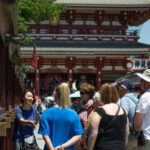
- You’ll be on your feet a lot, and the market has crowding.
- You’ll eat a bunch, so timing is built around that. Come hungry.
A few past guests also mentioned that when English sped up, it helped to ask for clarification. If you’re the type who likes to understand every ingredient, lean into questions early so you’re not playing catch-up later.
Tsukiji Outer Market: Where You Watch Work, Not Just Shopping
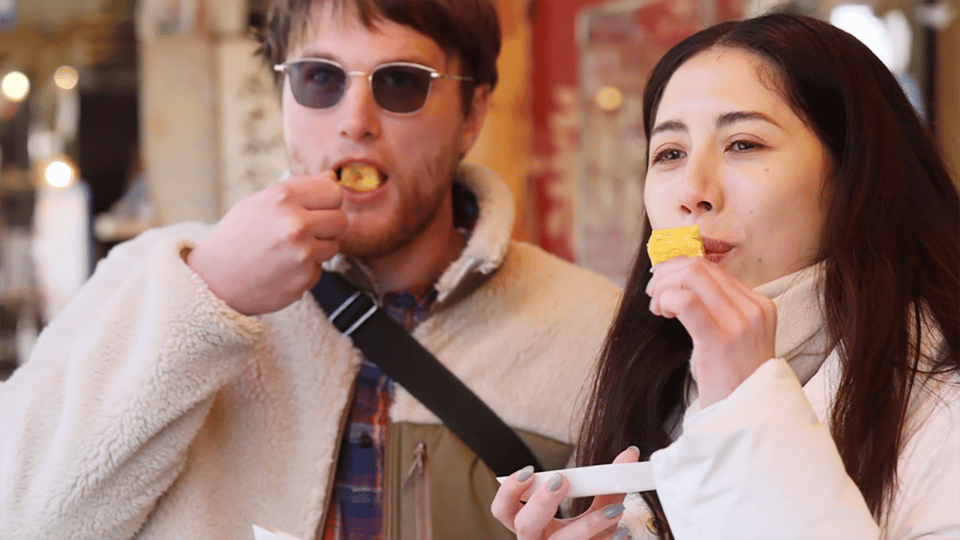
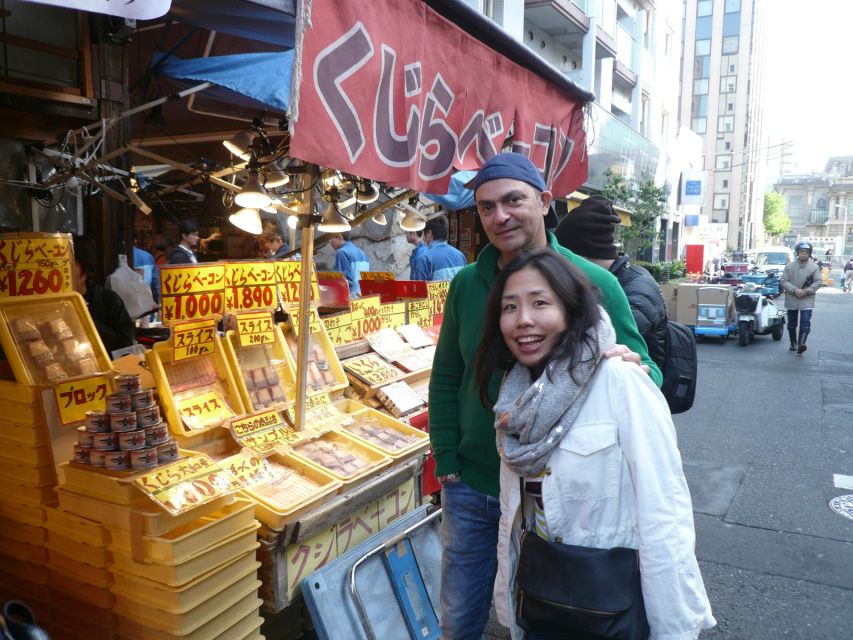
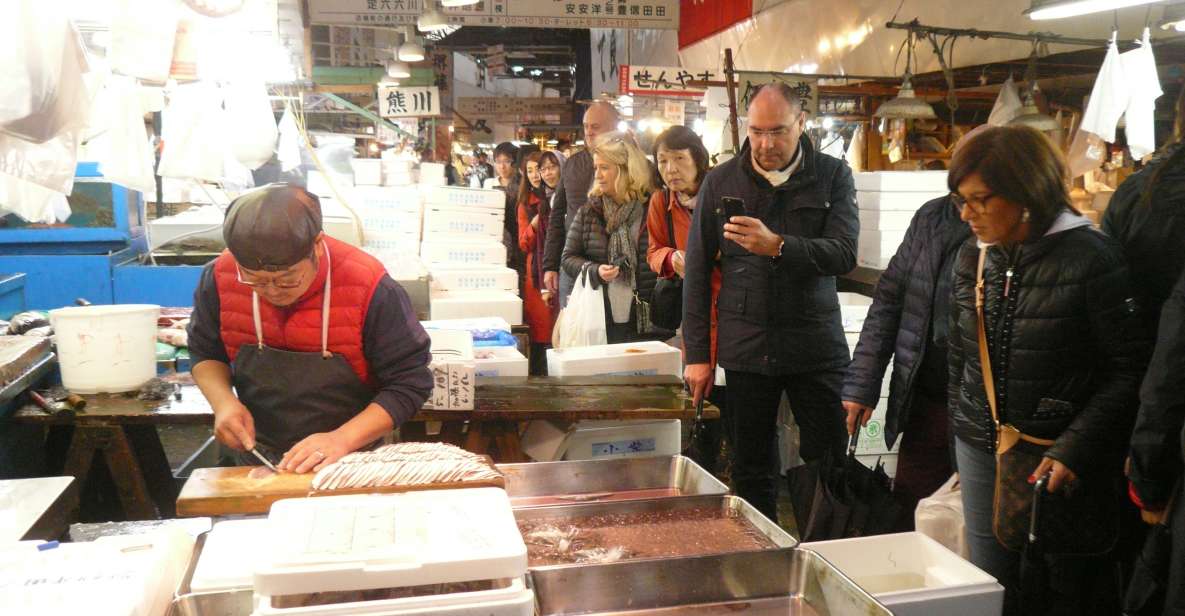
Once you get into the Tsukiji Outer Market area, you’re not just passing cute storefronts. You’re walking through a world where fish and related goods move at wholesale speed. Tsukiji Outer Market is described as one of the largest wholesale fish markets in the world, and it’s busy for a reason.
Here’s what you’ll experience as you move along:
- You’ll see workers and wholesalers doing what they do best: busy, efficient, practiced motions.
- You’ll pass restaurants, shops, stalls, and other businesses packed into tight lanes.
- You’ll encounter products that look unusual if you’re used to a supermarket aisle.
This is where guided timing earns its keep. Left on your own, you might spend time staring at signs and wondering what to pick. On this tour, the guide steers you through the places where the tastings make sense and where the food is being handled with real purpose.
The 7 Tastings That Turn a Walk Into a Meal
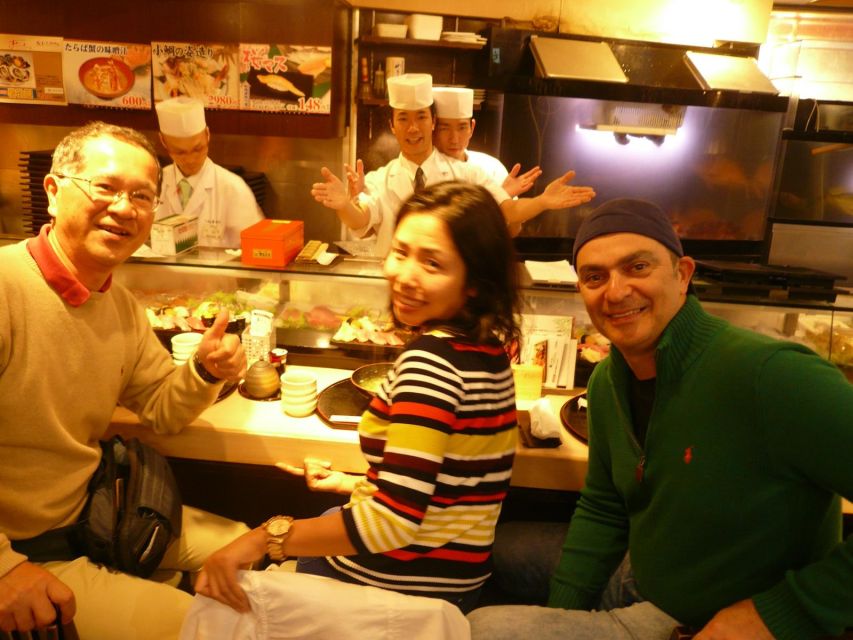
The tour includes tastings of seven local specialties. This is one of the biggest value points because it’s not just one snack stop—it’s a sequence that builds from savory to comforting, like a mini breakfast “playlist.”
Here’s what you can expect to sample:
- Grilled seafood or beef skewers: smoky, simple, and easy to understand even if you’re new to Japanese flavors
- Japanese-style omelette: usually soft and savory, a nice break from purely grilled items
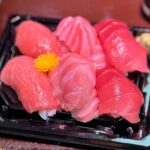
- Tuna sandwiches: a practical handheld bite that fits the breakfast theme
- Fried fish paste skewers: deep-fried comfort with a distinct fishy-satisfying taste
- A drink: included as part of the tasting set
- A sample of Japanese tea: a palate reset so the next bite lands clean
- A sample of dashi soup stock: warm, foundational Japanese flavor—think umami base rather than a full meal
What makes this lineup work is variety without confusion. You’re not tasting ten random things. You’re sampling core categories—grilled, egg, fish, handheld, and broth-style comfort—so you leave with a better sense of how market breakfast food fits together.
Also, the guide doesn’t just hand you food and move on. Part of the experience is watching how each stall works: who orders, how quickly it’s served, and how workers keep the line moving.
Culture and Food: Why the Temple Stop Isn’t Random
A cool part of this tour is the link between Japanese culture and religion and how it shows up around cuisine. You’re not going to get a textbook lecture. You’ll get story-based context as you walk.
That’s why the temple exterior matters. Starting with Tsukiji Hongwanji Temple gives the food a frame. You can see the market as more than a place to buy things. It’s part of daily life, shaped by traditions and social routines.
One small but meaningful detail from the temple experience: it’s described as having an ancient Buddhist-inspired feel with Indian-inspired architectural influence. That blend is a reminder that cultural exchange can be centuries old—and that Japan’s food world reflects larger history, even in a modern market lane.
You can also read our reviews of more guided tours in Tokyo



Guides, Lines, and the Little Things That Make It Worth $85
You’re paying for more than food. You’re paying for a plan, speed, and translation support while you navigate a crowded market.
Past guests specifically praised the guides for being friendly and for coordinating with vendors. Several noted that the guides and assistants stood in long lines while the group explored around the market, then returned when it was time for the next tasting. That’s the difference between eating “whatever you find” versus eating the right things at the right stalls without losing an hour.
Some names you may hear if you book with this provider:
- Rico was mentioned with a guide who adjusted tastings based on what one guest wanted to avoid.
- Minoko was noted as part of a guide team that answered questions and supported the group.
- Yumi was praised for guiding people through the busy market and arranging tastings while managing the route.
What I’d take from that, as advice for you: if you have preferences or limits, tell the guide early. You’ll usually get better outcomes that way than trying to guess what you can handle once you’re already in line.
Price Check: Does $85 Really Make Sense for Breakfast?
At $85 per person for 150 minutes, this can feel pricey if you’re thinking only in terms of bites. But the value case is stronger when you look at what’s included.
You’re getting:
- A live English guide
- Seven tastings that cover multiple food styles (skewers, omelette, tuna sandwiches, fish paste items, tea, and dashi)
- Help moving through a dense, crowded market without wasting time
- A small group size (max 10), which makes the whole experience feel less chaotic
If you’ve ever tried to assemble a market-food breakfast by yourself, you know how quickly it turns into decision fatigue. You stand in a line, guess wrong, and suddenly your “snack plan” collapses. This tour prevents that by controlling the order and selecting tastings that create a coherent food story.
So yes, I’d call it a fair price—especially if you value guidance, eating multiple specialties, and not spending your morning figuring out what to order.
Practical Tips So You Enjoy Every Bite
This tour is simple, but it rewards good preparation.
Wear comfortable shoes. The market is walk-heavy, and you’ll be on your feet during tastings.
Bring a mindset of lots of food, not tiny bites. One guest described it as a lot of food on this tour—so plan to keep your next meal lighter.
If you’re sensitive to noise: the market is active and crowded. You don’t need to strain to enjoy it, but you may miss small details if you don’t pause when the guide stops. Ask questions when you can.
Dietary limits: you should be able to steer the tour to what you’re comfortable eating. One guest specifically said the guide adjusted the tour when they didn’t want to eat everything. If you’re picky, this kind of customization can make the difference between a fun morning and a stressful one.
If you’re traveling with mobility needs: the tour is listed as wheelchair accessible. It still involves market conditions, so confirm what route and pacing will look like for your situation when you book.
Should You Book This Tsukiji Breakfast Tour?
I’d book it if you want a morning food experience that feels grounded in real market life—not just a sightseeing stamp.
Choose this tour if:
- You’re a foodie who likes variety and wants to taste seven market-style specialties
- You like context, especially the temple-to-cuisine connection
- You prefer a guided flow through busy places, with translation and vendor help
- You want a small-group setup that keeps you from getting lost in a crowd
Skip it (or at least think twice) if:
- You hate crowded standing environments
- You rely on crisp spoken English the whole time—because in the busiest stretches, it can be hard to catch everything
If you book, show up ready to eat and ready to ask questions. The guides have a knack for making the market feel like a place you understand, not a place you just pass through.
FAQ
Where is the meeting point?
Meet in front of Tsukiji Hongwanji Temple.
How do I get there from Tsukiji Station?
From Tsukiji Station (Hibiya Line), take Exit A1 and turn left. The temple entrance is about 50 meters from the station.
How long is the tour?
The tour duration is 150 minutes.
What’s included in the price?
The price includes a guide and tastings of 7 local specialties.
How many tastings should I expect?
You’ll have 7 tastings during the tour.
Is the tour in English?
Yes, the live tour guide provides English.
What should I bring?
Wear comfortable shoes.
Is this tour wheelchair accessible?
Yes, the tour is listed as wheelchair accessible.
Is there free cancellation?
Free cancellation is offered up to 24 hours in advance for a full refund.
Can I pay later?
Yes. You can reserve now and pay later.