REVIEW · TOKYO
Kappabashi Knife Shopping Tour with Government-Licensed Guide
Book on Viator →Operated by Japan Guide Agency · Bookable on Viator
Knives meet Tokyo markets. This tour pairs Tsukiji Outer Market and Kappabashi with hands-on guidance on the different types of knives used in Japanese cooking, and it gives you real shop time on the street known for kitchen tools at reasonable prices. I also like that you’re not doing this blind: a licensed English-speaking guide helps connect what you see in the markets to what chefs actually want. One thing to plan for is the pace—this is a walking tour, and you’ll cover your own transport, meals, and any Skytree admission.
You’ll spend about four hours moving through three areas: Tsukiji first, then Kappabashi Dougu Street, then a look at Asakusa (including its classic shopping street corridor). Afterward, you can head toward Tokyo Skytree at the end, but entry fees for Skytree aren’t included for you or the guide. If you want a smooth “Tokyo highlights + shopping mission” day without a lot of decision-making, this format is a good fit.
In This Review
- Key highlights at a glance
- How the guided route keeps shopping stress low
- Entering Tsukiji Outer Market: a wholesale maze with 400 shop stops
- Kappabashi Dougu Street: the knife-shopping street you’ll want to linger on
- Asakusa as a payoff stop: classic shopping streets and temple-area energy
- Finishing near Tokyo Skytree without the ticket burden
- Price and value: what $107.50 really buys you
- Who this tour fits best (and who should consider alternatives)
- Should you book this Kappabashi knife shopping tour?
- FAQ
- FAQ
- How long is the tour?
- What’s included in the price?
- Do I pay for transportation or lunch?
- Is this tour private?
- Where does the tour start and how do we meet the guide?
- Can I visit Tokyo Skytree at the end of the tour?
- Is free cancellation available?
Key highlights at a glance
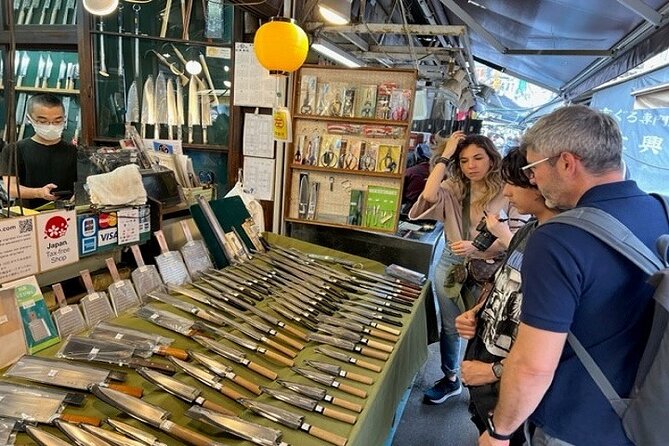
- Licensed English-speaking guide who steers your route and explains Japanese kitchen knife differences
- Tsukiji Outer Market with free admission time in a dense wholesale zone
- Kappabashi Dougu Street for Japanese kitchenware and knife shopping at prices that often feel more accessible
- Plastic food display shops that connect what you buy to what you’ll see on restaurant counters
- Asakusa stop so the day doesn’t feel like shopping-only
- Optional Tokyo Skytree nearby, with tickets handled separately
How the guided route keeps shopping stress low
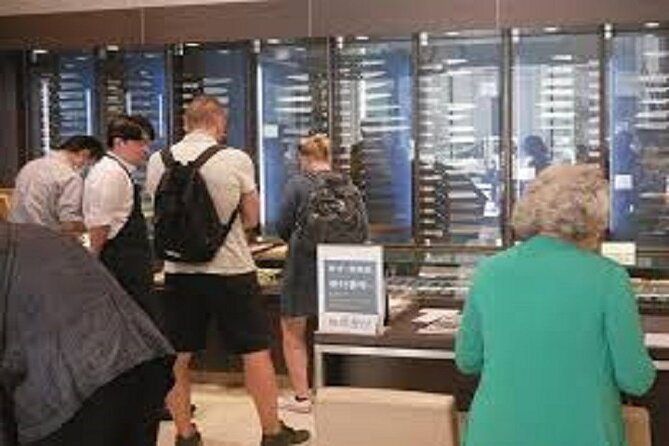
This is built as a private tour/activity, so it’s just your group with a licensed local English-speaking guide. That matters when you’re trying to shop for knives, because you don’t just want to wander—you want guidance on what to look for, how Japanese cooking uses different tools, and where you’ll get the most useful browsing time.
Pickup may be offered, and you’ll also have a meet-up point with the guide within a designated Tokyo area. Even when pickup is arranged, plan on the tour itself being a walking tour with the guide walking you between sights and shopping streets. Also note the tour doesn’t include transportation fees, so you’re responsible for any train or transit costs you use during the day.
You can also read our reviews of more guided tours in Tokyo



Entering Tsukiji Outer Market: a wholesale maze with 400 shop stops
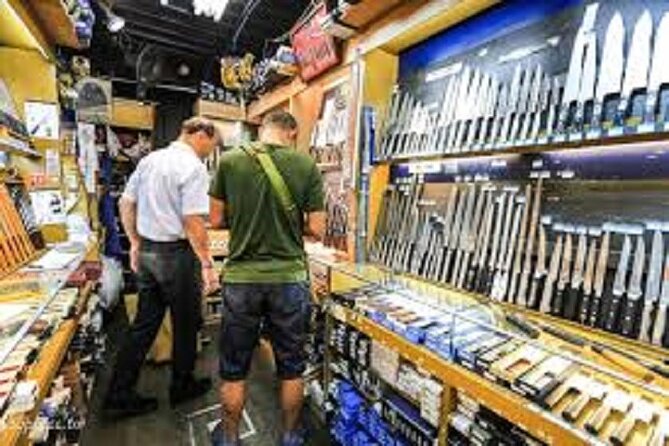
Your first stop is Tsukiji Fish Market’s Outer Market, and the tour keeps it practical: one hour of free admission time where you can see the market the way restaurants and retailers do. This area is described as a wholesale market that mainly serves retailers, restaurants, and other buyers, and it’s packed—about 400 shops squeezed into roughly 400 meters.
What I like about starting here is the mindset shift. You go into the knife shopping day with more context about why ingredients and tools matter in Japanese kitchens. Outer Market is not presented as a “souvenir-only” zone, so you’ll likely see the kind of places that feel made for daily sourcing rather than one-time browsing.
A possible drawback: because it’s dense, it can feel tight if you’re sensitive to crowds or narrow lanes. The upside is that it’s also fast—one hour is enough to get your bearings and gather ideas before you head to Kappabashi for the shopping part.
Kappabashi Dougu Street: the knife-shopping street you’ll want to linger on
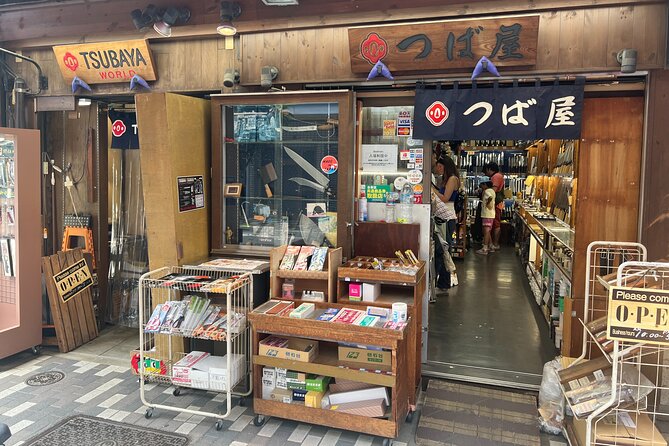
After Tsukiji, you move to Kappabashi Dougu Street (Kappabashi Dogugai), located in Taito City along the west side of Asakusa’s main entertainment district. It’s also positioned between Ueno and Asakusa, which makes it easy to connect your knife shopping day to classic Tokyo sightseeing.
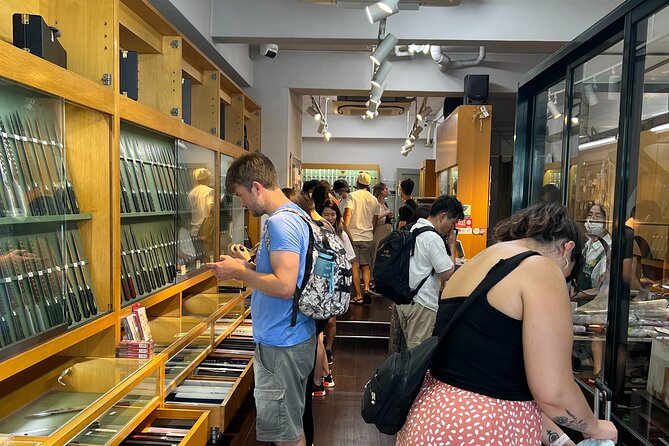
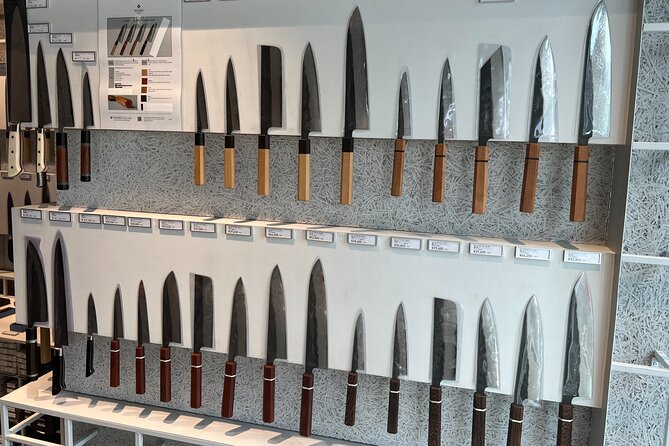
This is the real reason to book. The street has long served the food and beverage industry, so you can find Japanese kitchen ware and knives at what the tour frames as reasonable prices. I like this because it’s not just expensive “collector” shopping—it’s presented as a supplier-style shopping corridor, where you can walk in, compare, and ask more questions than you could on your own.
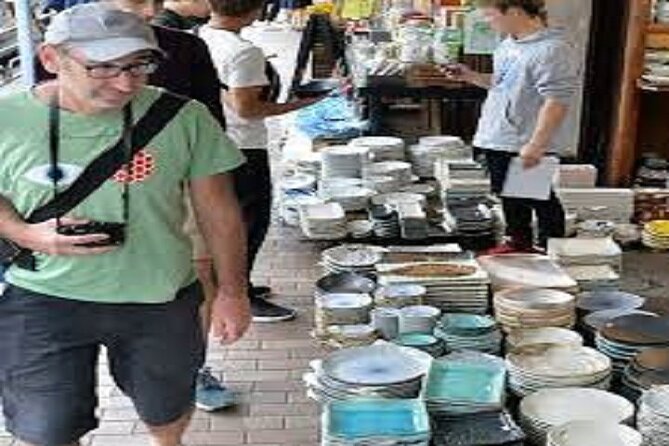
One of the more fun—and surprisingly useful—side stops is the plastic display food shops. The tour points out these models of food, and they connect directly to what you’ll see later in restaurants across Japan. Seeing the displays while you’re shopping for cooking tools helps you make sense of the full kitchen-to-table picture: food presentation, menu styling, and the tools behind the scenes.
Real talk on shopping: knives are personal. Even with a guide, you’ll want to think ahead about what you want to buy (size, intended use, and how you’ll transport it). The tour gives you the time and direction, but the final choice is still yours.
Asakusa as a payoff stop: classic shopping streets and temple-area energy
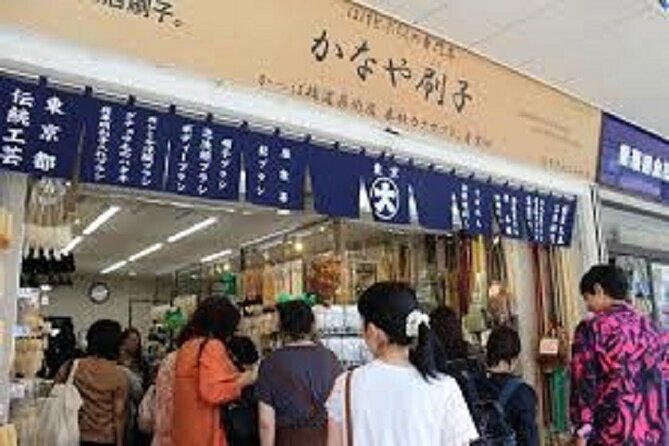
The third stop is Asakusa, with about one hour on the schedule. The tour highlights Nakamise-dori Shopping Street, which leads from Kaminarimon Gate to Senso-ji Temple, and then you’re also in an area with many small and large retro shopping streets around it.
Why this stop works: it breaks up the day so you’re not only chasing product displays. Asakusa also gives you a feel for old-school Tokyo beyond markets and tools, so your knife day ends with a sense of place rather than just a receipt.
A consideration: if you came only for knives, Asakusa might feel like a sightseeing detour. Still, the time block is short, and it’s a natural pairing with the Kappabashi/Asakusa neighborhood.
Finishing near Tokyo Skytree without the ticket burden
At the end of the tour, you can head to Tokyo Skytree to finish your day. The tour specifically notes this as a nearby option, which is convenient if you want a view or a big “Tokyo skyline” moment after shopping.
Here’s the key financial detail: Skytree entry fees are not covered for either the guide or you. So if you want to go up, budget that separately. If you don’t want to pay for admission, you can still treat the area as a convenient place to reset—just remember the tour itself is designed to end with that suggestion, not to include the ticketed attraction.
You can also read our reviews of more shopping tours in Tokyo


Price and value: what $107.50 really buys you
At $107.50 per person for about four hours, the value mostly comes from three things:
First, you’re paying for the specialist human help: a licensed local English-speaking guide. For knife shopping, this is more than conversation. It’s the difference between wandering and understanding the basic types of knives used in Japanese cooking, and learning what to look for as you browse.
Second, you’re buying time with a structured route. You get free admission time at Tsukiji Outer Market and guided stops at Kappabashi and Asakusa. This saves you from spending half the day figuring out logistics and instead gives you a clearer path for shopping.
Third, it’s private. Private tours cost more than group tours, but here it also means the pace and focus can better match your shopping goals. You’re not trying to keep up with strangers while you inspect handles, blades, or kitchenware.
What’s not included is just as important. You’ll cover transportation fees, lunch, and other personal expenses. And if you buy knives (or anything else), that’s of course extra. If you go in assuming the tour price covers shopping, you’ll feel surprised. If you go in viewing the tour price as guided time and context, it feels fair.
Who this tour fits best (and who should consider alternatives)
This is a great match if you want a focused shopping experience with real Tokyo flavor. It’s especially good for you if:
- You enjoy guided markets and want to understand what you’re seeing.
- You like the idea of shopping on Kappabashi without getting lost in product clutter.
- You want a day that mixes a practical shopping mission with a classic sightseeing stop.
It might not be the best fit if:
- You hate walking or crowded lanes. The tour is explicitly a walking format, and Tsukiji’s Outer Market is tight by design.
- You want a long lunch break or a food-focused meal stop. Lunch isn’t included.
- You’re expecting Skytree as part of the included package. Admission isn’t covered.
One smart way to prepare: decide your target before you arrive. If you’re hoping to buy a knife, think about what you cook most often. If you’re more of a browser, set a budget for “one great thing” and treat the guide’s explanation as your decision tool.
Should you book this Kappabashi knife shopping tour?
I’d book it if you want a guided, efficient way to combine knife shopping with real Tokyo sightseeing in a single half-day. The tour’s biggest strength is the pairing: Tsukiji gives you food-market context, Kappabashi gives you the tools, and Asakusa gives you a classic Tokyo finish. That blend is exactly how you get a day that feels like more than a store run.
Skip or reconsider if you need lots of rest, hate crowds, or you’re looking for a tour that includes meals and attraction tickets. This one is for people who want to walk, shop with purpose, and leave with a better sense of what makes Japanese kitchen tools different.
FAQ
FAQ
How long is the tour?
The tour is about 4 hours.
What’s included in the price?
You get a licensed local English-speaking guide, plus meet-up with the guide within a designated area in Tokyo. Admission tickets for the tour stops listed as free are not charged.
Do I pay for transportation or lunch?
Transportation fees, lunch, and other personal expenses are not included.
Is this tour private?
Yes. It’s a private tour/activity, and only your group participates.
Where does the tour start and how do we meet the guide?
Pickup may be offered, but the tour notes that pick up is on foot. You’ll meet the guide within a designated Tokyo area.
Can I visit Tokyo Skytree at the end of the tour?
You can head to Tokyo Skytree after the tour, but entry fees for Skytree are not covered for either the guide or you.
Is free cancellation available?
Yes. You can cancel up to 24 hours in advance for a full refund.