REVIEW · TOKYO
Mt Fuji and Kawaguchiko Private Tour
Book on Viator →Operated by Venture · Bookable on Viator
Fuji looks best when you beat the chaos. This private day trip handles the driving and timing for you, with hotel pickup plus an English-speaking guide who keeps the route focused on the best views. I also like that lunch is included, so you’re not hunting for food while you’re trying to catch clear mountain skies.
One thing to plan around: Mt. Fuji 5th Station access is weather-dependent, and in winter it’s closed, so your day may shift to alternatives depending on conditions.
In This Review
- Key moments worth your attention
- A private Fuji day beats DIY when time matters
- 7:00 am pickup and the drive out of Tokyo
- Arakura Fuji Sengen Shrine: pagoda views and simple etiquette
- Mt. Fuji 5th Station at 2,300 meters: the big moment
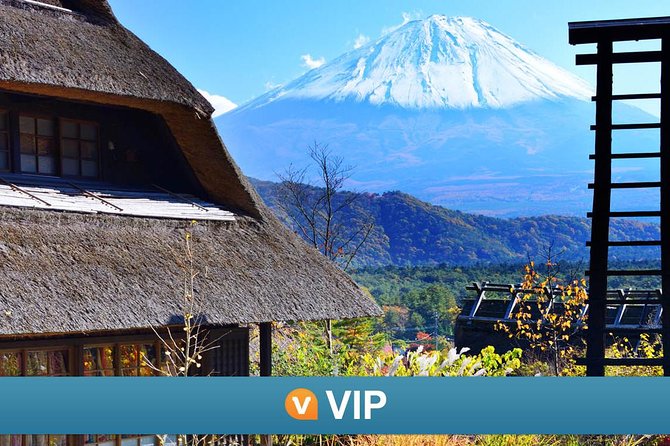
- Oshino Hakkai: spring-water ponds and thatched roofs
- Lake Kawaguchiko: choose one activity to match your mood
- Lunch and guiding style: what makes the day feel effortless
- Price and logistics: is $846.98 per person worth it?
- Should you book this Mt. Fuji and Kawaguchiko private tour?
- FAQ
- What time does the tour start?
- How long is the day trip?
- Does the tour include hotel pickup and drop-off?
- Is there an English-speaking guide?
- What meals are included?
- What stops are included during the day?
- Is Mt. Fuji 5th Station guaranteed?
- What should I wear?
- Can I choose what to do at Lake Kawaguchiko?
- What is the cancellation policy?
Key moments worth your attention
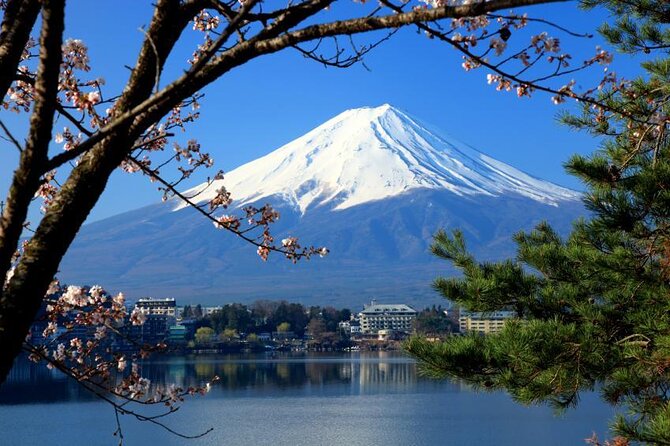
- Hotel pickup and drop-off mean you start calm and finish back at your Tokyo hotel.
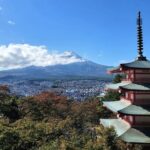
- Arakura Fuji Sengen Shrine gives that iconic pagoda + Fuji photo setup, plus pilgrimage context.
- 5th Station at about 2,300 meters is the closest, most dramatic viewpoint this day can offer.
- Oshino Hakkai adds traditional thatched rooftops and spring-water ponds for a slower, pretty break.
- Lake Kawaguchiko choice time lets you pick one: Fuji ropeway, an art museum, or a sake brewery.
- English-speaking guide keeps things understandable on routes, etiquette, and what you’re seeing.
A private Fuji day beats DIY when time matters
Mt. Fuji is one of those places where the details change the whole experience. Clear views can be a gamble, and the logistics from Tokyo are not always fun—especially if you’d rather spend your energy on the mountain than buses, trains, and transfers.
This tour is designed for a straightforward day: you get a private, air-conditioned vehicle and an English-speaking guide. That matters because the day includes multiple sites with different rules and rhythms. At a shrine, you’ll want to know what to do (and what not to do). At 5th Station, you’ll want to time your walk and photos based on visibility. A good guide helps you get your bearings fast and avoid wasted time.
The pricing is definitely not cheap at $846.98 per person. But because it’s private, includes hotel pickup/drop-off, an English guide, and lunch, it can add up to good value if you’re traveling as a small group or you want a low-stress, all-in-one day rather than stitching together multiple tickets and transit plans.
You can also read our reviews of more private tours in Tokyo

7:00 am pickup and the drive out of Tokyo
Your day starts early, with a 7:00 am departure and hotel pickup. That early start is a quiet advantage: it gives you more chances to hit viewpoints before the crowds thicken or the weather turns.
The ride is private and air-conditioned, which helps a lot if the day is cold or rainy. Fuji-area weather can be sharper than Tokyo, and the tour info even flags that you may need an extra jacket. Comfortable shoes also matter because you’ll be walking at several stops, even if none of it is extreme trekking.
Because this is a private tour, you also control the pace more than on a group bus. You won’t be stuck waiting for slow walkers to catch up or rushed by people who only want the photo and leave.
Arakura Fuji Sengen Shrine: pagoda views and simple etiquette
Your first stop is Arakura Fuji Sengen Shrine, known for a classic view of Mt. Fuji framed by the pagoda. You’ll have about an hour here, and admission is free.
Why this stop works so well:
- It’s one of the most photogenic shrine setups for Fuji without needing climbing gear.
- The guide can explain what you’re seeing in real terms—like why this shrine is part of pilgrimage traditions and how people historically connected the mountain to spiritual practice.
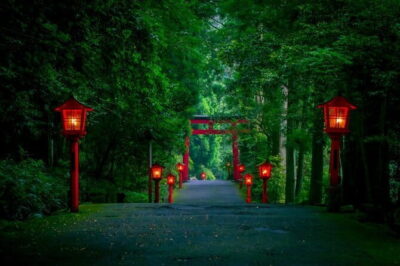
- The shrine setting helps you transition from city energy into mountain calm. It feels like a proper start, not just a quick roadside photo.
Shrines do come with basic expectations. The tour info calls out moderate clothing requirements: knees and shoulders should be covered. If you forget, you might have a harder time than you’d expect, so I’d treat this as a firm rule, not a suggestion.
If you’re lucky with timing and weather, you’ll get that iconic view. If not, you still get the shrine experience—plus a chance to understand the place before you chase higher viewpoints.
Mt. Fuji 5th Station at 2,300 meters: the big moment
Next comes Mt. Fuji’s 5th Station, around 2,300 meters up. Admission is included and you’ll usually have about 30 minutes at this altitude-focused viewpoint.
This is the part of the day people remember. Even in imperfect weather, being up there changes the feel of the mountain. You’re not just seeing Fuji in the distance—you’re stepping into the zone where the environment around the volcano becomes part of the story.
Two practical things to know:
1) Access can be limited by conditions.
The tour info is clear that the 5th Station may be unavailable due to weather. If that happens, the tour will ascend only to the highest point allowed. So you’re not left stranded—you’re redirected to what’s realistically open.
2) Season matters.
Mt. Fuji 5th Station is closed from mid-December to late April due to snow. During that period, the plan changes, with alternatives such as the Fuji Panorama Ropeway. That means you’ll still get a mountain-focused payoff, but it won’t be the same exact “5th Station walk” experience.
In the field, clear skies are the dream. But if clouds or rain roll in, don’t assume the day is a loss. You’ll still have shrine context, lake views below, and the chance to get something real—just maybe not the crispest version of Fuji.
One more tip: Fuji-area weather can flip fast. Check conditions the night before and pack an extra layer. It’s an easy move that can save you from standing around at altitude in discomfort.
Oshino Hakkai: spring-water ponds and thatched roofs
After the higher viewpoint, you drop down toward a more relaxed, cultural stop: Oshino Hakkai. You’ll spend about 30 minutes here, and admission is free.
This stop is a good contrast to the mountain peak. Instead of height and weather, you get something steadier: spring-water ponds associated with Fuji and traditional farm-like buildings with thatched roofs.
What you’ll enjoy here:
- It’s a quieter photo break after the more intense altitude moment.
- The ponds and historic-style buildings help you see how everyday life connects to Fuji, not just how tourists chase views.
- It’s enough time to walk, look, and absorb without turning into a long detour.
The downside? If weather was rough at the 5th Station, you may arrive with less enthusiasm. Oshino Hakkai helps reset the mood, but you’ll still want comfortable shoes and a bit of patience.




Lake Kawaguchiko: choose one activity to match your mood
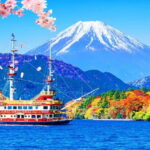
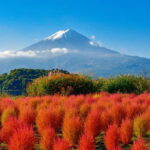
Lake Kawaguchiko is the final major area on the day, and it’s where the “from above” feeling transitions to “from below.” You’ll also have about an hour here, and this is a choose-one moment.
You can select one inclusion:
- the Fuji panoramic ropeway, or
- Ichibu Kubota Art Museum, or
- Ide Sake Brewery.
You need to tell the operator ahead of time so they can line things up for you.
How to choose:
- Pick the ropeway if you want more views and you want to keep chasing perspectives of Fuji and the lake.
- Pick the art museum if you’d rather slow down and focus on an indoor break or a calmer setting.
- Pick the sake brewery if you like something hands-on and cultural, especially if you enjoy local food-and-drink stops.
If the weather is cloudy, the ropeway may still be worth it for the experience of moving up and getting a wider sweep of the lake area—though you won’t control visibility. If it’s clear, all three options can feel satisfying because Lake Kawaguchiko is simply a great place to end the day.
Lunch and guiding style: what makes the day feel effortless
You’ll have lunch at a local restaurant, and lunch is included. The value of that isn’t just the meal—it’s the timing. A packed day like this needs food that doesn’t take forever, and it’s one less variable you have to manage while you’re trying to catch the mountain.
Guides also matter here. In the experience reports tied to this tour, people highlighted guides such as Machiko, Silvia, Meg, and Yuka Yoshida for being strong in English and for handling shrine moments with care. If you get a guide with that kind of approach, you’ll likely feel more confident around etiquette and the meaning of what you’re seeing.
One note: some shrine experiences can involve optional participation moments. You might find that you have an opportunity to take part in a ceremony or request a blessing depending on what’s happening that day. If that’s important to you, it’s worth asking your guide what’s realistic once you arrive.
Price and logistics: is $846.98 per person worth it?
Let’s talk value plainly. At $846.98 per person, this is a premium day. You’re paying for:
- private, air-conditioned transportation
- hotel pickup and drop-off
- an English-speaking guide
- lunch included
- admission fees covered for specific stops (like the 5th Station, plus included access for the chosen Lake Kawaguchiko option)
This makes the math most favorable if:
- you’re traveling as two or more people and can split the private-vehicle advantage across your group
- you want to avoid public transit transfers and keep your day tightly timed
- you care about understanding what you’re seeing (the guide’s role isn’t just translation—it’s context and routing decisions)
If you’re the type who enjoys planning routes, you can DIY Fuji from Tokyo cheaper. But you’ll trade that savings for more moving parts—more chances for delays, and less flexibility if visibility changes.
Also note that this tour is often booked about 78 days in advance on average. If your travel dates are fixed, earlier booking helps.
Should you book this Mt. Fuji and Kawaguchiko private tour?
I’d book it if you want a focused Fuji day without transit stress, and you value an English-speaking guide who can help you move through shrines and viewpoints with confidence. It’s especially a smart choice for couples, families with teens (minimum age is 12), and anyone who doesn’t want the day to feel like a checklist.
I’d think twice if your top goal is only one specific outcome—like a perfect 5th Station view on a specific day—because visibility and access can change. But the itinerary is built with alternatives in mind, including weather-sensitive adjustments and winter closures.
If you want Fuji with the least friction and the most clarity, this is a strong fit. Pack a layer, wear good shoes, and keep your expectations flexible—then enjoy the mountain.
FAQ
What time does the tour start?
The tour starts at 7:00 am.
How long is the day trip?
It runs about 10 hours.
Does the tour include hotel pickup and drop-off?
Yes. Hotel pickup and drop-off in Tokyo are included.
Is there an English-speaking guide?
Yes, the guide is English-speaking.
What meals are included?
Lunch at a local restaurant is included. Food and drinks other than lunch are not included unless specified.
What stops are included during the day?
The main stops are Arakura Fuji Sengen Shrine, Mt. Fuji 5th Station, Oshino Hakkai, and Lake Kawaguchiko (with one included option chosen in advance).
Is Mt. Fuji 5th Station guaranteed?
No. Access may be unavailable depending on weather conditions, and the tour will ascend only to the highest point allowed. Also, 5th Station is closed from mid-December to late April, and the itinerary changes during that period.
What should I wear?
Wear comfortable walking shoes. For temples and shrines, bring clothing that covers knees and shoulders. The tour also advises checking weather the night before because you may need an extra jacket.
Can I choose what to do at Lake Kawaguchiko?
Yes. You can choose one inclusion: the Fuji panoramic ropeway, Ichibu Kubota Art Museum, or Ide Sake Brewery. You should inform the operator ahead of time so they can arrange it.
What is the cancellation policy?
You can cancel up to 6 days in advance for a full refund. Canceling 2–6 days before gives a 50% refund, and canceling less than 2 days before does not receive a refund. The experience can also be canceled due to poor weather, with a different date or a full refund offered.