REVIEW · TOKYO
Tokyo Car Meet JDM Experience in Daikoku
Book on Viator →Operated by Mukarram Muhammad · Bookable on Viator
Car culture meets Tokyo street life. This private Daikoku Futo outing is built around real modified cars, not staged photos, with a guide who brings context to Japan’s JDM scene. I especially like the mix of time on the legendary highway car-spotting area and the quick, practical stop at A-PIT Super Autobacs, where you see how the parts and service world supports the scene. One thing to consider: the plan needs good weather, and a few stops are short, so you’ll want to be ready to move.
You also get real convenience: hotel pickup and drop-off, an air-conditioned vehicle, and free Wi‑Fi so you can share what you’re seeing. For families or groups with different interests, the structure helps too, with car time first and then Tokyo landmarks for contrast. The private format means only your group rides along, which keeps the vibe focused and easier to manage.
In This Review
- Key things to know before you go
- Daikoku Futo at your pace: highway legend, real cars
- A-PIT Super Autobacs: where JDM meets parts and service culture
- Rainbow Bridge by car: quick Tokyo Bay contrast, day or night
- Shibuya Crossing: 30 minutes of Tokyo energy
- Private Tokyo hotel pickup and drop-off: less friction, more looking
- Your guide, Mukarram Muhammad: turning cars into context
- Price and value: what $115 buys you in Tokyo time
- Who should book this JDM car meet day
- Should you book Tokyo Car Meet JDM Experience in Daikoku?
- FAQ
- How long is the Tokyo Car Meet JDM Experience in Daikoku?
- Is hotel pickup and drop-off included?
- What’s included in the price?
- Are admission tickets required for the stops?
- Is this a private tour?
- Is there Wi‑Fi during the tour?
- What if the weather is bad?
- What is the cancellation deadline for a full refund?
- Is dinner included?
Key things to know before you go
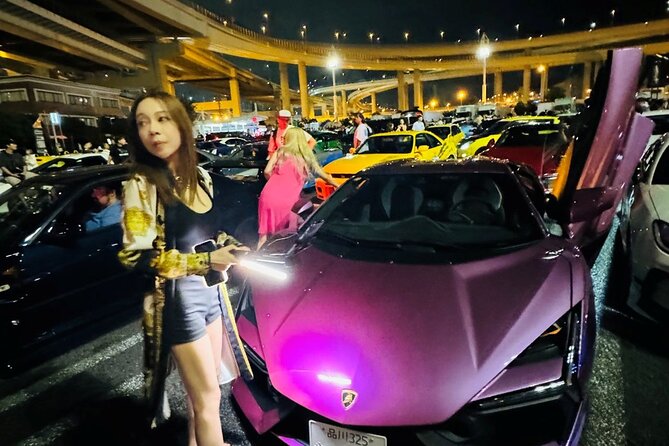
- Daikoku Parking Area for 2 hours gives you time to walk around, spot different builds, and enjoy the atmosphere linked to Wangan Midnight.
- A-PIT Super Autobacs (Shinonome) is a parts-and-service specialty stop tied to the Autobacs Group, a key player in car ownership culture.
- Rainbow Bridge by car is a quick photo moment, white by day and color-lit at night with solar-powered lights.
- Shibuya Crossing stop (30 minutes) keeps energy high and helps you pair car culture with classic Tokyo city life.
- Private tour with hotel pickup and drop-off plus free Wi‑Fi means less waiting and more time looking.
Daikoku Futo at your pace: highway legend, real cars
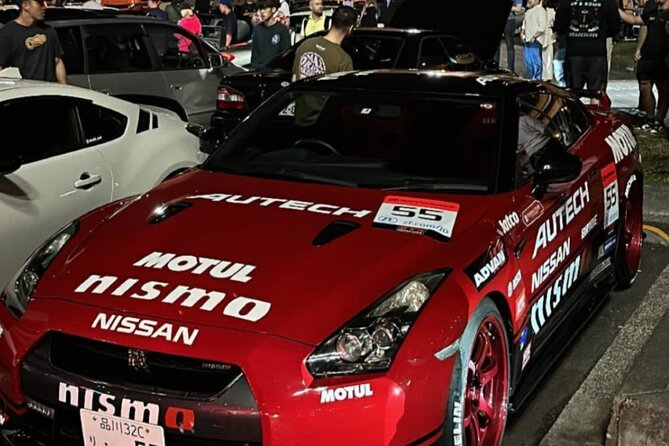
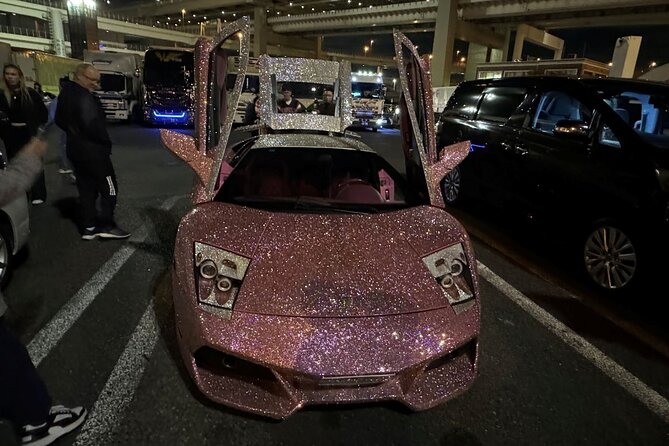
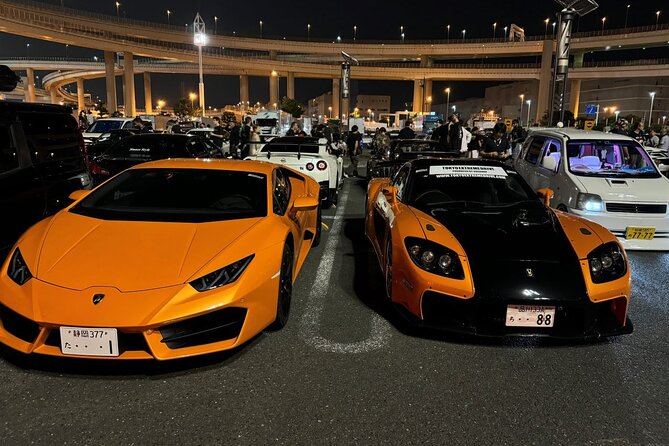
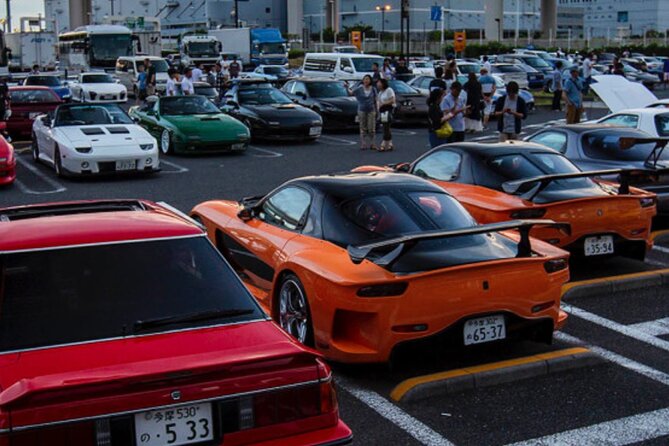
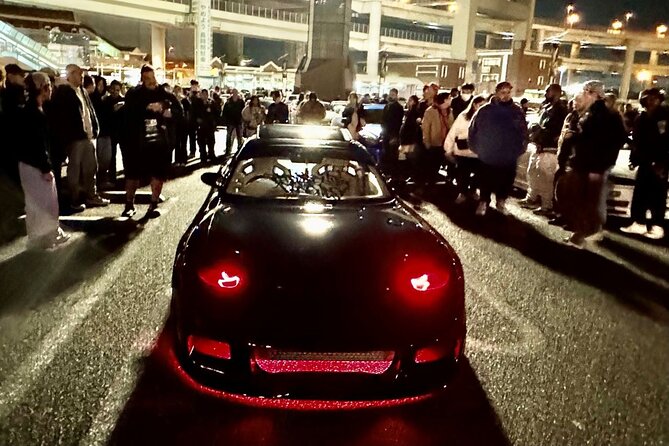
Daikoku Futo is one of those places where the name alone carries weight in Japan’s car world. It sits on a long straight highway connecting Tokyo and Yokohama, a route that became famous through ’90s street racing stories and the manga Wangan Midnight. On this tour, you get about two hours here, which matters because you’re not just driving past the buzz.
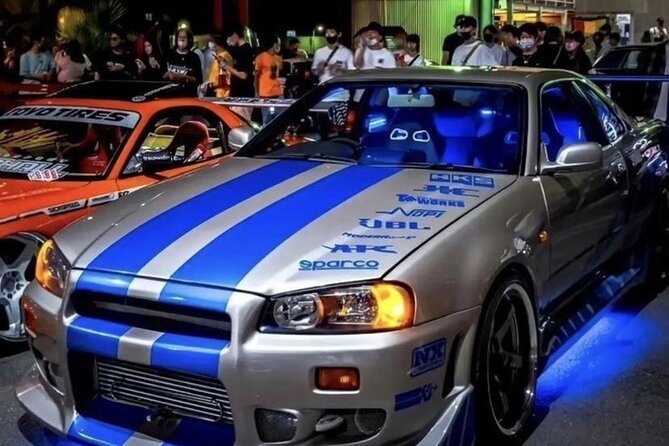
What I like about this stop is that the goal is car-spotting and scene-watching, not a checklist. You’ll have time to move around and notice details in the builds—stance, wheels, aero, and the kinds of modified parts that tell you what a car owner values. If your group includes people who aren’t hardcore into cars, this still works because you’re seeing the city’s living subculture in a very visual way.
The main consideration is timing and weather. The tour description explicitly calls for good weather, and car-spotting experiences feel worse when it’s cold, rainy, or windy. If conditions are questionable, you might be offered a different date or a refund, so don’t ignore that weather note when you’re planning.
Practical tip: wear shoes you can stand in for a while. Even with a set two-hour window, you’ll walk more than you expect, especially if you’re photographing cars from multiple angles.
You can also read our reviews of more tours and experiences in Tokyo.



A-PIT Super Autobacs: where JDM meets parts and service culture
After Daikoku, you shift from street-scene energy to a more everyday “how cars live” setting at A-PIT Super Autobacs. This location is in Shinonome, Koto-ku, and it’s described as a car parts and service specialty store under the larger Autobacs Group. That connection matters because it’s not just a shop window stop. It’s part of the ecosystem that keeps modifications running in real life.
This is only about 30 minutes, so go in with the right mindset: you’re not shopping the whole store, you’re observing the car ownership culture that sits underneath the flashy meets. You’ll likely notice how parts and maintenance tie into the scene, and that helps you understand why certain brands and setups show up repeatedly.
If you’ve ever wondered how people go from a dream build to a working, street-ready car, this stop gives you context. It answers the quiet question behind the loud visuals: where do the parts, tools, and service support come from?
Drawback to keep in mind: because the time is short, don’t expect a full guided “shopping spree.” Bring curiosity, not a long wish list, unless you plan to follow up on your own later.
Rainbow Bridge by car: quick Tokyo Bay contrast, day or night
Next comes a simple but effective change of pace: crossing Rainbow Bridge by car. It’s a suspension bridge linking Shibaura Wharf and the Odaiba district in Tokyo Bay. The tour description highlights the visual contrast—white during the day, then lit up with colorful lights after dark using solar power.
This stop is less about car culture and more about keeping your trip grounded in Tokyo’s geography. You’ll get a sense of how the bay area connects to the rest of the city, and you’ll likely get a few clean photo angles without needing to fight crowds on foot.
What you should watch for is time of day. If it’s earlier, the bridge will read as bright and clean; if you’re crossing later, the lights can make it feel like a moving city postcard. Either way, it’s a nice breather between the intensity of Daikoku and the neon pressure of Shibuya.
If your group is very photo-focused, ask your guide what side to watch from during the crossing. You’ll save time and avoid scrambling for the best moment.
Shibuya Crossing: 30 minutes of Tokyo energy
Shibuya Crossing is the final city hit, timed to about 30 minutes. The area around Shibuya Station is famous for flashing neon advertising, trendy boutiques, and heavy foot traffic. The vibe can feel like sensory overload, which is exactly why this tour keeps the stop short.
Here’s how to make it work: treat Shibuya as a “feel it and photograph it” window, not a slow wander. With only half an hour, you’ll get more out of setting a couple photo targets than trying to see everything. If your group includes car fans who want to compare Tokyo’s modern street fashion energy with the car-meet energy, this pairing works surprisingly well.
Practical tip: agree on a meeting spot before you step out. Shibuya is active, and it’s easier when you have a clear regroup point.
Private Tokyo hotel pickup and drop-off: less friction, more looking
One of the best parts of this experience is that it’s structured for comfort and convenience. You get hotel pickup and drop-off, travel in an air-conditioned vehicle, and there’s a water bottle included. The vehicle also has free Wi‑Fi, which is useful if you’re sending photos in real time or sharing your finds with friends back home.
Why that matters: JDM spots can be hard to plan around if you’re doing it solo. With pickup, you skip the “how do we get there, and where do we park” stress. With drop-off, you avoid the end-of-day scramble when you’re tired and hungry.
The private format also means your guide can adjust pacing to your group. That’s a real value difference from the big multi-group tours where you have to keep up with strangers.
Also worth noting: the tour uses a mobile ticket, so you’ll want your phone charged. That’s small, but it’s one of those details that prevents annoyance.






Your guide, Mukarram Muhammad: turning cars into context
This experience is led by Mukarram Muhammad, and the tour description emphasizes an expert guide who shares insider knowledge of Japan’s car culture and history. That matters because Daikoku can look like pure spectacle unless someone helps you connect what you’re seeing to why it exists.
In a good guide-led tour, you don’t just get facts. You get better noticing. You start to spot patterns: what different builds signal, how enthusiasts think about performance and appearance, and how the scene grew from street culture into an organized subculture.
The trip also has a family-friendly logic. One of the standout themes in the feedback is that it works as a “surprise highlight” even for people who aren’t the main car enthusiast. That’s usually the sign of a guide who can translate the scene without talking over non-experts.
If your group includes teens or tweens, this format can be a strong fit because it gives them a clear, visual activity with momentum rather than long museum-style stops.
Price and value: what $115 buys you in Tokyo time
At $115 per person for about 5 hours, this is priced like a private specialty activity. The big value comes from bundling several costly and time-consuming parts into one plan: door-to-door pickup, an air-conditioned vehicle, guide time, and entry being handled for the relevant stops.
You also have multiple planned segments with no admission ticket fees listed for the stops that include tickets. That makes your overall spend feel more predictable than a “DIY day” where you add trains, taxis, and paid attractions on top.
Is it worth it? If you care about cars and want a focused day that doesn’t require heavy planning, yes. The tour saves you effort and gives you access to the car-scene atmosphere at Daikoku plus Tokyo landmarks like Rainbow Bridge and Shibuya Crossing—so you don’t need a second plan to see the city.
If your group is only mildly interested in cars, you may feel the time at Daikoku is “the main event” and the other stops are shorter. In that case, you might still enjoy it, but keep expectations realistic about how much of the day is car-focused.
Who should book this JDM car meet day
This is a strong match if you’re any of the following:
- A car fan who wants Daikoku Futo time rather than a quick photo stop.
- Someone who enjoys the “scene” behind things—how parts stores and car culture connect.
- A group with mixed interests, because the itinerary includes city icons after the car segment.
- Parents traveling with kids who like cars and might enjoy high-energy urban stops like Shibuya Crossing.
You might want to rethink if:
- Your group hates standing and walking in public viewing areas.
- Weather could be a problem during your dates.
- You want a full day with dinner included. Dinner is not included, so plan to eat on your own after the tour ends.
Should you book Tokyo Car Meet JDM Experience in Daikoku?
I’d book this if you want one guided day that mixes real JDM atmosphere with recognizable Tokyo sights, without you doing route math all morning. The private setup, hotel pickup, air-conditioned comfort, and free Wi‑Fi add up in a practical way, especially for families or anyone who doesn’t want transit stress.
If you’re flexible on weather and your group genuinely likes cars—or at least is open to seeing why other people are passionate—this is the kind of Tokyo experience that can land as a trip highlight. If you’re the type who needs long, slow sightseeing blocks or included meals, you may find the pacing too short and the gaps too much on you.
FAQ
How long is the Tokyo Car Meet JDM Experience in Daikoku?
It runs for about 5 hours (approx.).
Is hotel pickup and drop-off included?
Yes. Pickup is offered, and the tour includes hotel pickup and drop-off.
What’s included in the price?
Included items are an air-conditioned vehicle and a water bottle.
Are admission tickets required for the stops?
Admission tickets are listed as free for the stops shown in the schedule (including Daikoku Parking Area and A-PIT Super Autobacs).
Is this a private tour?
Yes. It’s private, so only your group participates.
Is there Wi‑Fi during the tour?
Yes. The vehicle includes free Wi‑Fi.
What if the weather is bad?
The experience requires good weather. If it’s canceled due to poor weather, you’ll be offered a different date or a full refund.
What is the cancellation deadline for a full refund?
You can cancel up to 24 hours in advance for a full refund.
If you cancel less than 24 hours before the start time, the amount paid is not refunded.
Is dinner included?
No, dinner is not included.
![[Self-Drive] Tokyo & Daikoku Custom Car Driving Tour - Shibuya Crossing: Scramble Chaos, With You in Control](https://e.thetokyoexplorer.com/wp-content/uploads/self-drive-tokyo-daikoku-custom-car-driving-tour-400x400.jpg)