REVIEW · TOKYO
Kamakura Full Day Tour with Licensed Guide and Vehicle from Tokyo
Book on Viator →Operated by Japan Guide Agency · Bookable on Viator
Kamakura feels like a switch flips from Tokyo noise to quiet ritual. What I like most here is the licensed English guide who helps you move fast, and the private vehicle that keeps the day efficient (and less exhausting than trains plus walking). One real consideration: the quality of English communication can vary by guide, so if clear explanations matter to you, plan to confirm that before you go.
This is built for people who want the highlights in one day—sea air included. You’ll tour iconic temples and shrines, then wind down with Komachi Street shopping and snacks, with an optional beach stop for ocean views. Just know that traffic can shuffle timing, so you’ll want a relaxed attitude about exact arrival orders.
In This Review
- Key highlights worth planning around
- Why a private car makes Kamakura easier from Tokyo
- Your guide experience: what English support should feel like
- Hasedera Temple: Kannon in wood and garden views
- Kotoku-in Great Buddha: the icon you’ll remember
- Kencho-ji Zen temple walking, then Hokoku-ji bamboo calm
- Tsurugaoka Hachimangu: samurai patron shrine energy
- Yuigahama Beach and Komachi Street: ocean air, then snack and shopping time
- Eisho-ji near the shrine: a short, peaceful send-off
- Price and value for a group up to four
- Practical tips before you go (and what to expect if traffic shifts)
- Should you book this Kamakura full day tour?
- FAQ
- What is the duration of the Kamakura day tour?
- How many people can be in a group?
- Does the tour include pickup from Tokyo?
- Is there an English-speaking guide included?
- How many stops will I visit?
- Are temple and shrine entrance fees included?
- Is lunch included?
- What should I know about car seats or accessibility for kids?
- Is good weather required?
Key highlights worth planning around
- Licensed local English guidance for temples, shrines, and the stories behind them
- Private vehicle + pickup to cut transit time and avoid rail transfers
- Garden and statue focus, from Hasedera’s Kannon to the Great Buddha at Kotoku-in
- Zen calm with bamboo, especially Hokoku-ji’s bamboo grove and matcha tea break
- Food and shopping time on Komachi Street, including local treats like hatosabure
- A flexible “choose your sites” setup, so you can tailor the day to your pace
Why a private car makes Kamakura easier from Tokyo
Kamakura is close to Tokyo, with about an hour of travel time. The big win is the private car. You’re not stuck with tight train schedules, station transfers, and then a long walk to reach the day’s first temple. Instead, you get picked up and dropped through the day like it’s one smooth loop.
That efficiency matters because Kamakura’s attractions are spread out. You’ll spend your energy on seeing things, not figuring out routes. And because timing can shift with traffic, the driver-and-guide setup helps you adapt on the fly.
You should also know the vehicle type can’t be requested. That’s usually fine, but if you have specific comfort needs, ask questions early. For many people, the car is the difference between a “great plan” and a “great day.”
You can also read our reviews of more guided tours in Tokyo
Your guide experience: what English support should feel like
This tour includes a government-licensed local English-speaking guide. That’s important because Kamakura’s temples and shrines aren’t just pretty backdrops—they’re layered with meaning. A good guide helps you understand why statues look the way they do, why certain gates matter, and how the different places connect to Japan’s samurai and Zen eras.
In the best scenarios, guides come prepared with a clear flow for the day. One guide named Kei was described as efficient with smart pacing, and another guide named Yoshi was noted for mapping out an agenda with the most representative sights.
A quick caution: one low-rated experience flagged that the guide’s English was difficult to understand. So if you need detailed explanations in English, don’t assume the language will land perfectly. If possible, message ahead with what kind of guidance you want (history basics vs. deeper storytelling) and whether you prefer slower, clearer phrasing.
Hasedera Temple: Kannon in wood and garden views
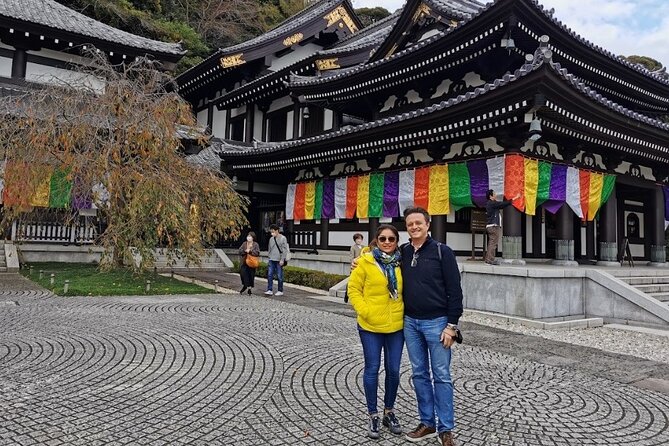
Hasedera (長谷寺) is one of the most visually memorable stops in Kamakura. You’ll spend about an hour here, and the center of attention is the temple’s Kannon statue—a 9.18-meter gilded wooden figure associated with the goddess of mercy. The statue is housed in the Kannon-do Hall, where you can see it directly.
The temple is also famous for atmosphere: gardens, paths, and the kind of views you only get when a temple is positioned for it. Even if you’re not the type to go deep on religious art, Hasedera is easy to enjoy because the main sculpture is so specific and so large that it gives you an immediate “wow, that’s real” moment.
One practical note: admission isn’t included. If you’re budgeting, plan on paying entry fees across multiple sites. Still, Hasedera tends to be worth it because it’s not just a quick photo stop—it’s a whole experience of space, sculpture, and calm.
Kotoku-in Great Buddha: the icon you’ll remember
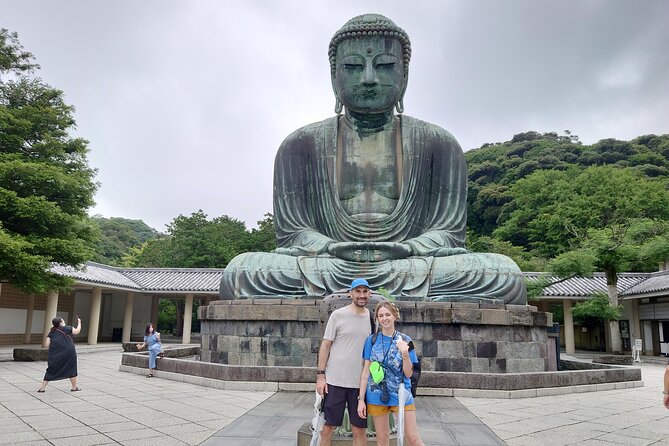
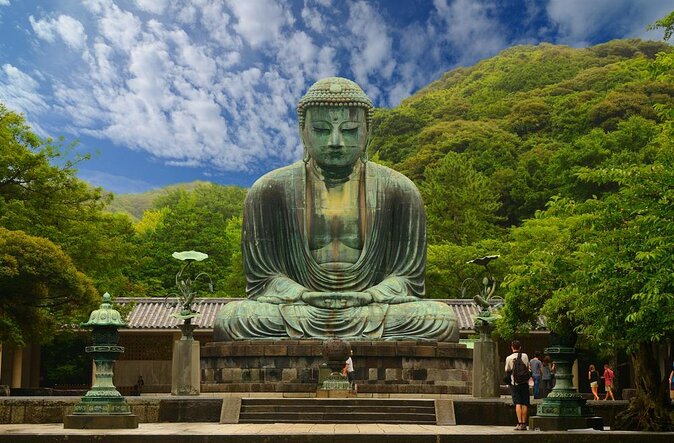
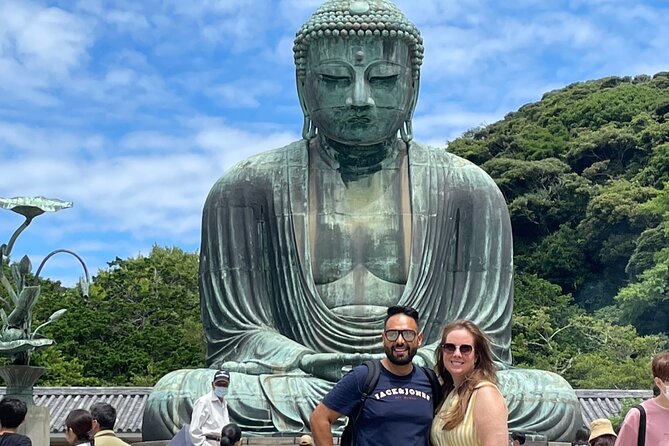
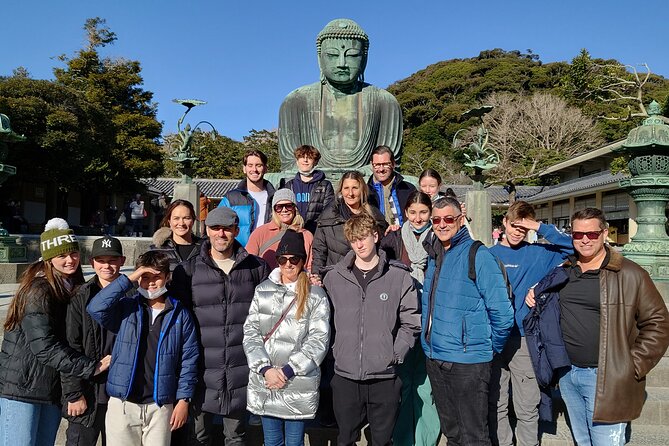
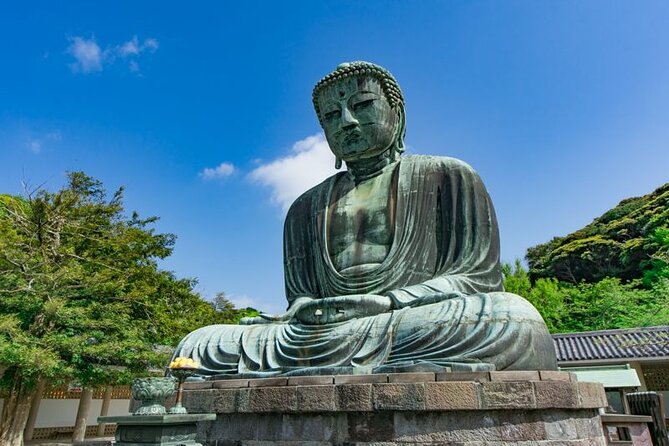
At Kotoku-in Temple, you’ll see the Great Buddha of Kamakura (鎌倉大仏). This is the kind of place where the ticketed lines in your mind are already forming before you even arrive. The statue is 11.4 meters tall, a bronze Amida Buddha that has long been associated with Kotoku-in.
This stop is about an hour. What makes it special is that you’re viewing a huge national icon in a setting that feels distinctly Kamakura—temple grounds rather than a museum box. It’s also a strong contrast to Hasedera: one focuses on a large wooden Kannon image, the other on a monumental bronze Buddha.
Again, admission isn’t included, so add that to your planning. If you’re choosing only a few stops, Kotoku-in is the one that many people treat as non-negotiable.
Kencho-ji Zen temple walking, then Hokoku-ji bamboo calm
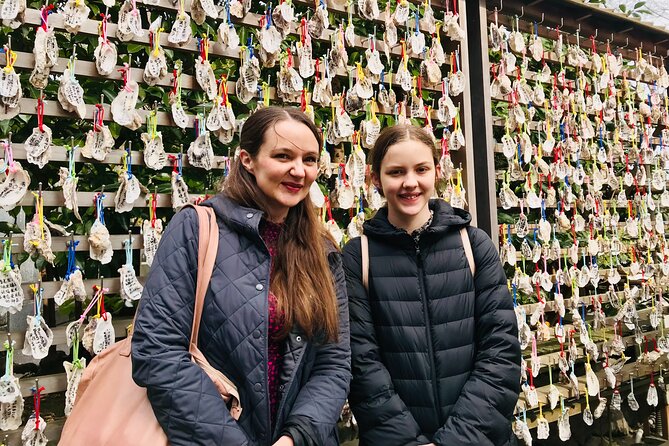
Kenchōji (建長寺) is often described as the number one of Kamakura’s five great Zen temples. You’ll likely spend around 30 minutes, and it’s a great option when you want Zen without turning the day into a long hike marathon.
Founded in 1253 by Hojo Tokiyori, Kencho-ji is the oldest Zen temple in Kamakura. Even today, it stretches from the entrance gate through the valley and into the hills. After passing the Sanmon main gate, you’ll see the temple bell (Bonsho), which is designated a national treasure. That gives you something concrete to look for and a reason to slow down.
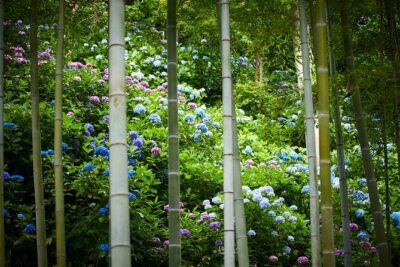
Then comes Hokoku-ji. This is where the pace can feel smoother, almost like your feet start moving quieter. The bamboo grove behind the main hall features over 2,000 dark green bamboo stalks. Narrow pathways lead you through the bamboo to a tea house, where you can enjoy matcha tea for a small fee.
There are also shallow caves carved into the hillsides behind the temple. They’re believed to hold ashes of later Ashikaga lords, which adds a different kind of pull besides the scenery.
If you’re the sort of person who loves one place for its quiet and another for its architecture, this pair works really well together.
You can also read our reviews of more tours and experiences in Tokyo


Tsurugaoka Hachimangu: samurai patron shrine energy
Tsurugaoka Hachimangu Shrine is dedicated to Hachiman, patron god of the Minamoto family and samurai in general. The shrine also enshrines deified spirits identified with Emperor Ojin (often linked to Hachiman), along with Hime-gami and Empress Jingu.
You’ll spend about an hour here. The reason this stop matters is context. Kamakura’s temples and shrines aren’t random—they connect to the samurai world that shaped the town. If you want your day to feel like one coherent story, this is the place that helps the story click.
The best part for practical travelers: admission is free here. That means you can keep one less cost line open and focus on enjoying the shrine grounds.
Yuigahama Beach and Komachi Street: ocean air, then snack and shopping time
Not every Kamakura day includes a beach stop, but Yuigahama Beach is an easy add-on when you want a reset. It’s one of Kamakura’s main beaches, and it’s flat and large. The tradeoff is crowding, and it can feel busy during peak hours. You’ll only have about 30 minutes, so treat it as a breath of sea air rather than a long beach day.
It’s also convenient because it’s just a short walk from Kamakura Station. That proximity makes it practical when you’re trying to keep the whole day efficient.
Then there’s Komachi Street (Komachi-dori), which runs parallel to Wakamiya Oji from the area near Kamakura Station toward Tsurugaoka Hachimangu. Expect shopping and places to grab a meal. You’ll have about an hour here, and admission is free.
This is where local snacks become part of the memory. You can look for hatosabure—dove-shaped biscuits—plus plenty of other bite-sized temptations. If you’re hungry, this is also a solid moment to pick a lunch you’ll actually enjoy. One person’s day included buckwheat noodles served with hot soup on Komachi Street, made on-site. Another mentioned sushi at a typical Japanese restaurant nearby. Since lunch isn’t included, your car-and-guide setup basically gives you a convenient window to eat well without hunting too hard.
Eisho-ji near the shrine: a short, peaceful send-off
Eishō-ji (英勝寺) is a quieter closer: about 10 minutes in typical timing. It’s known as the only surviving nunnery in Kamakura and is often called a flower temple because of seasonal blooms.
You can find a peaceful bamboo grove here, plus a graceful Amida Buddha statue said to be by the sculptor Unkei. That combination—small-scale calm plus a named artistic connection—makes it a nice way to end the religious circuit without feeling rushed.
Because the time here is short, it’s ideal as a “soft landing” after temples and shops. You’ll likely feel more rested leaving than arriving.
Price and value for a group up to four
The price is $1,026.90 per group (up to 4) for about 8 hours including travel time. That’s not cheap on a per-person basis if you’re traveling solo. But in a group, it can become a practical value because you’re paying for a private vehicle and a licensed English guide.
For many readers, the value equation looks like this:
- You’re paying to replace multiple transit problems with one car-and-guide solution.
- You’re buying time, which matters when you want to see several highlights in one day.
- You’re paying for context, which can turn photos into understanding.
Also, note the tour is booked around 18 days in advance on average, which suggests people plan this as a planned day-trip rather than a last-minute thing. If you’re flexible on dates, you may still find openings later, but it’s smart to book when you’re confident about your Japan schedule.
Practical tips before you go (and what to expect if traffic shifts)
Tours like this are weather-dependent. If conditions aren’t good, you may need to switch dates or get a refund, so build your plans with a little slack.
Traffic can also affect timing, and the tour notes that details may change due to road conditions. My advice: think of the day as a set of priorities, not a strict checklist. If you’re choosing the sites, decide what you’d be happiest to see even if one stop runs short.
A few other real-life notes:
- Entrance fees and lunch are not included. Budget for site tickets across multiple stops.
- The guide’s entry fees are covered only for sights on the list you choose, so keep your selection tight.
- Pickup is offered, and you’ll use a mobile ticket.
- If you need car seats: options are limited to car seats/booster seats, and rear-facing car seats aren’t available. Contact the provider directly if you have a specific need.
Should you book this Kamakura full day tour?
Book it if you want an efficient Kamakura highlights day from Tokyo, especially with a group of up to four. It’s a strong fit for first-timers who care about seeing the big icons (like the Great Buddha) and also want calmer pauses (like Hokoku-ji’s bamboo and matcha).
Pass or consider other options if you’re traveling solo on a tight budget, or if you strongly need very detailed English explanations and want high confidence that every sentence will land clearly. In that case, it’s worth clarifying expectations with the provider before you pay.
If you’re excited to mix temples, gardens, and a little sea air—without spending your day bouncing between stations—this is a smart way to do it.
FAQ
What is the duration of the Kamakura day tour?
The tour runs about 8 hours, and that total duration includes travel time from Tokyo.
How many people can be in a group?
The tour is priced per group for up to 4 people.
Does the tour include pickup from Tokyo?
Pickup is offered, and you’ll receive a mobile ticket.
Is there an English-speaking guide included?
Yes. The tour includes a licensed local English-speaking guide.
How many stops will I visit?
You choose a customizable tour of your choice of 3-4 sites from the available options.
Are temple and shrine entrance fees included?
No. Entrance fees are not included, except that one stop (Tsurugaoka Hachimangu) is listed as free.
Is lunch included?
Lunch is not included, so you’ll need to plan your own meal time during the day.
What should I know about car seats or accessibility for kids?
There are limited car seats and booster seats, and rear-facing car seats are not available. Contact the provider directly if you need specific child seat support.
Is good weather required?
Yes, this experience requires good weather. If it’s canceled due to poor weather, you’ll be offered a different date or a full refund.