REVIEW · TOKYO
Tokyo’s Neighborhood Digs: Coffee, Records & Vintage Vibes
Book on GetYourGuide →Operated by Pinpoint Traveler · Bookable on GetYourGuide
Tokyo can feel like one giant maze. This tour turns it into a set of small, walkable worlds across four neighborhoods, each with its own look, shop style, and backstory.
What I really like is the mix of shopping and street-level storytelling, so you understand why Shimokitazawa shops look the way they do and why Koenji culture developed the way it did. I also like that coffee is included, which makes the Kichijoji stop feel like a real break, not just another photo stop.
One possible drawback: you cover a lot in only 4 hours, so if you’re the type who needs time to slow-browse everything, you’ll want to keep your pace up and plan for personal shopping time to be limited.
In This Review
- Key things I’d watch for
- Starting at Shimokitazawa Station and getting your bearings fast
- Shimokitazawa: post-war reinvention, thrift finds, and indie creativity
- Kichijoji coffee and the laid-back side of Tokyo’s economy story
- Koenji: indie shops, changing norms, and why tattoo culture is part of the story
- Nakano Broadway for anime, manga, and vintage camera collecting
- Price and value: is $83 worth it for four neighborhoods?
- What the guide adds: personal, flexible, and practical
- Timing and walking tips so you don’t feel rushed
- Who this tour is perfect for (and who should skip it)
- Should you book this Tokyo neighborhood tour?
- FAQ
- How long is the tour?
- Where does the tour start?
- What neighborhoods are included?
- Is coffee included?
- What is included in the price?
- What is not included?
- What should I bring, and what should I avoid?
- Is it accessible for wheelchair users or people with mobility impairments?
Key things I’d watch for
- Small-hours tour rhythm across Shimokitazawa, Kichijoji, Koenji, and Nakano
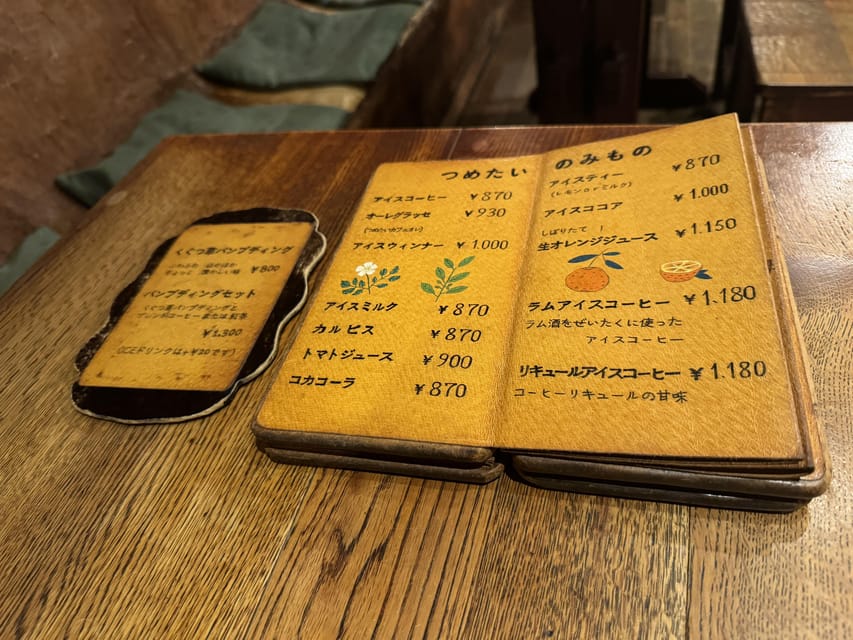
- Included coffee in Kichijoji at a local cafe
- Vintage and indie shop access with a guide to help you find the good stuff
- Subculture history explained in plain language as you walk
- Anime and camera hunting at Nakano Broadway
- English-speaking guide who can adjust as you go (based on past guest experiences)
Starting at Shimokitazawa Station and getting your bearings fast
I like tours that help you stop guessing. This one starts at Shimo-Kitazawa Station (Odakyu Line East Exit), right where the neighborhood begins to show its character. In practical terms, that means you’re not spending your first hour figuring out which side streets are worth your time.
Once you set off, the whole pace stays friendly: you’re walking enough to feel the neighborhoods, but not so much that you’re stuck chasing the guide through crowds. The tour also isn’t just a look-around. It’s built around shopping streets, record-and-vintage vibes, and places where Tokyo’s subcultures actually take shape.
If you hate rushing, this may still work because the stops are time-boxed. You’ll just need to decide early what you want most—clothes, records, retro tech, or anime/manga—so you can shop with purpose.
You can also read our reviews of more tours and experiences in Tokyo


Shimokitazawa: post-war reinvention, thrift finds, and indie creativity
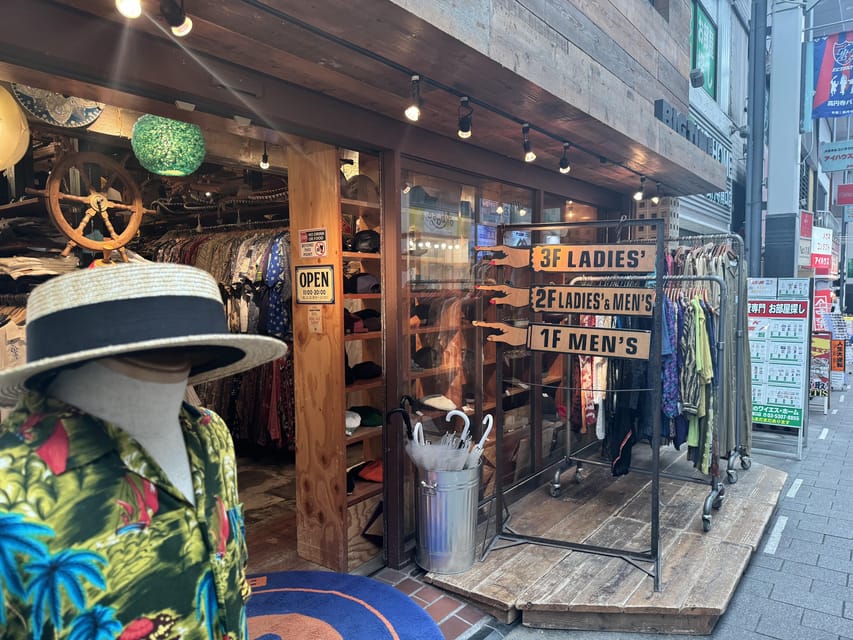
You get about 1 hour in Shimokitazawa, which is plenty for browsing without losing the plot. This is where Tokyo starts feeling like a place you’ve seen in magazines—but also like a real neighborhood with side-street character.
Shimokitazawa’s big theme is reinvention. You’ll hear how the area transformed after the post-war period and how it grew into a hub for independent artists. That context matters, because it explains why you’ll see vintage racks alongside modern indie fashion, and why record-style shopping fits the neighborhood’s personality.
What to expect on the ground:
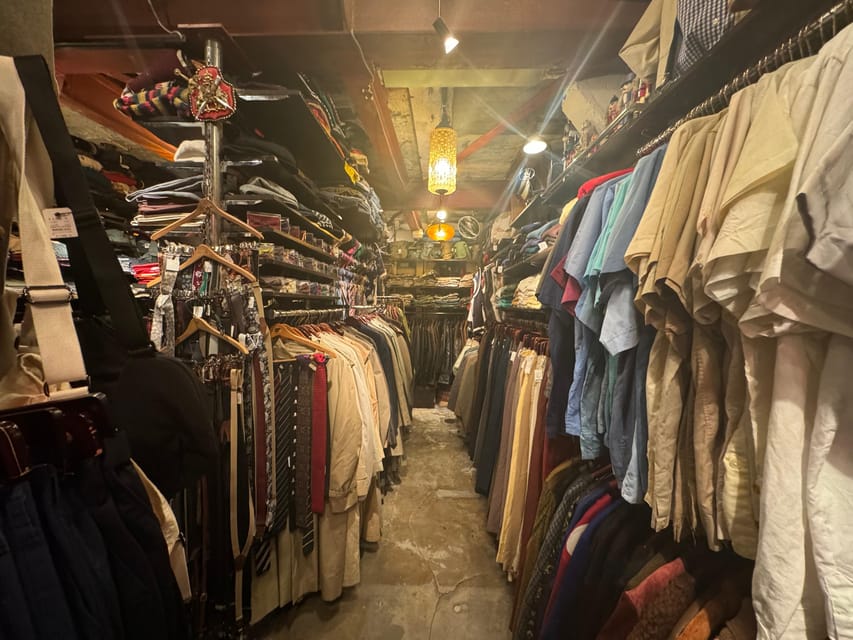
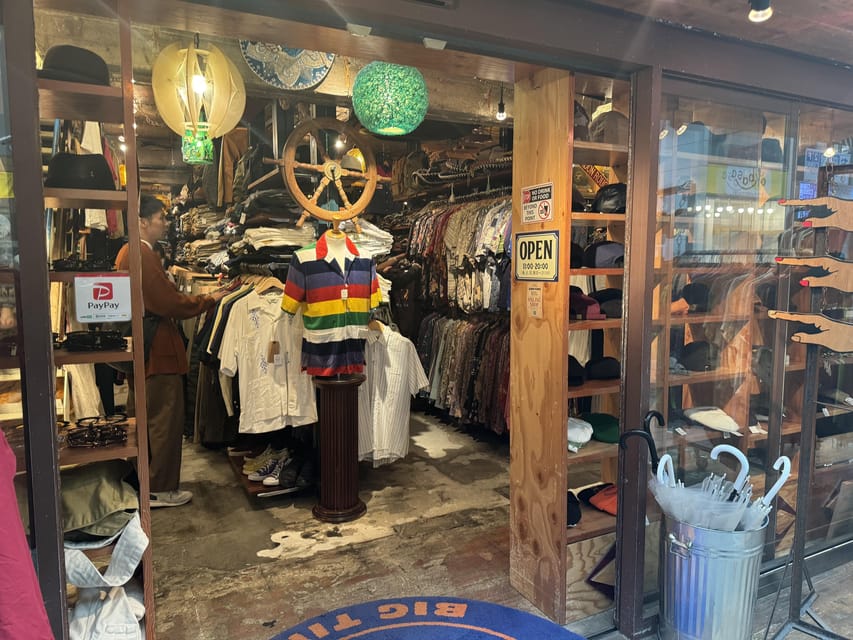
- Vintage and thrift-style shopping where Japanese used clothing culture feels everyday, not touristy
- Street-level stops that connect the past to what you see now
- A guided route through the “labyrinthine” lanes, where a wrong turn can lead to a dead end—or to the best shop on the block
What I like about having a guide here is simple: Tokyo vintage shopping can be overwhelming when you don’t know what you’re looking for. With a guide, you spend more time evaluating items and less time wandering.
Kichijoji coffee and the laid-back side of Tokyo’s economy story
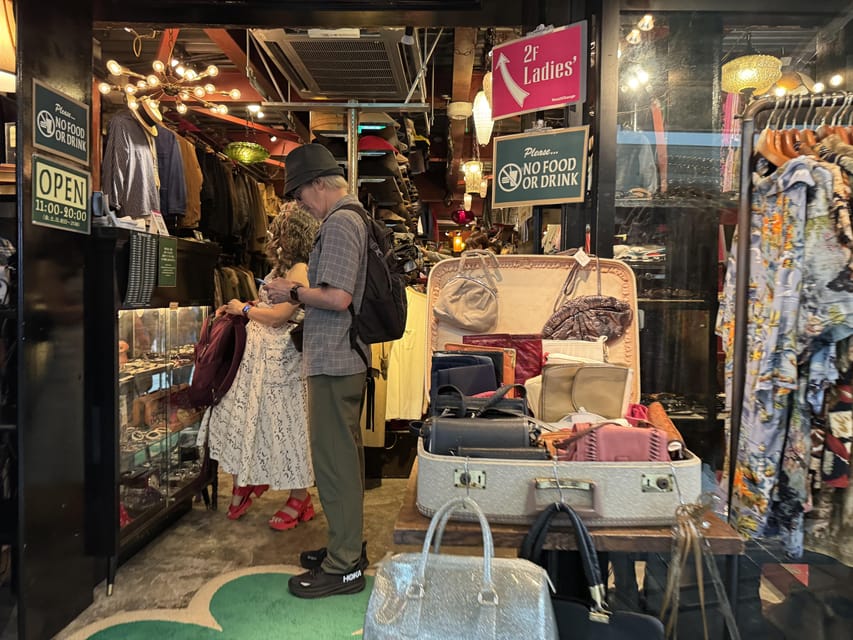
Next comes Kichijōji for another 1 hour, and the mood shifts. Shimokitazawa is more about indie chaos. Kichijoji is about calm—streets that feel easier to walk, and cafes where you can reset.
This is also the stop where you get coffee at a local cafe. That included drink is more than a perk. It keeps the tour from turning into a constant storefront sprint, and it gives you a moment to watch how locals actually move through the neighborhood.
You’ll also get neighborhood context: Kichijōji’s vibe ties back to the economic bubble era, including how that period shaped architecture and the way the area feels today. Again, that history isn’t taught like a lecture. It’s pointed at what you’re seeing in front of you: street rhythm, building style, and the everyday pace of the place.
Practical tips you’ll thank yourself for:
- Bring water. A lot of Tokyo walking is sunny or dry, even when it doesn’t feel hot.
- If you’re sensitive to caffeine, you can still enjoy the stop—just choose a lighter drink at the cafe.
If you like coffee culture beyond the famous brands, this is a good match. It’s Tokyo coffee as lived experience.
Koenji: indie shops, changing norms, and why tattoo culture is part of the story
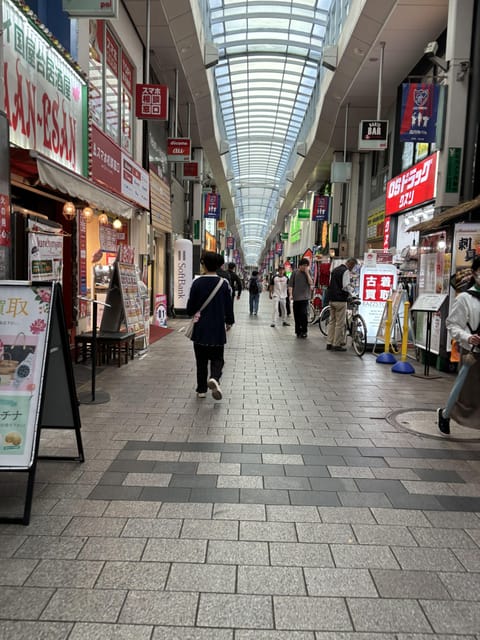
Koenji is shorter—about 40 minutes—but it packs energy. This is the neighborhood where creativity feels more public, less “hidden behind a label.”
You’ll spend your time navigating maze-like streets lined with indie boutiques, and you’ll also talk about how social norms shifted enough for tattoo parlors to flourish. That detail matters because it explains why Koenji’s style scene can feel bolder here than in some other parts of Tokyo.
What makes Koenji interesting for shopping:
- You’re likely to see trend-forward indie pieces and smaller brand styles that feel less mass-produced
- The streets themselves feel designed for discovery—walk slow, and you’ll find more than you think you will
Time warning: with only 40 minutes, treat Koenji like your “quick decisions” stop. If you want to buy something, check sizing early and don’t get stuck comparing three versions. Save deeper comparisons for your last stop or for after the tour.
Nakano Broadway for anime, manga, and vintage camera collecting
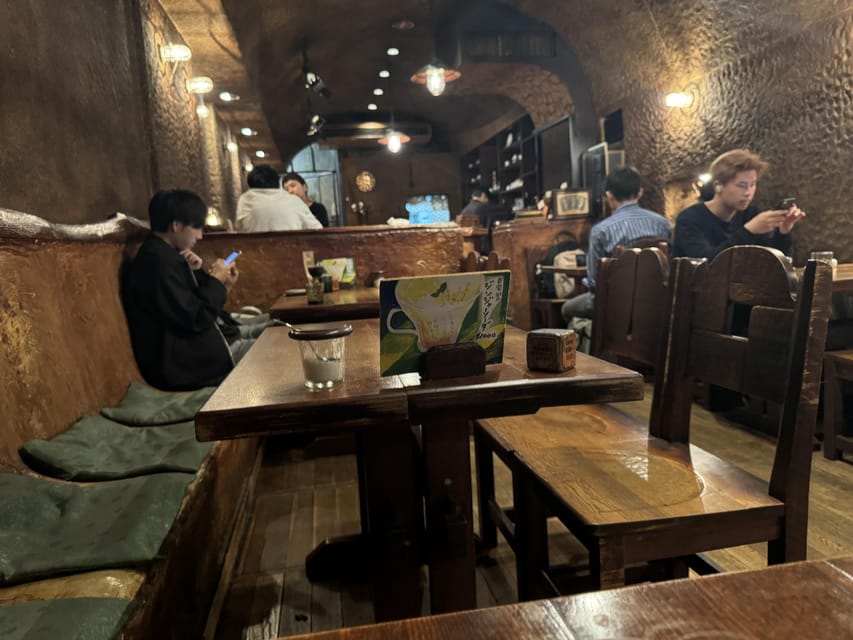
Finally, you reach Nakano Broadway for about 40 minutes, and this is where collector brains light up. This place is known for shop rows with anime and manga goods, plus retro tech like vintage cameras.
The tour frames Nakano Broadway as a microcosm of Japanese pop culture, and ties it to the economic bubble era and its lasting impact on anime and manga. The point isn’t to memorize dates. It’s to understand why the merchandise vibe feels the way it does today—why certain styles and fandom cultures became durable.
What you’ll likely run into:
- Stores packed with anime and manga items, ranging from everyday collectibles to more specific fandom finds
- Vintage cameras and retro electronics-style browsing, which is great if you like photography gear history
A smart strategy here is to pick one theme before you walk in:
- Anime and manga only
- Or retro cameras and related items
- Or a mix, but with a strict budget
Because 40 minutes disappears faster than you expect once you’re scanning boxes and shelves.






Price and value: is $83 worth it for four neighborhoods?
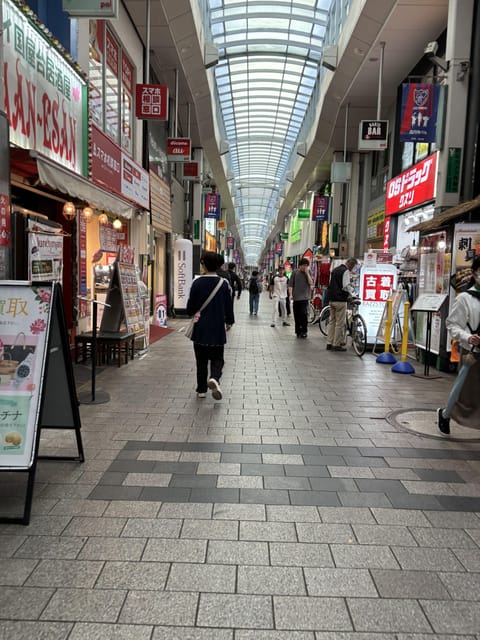
At $83 per person for about 4 hours, the value comes down to what’s included and how efficient the route is.
Here’s what you’re getting that changes the math:
- A live English guide
- Transit
- Coffee in Kichijōji
- Guided time in four neighborhoods (Shimokitazawa, Kichijōji, Koenji, Nakano)
- Exclusive access to vintage shops and indie boutiques (so you’re not just walking past doors)
If you tried to do this on your own, you’d probably spend money on multiple train rides anyway, and you’d also spend time figuring out which streets and shops are worth your energy. Tokyo neighborhoods can be honest but unforgiving: a bad detour can eat an hour.
So this price makes sense especially if you:
- Want a fast way to sample several Tokyo subcultures
- Like shopping but hate planning a scavenger-hunt schedule
- Appreciate historical context without sitting in a classroom
But if you’re the type who wants to spend half a day in one neighborhood, this may feel like it’s not long enough to go deep. Think of it as a taste test that still includes meaningful walking and shopping time.
What the guide adds: personal, flexible, and practical
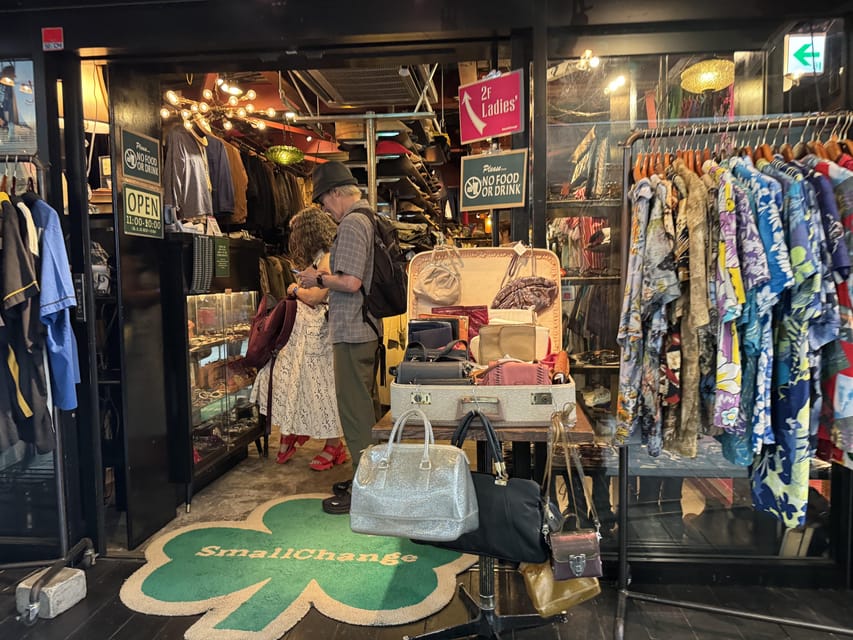
This is the kind of tour where the guide can make the difference between wandering and actually finding good shops. Past experiences show guides like Ryuhki and Hiro being friendly and personable, with lots of insider knowledge about places, culture, and people.
Even better, some guides are open to small changes if your interests shift mid-walk. That matters in a shopping tour, because your priorities can change the moment you see an item you didn’t know you wanted.
English speaking is also a big deal here. Tokyo’s shop signage and neighborhood slang can slow you down fast, and a good guide helps you interpret what you’re seeing without killing the vibe.
Timing and walking tips so you don’t feel rushed
This tour is designed around walking. That’s not optional. Plan for:
- Comfortable shoes (you’ll be on your feet a fair amount)
- A camera if you like street scenes, storefronts, and shop details
- Water so your energy stays steady
There are a couple of rules to keep things smooth: no smoking and no flash photography. If you’re photographing vintage items, use regular lighting and your phone camera settings.
Also, keep in mind it’s not suitable for mobility impairments or wheelchair users, since it involves walking.
Who this tour is perfect for (and who should skip it)
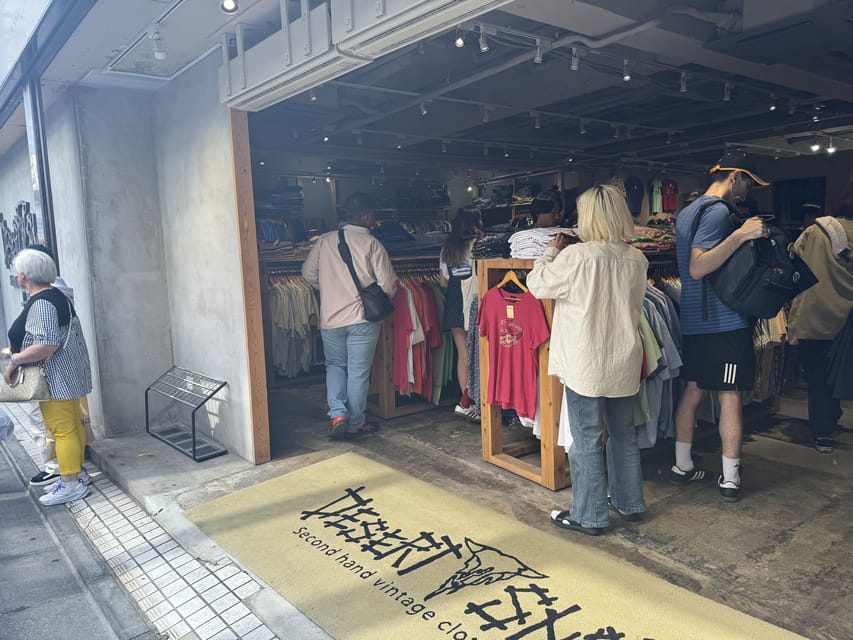
You’ll love this tour if you’re:
- A shopper who wants structure and context
- Into vintage fashion, indie music vibes, and retro culture
- Curious about how Japan’s neighborhood subcultures connect to broader economic and social changes
You might want to skip it if:
- You have limited stamina and can’t handle steady walking
- You want a long, unhurried browse where you can spend 2–3 hours in a single store
It’s a good “first taste of Tokyo street culture” tour. After that, you’ll know where to return on your own.
Should you book this Tokyo neighborhood tour?
If you want a smart, time-efficient way to see multiple sides of Tokyo’s youth and collector culture, I think you should book it. The combination of vintage shopping, local coffee, and collector stops like Nakano Broadway gives you variety without feeling like you’re bouncing randomly across the city.
It’s especially worth it if you don’t want to spend your trip building an itinerary from scratch. The guide brings the context and the route so you can spend your limited energy on finding items and experiences you’ll actually remember.
FAQ
How long is the tour?
The tour lasts 4 hours total.
Where does the tour start?
It starts at Shimo-Kitazawa Station, Odakyu Line East Exit.
What neighborhoods are included?
The tour covers Shimokitazawa, Kichijōji, Koenji, and Nakano.
Is coffee included?
Yes. Coffee at a local cafe is included.
What is included in the price?
The price includes the guided tour of the neighborhoods, exclusive access to vintage shops and indie boutiques, insights about subculture history and current trends, opportunity to discover fashion/music/art scenes, transit, and coffee.
What is not included?
Personal shopping expenses are not included.
What should I bring, and what should I avoid?
Bring comfortable shoes, a camera, sunscreen, and water. Smoking is not allowed, and flash photography is not allowed.
Is it accessible for wheelchair users or people with mobility impairments?
No. It is not suitable for people with mobility impairments or wheelchair users.