REVIEW · TOKYO
One day mountain Fuji & Hakone tour with English hindi bilingual
Book on Viator →Operated by Friendly Tour · Bookable on Viator
Fuji and Hakone in one day. You save a ton of stress by letting a bilingual guide handle the route while you focus on Mt. Fuji views and classic Hakone scenery. I like that the day is built around the big-picture hits—lakes, shrines, and viewpoints—without you needing to plot trains and timing yourself.
Two things I really like: the English and Hindi bilingual guidance, and the fact this is private for your group (up to 6). That makes it easier to move at your pace, ask questions, and get help setting up photos without feeling rushed or lost.
One consideration: a few key stops have extra tickets/fees (like Mt. Fuji 5th station and the lake/ropeway elements), so your final spend will be higher than the base price.
In This Review
- Key highlights worth knowing
- A One-Day Fuji and Hakone Itinerary That Fits Real Life
- Price and Value for a Private Group Up to 6
- Morning Setup: Pickup, Timing, and What to Carry
- From Saiko Iyashi no Sato Nemba to Arakurayama Steps
- Shrines and Oshino Hakkai Ponds: Calm Stops Between Big Views
- Kawaguchiko to Mt. Fuji 5th Station: The Big Photo Payoff
- Lake Ashi and Owakudani Valley: Hakone Gets Dramatic
- Guide, Photos, and Pace (English/Hindi Makes a Difference)
- Should You Book This Tour from Tokyo?
- FAQ
- How long is the Fuji and Hakone day tour from Tokyo?
- Is pickup included?
- Is the guide English and Hindi bilingual?
- What’s the group size for this private tour?
- Are tickets for all attractions included in the price?
- What time does the tour start?
- What is the cancellation policy?
Key highlights worth knowing
- Private tour for up to 6: easier conversation, easier photo stops, less crowd-pressure
- Mt. Fuji 5th station plus Lakes Kawaguchiko and Ashi: the itinerary hits both sides of the Fuji-Hakone curve
- Bilingual English/Hindi guide: smoother explanations at each stop
- 398 steps at Arakurayama Sengen Park: expect a climb if you want the pagoda-and-Fuji angle
- Mobile tickets + pickup: less paperwork and more “show up and go”
- Fog and visibility can happen: especially around ropeway/gondola areas, so keep expectations flexible
A One-Day Fuji and Hakone Itinerary That Fits Real Life
This is the kind of day trip that makes sense if you only have one shot at Fuji and Hakone from Tokyo. Instead of bouncing between stations and guessing what order to see things in, you follow a planned route with private transportation and a guide who helps you connect the dots—what you’re seeing, why it matters, and where to stand for the best views.
The biggest value is efficiency. You get several “bucket list” stops tied to specific scenery types: traditional villages, shrine grounds in a pine-and-cedar setting, and viewpoint-heavy parts of Hakone and Fuji. The day runs about 10 hours, which is long enough to cover real ground, but not so long that you feel like you’ve been traveling for days.
You also get flexibility built in. The tour description notes that the itinerary can be tailored to your group’s needs, which matters because everyone has different priorities: some people want photos first, others want shorter walking and more time at lakes.
You can also read our reviews of more tours and experiences in Tokyo



Price and Value for a Private Group Up to 6
The price is $465 per group (up to 6). For a private full-day tour, that’s not a “cheap” outing—but it can be good value if you’re traveling with family or friends and would otherwise pay for multiple tickets, separate transport, and lots of time planning.
Here’s how the value usually pencils out:
- Private vehicle + all fees and taxes (included): you’re not paying extra just to have the ride.
- Your guide time covers multiple separate stops: instead of doing the Fuji region in fragments, you’re paying for one organized day.
- Tickets are the main add-on costs: lunch isn’t included, and some attraction fees aren’t included either. That’s normal for tours like this, but you should budget for it.
At the base price, you’re basically buying convenience and local guidance—plus the ability to stop where the views are best and not wait for your own navigation to catch up.
Morning Setup: Pickup, Timing, and What to Carry
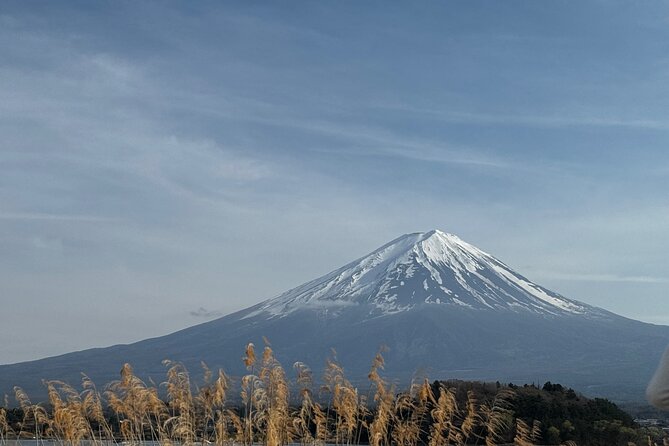
The start time is 8:30 am, with pickup offered. The meeting point is near public transportation, and you’ll receive confirmation at booking time. You’ll also use mobile tickets, so plan to keep your phone charged and handy.
Because the itinerary includes walking (including a 398-step climb at one stop), you’ll want comfortable shoes. Also think “mountain weather,” even in warmer seasons: higher points like Mt. Fuji 5th station (about 2,300 meters) can feel cooler, and visibility can change fast.
What I’d pack for a smooth day:
- Layers you can add/remove quickly
- A small day bag for water and snacks (since lunch isn’t included)
- Your best camera setup if photos matter (because the day is built for them)
- Cash/card for add-on admissions and transport elements you handle on-site (since several are not included)
From Saiko Iyashi no Sato Nemba to Arakurayama Steps
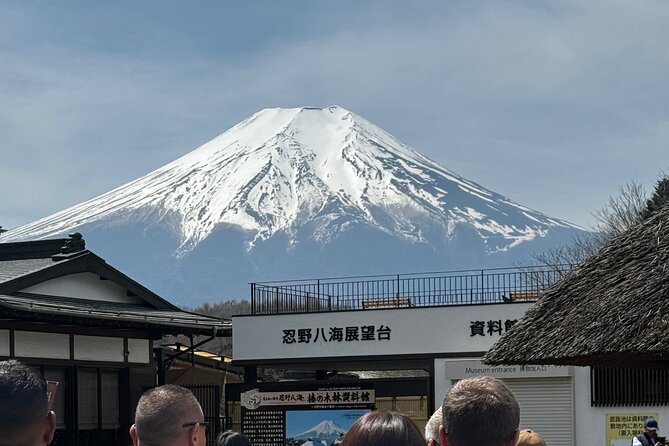
The day opens with a very traditional tone. First up is Saiko Iyashi no Sato Nemba, a village of thatched-roof houses with spaces that may include exhibitions and museums. You’ll spend about 1 hour here. This stop works well early because it gives you context for the Fuji region beyond views—how people lived in old-style village settings near the mountain.
Next comes Arakurayama Sengen Park. This is the pagoda viewpoint: a five-storey red pagoda facing Mount Fuji, built in 1963. It’s famous for a simple reason—you have to climb 398 steps to reach the best perspective. The schedule gives you about 1 hour at the park, so you can pace yourself, catch photos, and still enjoy the walk.
A practical note: if you’re traveling with mobility concerns, those steps are the one part of the day that can feel like the “effort peak.” Since the plan includes other areas with more walking surfaces, it’s smart to start the day with energy and not treat the steps like an afterthought.
Shrines and Oshino Hakkai Ponds: Calm Stops Between Big Views
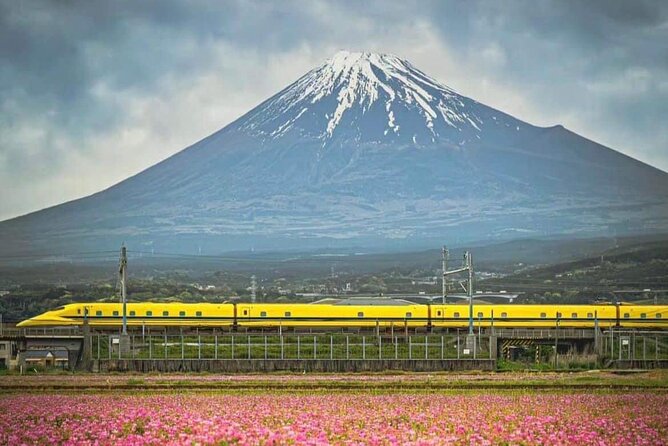
After the viewpoint climb, the tour shifts into quieter, more spiritual scenery.
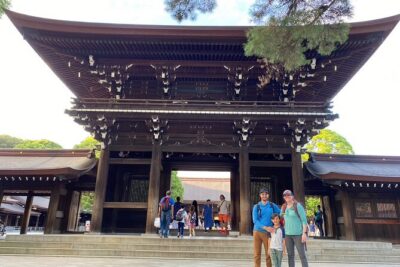
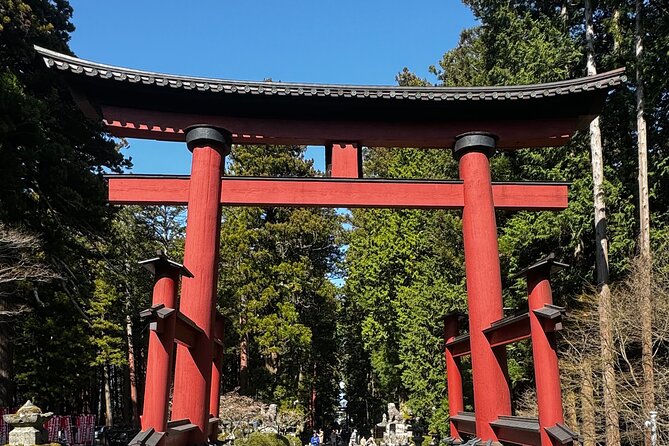
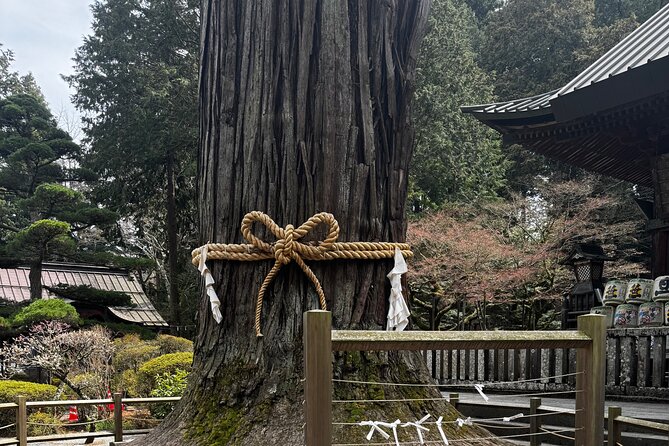
You’ll visit Kitaguchi Hongu Fuji Sengen Jinja Shrine (about 1 hour). This Shinto shrine is described as one of the oldest in the Mount Fuji area, built around 100 AD, set in a dense forest of cedar and pine. Even if you’re not an expert in Shinto, you’ll feel the change in pace: more shade, more stillness, and a chance to slow down before the higher-elevation stops.
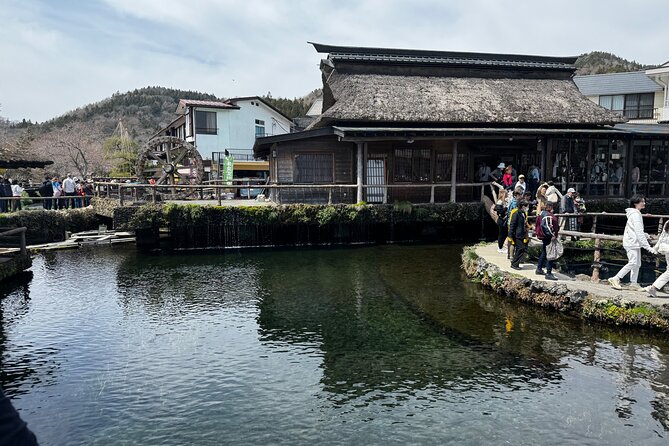
Then you head to Oshino Hakkai, a traditional old village area with eight spring water ponds and koi fish. You’ll get around 1 hour here, with souvenirs and local food stalls. This stop is useful because it turns Fuji into something you can see up close—not just a distant peak. The ponds and water setting also tend to be easier to enjoy even if the weather isn’t perfect for maximum mountain photos.




Kawaguchiko to Mt. Fuji 5th Station: The Big Photo Payoff
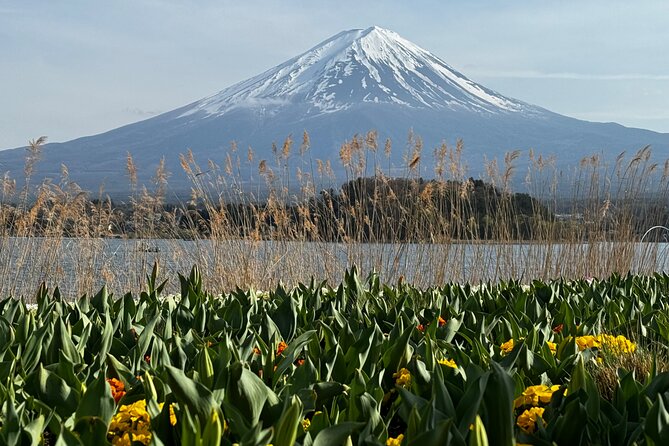
Now the itinerary turns into the heart of Fuji viewing.
At Lake Kawaguchiko, you’ll spend about 1 hour. It’s described as one of the most beautiful and biggest lakes among the five lakes, and you’ll have options for a scenic boat ride (about 30 minutes) plus the Kachi Kachi ropeway for views of Mount Fuji and the city area. Admission for this segment isn’t included in the tour price, so factor that into your day planning.
This is the part of the tour where visibility matters most. If the sky is clear, you’ll likely get the iconic Fuji framing people come for. If it’s hazy or foggy, you still get the lakes and the surrounding towns—but the “Fuji looks perfect” moment might be less dramatic.
Finally, you reach Mt. Fuji 5th station at about 2,300 meters. Your time here is 1 hour. The tour notes you can see views toward the top of Mount Fuji and Fujiyoshida city. There is an additional entrance fee for Mt. Fuji 5th station (listed as ¥2,100, not included).
This stop is a reality check—in a good way. You’ll feel how high the mountain environment is compared with Tokyo, and your photos will look and feel more “mountain” than typical town viewpoints. It’s also a good point in the day to take a breath and decide what you want most: photos, scenery, or just absorbing the altitude.
Lake Ashi and Owakudani Valley: Hakone Gets Dramatic
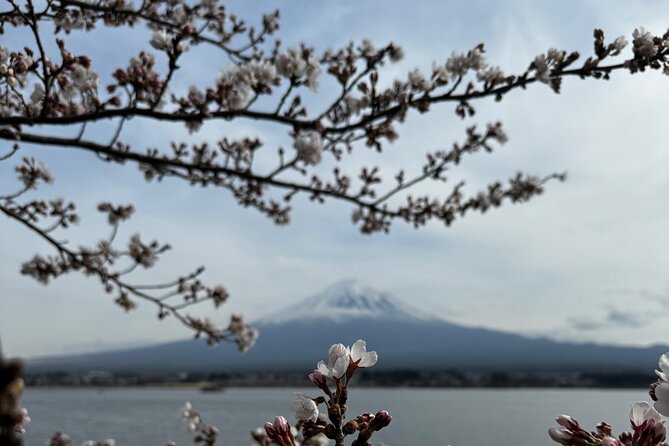
After Fuji, the tour shifts to Hakone scenery.
First is Lake Ashinoko, with about 50 minutes. You’ll have the chance for a pirate cruise style boat ride on the lake. The reason this stop is on most Fuji-Hakone checklists is simple: you can get Mount Fuji in the frame, and you also get the famous floating tori gate (as described for this area). There’s also a note that admission isn’t included.
Then comes one of the most atmospheric spots: Owakudani Valley. You reach it using the Hakone ropeway from Togendai station. It’s described as a volcanic zone with souvenir shops and Hakone’s black eggs. You’ll get about 1 hour here. Even if you’re not into geology, the setting changes the mood fast—steaming ground, sulfur-smelling air, and the kind of landscape that makes you understand why this region is famous.
One more visibility point to keep in mind: a past traveler shared that the Hakone ropeway area was foggy at the top. That doesn’t mean you’ll have the same weather, but it’s a good reminder to plan for variable conditions around ropeways and higher points.
Guide, Photos, and Pace (English/Hindi Makes a Difference)
This is where the tour earns its strong rating. The itinerary is active, but it’s also designed so you aren’t stuck alone figuring things out.
In particular, the guide Busal has been mentioned as friendly and helpful—offering a strong lunch recommendation and assisting with photos. That kind of help is worth real money on a day like this, because great pictures on Fuji and Hakone often come down to timing (when you arrive) and where you stand. A guide who knows the rhythm of the day can make the difference between random snapshots and a few keepers.
Also, since it’s private for your group, you can ask practical questions without feeling like you’re holding up a huge bus of people. The guide can help you navigate how much time you actually need at each stop so you don’t feel like you’re constantly running.
One more pace note: the day strings together multiple “anchor” sites. That’s great for coverage, but it does mean you’ll spend less time lingering than you might on a slower multi-day trip. If you’re the kind of traveler who wants to savor every side alley, you might prefer Hakone or Fuji on its own. If you want maximum variety in one day, this fits.
Should You Book This Tour from Tokyo?
Book it if you want a one-day hit list that covers both Fuji and Hakone without the mental load of planning. This is especially a good choice when:
- You’re traveling with a small group (up to 6) and want private transportation
- You care about photos and want photo help rather than guessing angles
- You want English/Hindi bilingual guidance so the stops feel meaningful, not just scenic
Skip it or consider a different style if:
- You strongly prefer a slower pace (this day is built for multiple key stops)
- You don’t want to deal with add-on costs, since lunch and some admissions/tickets aren’t included
- The idea of a 398-step climb feels like too much
If you’re a first-timer doing this region from Tokyo, this tour is a solid way to get the essentials—traditional village atmosphere, shrine calm, iconic lakes, and the volcanic mood of Owakudani—under one organized plan.
FAQ
How long is the Fuji and Hakone day tour from Tokyo?
The duration is listed as about 10 hours.
Is pickup included?
Yes, pickup is offered, and the meeting point is near public transportation.
Is the guide English and Hindi bilingual?
Yes, the tour is described as English and Hindi bilingual.
What’s the group size for this private tour?
It’s private, and the group size is up to 6 people.
Are tickets for all attractions included in the price?
No. Lunch is not included, and several tickets are not included either, including cable car/boat-related tickets and specific admissions such as Mt. Fuji 5th station (¥2,100) and Saiko Iyashi no Sato Nemba.
What time does the tour start?
The start time is 8:30 am.
What is the cancellation policy?
You can cancel for a full refund if you cancel up to 24 hours in advance of the experience’s start time.