Cruise days can feel rushed, but this one is built for comfort. You get port-to-port private transport plus a local guide who keeps the pace human, not frantic. What I especially like is the chance to see the big sights and still enjoy 3 hours of free time for lunch and shopping, then return to the ship with time to spare. The one drawback is the price is premium at $892.41 per person, so it makes most sense when you value privacy and flexibility over cheap group tours.
The day also avoids the classic Nagasaki problem: you can’t control crowds, but you can control timing. The visits are scheduled around your ship’s docking window, and the stops are mostly admission-free, so you’re spending time on places instead of ticket lines. If your ship’s schedule is tight or traffic is heavy, the route and in-city time can shift, and you won’t get refunds for adjustments caused by docking timing or local conditions.
Overall, this tour feels like a smart way to get a real slice of Nagasaki in one day: remembrance at Peace Park, panoramic harbor views from Inasayama, and then the city’s mix of Japanese, Chinese, and Dutch influences at Sofukuji, Dejima, and the bridges and neighborhoods nearby.
In This Review
- Key Highlights You’ll Actually Care About
- Port Pickup That Starts the Day Calm
- Nagasaki Peace Park: A Stop With Weight (And Good Context)
- Inasayama Observation Deck: The View Is the Whole Point
- Glover Garden to Sofukuji Temple: Foreign Settler Roots and Quiet Corners
- Dejima and the Dutch Trading Story (Japan’s “Only Contact” Era)
- Historic Temples and the Confucian Learning Theme
- Meganebashi (Spectacles Bridge) and Shinchi Chinatown Free Time
- Timing That Works for Cruise Schedules
- Price and Value: When $892.41 Per Person Makes Sense
- Who This Shore Tour Is Best For
- FAQ
- FAQ
- How long is the private shore tour in Nagasaki?
- Where does the tour pickup happen?
- What’s included in the price?
- Do I need to pay entrance fees for the sights?
- Is there time for lunch and shopping?
- Is this a private tour or shared?
- What happens if my ship cannot dock?
- Can I change or cancel after booking?
- Should You Book This Nagasaki Shore Tour?
Key Highlights You’ll Actually Care About
- Private pickup and drop-off at the Nagasaki cruise terminal, so you’re not hunting for meeting points with 200 other people
- Admission-free stops across the main sights, which helps keep the day simple and predictable
- Inasayama Observation Deck for harbor-city views, with a choice of ropeway or a hike depending on your energy
- Dejima and the “outside world” story: Dutch trading post history during Japan’s isolation period
- Shinchi Chinatown gets real time: about 3 hours of free time for lunch and shopping after the guided portion
Port Pickup That Starts the Day Calm
Nagasaki shore days often start with one big question: where do you stand, and will you be early enough? This tour starts with a driver greeting you just outside the Nagasaki cruise ship terminal building. From there, you’re in modern, air-conditioned private transportation with a local guide.
That matters more than it sounds. With a cruise schedule, you want your start to be easy and your return to be reliable. When pickup is handled at the port and the tour is designed around your ship’s docking time, you spend less effort figuring things out and more effort seeing the city.
Also, this isn’t a shared tour. It’s private, so it’s just your group, which helps if you have mixed walking comfort or you want slightly different pacing for photos. And yes, the tour includes the return trip back to the terminal so you’re not trying to beat the clock on public transit.
You can also read our reviews of more boat tours in Tokyo


Nagasaki Peace Park: A Stop With Weight (And Good Context)
The first major “heart” stop is Nagasaki Peace Park, a memorial built to honor the victims of the atomic bombing in 1945. At its center is the Peace Statue, and the whole park is designed for remembrance and reflection.
This is one of the few places in Nagasaki where you should slow down on purpose. I like that this tour gives it a set time block (about 30 minutes) rather than tossing you out for a quick photo and moving on. Even if you’re short on time, this kind of visit lands better when you can stand, look, and read a bit at your own pace.
Practical tip: wear comfortable shoes. Peace Park is a walking-and-standing kind of stop, and you’ll probably want to linger near the main monuments. It’s a meaningful pause in an otherwise sightseeing-heavy day.
Inasayama Observation Deck: The View Is the Whole Point
After Peace Park, the tour heads to Inasayama Observation Deck, one of the best places for panoramic city and harbor views. You get about 20 minutes here, and the big value is that you can choose how you get up: either a ropeway or a hike.
This is the kind of stop where planning beats luck. If you hate stairs or you want the most time for photos, go ropeway. If you’re comfortable walking and want a bit of exercise (and you don’t mind paying attention to footing), the hike can feel more flexible.
Since your time is limited, decide early with your group. Also, note that harbor-view locations can get hazy depending on weather. If you’re going for photos, look for a clear moment, and don’t wait until the very last minute to get your shots.
Glover Garden to Sofukuji Temple: Foreign Settler Roots and Quiet Corners
Next comes Glover Garden, an open-air museum-style park that preserves Western-style residences and gardens from early foreign settlers. In Nagasaki, this contrast is part of the story: the city’s history includes periods of outside contact, and Glover Garden gives you a visual sense of what that looked like.
You get about 30 minutes. That’s enough time to get oriented, see the main structures, and grab photos without turning it into a race.
Then the tour shifts into a very different mood at Sofukuji Temple, described as a historic Chinese temple dating back to the early 17th century. It’s known for its architecture, intricate woodwork, and a serene garden. You’ll spend about 30 minutes here, and that timing helps you swap mental gears: from sightseeing in an open-air garden to a quieter, more contemplative space.
If you’re traveling with older family members or you want a break from straight-up walking, this stop is a good one. Temples are often easier to enjoy slowly—especially when the schedule includes a meaningful pause instead of constant transitions.
Dejima and the Dutch Trading Story (Japan’s “Only Contact” Era)
Dejima is one of the most historically important stops on the day. It was a Dutch trading post during Japan’s period of isolation, and it functioned as the only point of contact between Japan and the outside world during that time.
The tour gives you about 20 minutes here. That sounds short, but it’s the right length for a location like Dejima if you’ve already got other stops built into the day. The goal is understanding and recognition: you see the place, you connect it to the larger story, and you move on without burning your whole day.
Practical note: time for photos can be limited at sites like this, depending on how the area is laid out and where you can stand. If photos matter to your group, plan to spend the first part of your Dejima time getting your bearings, then do a calmer second pass if you still have minutes.
You can also read our reviews of more private tours in Tokyo

Historic Temples and the Confucian Learning Theme
The itinerary continues with Kofukuji Temple and then the Confucian Temple / Chinese Museum of Successive Generations. Even though these names suggest a slightly different regional association, the key takeaway for you is what the tour is trying to do: show Nagasaki through more than just the usual harbor-and-streets postcard route.
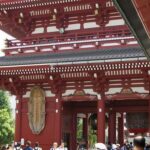
Kofukuji Temple is described as a Buddhist temple with UNESCO World Heritage status, known for a five-story pagoda and wooden architecture. Expect a photo-friendly, architecture-focused stop with about 30 minutes.
Then the Confucian Temple / museum is described as a center for the study and practice of Confucianism, showing insight into teachings of Confucius through study and practice. This portion is about 20 minutes, which is enough time to read a bit, understand the theme, and appreciate the cultural side of Nagasaki that doesn’t always get top billing in one-day tours.
If your group likes history with a side of quiet, this mid-day stretch is a strong fit. If you’re mostly craving street-level photos and local snacks, you may enjoy the later free time even more.
Meganebashi (Spectacles Bridge) and Shinchi Chinatown Free Time
Spectacles Bridge, also known as Meganebashi, is one of those landmarks that’s basically built for pictures. It’s a stone bridge with an arched design that resembles a pair of eyeglasses in reflections on the water. You get about 30 minutes here, which is great because reflections are often the difference between a good photo and a great one.
After the guided portion, you’re dropped off with about 3 hours of free time in Shinchi Chinatown. This is a big deal for cruise passengers. Instead of forcing you to eat quickly between stops, the tour gives you a block of time to do lunch at a pace that fits your group.
Use this time for:
- a slow lunch and a drink after walking
- souvenir shopping at your speed
- finding a snack to take back to the ship later
And because you’re private, you can decide whether you want to stay close to the drop-off area or take a short walk for more options.
When you’re ready, your return to the ship is handled—your transport back to the Nagasaki Port Terminal Building is part of the package. That keeps the day from turning into a last-minute scramble.
Timing That Works for Cruise Schedules
This tour is explicitly designed for cruise ship passengers, with the route and duration in the city subject to docking times, traffic, special events, and other conditions beyond anyone’s control. That’s normal in port cities, but it matters that the company builds the day around your ship’s schedule and commits to port-based logistics.
They also state that if your ship can’t dock, you’ll get a full refund. That’s the kind of reassurance that helps you book without stress.
The one caution: if your time in the city has to be adjusted due to docking timing, traffic, or special events, you can’t count on a refund for that portion. In other words, they can protect the big promise—getting you back in time—but local reality can still affect the exact run of the day.
Price and Value: When $892.41 Per Person Makes Sense
Let’s talk value honestly. At $892.41 per person, this is not a budget tour. You’re paying for:
- private transportation (not shared buses)
- pickup and drop-off at the cruise terminal
- a professional local guide for the day
- 3 hours of free time so you’re not just herded from one paid stop to another
So who gets the best deal? Families or couples who want a quieter pace, people who’d rather avoid the risk of missing meeting points, and visitors who prefer a plan that matches cruise timing instead of hoping public transit works out.
Where this tour can feel pricey is if you just want the highlights and you’d be fine with a standard group bus. But if your priority is comfort, reliability, and a schedule that keeps you from feeling rushed, the cost starts to make more sense.
Also, admission fees are noted as not required for the tour stops. That can help offset part of the premium, since you’re not stacking ticket costs on top of the price.
Who This Shore Tour Is Best For
I’d point you toward this tour if:
- you value private transport more than saving money
- your group includes different walking comfort levels
- you want a guided history-and-culture overview with room for lunch and shopping
- you like the mix: memorial, viewpoints, temples, and trading-post history
It may be less ideal if:
- you’re on a strict budget and don’t mind shared tours
- you want maximum time per attraction instead of a packed-but-managed route
- you’re okay doing navigation and transit yourself from the port
FAQ
FAQ
How long is the private shore tour in Nagasaki?
It runs about 7 hours (approx.), designed around your cruise ship’s docking schedule.
Where does the tour pickup happen?
You’re met at the Nagasaki cruise ship terminal, with a driver greeting you just outside the terminal building.
What’s included in the price?
The tour includes modern air-conditioned private transportation, port pickup and drop-off, a professional local guide, about 3 hours of free time for shopping and dining, and all fees and taxes.
Do I need to pay entrance fees for the sights?
Entrance fees are not required for this tour, based on the tour details provided.
Is there time for lunch and shopping?
Yes. After the guided portion, you get about 3 hours of free time in Shinchi Chinatown.
Is this a private tour or shared?
It’s private. Only your group participates.
What happens if my ship cannot dock?
If your ship cannot dock, the tour provider states you’ll receive a full refund.
Can I change or cancel after booking?
This experience is non-refundable and cannot be changed for any reason.
Should You Book This Nagasaki Shore Tour?
If you’re traveling on a cruise and want an easy, well-paced day with port pickup, a local guide, admission-free major stops, and real free time, I think this is a strong fit. The price is the big hesitation, but you’re paying for the private structure and the cruise-friendly timing—exactly the stuff that usually causes stress on shore days. If your group values comfort and time management, book it with confidence. If you’re budget-first and don’t mind figuring things out, you can likely do something cheaper on your own.