REVIEW · TOKYO
Japanese Cooking Class in Tokyo with a Local Chef Chieko
Book on Viator →Operated by Traveling Spoon · Bookable on Viator
Shinjuku gets a little foodie glow. This Japanese cooking class in Tokyo with Chef Chieko is a friendly, very practical way to learn homestyle dishes: you cook one main dish plus two side dishes using fresh, local produce, then eat together right after. I love that the teaching focuses on how and why things work, not just what to copy, so you can actually recreate the flavors later.
A quick heads-up: finding the studio can be tricky if you show up late or rely only on an address. The meeting spot is walkable from Shinjuku, but it’s the kind of place where you’ll want to look for the staff meeting you in the building’s hall or lobby.
In This Review
- Key things you’ll care about
- Meet Chieko: Shikoku roots and real everyday know-how
- Location near Shinjuku: close, but give it a few extra minutes
- Your menu choice: one main and two sides that add up to a meal
- What happens during the 2.5 hours: cooking with purpose
- The produce talk: small lessons that make a dish taste Japanese
- Japanese hospitality at the table: you eat what you made
- Vegetarian options and allergies: plan ahead so you don’t guess
- Price and value: what $109 buys you in Tokyo
- Who should book this cooking class with Chieko
- FAQ
- FAQ
- How long is the Japanese cooking class in Tokyo?
- Where do we meet for the class?
- Is hotel pickup included?
- Is the class near public transportation?
- Can Chef Chieko accommodate a vegetarian diet?
- Do I get to choose what I cook?
- What if I have allergies?
- Can I cancel for a full refund?
- Should you book this cooking class with Chef Chieko?
Key things you’ll care about
- Chef Chieko’s hands-on coaching: tips come from her family teaching, not a scripted performance
- Fresh, local ingredients: you learn about the produce you’re cooking with as you go
- One main + two sides: a complete Japanese meal, not just a single dish demo
- Menu choice from five options: your class doesn’t feel random or generic
- Vegetarian accommodation: you can plan a meat-free menu ahead of time
- Small-group feel: the activity caps at 11 people, so questions don’t vanish
Meet Chieko: Shikoku roots and real everyday know-how
Chef Chieko brings a cool mix of geography and cooking tradition. She was born and raised on Shikoku Island, where island life meant seafood, vegetables, and rice were always close by. Later, she lived in Kyoto and Osaka, then spent time in Los Angeles, and eventually settled in Tokyo. That path matters because you don’t just get a list of recipes. You get a sense of how Japanese home cooking adapts to where life happens.
Her teaching style is aimed at making you successful during the class and confident after you go home. The whole point is that these are simple, easy recipes you can repeat. And you’ll notice the emphasis on small technique choices—how to handle ingredients, how to keep flavors balanced, and how to avoid common mistakes that make a dish taste off.
This is also one of those experiences where hospitality feels normal, not staged. Chieko’s excitement to meet people from all over comes through, and the vibe is warm and human.
You can also read our reviews of more cooking classes in Tokyo

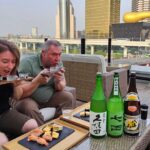
Location near Shinjuku: close, but give it a few extra minutes
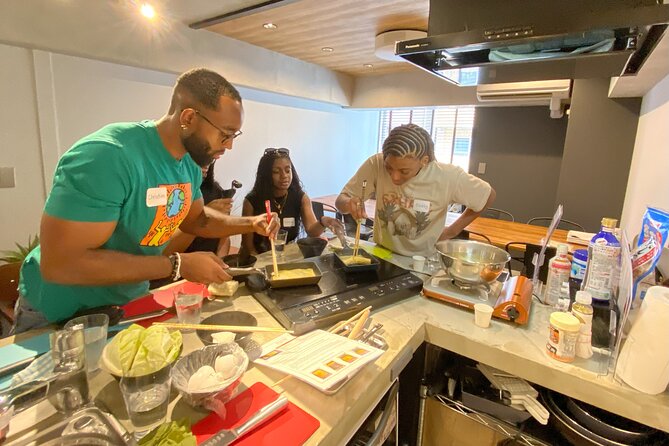
The class meets at Chieko’s studio in Shibuya City, about a 10-minute walk from Shinjuku Station. That’s a big plus if you’re already staying in the Shinjuku or Shibuya orbit. Tokyo navigation can be fast, but doors and entrances can be slightly confusing, and that’s where planning matters.
The meeting point is listed as センスネイル2-chōme-5-1 Yoyogi, Shibuya, Tokyo. In the real world, some buildings don’t make it obvious what’s happening inside. One practical tip from past participants: it helps to confirm that the host will find you in the building’s hall or lobby, rather than expecting you to spot the exact unit from the street.
So here’s what I’d do: arrive a few minutes early, have your phone with the meeting address ready, and don’t be shy about asking where the class is meeting. You want to start the cooking calm, not stressed.
Your menu choice: one main and two sides that add up to a meal
You’ll pick your menu option from five choices, and the menu can vary by season. That’s important because Japanese home cooking leans on what looks good and tastes best right now, not what’s always available.
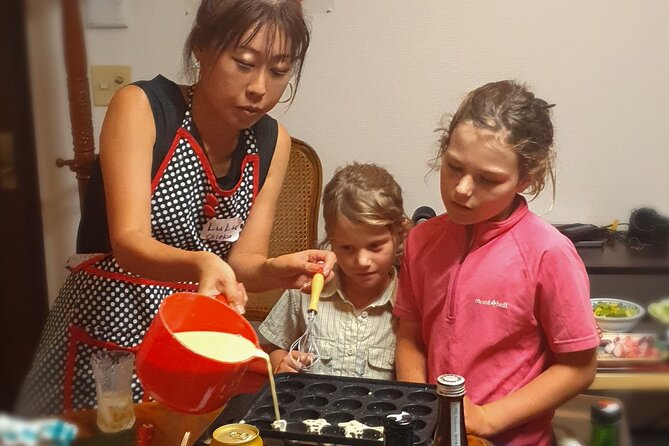
The class design is focused: you’ll cook one main dish plus two side dishes. That structure is great value because it gives you a fuller meal experience. You’re not just learning one technique; you’re building a rhythm—prep, cook, taste, adjust—while also learning how different components work together on the table.
If you’re thinking about bringing this knowledge home, this menu structure helps you translate the experience into real cooking. Many people can follow a recipe once. Fewer people know how to plan a meal so everything makes sense together. This format teaches that.
What happens during the 2.5 hours: cooking with purpose
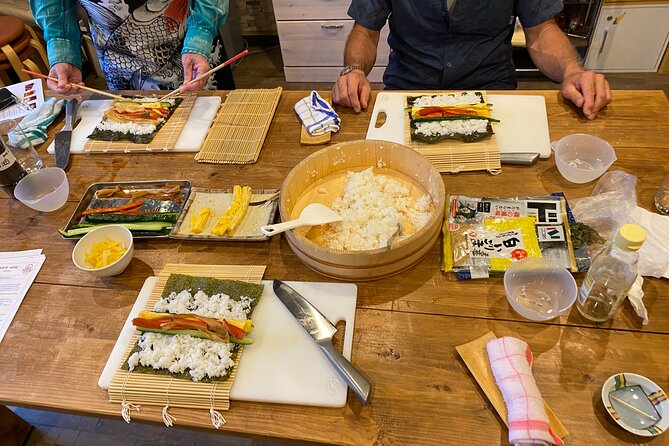
The schedule is built for hands-on learning, not watching. The class runs for about 2 hours 30 minutes, with time slots listed as 11am–1:30pm or 5pm–7:30pm. That means you’ll usually be done with dinner-ish timing if you do the evening session, and ready for lunch plans if you go in the morning.
Here’s the flow you should expect:
- You meet your host at the studio and confirm your menu choice.
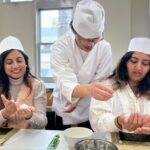
- You start cooking from scratch, with Chieko guiding you through steps.
- As you work, you learn practical points on ingredient handling and why certain produce is used.
- Toward the end, you sit down and share what you made.
One thing I like about this kind of class is that it doesn’t treat cooking as a mysterious art. You get explanations that connect the dots—what to watch for, what to adjust, and what makes the dish taste like home cooking rather than something halfway there.
And yes, you’ll likely be working enough that your hands get involved. This is a real cooking lesson. You’ll leave with a sense of how the dish comes together, not just a photo to prove you were there.
The produce talk: small lessons that make a dish taste Japanese
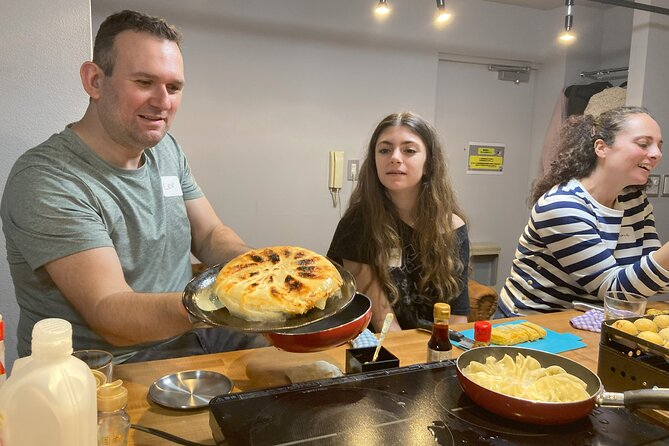
In Japanese home cooking, ingredients and timing matter. This class leans into that through produce-focused guidance. Chieko (and the support team) explain what you’re working with and how the ingredient behaves during cooking.
That’s the kind of teaching that pays off later. If you know how a vegetable changes, or what a key ingredient contributes to flavor, you can swap similar items when you’re cooking outside Japan. You’re not trapped by a single brand or a single specialty product.
The class also gives you an idea of how everyday Japanese meals stay balanced. One dish isn’t supposed to do everything. The main helps anchor the meal. The sides add texture, freshness, and contrast.
You can also read our reviews of more tours and experiences in Tokyo



Japanese hospitality at the table: you eat what you made
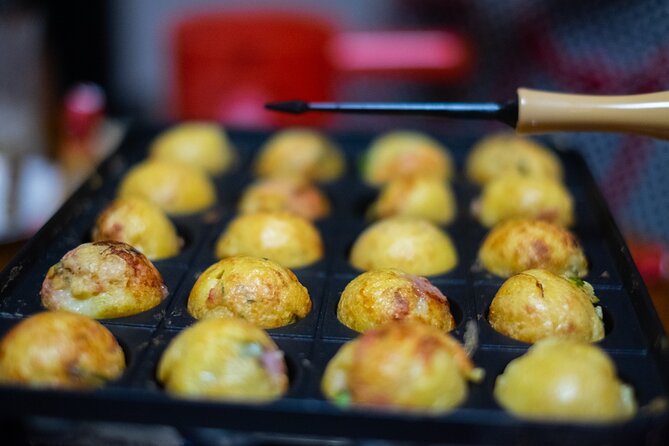
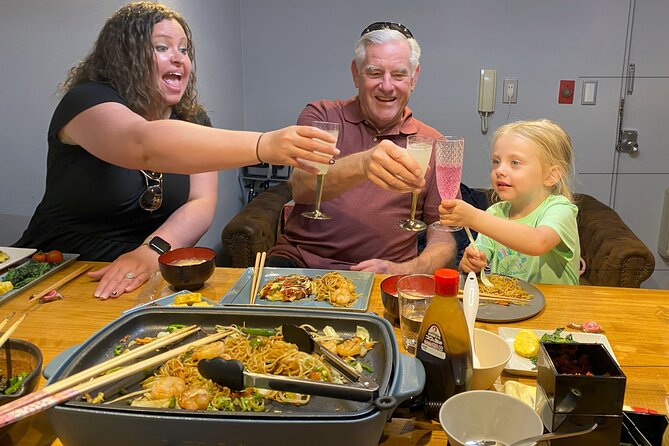
After the cooking, you’ll sit down for a home-cooked Japanese meal that includes what you helped prepare. This is more than a reward. It’s the last step in learning.
Eating right after cooking lets you connect flavor decisions to outcomes. If something tastes lighter than expected, you remember what you adjusted. If a side brings a stronger punch, you recall how it was handled and seasoned.
The social side is also real. You’ll get a glimpse into everyday life through the food and conversation. You may notice that the experience is designed to be comfortable for non-Japanese speakers, with clear guidance and a gentle pace that keeps you from feeling lost.
And in the spirit of kindness and celebration, one past participant shared that host Junko offered a yukata experience at no cost. That kind of small touch isn’t guaranteed, but it does reflect the team’s thoughtful approach. If it’s your birthday or you’re celebrating something, it’s worth mentioning in advance during booking.
Vegetarian options and allergies: plan ahead so you don’t guess
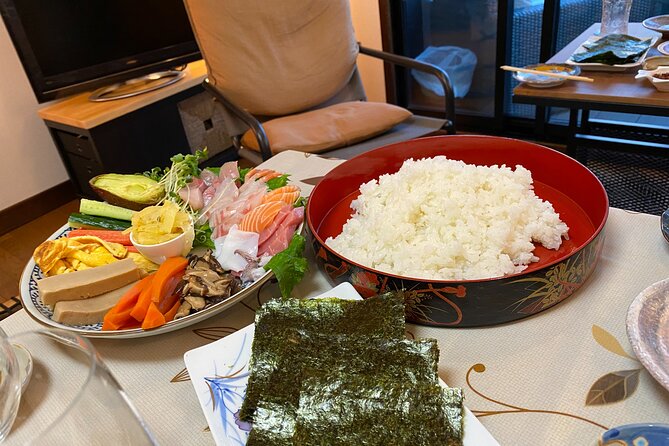
This class can accommodate a vegetarian diet. If you need that, you should advise specific dietary requirements when booking so your menu and ingredients can be adjusted.
Allergy planning matters too. You’ll be asked to choose your menu option and inform your host about allergies in advance. Cooking is ingredient-specific, so giving that information up front is the difference between a safe meal and a stressful one.
If you don’t see your needs clearly covered in the booking notes, message ahead. It’s a shared cooking setup, so you want the kitchen to have time to plan.
Price and value: what $109 buys you in Tokyo
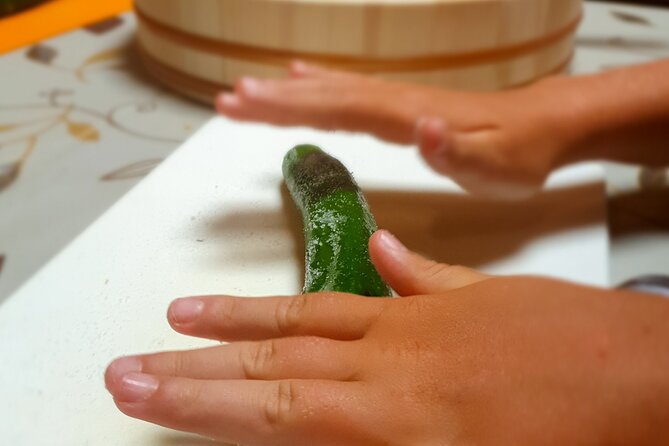
At $109 per person, this isn’t a budget snack tour. It’s closer to paying for a real lesson plus a meal in a local setting.
What justifies the cost:
- You’re cooking multiple dishes, not watching one demo.
- You get ingredient guidance, not just a recipe handoff.
- The meal is included, and you eat what you made.
- Chef Chieko is a certified cooking instructor with traditional training from her family.
Also, the class time is long enough to matter. Two hours 30 minutes gives you time for meaningful cooking, not a rushed rotation of tasks. And since the activity caps at 11 people, it’s easier to get help when you get stuck.
For me, the value is strongest if you want actual home-style results. If your goal is only street food hopping, you’ll find cheaper options. If your goal is learning a repeatable meal you can cook again, the price starts to make sense.
Who should book this cooking class with Chieko
Book this if:
- You want a hands-on Japanese cooking class in Tokyo with guidance you can use at home.
- You like practical food learning: techniques, ingredient choices, and meal-building.
- You’re staying near Shinjuku and want something local that doesn’t require a full day plan.
- You need vegetarian support and want it handled by the host in advance.
You might skip it if:
- You only want to eat, not cook. This is a working class.
- You dislike any chance of finding a meeting building that needs a quick lobby-level check-in.
- You’re short on time and can’t fit either the 11am–1:30pm or 5pm–7:30pm window.
This experience fits best when you treat it like a cooking workshop, not a quick attraction.
FAQ
FAQ
How long is the Japanese cooking class in Tokyo?
It runs for about 2 hours 30 minutes. The class is scheduled for either 11am–1:30pm or 5pm–7:30pm.
Where do we meet for the class?
You meet at センスネイル2-chōme-5-1 Yoyogi, Shibuya, Tokyo 151-0053, Japan, and the activity ends back at the meeting point.
Is hotel pickup included?
No. Hotel pickup and drop-off are not included.
Is the class near public transportation?
Yes. It’s near public transportation, and it’s described as about a 10-minute walk from Shinjuku Station.
Can Chef Chieko accommodate a vegetarian diet?
Yes. Chef Chieko can accommodate a vegetarian diet.
Do I get to choose what I cook?
Yes. You can choose one menu option from five options, and the menu may vary depending on the season.
What if I have allergies?
You should advise dietary requirements at the time of booking in the Special Requirements box, and inform your host if you have any allergies in advance.
Can I cancel for a full refund?
You can cancel for a full refund if you cancel at least 24 hours before the experience start time.
Should you book this cooking class with Chef Chieko?
If you want a Tokyo food experience that teaches you something real, I’d book it. The combination of hands-on cooking, a complete meal (one main plus two sides), and Chef Chieko’s clear, produce-focused guidance makes this stand out from the typical hands-on demo.
Just plan for the one trade-off: show up early and be ready to confirm the exact meeting spot in the building’s hall or lobby. Do that, and you’ll walk away with skills you can actually use next time you cook at home.