REVIEW · TOKYO
Tokyo: Private Mount Fuji Day Trip with Private Guide
Book on GetYourGuide →Operated by Tri click LTD · Bookable on GetYourGuide
Mount Fuji looks different when it’s your day, not a schedule. I like how this is truly private, so you’re not stuck behind a slow group at every turn. I also love the mix of iconic views—Lake Kawaguchi for that classic reflection vibe, plus Mount Fuji’s 5th Station for big, showy panoramas. One thing to watch: even with a customizable plan, you’ll want to be very clear about priorities and timing, because a driver who second-guesses your requests can make you feel rushed later.
This trip runs long enough to feel like a real outing, not a quick hit: about 570 minutes total, with a comfortable climate-controlled car and a guide who can talk to you in multiple languages. The itinerary is built around three main areas (Kawaguchi, Oshino Hakkai, and Fuji-Q/Mount Fuji), and you get flexibility to tweak the day—just know the best version of this experience is the one where you and your guide are aligned from minute one.
In This Review
- Quick reasons this Fuji day feels different
- Why a private Fuji day from Tokyo is worth the money
- The morning plan: Tokyo pickup and the 8:00 AM advantage
- Lake Kawaguchi: where the reflection magic actually depends on timing
- Oshino Hakkai: spring ponds, calm walks, and easy culture time
- Fuji-Q Highland: when you want thrills alongside the views
- Mount Fuji 5th Station: big viewpoints and serious photo time
- Customizing your itinerary: how to make the day truly yours
- Price and logistics: what $520 buys (and when it doesn’t)
- Practical tips for a smoother, more comfortable Fuji day
- Who this tour suits (and who should skip it)
- Should you book this Mount Fuji private day trip?
- FAQ
- How long is the Mount Fuji day trip from Tokyo?
- What’s the group size and pricing?
- What’s included in the price?
- What isn’t included?
- What languages can the guide speak?
- Is this tour suitable for wheelchair users or people with mobility impairments?
Quick reasons this Fuji day feels different
- Private transport that buys you breathing room: you travel in comfort and avoid the stress of shoehorning your plans around public schedules.
- Mount Fuji 5th Station time, not just a drive-by: you get a substantial visit window for photos and viewpoints.
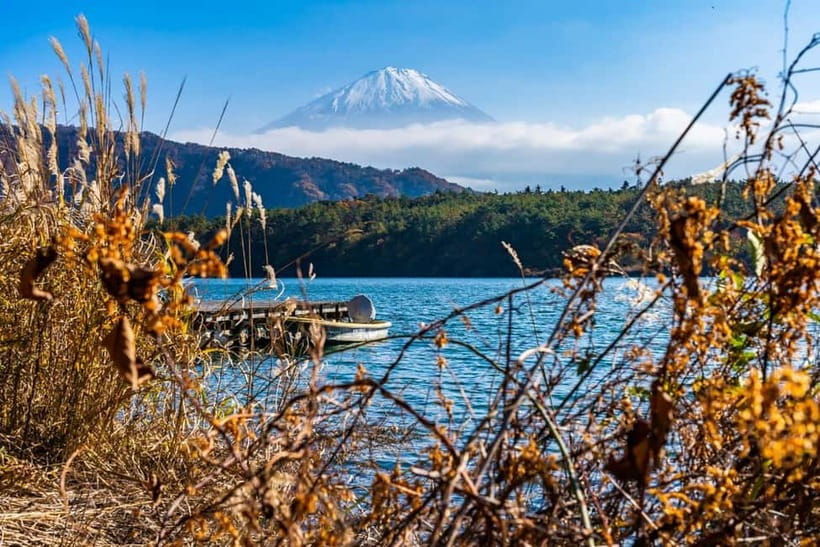
- Lake Kawaguchi reflection stop: a dedicated block so you can slow down and catch the light.
- Oshino Hakkai ponds and traditional surroundings: you get a proper sightseeing window, not just a quick photo stop.
- Fuji-Q Highland option baked into the route: if you’re after thrills (and you want to see Fuji too), you can.
- Guides who actively manage the day: guides like Rana (who helped timing when clouds hid Fuji) are the kind of partner you want in Japan.
Why a private Fuji day from Tokyo is worth the money
Tokyo to Mount Fuji is a classic day trip—but classics can feel tired if you’re fighting crowds and tight turns. This setup solves a lot of that by keeping the whole day in one rhythm: pickup, drive, viewpoints, and then back to Tokyo. You’re not negotiating with buses, joining meet-up herds, or losing time to unclear timing.
The price is $520 per group (up to 6 people). If you have a small group, it’s easier to think of it as “one car day” instead of “a pricey ticket.” With a private guide and car, your main value is control: you decide what gets more time and what gets skipped.
Of course, the best value depends on communication. The day can be wonderful with the right guide, like Arslan who’s described as ready with recommendations and explanations as you walk. But when priorities aren’t followed, the day can feel like it’s not actually private at all—like one experience that went off-request and caused a rush to Fuji-Q.
You can also read our reviews of more guided tours in Tokyo
The morning plan: Tokyo pickup and the 8:00 AM advantage
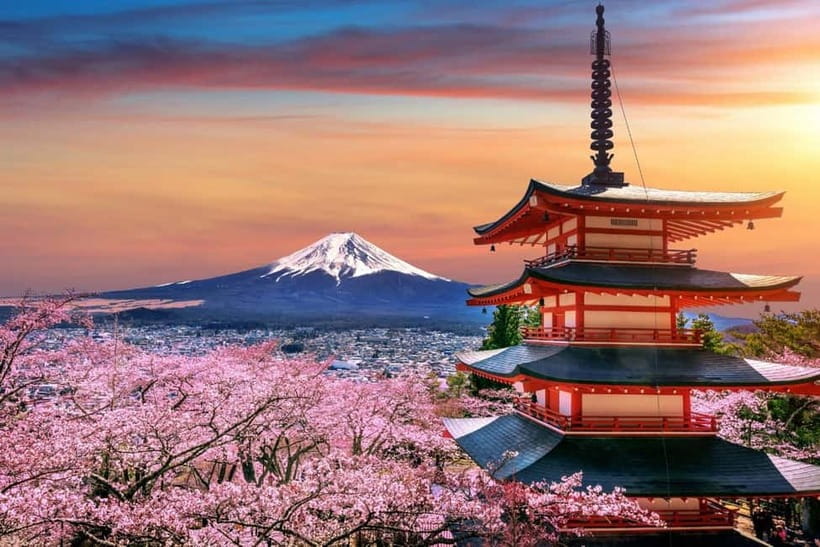
Most days work best when you start early. The suggested departure is around 8:00 AM, which matters because the viewpoints and roads around Fuji get busy fast. Leaving earlier also gives you more options if weather shifts—clouds can roll in, and a good guide will try to work with what the sky gives you.
You’ll ride in a modern, climate-controlled vehicle with tolls, gas, and parking handled. That sounds small, but it’s big in practice: you avoid the “who’s paying for what” headache and you keep the morning focused on the scenery and stops.
Bring what keeps you sane for a long day: comfortable shoes, water, snacks, camera, and sunscreen. Then add weather gear. Fuji is moody. Even in pleasant seasons, the temperature and wind at viewpoints can change quickly.
Lake Kawaguchi: where the reflection magic actually depends on timing
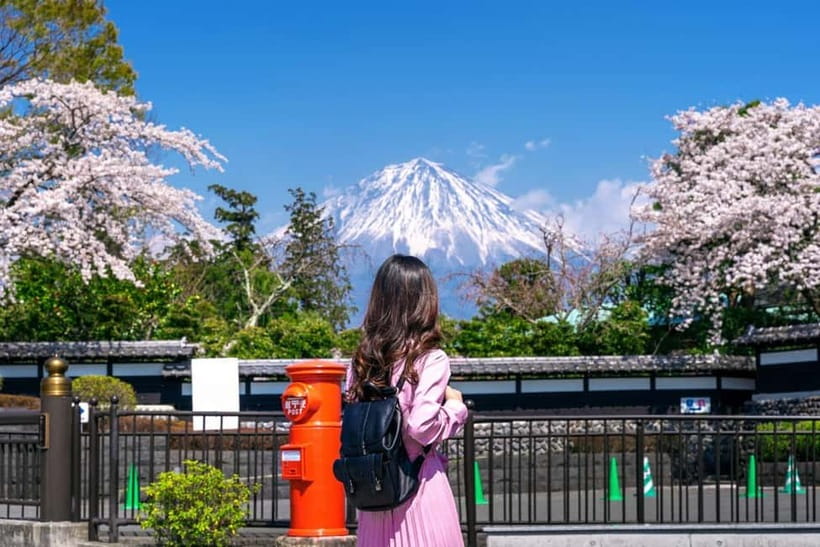
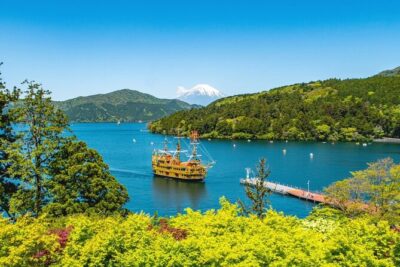
Lake Kawaguchi is famous for one thing: when conditions cooperate, Mount Fuji can reflect on the water like a postcard. In your day, it gets about 50 minutes for a photo stop plus time to visit. That’s enough to walk a bit, find a viewpoint angle that matches your preferences, and take pictures without feeling like you’re being rushed.
What I’d plan for here is simple: treat it as a photography and pacing stop, not a checklist stop. If the mountain is visible, you’ll want time for multiple shots at different angles and distances. If clouds hide Fuji, don’t panic—use the time to enjoy the lakeside atmosphere and let your guide set up the next opportunity.
This is also a good moment to confirm your “must-do” priorities with your guide. In a perfect world, you’ll have already shared them the night before. But even in the car, it helps to restate priorities clearly. One guide approach worked well for Rana, who was able to time the day so the group finally got visibility of Fuji at the end.
Oshino Hakkai: spring ponds, calm walks, and easy culture time
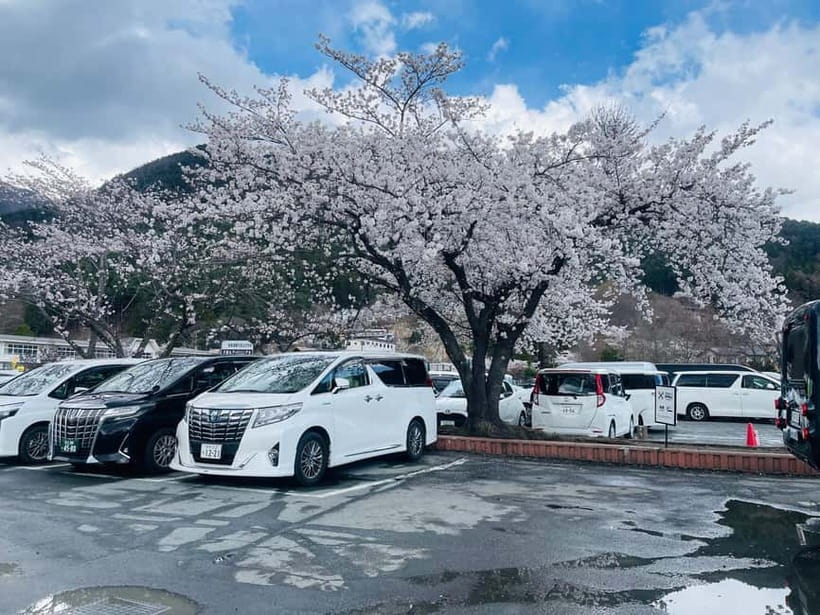
Oshino Hakkai is about water, tradition, and a compact area that you can actually enjoy without feeling like you’re sprinting. You get 50 minutes there with free time for sightseeing and scenic views on the way in and out.
This is the kind of stop where your “speed” should slow down. The spring ponds are the point, and the charm comes from the way everything feels connected—water, pathways, and traditional architectural details. Even if you’re not a deep culture person, you’ll still enjoy how it feels to step away from the main highway energy and into a quieter pocket near Fuji.
Practical note: wear shoes that handle uneven ground. It’s not a rugged hiking plan, but you’ll still be walking. Take breaks if you need them; the whole day is long enough that fatigue can creep up, especially if you’re doing photos for 20-minute stretches.
Fuji-Q Highland: when you want thrills alongside the views
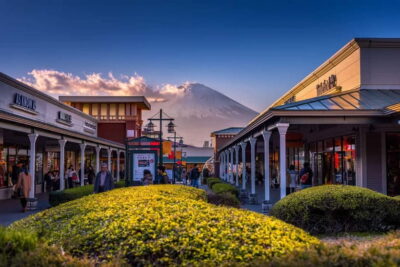
Your route includes about 1 hour with scenic views on the way to Fuji-Q Highland. Depending on your interests, this part can turn a standard Fuji day into something more memorable—fast rides, games, and that fun park energy.
It’s also one of the most timing-sensitive stops. The day’s success depends on arriving when you can still enjoy it instead of squeezing everything between delays. One negative experience described a situation where requested timing wasn’t met, and the group felt rushed to Fuji-Q.
So here’s your move: if Fuji-Q is a priority, say so clearly and attach a time target. Ask your guide what time they expect to arrive and what might change that. Then agree on a turnaround plan: if something goes sideways (traffic, weather, parking lines), what’s your next best option?
If you don’t care about Fuji-Q, you may prefer using that hour to build more cushion for Mount Fuji 5th Station or Lake Kawaguchi. The guide can help you decide what fits your vibe.
You can also read our reviews of more private tours in Tokyo
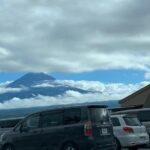

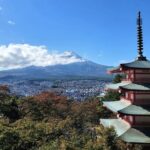
Mount Fuji 5th Station: big viewpoints and serious photo time
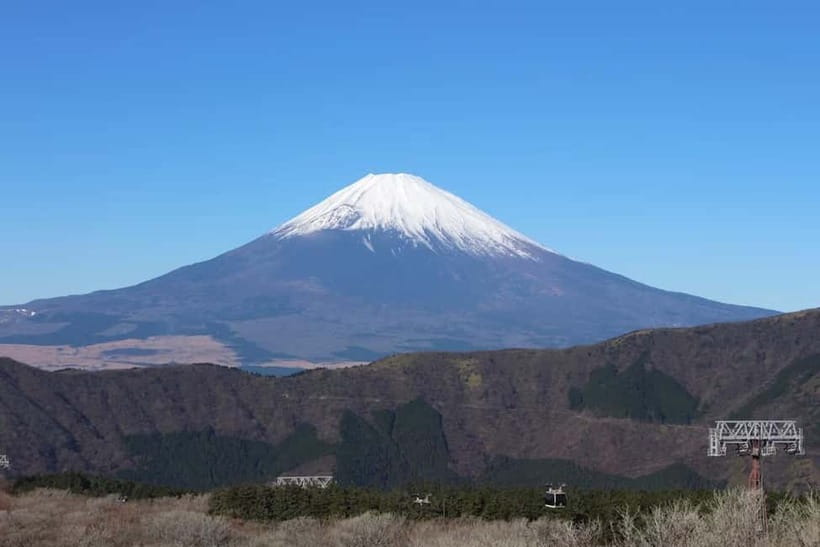
Mount Fuji gets the biggest block on the schedule: about 3.5 hours. That’s a gift. Many day trips treat Fuji like a quick photo moment. Here, you get enough time for viewpoints, photos, and breathing.
The highlight is Mount Fuji’s 5th Station, which is the area known for panoramic sightlines. On a clear day, it can feel like you’re looking at a whole world at once. On a cloudy day, it’s still worth it—but you’ll be chasing clarity in breaks, not expecting a constant postcard view.
The best way to use this time is to plan your “photo rhythm.” Take a first set early while everyone is still moving. Then walk to other viewpoints if the area allows it. Finally, give yourself a buffer in case weather opens for 20 minutes and then closes again. That’s exactly the kind of timing that helped Rana get the group a clear Fuji moment after cloud cover had been stubborn all day.
Also, dress for wind. Bring layers. Wind at elevation is no joke, and you don’t want to spend your best Fuji hours shivering and rushing.
Customizing your itinerary: how to make the day truly yours
The big promise here is a private driver with support to create a custom itinerary. That’s great in theory. In practice, the tour works best when you give your guide decisions, not just ideas.
Instead of saying, We want to do Fuji-Q and also see Lake Kawaguchi, tighten it into priorities:
- What’s your #1 must-do?
- What time window do you want to hit it?
- What can you cut if traffic or weather turns?
The negative experience that scored low didn’t hinge on comfort or the car—it hinged on the mismatch between requested stops and what happened. That’s the key lesson: customization doesn’t mean the guide will magically read your mind. It means you get to steer, and steering takes clear, repeated instructions.
In the positive experiences, guides were proactive—Rafey guided well through the spots and helped with the overall flow, and Arslan offered recommendations and explanation while you walked. That’s the style that makes customization feel real: you don’t just get driven; you get guided.
If you want optional extras, this is where you can shape the day. The plan mentions possibilities like a private onsen dip, savoring sake, or visiting additional attractions (like Fuji-Q). Just remember: optional activities typically have their own entrance fees, so budget for that if you add them.
Price and logistics: what $520 buys (and when it doesn’t)
At $520 per group up to 6 people, the math gets better when you share. If you fill all seats, you’re effectively paying far less per person than a typical solo or small-party private transfer. Even if you don’t fill all seats, you may still find this is a reasonable way to buy back time and stress.
Where the price can feel less worth it is when the plan doesn’t match your priorities. A private day should respect your “musts.” If you’re paying for control, you should treat the first conversation with your guide like a contract: clear priorities, clear time targets, and a shared understanding of what you’ll do if weather changes.
On the logistics side, this tour covers the basics that usually eat time and attention—road tolls, gas, parking—and you’re in a modern climate-controlled vehicle. That’s not glamorous, but it’s a big part of why private day trips feel relaxing.
Practical tips for a smoother, more comfortable Fuji day
This is a long day—so you’ll enjoy it more if you plan for comfort early.
- Wear shoes you can walk in for a couple short sightseeing blocks. Oshino Hakkai is easy, but it’s still walking.
- Pack water and snacks. Meals aren’t included, and being hungry makes every stop feel worse.
- Bring sunscreen and something for wind. Fuji viewpoints can be bright and sharp.
- Camera settings matter on reflective water. If Lake Kawaguchi is clear, you’ll likely want to take lots of photos without rushing.
A couple of rules to keep in mind: smoking isn’t allowed in the vehicle, and drinks aren’t allowed in the vehicle. That’s the kind of thing that’s easy to forget until you’re already thirsty.
Finally, plan your expectations about clouds. Fuji visibility can change hour to hour. If you’re lucky, you’ll get the show. If not, your guide’s ability to time the day becomes the value you’re paying for.
Who this tour suits (and who should skip it)
This is a great fit for groups who want:
- A private guide and car
- Fuji-focused time (especially 5th Station)
- Photo stops plus one bonus interest like Fuji-Q
It’s not suitable for people with mobility impairments or wheelchair users. If accessibility is a concern, you’ll want to look for an option designed for step-free movement and appropriate support.
If you’re traveling with kids who can handle walking and want Fuji-Q energy, you’ll likely enjoy the pacing. If you’re traveling as a couple who wants maximum quiet and clear timing, the private format still works—just ask for a calmer pace at Lake Kawaguchi and Oshino Hakkai.
Should you book this Mount Fuji private day trip?
I’d book it if you want control and comfort: a private car, a multilingual guide, real time at Mount Fuji 5th Station, plus the classic Fuji-adjacent stops. It’s especially worth it when you’re traveling with up to 6 people and want to share the cost.
I’d think twice if you’re the type who needs zero flexibility and you’re only happy with one exact schedule. The tour can be excellent when your guide is aligned with your plan, but the day’s success depends on communication and how timing is handled when roads and weather get unpredictable.
If you do book, send your priorities early. Mention the must-do stop (Fuji-Q, 5th Station, or a calm photo focus). Then ask for a simple plan: what time you expect to arrive at the key spots, and what the backup looks like if clouds or congestion show up.
FAQ
How long is the Mount Fuji day trip from Tokyo?
The duration is 570 minutes total.
What’s the group size and pricing?
It’s a private group, priced at $520 per group up to 6 people.
What’s included in the price?
You get private transport in a modern, climate-controlled vehicle, a professional multilingual guide, and coverage for road tolls, gas, and parking. The guide also supports creating a custom itinerary.
What isn’t included?
Meals aren’t included, and entrance fees for optional activities are also not included.
What languages can the guide speak?
The live guide is listed as English, Urdu, Hindi, Punjabi, and Japanese.
Is this tour suitable for wheelchair users or people with mobility impairments?
No. It’s not suitable for people with mobility impairments or wheelchair users.