REVIEW · TOKYO
Tokyo History: Sensoji Temple & Asakusa District Private Tour
Book on Viator →Operated by Withlocals · Bookable on Viator
Asakusa feels like Tokyo you can touch. This private tour strings together Senso-ji and the surrounding shopping streets so you understand what you’re seeing, not just where to stand for photos. I really like the private, customizable format, and I love that you make a small temple offering. One thing to consider: with only about 3 hours, you won’t have time for long shopping sprees at every stop.
The pace works well if you enjoy walking with purpose. You get a local host who can guide you through gates, lanes, and craft shops, and you’ll often be able to stop for small tastings along the way, like Age Manju near the temple entrance and sweet bread around Hanayashiki. A slight catch: you should expect crowds around Senso-ji and Nakamise, plus a bit of incense smoke right before you enter.
This is a great fit if you want history you can feel under your feet. You’ll start at Kaminarimon in Taito City, end back at the same point, and move on mostly public paths with a moderate physical fitness level. If you’re hunting for a pure food crawl or an extended shopping day, you may want a separate plan for extra time after the tour.
In This Review
- Key things you’ll enjoy on this Asakusa private tour
- Asakusa in One Walk: Why This Route Works
- Price and What You’re Really Paying For
- Getting There: The Kaminarimon Start and Easy End
- Stop 1: Nakamise Shopping Street and Kaminarimon Gate
- Stop 2: Hozomon Gate and the Age Manju Flavor Choice
- Stop 3: Senso-ji Temple Grounds and the Incense Smoke Moment
- Stop 4: Asakusa Hanayashiki Lanes and Melon Pan Bites
- Stop 5: Edo Taito Traditional Crafts Center (Edo Shitamachi Museum)
- Stop 6 and 7: Kappabashi Street and the Dogugai Food-Model World
- What Makes the Guides Matter: Flexibility You Can Feel
- Who This Tour Suits Best (and Who Might Want Something Else)
- Booking Timing and Mobile Ticket Convenience
- Should You Book This Asakusa and Senso-ji Private Tour?
- FAQ
- How long is the Tokyo History: Sensoji Temple & Asakusa District Private Tour?
- Is this tour private or group-based?
- What’s included in the price?
- Are entrance fees included for the stops?
- Is food included?
- Where do I meet, and does the tour end nearby?
- What is the cancellation policy?
Key things you’ll enjoy on this Asakusa private tour
- Senso-ji and the incense ritual at Tokyo’s oldest temple, with time to take in the gates and grounds
- Nakamise Shopping Street right by Kaminarimon, where old-school retail goes on since the 18th century
- Trying Age Manju in a flavor of your choice at the gate area before you go deeper into the temple complex
- Hanayashiki area + melon pan stop for a sweet, plus a quick look at a famous bread spot
- Crafts at an Edo Taito center where weekend demonstrations may pop up in front of you
- Kappabashi Dogugai food-model street for the art of restaurant display replicas
Asakusa in One Walk: Why This Route Works
Asakusa is one of those Tokyo areas where you can feel the layering. You pass temple gates, then shift into shopping streets, then hit maker streets where the modern city still trades on craft and showmanship. This tour is built to keep those connections clear as you go.
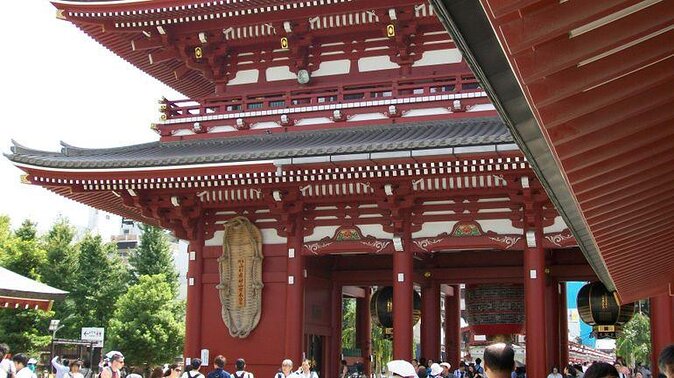
What makes it work is the order: you start at Kaminarimon and Nakamise, then approach Senso-ji through Hozomon, and then you keep moving outward into smaller lanes and specialized shopping zones. That “inward to outward” rhythm makes the temple feel like a hub instead of a single stop.
I also like how the tour is private. It’s you and your local guide, so you can ask questions, slow down for a gate detail, or spend a few extra minutes on the shop fronts that catch your eye. Different guides have different strengths too. From the guide names and experiences shared with this tour, you may meet hosts like Abu, Shelina, Gulay, William, Carlos, or RamKy, and the best part is how they adapt to your pace and interests.
You can also read our reviews of more private tours in Tokyo

Price and What You’re Really Paying For
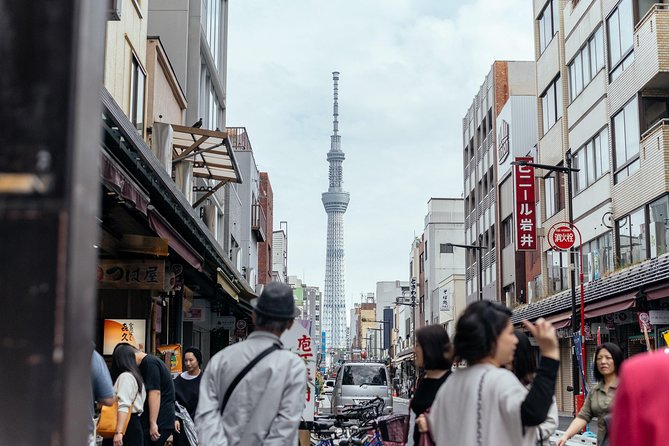
At $139.63 per person for about 3 hours, you’re paying for three things: a private guide, curated timing around key temple and shopping areas, and a small included ritual at Senso-ji. You’re not just buying entrance to a site. You’re buying someone to explain what you’re looking at and help you navigate.
It also helps that the tour’s listed admissions at the main stops are free. Nakamise, Hozomon, and Senso-ji are all listed as admission ticket free for your visit windows. That doesn’t mean you won’t spend money, but it keeps the cost from exploding.
One more value angle: the tour is CO2 neutral, with carbon emissions offset. It’s not a reason to travel, but it’s a meaningful bonus if that matters to you.
What’s not included is food and beverages beyond anything explicitly treated as part of the experience. You may get chances to try things like Age Manju and sweet breads, but treat snacks as extra. Budget a little for street food and treats so you don’t feel surprised.
Getting There: The Kaminarimon Start and Easy End
You meet at 2-chōme-16-11 Kaminarimon, Taito City, Tokyo 111-0034. It’s set up as a walkable route, and it’s also noted as being near public transportation, so you should be able to plug it into the rest of your day without heroics.
The tour ends back at the meeting point. That’s practical: you don’t have to map a new route home after you’ve finished your temple and shopping loop.
Also, because it’s a walking tour with a moderate fitness level, plan on comfortable shoes. The terrain is mostly street-level, but you’ll be moving through gates and narrower lanes where stopping and starting is normal.
Stop 1: Nakamise Shopping Street and Kaminarimon Gate
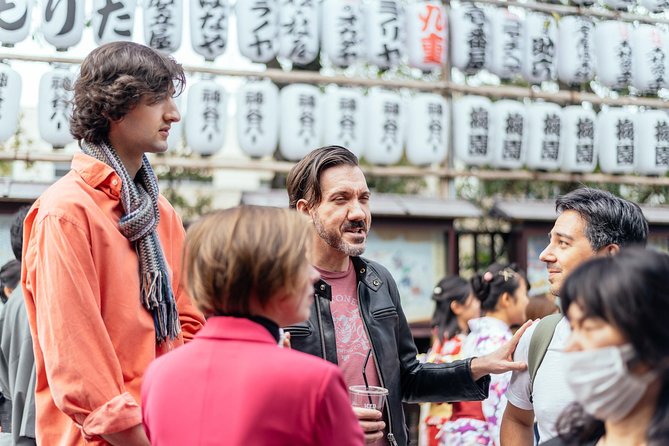
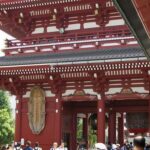
Nakamise Shopping Street is where Asakusa gives you that immediate “I get it now” feeling. You step through the colorful Kaminarimon gate area with traditional lanterns and statues, then walk into a long stretch of shops.
This stop is special because it isn’t just souvenir shopping. The street has locals shopping here since the 18th century, which means the storefront rhythm and snack counters are part of the neighborhood’s identity, not an afterthought for tourists.
You’ll likely notice a mix of:
- souvenirs and traditional goods
- street food stations
- sweet treats
Time-wise, you get around 20 minutes here. That’s enough to soak it in, sample something small if you want, and buy a couple of items without feeling like you missed the rest of the day.
The one drawback: if you’re the type who can spend an hour browsing every shop, 20 minutes will feel short. My advice is to treat Nakamise as your “first look” and keep bigger shopping for after the tour—unless your top priority is building your temple-and-shop understanding first.
Stop 2: Hozomon Gate and the Age Manju Flavor Choice
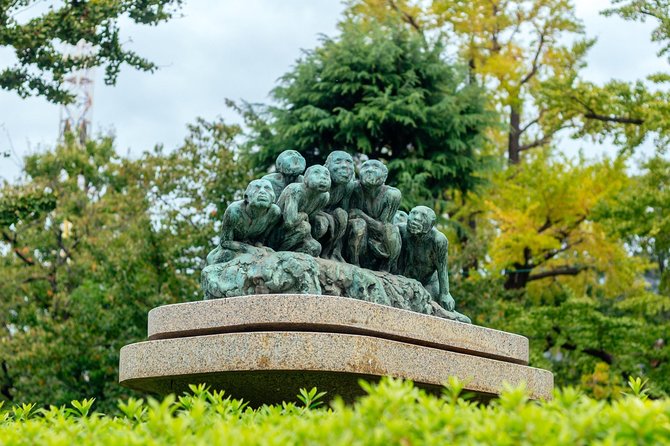
From Nakamise, you head toward Hozomon, the second gate leading into the Senso-ji approach area. Before you pass deeper, you stop by a store to try Age Manju in a flavor of your choice.
This is one of the best kinds of food stops on a tour: quick, local, and tied directly to what you’re doing. You’re not dragged into a restaurant for a big sit-down meal. You’re eating while you’re getting oriented.
After that, your guide walks you through the gate area. That matters because temple spaces can feel confusing if you only have a map and no context. A local host helps you understand what each gate line means and what you should look for as you move inward.
Time for this segment is about 20 minutes. That’s a sweet spot for a snack and a first clear view of the temple approach.
A consideration: this area can be busy. Your best move is to eat quickly, keep an eye on your guide, and use the walking time to look up at the gate structures and signage rather than stopping for every photo.
You can also read our reviews of more historical tours in Tokyo

Stop 3: Senso-ji Temple Grounds and the Incense Smoke Moment
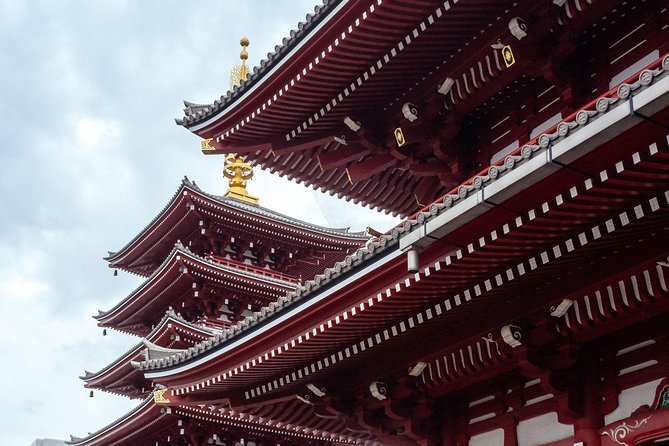
Now you’re at Senso-ji, listed as dating back to the year 628. That’s not a small temple. It’s a cornerstone.
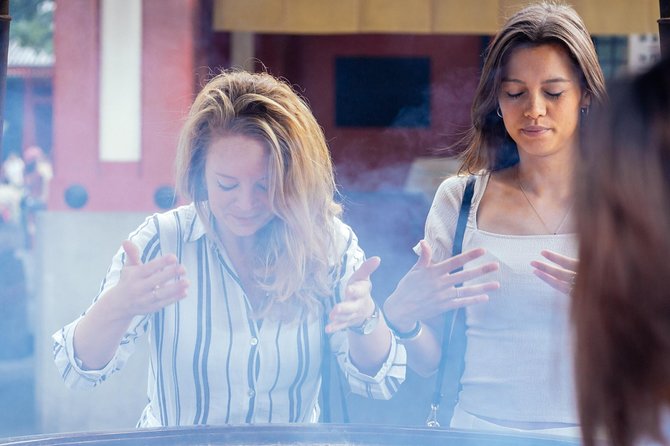
The tour includes a moment right before entry where the incense smoke wafts over you. You’ll smell it before you see everything clearly. People treat this as part of the ritual and purification belief tied to the experience, and the tour frames it as a chance to take part in the moment with the group.
Once you’re inside the temple grounds, your guide brings the past to life through stories about events that shaped Tokyo. That storytelling is the real value here. Anyone can point out the big buildings. A good guide helps you understand why they matter.
Time is around 20 minutes at Senso-ji. That’s enough time to:
- walk through key areas
- notice details
- ask questions without rushing
But if you want to linger for a long prayer session, deeper exploration of side corners, or lots of photos at perfect angles, you’ll need to plan extra time before or after your tour.
Stop 4: Asakusa Hanayashiki Lanes and Melon Pan Bites
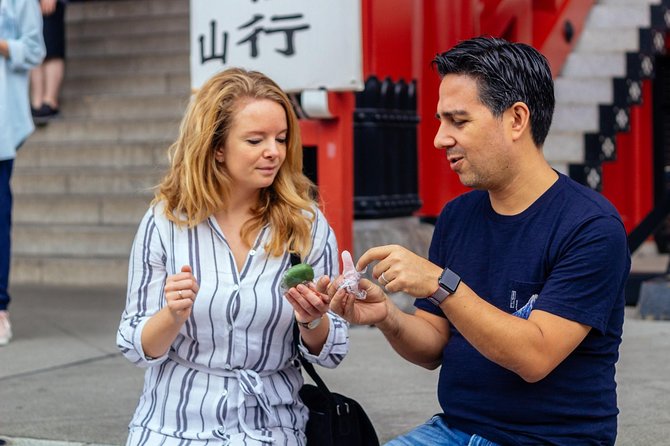
Next you move through narrow streets toward the Hanayashiki area. The tour specifically calls out a spot famous for freshly made melon pan bread.
This is a small stop, about 15 minutes, but it’s the kind of sweetness break that keeps your energy up while you’re still in a walking rhythm. Melon pan is one of those foods that tastes best when it’s fresh, and this stop is designed to give you that timing.
What I like here is the contrast. You go from temple intensity and gate structure to street-level snack culture and everyday lanes. It makes Asakusa feel like a neighborhood again, not a theme park.
If you’re sensitive to crowds, this area can still feel active, but it usually spreads out more than the main temple frontage. Stay aware, stick with your guide, and use the quick bite as a reset.
Stop 5: Edo Taito Traditional Crafts Center (Edo Shitamachi Museum)
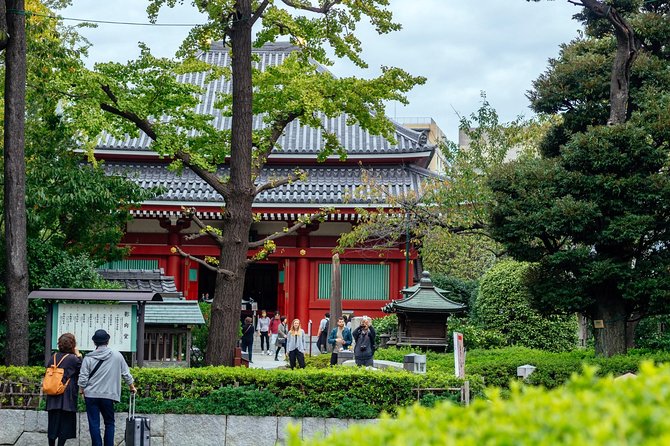
After the sweet break, you pivot to making. The route includes the Edo Taito Traditional Crafts Center, also referred to as the Edo Shitamachi Traditional Crafts Museum.
This stop is about Tokyo’s creative side—items made by local artists and craft traditions. You’ll see cool items tied to the area’s craft culture. And there’s a bonus condition: if you visit on the weekend, you may see someone performing the craft in front of you.
That “watch it happen” factor is huge. When someone shows you how a craft is made, the objects stop being souvenirs. They become skills and choices.
Time is about 15 minutes. That’s short, but enough to:
- see what’s being made
- learn what makes it special
- pick up a small item if it fits your style
The only drawback is the time limit. If you want to watch demonstrations for a long stretch or talk with artisans in depth, you’ll need to return later on your own.
Stop 6 and 7: Kappabashi Street and the Dogugai Food-Model World
Now you switch from crafts to food presentation tech, which sounds silly until you see it. The tour includes Kappabashi Street at Kappabashi Dogugai, stopping here twice with about 15 minutes per segment.
This is the street where restaurants make perfect models of their dishes—the realistic replicas used for displays outside shops. It’s a very practical corner of Tokyo culture: people eat with their eyes first, and these models are the interface between the street and the menu.
I like this stop because it explains a part of Japan that you might otherwise miss. You’ll walk past shops with display windows and think it’s just decoration. With the guide, you understand the craft purpose behind it.
Time is tight, but the payoff is big. If you have a few minutes in your camera roll devoted to quirky details, this is where you’ll fill it.
One more consideration: because it’s specialized shopping, it can turn into a browsing rabbit hole if you’re trying to buy tools, supplies, or display items. Use the guided time to understand what you’re looking at, then shop thoughtfully.
What Makes the Guides Matter: Flexibility You Can Feel
The tour is explicitly private and customizable, and the guide feedback attached to this experience consistently points to a theme: the guide can adapt.
That shows up in small ways. Abu is praised for being able to sort out requests quickly. Shelina is credited with personalized pacing and going above and beyond. Gulay is noted for sharing history and culture while also finding strong shop spots on Kappabashi. William’s experience notes include seeing a wedding ceremony and even a samurai ceremony together during the visit. Carlos is praised for introducing many aspects of Asakusa and offering helpful Tokyo recommendations afterward. RamKy is praised for teaching through backstreets and temple grounds with a conversational style.
Not every guide will give you the same exact outcomes on every day, but the common thread is that the host isn’t just reciting. They’re reading your needs and keeping you moving in the right direction.
If you want a tour where you can ask: What am I looking at here? Why is that gate different? What should I do next in Asakusa?—this is the format.
Who This Tour Suits Best (and Who Might Want Something Else)
This private tour is a strong match if you:
- want a guided walk through Senso-ji + Nakamise + Kappabashi
- like having context for temples and street culture
- prefer a you-and-your-guide experience over joining a big group
- enjoy trying quick local sweets, like Age Manju and melon pan
It may be less ideal if you:
- want a full-day shopping spree
- are mainly chasing food without much interest in gates, crafts, and temple context
- need more time at Senso-ji than the allocated visit window
For families, it can work well too because the stops are short and focused. But since the tour calls for moderate physical fitness, make sure the walking pace and crowd movement won’t wear you down.
Booking Timing and Mobile Ticket Convenience
This tour is booked on average about 48 days in advance, which tells me it’s a popular slot—especially for travelers who want to lock in a private guide.
It also uses a mobile ticket, which makes check-in smoother and cuts down on fumbling with paper. Hotel pickup isn’t included, so you’ll want to plan your own route to the Kaminarimon meeting point.
Should You Book This Asakusa and Senso-ji Private Tour?
I’d book it if you want a smart, guided loop through the places that define Asakusa: temple entry, old shopping lanes, craft culture, and Kappabashi’s display-model street. The price makes sense because you’re not paying for entrances; you’re paying for interpretation, pacing, and a local host who can tailor the walk.
Skip it if your goal is purely shopping or purely eating. The tour is built for history and culture you can see in real space, plus a couple of quick treats, not for a long linger-all-day spree.
If you’re on your first Tokyo trip and you want one neighborhood to understand deeply without getting lost, this is a solid choice. You’ll leave with better street-level instincts for what you’re seeing in Asakusa the next time you pass by on your own.
FAQ
How long is the Tokyo History: Sensoji Temple & Asakusa District Private Tour?
The tour lasts about 3 hours.
Is this tour private or group-based?
It’s a private tour. It’s only you and your local guide.
What’s included in the price?
The tour includes a private guide, a CO2-neutral offset for emissions, and an offering at Sensoji Temple.
Are entrance fees included for the stops?
Admissions are listed as free for the stops on the itinerary.
Is food included?
Food and beverages are not listed as included. You may have opportunities to try snacks during the walk, but you should expect extra costs for anything you buy.
Where do I meet, and does the tour end nearby?
You start at 2-chōme-16-11 Kaminarimon, Taito City, Tokyo 111-0034, Japan. The tour ends back at the same meeting point.
What is the cancellation policy?
You can cancel for a full refund up to 24 hours in advance of the experience start time. If you cancel less than 24 hours before, the amount paid is not refunded.