REVIEW · TOKYO
Get Unique Insights into Tokyo – Private Tour with local Guide
Book on Viator →Operated by Shiny Tours Tokyo · Bookable on Viator
Tokyo hits different with a guide. This private walking tour is a fast way to make sense of Tokyo’s neighborhoods, from Meiji Jingu to Shibuya Crossing, with real local pacing and photo help. Two things I really like: your guide takes solo and group photos at landmarks, and you get coffee or tea plus a typical Japanese snack to keep your energy up. The only real drawback to weigh is the walking: even with included transit between stops, you’ll still be on your feet, especially at shrine grounds and busy crossings.
If you’re lucky enough to get guides like Jero or Franz, expect a tour that feels personal rather than rigid. Many guides also adapt to your pace and interests, and some even work around tough crowd moments (like Sunday foot traffic) with smarter routing. Pick the hours that match your energy, and you’ll come away with a plan for where to go next.
In This Review
- Key highlights you’ll feel on this tour
- Price and time: is $82.90 per person good value?
- Starting point and finishing point: why Shibuya to Shinjuku is smart
- Your route through Tokyo: how the stops work together
- Meiji Jingu Shrine: calm first, manners taught
- Harajuku: Takeshita Street to quieter fashion lanes
- Shibuya Crossing: navigating the crowd like you belong
- Shinjuku and Kabukichō: skyscrapers and neon Tokyo at night
- Odaiba, Asakusa, Akihabara, Ueno, Imperial Palace Gardens: what you might add
- How the guide handles photos, coffee/tea, and local tips
- Transportation between destinations: you won’t be stuck
- What to bring, and how to choose morning vs afternoon
- Who this tour fits best (and who should think twice)
- Final verdict: should you book this Tokyo private tour?
- FAQ
- How long is the Tokyo private tour?
- Where does the tour start and where does it end?
- Is pickup offered?
- Do I get photos during the tour?
- What food and drinks are included?
- Is transportation between stops included?
- Will I have an English-speaking guide?
- Is this a private experience?
- Can I cancel for a refund?
Key highlights you’ll feel on this tour
- Photo stops built in: solo shots and group shots at major landmarks, plus extra photo attention during the day
- A route that teaches Tokyo, not just photo ops: shrines, street life, and neon districts connected by practical context
- Tea/coffee and a typical snack: a small break at the right time so the tour doesn’t drag
- Flexible duration (2 to 6 hours): choose a shorter highlights loop or a longer neighborhood mix
- English-speaking private guide: you can ask questions and get recommendations you’ll actually use
- Included transport between areas: you’re not stuck figuring out every connection on your own
Price and time: is $82.90 per person good value?
At $82.90 per person, the value mostly comes from the private format: you’re paying for a guide to steer the day. You’re not just walking from one famous spot to another; you’re getting help understanding what you’re seeing and how to move through the city afterward.
The duration matters here. The tour can run from about 2 to 6 hours, and you can choose a start time and how long you want to go. If you’re jet-lagged or short on time, the shorter option gives you a clean overview. If you want more neighborhoods, the longer option lets the day breathe and adds extra districts to explore.
One small note: meals and drinks beyond the included tea/coffee and snack aren’t covered, so plan on grabbing your next meal on your own.
You can also read our reviews of more guided tours in Tokyo
Starting point and finishing point: why Shibuya to Shinjuku is smart
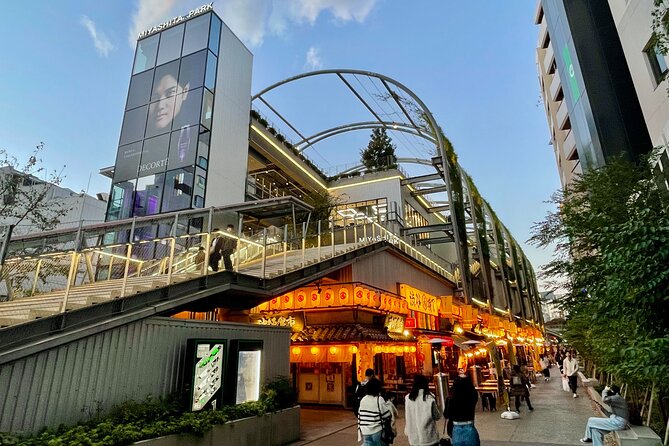
This tour begins at Meiji Jingu Ichino Torii near Jingūmae in Shibuya, and it finishes near a well-known landmark in Shinjuku (the Giant 3D Cat area). The ending is conveniently close to Shinjuku Station, which is one of the easiest places to continue your day.
Why that routing works: you get a “Tokyo orientation” arc. You start with a calm, historic anchor (Meiji Jingu), then you move toward the city’s loudest, most iconic intersections (Harajuku and Shibuya), and you wrap up in Shinjuku, where it’s easy to branch out for food, nightlife, or transit to other parts of Japan.
Your route through Tokyo: how the stops work together
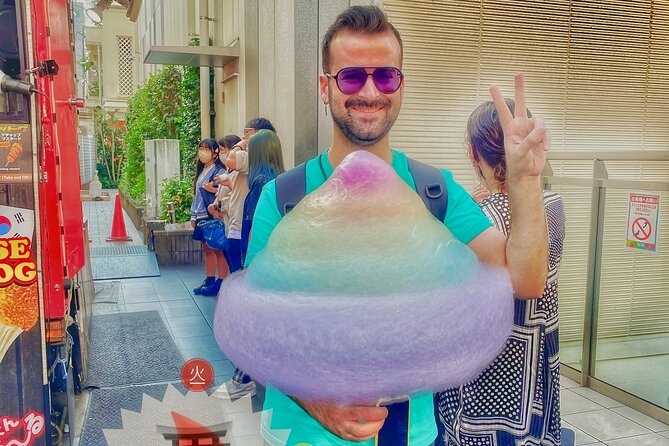
The exact mix depends on the hours you choose, but the tour is built around a clear idea: connect classic Tokyo with modern Tokyo, then add side streets that most visitors skip.
Here’s the overall flow you can expect:
- A major shrine introduction that explains Japanese manners and context
- Harajuku’s street energy (shopping and youth fashion areas)
- Shibuya’s famous crossing and the feeling of Tokyo in motion
- Shinjuku’s skyline and neon atmosphere
- Optional add-ons that can include Odaiba, Asakusa, Akihabara, Ueno, or Imperial Palace East Gardens
That structure is useful because it helps you place neighborhoods in your head. Instead of collecting random photos, you understand how Tokyo’s identity shifts block by block.
Meiji Jingu Shrine: calm first, manners taught
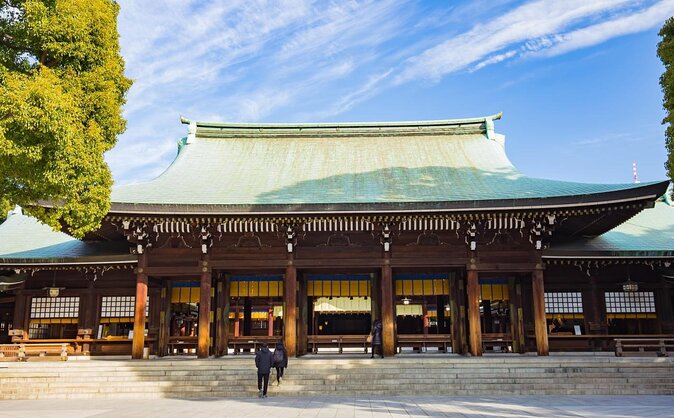
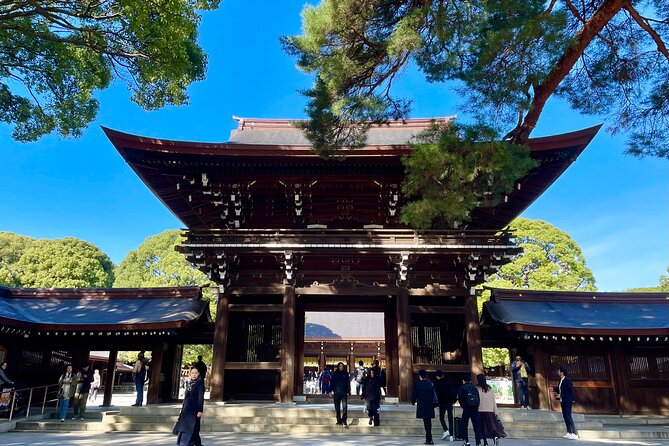
Meiji Jingu Shrine is the kind of start that resets your brain. The walking portion takes you toward the main building, and the guide explains the culture and history so the shrine feels more than just another stop on a checklist.
One practical takeaway from guides’ style: you’re taught proper customs and what respectful behavior looks like. That matters because shrines aren’t just tourist photo sets. You’ll feel more confident walking through, bowing, and moving through the grounds the right way.
If you’re arriving from a long flight, this is also a great landing point. It’s quieter than the city centers, and it sets a slower pace before you step into the busier districts.
Harajuku: Takeshita Street to quieter fashion lanes
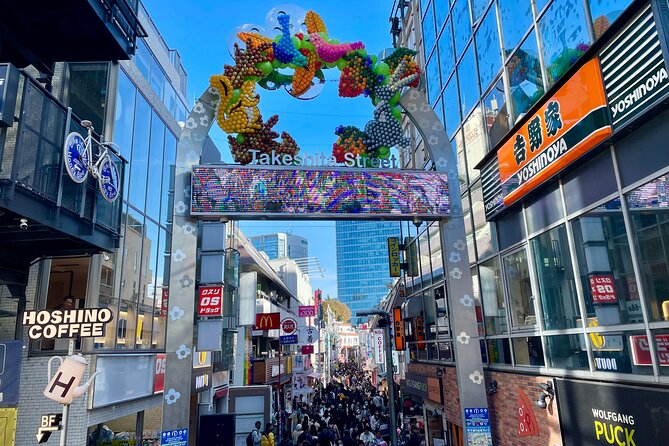
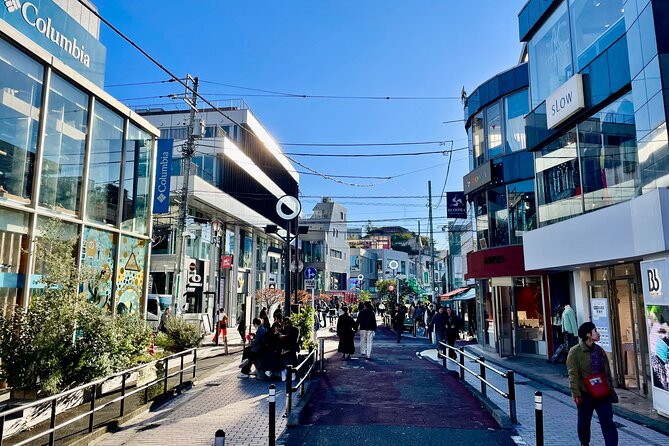
After Meiji Jingu, the route heads into Harajuku. You’ll pass through Takeshita Street, which is famous for colorful, youth-focused shopping and quick, energy-heavy browsing.
But what makes this tour better than a basic Harajuku hit is the “street-style wonderland” approach. The day continues with fashion-area wandering that often includes Cat Street and Omotesando depending on your hours. You get a sense of how Harajuku’s vibe changes as you move from the most crowded shopping strip into nearby streets where the style is still current, but less chaotic.
Practical value: with a guide, you’re not just seeing trends—you’re learning where those neighborhoods feel distinct and how locals experience them.
You can also read our reviews of more private tours in Tokyo


Shibuya Crossing: navigating the crowd like you belong
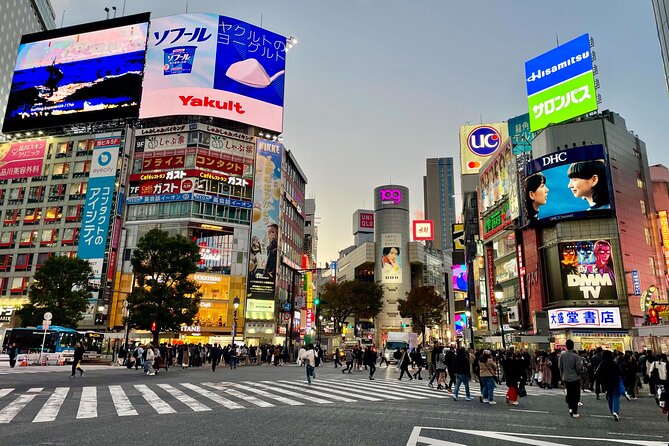
Then comes Shibuya Crossing, the big one. It’s a great place to understand Tokyo’s scale, because you can stand in one spot and watch how people flow through the intersection in controlled waves.
What I like about how guides handle Shibuya is the “how to” layer. The tour isn’t only about the visual spectacle. You also get tips that help you handle the metro and station movement later, which is huge for first-time visitors.
If you go at peak times, it can feel overwhelming. The guide’s job is to keep you oriented. Some guides may even plan routes that help reduce the worst crowd pressure on busy days.
Shinjuku and Kabukichō: skyscrapers and neon Tokyo at night
From Shibuya, the tour shifts to Shinjuku, and the tone changes fast. You’ll see the towering skyline area and photo opportunities that make Tokyo look like a tech movie.
After the skyline moments, the tour heads toward Kabukichō and finishes with a stop at the Kubukichō Tower area, which is aimed at giving you that unmistakable neon Tokyo feeling. This part is especially good for photos, but it’s also good for understanding Tokyo’s entertainment geography—where the energy concentrates and why people gather there.
A quick consideration: this is where the city gets loud. If you prefer quiet streets, plan to take small breaks and ask your guide to slow down for a breather.
Odaiba, Asakusa, Akihabara, Ueno, Imperial Palace Gardens: what you might add
Because the tour runs from about 2 to 6 hours, you may not see every district listed. But the experience is designed so longer options can layer in additional Tokyo icons and different “Tokyo moods.”
Here are the main optional additions you can expect in the broader itinerary set:
- Odaiba: futuristic feel with places like Aqua City and DECKS Tokyo Beach. You might also see the nostalgic Hikara Yokocho area and the Unicorn Gundam statue.
- Asakusa: described as the origin of Tokyo’s entertainment district during the Edo period, with the spirit of festivity still present.
- Akihabara: called Akiba, known for what started as a post-war radio parts black market and grew into one of Tokyo’s most distinctive tech and pop-culture hubs.
- Ueno Park: a green space tied to Kaneiji Temple history, with cultural offerings and seasonal beauty.
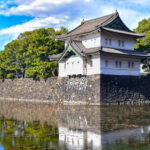
- Imperial Palace East Gardens: a calmer pause in central Tokyo, connected to Edo Castle remnants like stone walls and gates, plus the moat area feel.
This range is the real strength of the tour. You can get a slice of shrine Japan, youth-fashion Japan, neon-city Japan, and then add one or two “special interest” stops like tech culture (Akihabara) or museums/park time (Ueno).
How the guide handles photos, coffee/tea, and local tips
A lot of Tokyo tours promise photos. This one builds it in: you get solo pictures with famous landmarks and group pictures too, and guides typically take an active role during stops so you don’t feel like you’re constantly asking strangers.
You also get a typical Japanese drink—coffee and/or tea—and a snack. Even if it’s not a full meal, it’s smart pacing. It keeps energy steady so you don’t rush through the last neighborhood because you’re hungry.
The guide’s value goes beyond the camera. Many reviews highlight that guides explain how to be a good guest in Tokyo, plus practical navigation advice (like metro tips). That’s especially useful if you’re new to Japan and don’t want every train trip to feel like a puzzle.
Transportation between destinations: you won’t be stuck
You’re not expected to walk Tokyo in one shot. Transportation between tour destinations is included, which makes a big difference when you’re covering areas like Harajuku, Shibuya, and Shinjuku in the same day.
You’ll also get a real sense of how the rail network works, since the guide connects neighborhoods efficiently. That helps for the rest of your trip because you’ll leave knowing where to go next with less stress.
One practical consideration: if you choose the shorter 2–3 hour version, the emphasis will likely be on the highest-impact stops, not long detours.
What to bring, and how to choose morning vs afternoon
This tour is built for a walking day plus some transit. Wear comfortable shoes you can move in for a few hours, and bring a light layer because shrine areas and crossings can feel different depending on the time of year.
For timing:
- Morning tours often feel calmer, especially around shrine areas and when foot traffic hasn’t peaked yet.
- Afternoon tours can give you a better mood shift, especially if your route includes neon areas in the evening-leaning light.
If you’re sensitive to crowds, tell the guide your preferences up front. The tour is described as flexible about where to start and how to plan the day, and guides have shown they can adapt their routing on busy days.
Who this tour fits best (and who should think twice)
This is a strong match if:
- You’re a first-timer who wants a real orientation to Tokyo
- You want a private, English-speaking guide instead of a large group
- You care about practical tips and cultural manners, not only photos
- You’d like someone to take pictures so you can actually enjoy the moment
It may be less ideal if:
- You hate walking at all. You’ll still be moving through districts and shrine grounds.
- You’re only interested in one niche area (like purely Akihabara or purely anime shopping). You might prefer a focused tour for that.
Final verdict: should you book this Tokyo private tour?
Yes, you should book it if you want Tokyo to make sense fast. For the price, you’re buying three things that matter: a private guide who can tailor the day, included transit between distant neighborhoods, and built-in photo support plus tea/coffee and a snack to keep the tour comfortable.
Book it early in your trip. Finishing near Shinjuku Station means you can branch out immediately after. And if you choose the length that matches your energy—2 to 6 hours—you’ll get the overview without feeling like you’re sprinting through the city.
If you’re trying to decide between a DIY day and a guided start, this is the type of tour that reduces the stress. It gives you both the famous Tokyo highlights and the kind of neighborhood context that helps you explore on your own afterward.
FAQ
How long is the Tokyo private tour?
It runs for about 2 to 6 hours, depending on the option you choose.
Where does the tour start and where does it end?
The meeting point is at Meiji Jingu Ichino Torii in Jingūmae (near Shibuya). The tour finishes near the Giant 3D Cat area in Shinjuku, close to Shinjuku Station.
Is pickup offered?
Pickup is offered, based on the tour details you select at booking time.
Do I get photos during the tour?
Yes. Your guide will take solo pictures of you with landmarks, and also group pictures.
What food and drinks are included?
The tour includes coffee and/or tea and a traditional Japanese snack. Food and drinks beyond that are not included.
Is transportation between stops included?
Yes. Transportation between destinations is included to help you move comfortably between areas.
Will I have an English-speaking guide?
The tour offers English-speaking guides.
Is this a private experience?
Yes. It’s private, and only your group participates.
Can I cancel for a refund?
You can cancel up to 24 hours in advance for a full refund. If you cancel later than that, the amount you paid will not be refunded.