REVIEW · TOKYO
Professional Ramen & Gyoza with Ramen Chef in a restaurant!
Book on Viator →Operated by Baba Ramen · Bookable on Viator
Tokyo makes ramen everywhere. This class makes it personal.
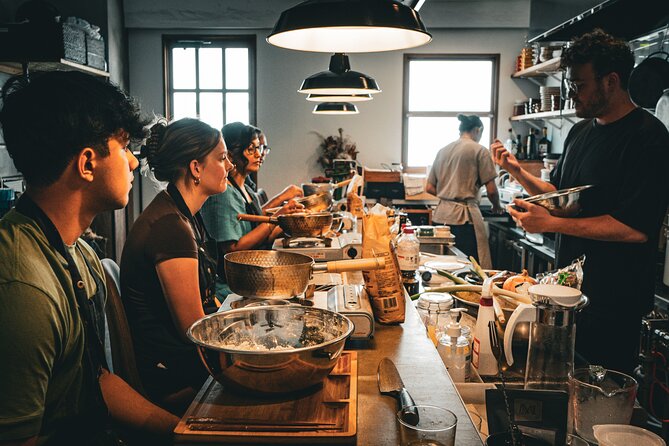
What I like most is the format: you’re not learning ramen at someone’s home. You’re working in a restaurant kitchen with pro-grade equipment, which changes the whole feel. I also love that the class is built for a small group (max 6), so you get real back-and-forth guidance instead of standing on the sidelines. One thing to consider: this is hands-on cooking, with heat and sharp tools, so come ready to work and be flexible if you’re expecting a super-light, sit-and-watch experience.
In This Review
- Key Highlights You’ll Actually Care About
- Ramen in a real Tokyo kitchen: what makes this class different
- The 4-hour flow: noodles, broth choices, and gyoza work
- Professional tools and small groups: why the coaching feels personal
- Broth options, etiquette, and what you’re really learning
- Diets, allergies, and how to request changes
- Price and value in Tokyo ramen land
- Where to meet in Meguro and how to plan your morning
- What you take home: e-book recipes and ramen layers that stick
- Who this suits best (and who should think twice)
- Should you book Baba Ramen Cooking Meguro’s Ramen & Gyoza class?
- FAQ
- How long is the ramen and gyoza cooking experience?
- What time does the class start?
- Where is the meeting point?
- What’s the group size limit?
- Can I request vegetarian, vegan, gluten-free, or pork-free options?
- What is the cancellation policy?
Key Highlights You’ll Actually Care About
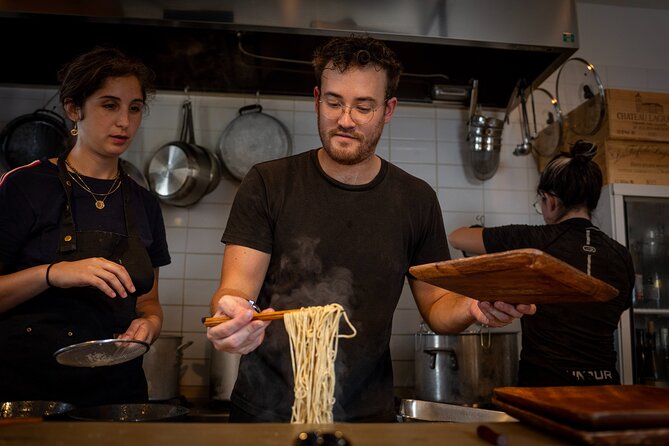
- Restaurant kitchen experience: you use commercial-style gear, not a tiny home setup
- Small group coaching (max 6): more time for questions and technique fixes
- Ramen noodles + gyoza from scratch: you build both, not just assemble
- Two broth options: pick the flavor direction that matches your taste
- Dietary accommodations available: vegetarian/vegan, gluten-free, and pork-free by request
- Take-home e-book: you get the recipe system to recreate your bowl later
Ramen in a real Tokyo kitchen: what makes this class different
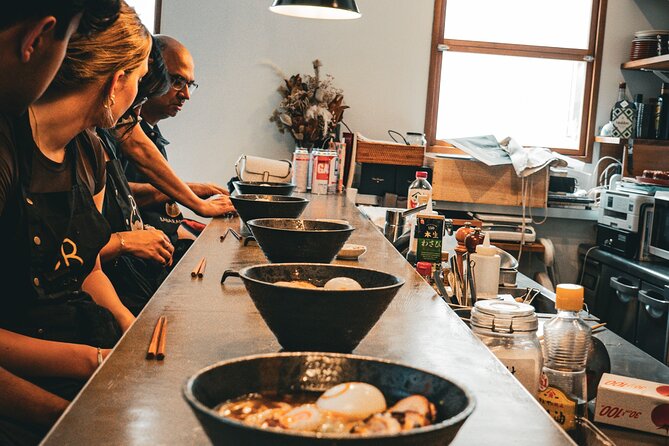
If your idea of a ramen class is rolling dough on a counter and hoping for the best, this one is built differently. The big win is that it takes place in a proper restaurant setting at Baba Ramen Cooking Meguro, so the tools and workflow match what you’d expect from the real deal. That matters because ramen isn’t just ingredients. It’s timing, texture, and temperature control—stuff that’s hard to learn in a casual kitchen.
You also don’t just learn the how. You get the why. The teaching includes context around ramen making and how to handle the process with the right etiquette. That combination helps you understand what you’re doing, not just copy steps. And because the chefs are bilingual (English & Japanese), you can ask practical questions and get answers you can use right away.
One more practical point: since the format is restaurant-based, the final meal feels less like a demo and more like the payoff of the work you’re doing. You make ramen noodles and gyoza, then eat what you produced—so you can judge the results with your own taste buds, not just pictures.
You can also read our reviews of more tours and experiences in Tokyo

The 4-hour flow: noodles, broth choices, and gyoza work
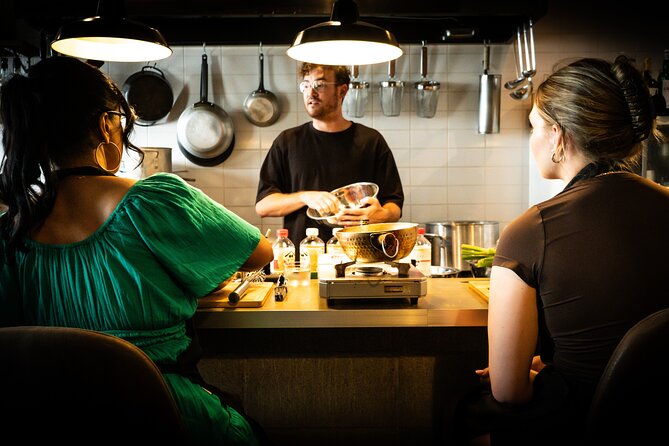
This runs about 4 hours, starting at 9:00 am and ending back at the meeting point. In that window, you’re not doing one small task. You’re doing multiple core parts of ramen, plus the gyoza. The class is designed to keep you active the whole time.
Here’s how the experience is structured in spirit:
First comes ramen prep and technique. You’ll learn how ramen is built—its key layers and how each part affects the finished bowl. Expect instruction on how to handle ingredients and tools safely, then you move into the hands-on section. This is the part people tend to remember most: you’re making ramen noodles from scratch and also rolling and assembling gyoza.
Next, the broth decision matters. You get to choose between two broth options, so you can steer the flavor profile. One group perk here is that you’re not guessing what you chose. You’re actively involved in the cooking steps, so your choice feels real, not random.
Then you put it together and eat. The class culminates in a ramen and gyoza meal that matches the work you did—so you get immediate feedback on texture, seasoning, and the balance between noodle, broth, and toppings (including the gyoza you made).
A word of advice: come prepared to be busy. Even if you have cooking experience, ramen takes effort because so much has to be right at once. Some participants specifically mention doing intense prep tasks during broth work, so if you’re sensitive to heat or mess, be mentally ready.
Professional tools and small groups: why the coaching feels personal
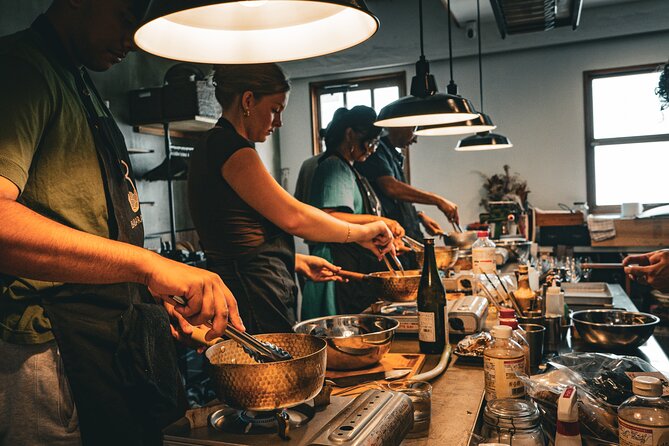
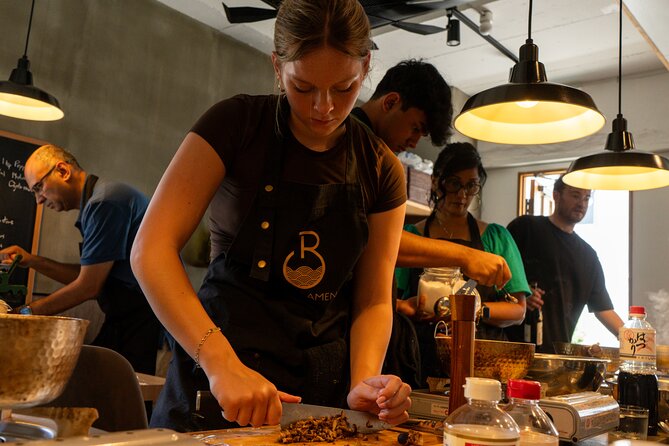
The course caps out at 6 travelers, which is a big deal in a busy kitchen. In a class that small, you’re much more likely to get corrected in real time—what to press, how to fold, what not to rush, and how to adjust when something doesn’t look exactly like the example.
The class is also led by a team with strong English-Japanese communication skills, and you’ll likely see the same names show up again and again: Andrew and his team, with instructors mentioned such as Eric, Jae, and Leo. That matters because it signals a consistent teaching style, not a rotating grab-bag of helpers.
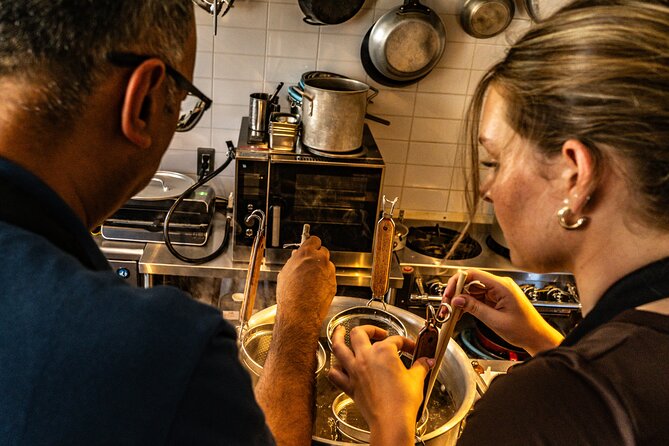
In practice, this is what you want from a ramen class: hands-on time plus feedback. When you’re rolling noodles, small mistakes show up fast. When you’re shaping gyoza, uneven folds affect cooking. When you’re building broth components, timing changes flavor. A small group setup keeps those details from slipping through the cracks.
Also, the pacing seems designed for participation. Most people come away feeling like they did the work, not just watched someone else do it. You’ll likely appreciate that if you’ve taken cooking classes before where you do one step, take photos, then wait for the meal.
Broth options, etiquette, and what you’re really learning
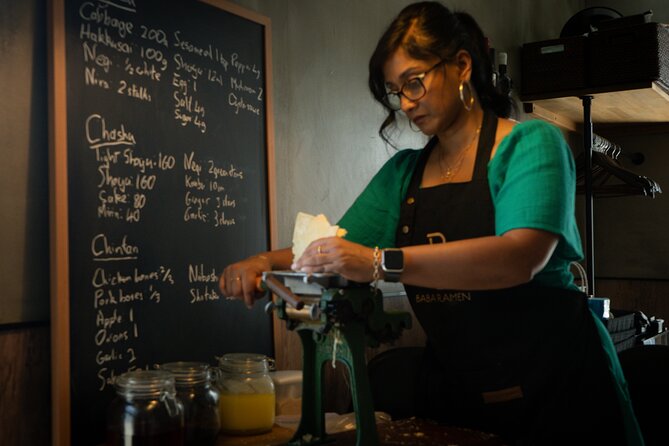
Ramen can look simple until you try to make it. The lesson here goes beyond ingredients by teaching the ramen logic: how each component works, why some steps take time, and how to treat the process with care.
The class includes instruction on ramen etiquette, which might sound like a side topic until you realize it shapes your experience. In Japan, the way you approach food can reflect respect for the craft—how you handle utensils, how you move through prep, and how you think about the bowl as a finished system, not just a hot soup.
The broth part is where you get personal preference. Since you choose from two broth options, you’re learning how different directions change the final character. That choice is also a gift for taking the recipe home: you’ll recreate a bowl that matches what you actually enjoy, not what a default menu assumes everyone wants.
If you care about making ramen at home, this class gives you something rare: a recipe approach that’s built around technique and structure. One of the big takeaways is the idea of layers—so you don’t just copy one seasoning packet and call it a day. You learn what each part contributes, which makes home experiments far less frustrating.
Diets, allergies, and how to request changes
This experience states that it can accommodate a range of needs if you plan ahead. You can request:
- Vegetarian and vegan options (on request, subject to availability)
- Gluten-free option (on request, subject to availability)
- Pork-free option (on request, subject to availability)
You’ll want to comment on your request during booking so the team can plan the station and ingredients. The class also lists support for service animals and mentions it’s near public transportation.
Practical tip: if you have allergies, don’t be vague. Even if the class says it can adjust for pork-free or gluten-free, it’s still worth explaining what you need to avoid and how serious it is. For example, cross-contact concerns are usually handled case by case, and the quicker you tell them, the better.
Also, remember what you’re signing up for: noodle and gyoza making. Those parts can be sensitive to ingredient substitutions. If you request a diet change, you may get a version that still teaches the same technique, but it may not be identical to the standard bowl. That’s normal for hands-on cooking.






Price and value in Tokyo ramen land
At $159.18 per person for about 4 hours, this isn’t the cheapest cooking class you’ll find in Tokyo. But it’s also not a casual snack workshop. You’re paying for a few things that add real value:
1) Restaurant kitchen setting with professional equipment
2) Active instruction for a full morning stretch
3) Making ramen noodles and gyoza from scratch, not just watching
4) Two broth choices, plus the tasting payoff
5) A take-home cooking e-book to recreate what you learned
In Tokyo, the cost of doing this correctly matters. Home-style classes can teach technique, but ramen is demanding, and commercial tools make technique more transferable. If you want to come away with something you can actually reproduce, the e-book is a meaningful part of the value. It gives you a reference when you’re back in your kitchen and the memories of texture and timing start to blur.
If you’re on a tight budget, it may be a tough sell. But if ramen is a priority and you like learning by doing, this pricing starts to look fair. You’re basically buying a guided, structured ramen production experience plus a real meal at the end.
Where to meet in Meguro and how to plan your morning
The meeting point is Baba Ramen Cooking Meguro101, located at 3-chōme-7-32 Shimomeguro, Meguro City, Tokyo 153-0064, Japan. It starts at 9:00 am and ends back at the meeting point.
The good news: it’s listed as being near public transportation, so you don’t have to rely on taxis to get there. Still, plan to arrive a few minutes early. A ramen class is time-dependent. If you’re late, you can lose the rhythm of noodle work and broth preparation.
Also, this is a mobile-ticket experience, and you’ll get confirmation at booking. That’s convenient. But the smartest move is to keep an eye on what day/time you booked and show up prepared for kitchen work: closed-toe shoes and a mindset that your hands will get involved.
Weather is mentioned as a factor. Since this is scheduled outdoors to some degree in terms of participant movement, the operator can shift plans if conditions are poor. If weather changes your Tokyo itinerary, you’ll want the schedule flexibility that a food-focused activity like this often requires.
What you take home: e-book recipes and ramen layers that stick
Many cooking classes end when the meal ends. This one extends the experience. You take home a cooking e-book, and that matters because ramen isn’t a one-day memory trick. It takes practice to recreate noodle texture and get seasoning balance right.
The teaching also includes context and process knowledge: history of ramen, what you’re aiming for at each step, and what ramen etiquette means in the context of the craft. That blend is why people often come away with a feeling of respect for the work, not just a stomach full of food.
A practical benefit for home cooks: since the class covers the components of ramen and includes broth choice, you’re more likely to replicate your version rather than defaulting to whatever a recipe blogger says. If you’ve ever tried to copy a ramen recipe and ended up with something that tastes close but feels wrong, the likely fix is understanding the layers and timing, not just the ingredients.
And yes, you’ll eat what you make. That’s the final check. You get a bowl that matches your effort and you can compare it to what you’ve tasted in Tokyo. If you nailed it, you’ll know. If you missed something, you’ll understand what to adjust next time.
Who this suits best (and who should think twice)
This is an excellent fit if you want a hands-on ramen making class in Tokyo and you like doing real work in the kitchen. The format also tends to appeal to people who take cooking classes as part of their travel style—because you leave with both technique and a take-home recipe system.
It’s also a good option for people who care about structure. The small group size and clear teaching style mean less confusion and more coaching.
Families can work well here too, since the class is built around active participation rather than passive watching. If you’re traveling with kids, plan based on your family’s comfort with kitchen heat and active stations.
Who might want a different option: if you’re expecting a relaxed, mostly observational activity, this one can feel like training. Several participants describe the class as hands-on and hard work. Also, if you’re sensitive to the mess or the pace of cooking, consider whether you want that kind of effort from your Tokyo morning.
Should you book Baba Ramen Cooking Meguro’s Ramen & Gyoza class?
If ramen is on your Tokyo hit list, I’d book this—especially if you want to do more than eat. The combo of restaurant kitchen, small group coaching, and making noodles and gyoza from scratch gives you a learning experience that’s actually transferable to your own cooking.
I’d also recommend it if you’re dietary-restricted and can plan ahead with requests. The class lists options for vegetarian/vegan, gluten-free, and pork-free by request, which is exactly what you need when Tokyo food choices can be tricky.
The main reason to hesitate is cost and effort. At $159.18, you’re paying for a full workshop, not a budget snack tour. And the kitchen time is real. If you’re okay with that trade, you’ll likely come away with both a great meal and the confidence to try ramen again later.
If you want a single Tokyo food experience that teaches you skills you’ll keep using, this is a strong pick.
FAQ
How long is the ramen and gyoza cooking experience?
It lasts about 4 hours.
What time does the class start?
The start time is 9:00 am.
Where is the meeting point?
Meet at Baba Ramen Cooking Meguro101, 3-chōme-7-32 Shimomeguro, Meguro City, Tokyo 153-0064, Japan.
What’s the group size limit?
This activity has a maximum of 6 travelers.
Can I request vegetarian, vegan, gluten-free, or pork-free options?
Yes. Vegetarian and vegan options are available on request (subject to availability), and gluten-free and pork-free options are also available if you comment in your request (subject to availability).
What is the cancellation policy?
You can cancel for a full refund up to 24 hours before the experience starts. Free cancellation is offered, but refunds aren’t available if you cancel less than 24 hours before the start time.