REVIEW · TOKYO
Tokyo: Spring Hitachi Seaside & Ashikaga Flower Park Tour
Book on GetYourGuide →Operated by JTOURSTORY · Bookable on GetYourGuide
Blue hills and purple tunnels in one day. This is a one-bus escape from Tokyo that strings together Hitachi Seaside Park’s famous blue nemophila slope and Ashikaga Flower Park’s cascading wisteria, with a food stop at Mibu Michi no Eki in between. I love the way the morning turns into a sky-and-ocean photo moment on Miharashi Hill, and I love how Ashikaga delivers both purple wisteria curtains and an about 80-meter white tunnel. The main drawback is simple: it’s a long day, so if you want to linger, you may feel a little time pressure.
What makes it work is the pacing with an English and Korean-speaking guide and included admission tickets. I’ve seen guide names like Gilbert, Miss Park, and Miss Kim tied to this route, and the common thread is practical help so your group doesn’t get stuck in the logistics fog.
One more thing to know: meals are not included in the price, even though you’ll have lunch opportunities at the stops. So you’ll want a plan for what you’ll eat and budget a bit for your own snacks.
In This Review
- What You’ll Love About This Spring Flower Hit
- From Shinjuku to the Flower Parks: How This Day Escapes Tokyo
- Hitachi Seaside Park’s Miharashi Hill: The Blue Nemophila Moment
- The Mibu Michi no Eki Break: Food, Desert, and Bandai Character Time
- Ashikaga Flower Park and the Great Wisteria: Purple Curtains Up Close
- Walking the About 80-Meter White Wisteria Tunnel
- The Real Logistics: Timing, Traffic, and Japan’s 10-Hour Vehicle Rule
- What the Included Ticket Covers (and What You Still Pay For)
- Who This Tour Fits Best (and Who Should Consider Alternatives)
- Should You Book This Spring Hitachi and Ashikaga Tour?
- FAQ
- Where are the pickup points for this tour?
- How long is the tour?
- What’s included in the price?
- Are meals included?
- What flower display will you see at Hitachi Seaside Park?
- What makes Ashikaga Flower Park special?
- How much time do you get at Ashikaga Flower Park?
- Can I bring a stroller or wheelchair?
- Is an infant seat included?
- When will I receive trip reminders?
What You’ll Love About This Spring Flower Hit
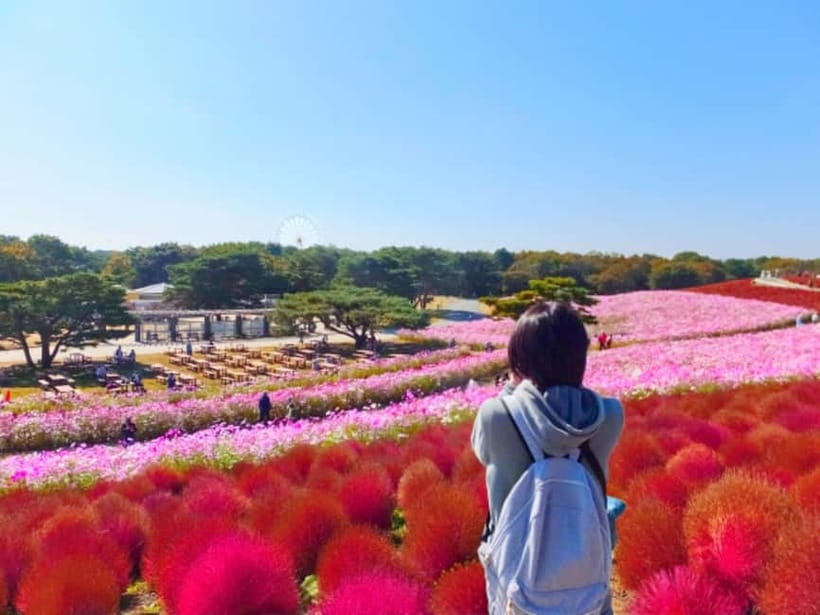
- Miharashi Hill blue carpet with about 5.3 million nemophila flowers
- Two iconic parks in one day: blue sea in the morning, wisteria dream later
- Mibu Michi no Eki free time for regional dishes, dessert, and Bandai character encounters
- Ashikaga’s Great Wisteria spectacle with purple blooms cascading like curtains
- An about 80-meter white wisteria tunnel for standout photos and slow walking
From Shinjuku to the Flower Parks: How This Day Escapes Tokyo
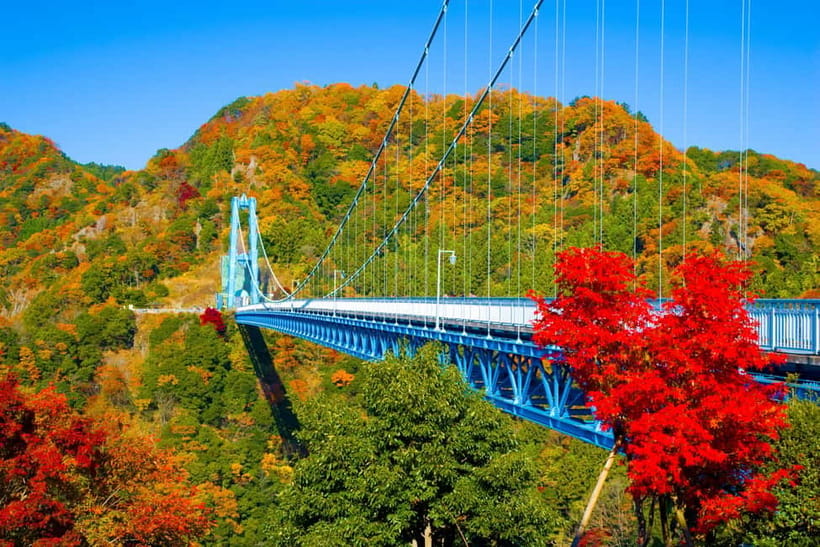
This tour is built for people who want the spring wow factor without planning a separate train day, or figuring out which park is easiest first. You leave Tokyo by comfortable bus, with pickup options based on your booking, including Starbucks Coffee near Shinjuku L Tower and another Starbucks Coffee option in the Tokyo Station area.
The overall day runs about 690 to 750 minutes (roughly 11.5 to 12.5 hours), so you should treat it like a full-day outing, not a quick afternoon break. That matters because the beauty here comes in two waves: first the blue slope at Hitachi Seaside Park, then the purple-and-white wisteria at Ashikaga Flower Park.
Also, the bus side isn’t just for convenience. It helps keep the day simple when you’re trying to see two far-flung places in one trip. The guide also speaks English and Korean, which is a big deal when signs and rules feel fast-paced.
One small reality check: return drop-offs can run late during peak season due to traffic. It’s not something you can control, so I’d plan your evening with a little slack.
You can also read our reviews of more tours and experiences in Tokyo.



Hitachi Seaside Park’s Miharashi Hill: The Blue Nemophila Moment
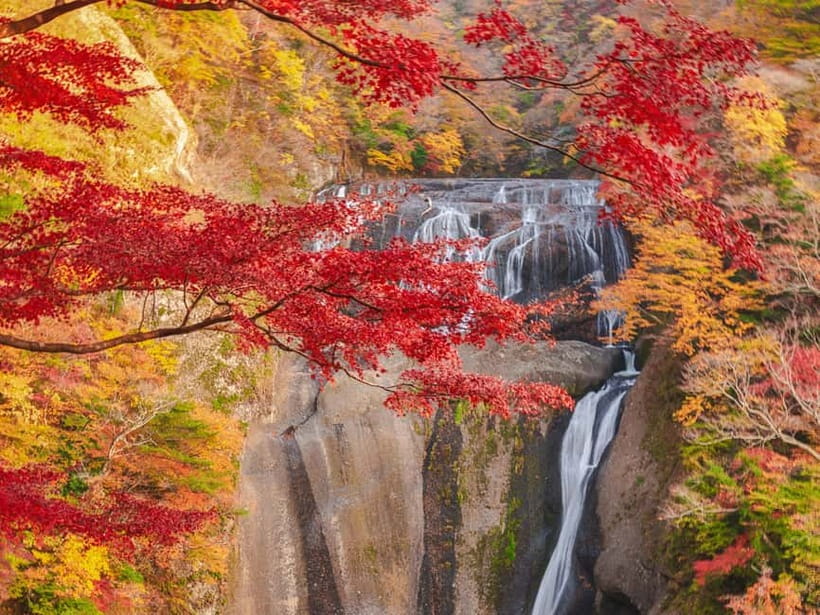
Hitachi Seaside Park in Ibaraki Prefecture is the morning anchor. The star attraction in spring is Miharashi Hill, where roughly 5.3 million nemophila bloom across the slope. The effect is what you came for: a sheet of blue flowers that spreads out like a sea while the sky stays open above it.
What I like about this stop is the way it balances “pretty” with “photo-ready.” Nemophila isn’t just scattered color. It’s a covered hillside view where you get a strong sense of scale—especially when you can see the distant ocean vibe coming into the scene.
You’ll get about 2 hours at Hitachi Seaside Park, with time built in for photo stops and sightseeing. That schedule is enough to walk the hill areas at a relaxed pace and still catch the park’s main views. If you’re the type who wants to do repeated loops for different angles, you may feel the time squeeze a little. Some people end up wanting a bit more time to hike around the flowering areas and explore the gardens beyond the main slope.
Practical tip: the park is outdoors and the views are exposed. Spring can be breezy, especially in coastal-ish settings. Dress in layers you can adjust, and wear shoes you’re happy walking in for a while. If you’re chasing photos, bring a strap-friendly camera setup so you’re not constantly juggling bags.
The Mibu Michi no Eki Break: Food, Desert, and Bandai Character Time
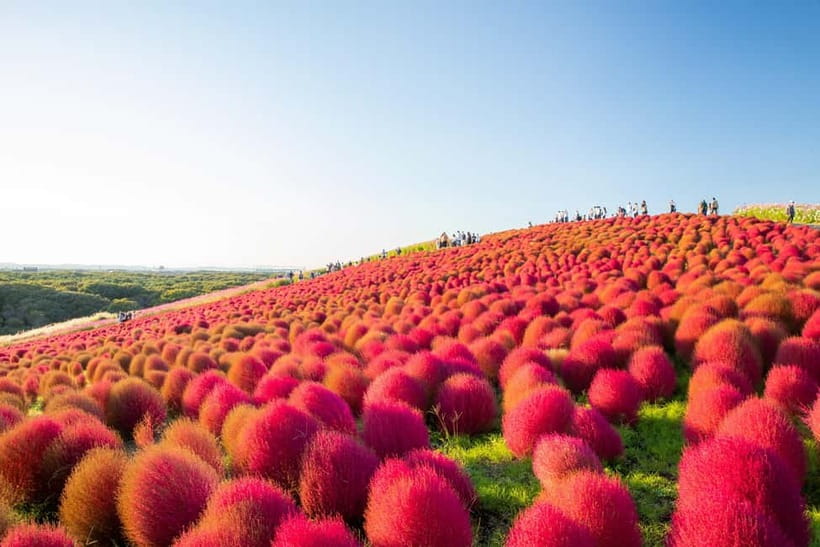
Between the two parks, the tour slows down just enough to reset your brain: a stop at Mibu Service Area / Road Station Mibu (Michi no Eki is the roadside-station style you’ll hear about in Japan). You’ll have a short photo stop and visit plus a free time window that’s built around browsing and eating.
This is also where you get the most “Japan road trip” flavor of the day. The stop includes chances for lunch and dessert, and the tour notes that you can meet famous character items from Bandai. I like that it breaks the day into something more human than just flower-to-flower staring.
The time here is relatively brief, around 40 minutes for the stop segment. That means you’ll want to move with purpose: decide early whether you’re going for a meal item, a snack, or dessert. If you’re traveling with someone who wants to browse every stall, it can help to set a meeting point inside the area.
A good strategy: treat Mibu as your fuel stop, not a full sit-down meal. You’ll get another lunch opportunity later at a local restaurant, but meals are not included in the tour price—so budget for what you choose to order.
Ashikaga Flower Park and the Great Wisteria: Purple Curtains Up Close
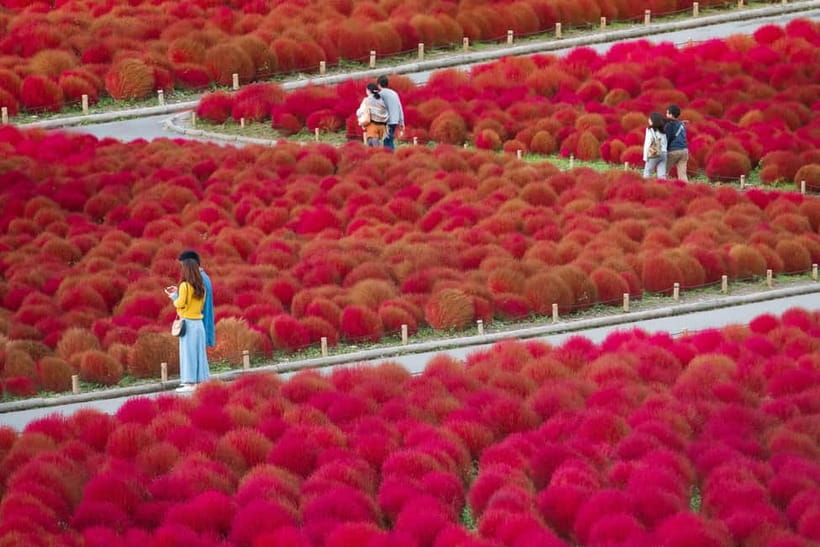
Then comes the afternoon payoff: Ashikaga Flower Park. This is internationally known for its wisteria displays, including the Great Wisteria that’s described as cascading overhead like curtains. The tour information also notes it was selected by CNN as a dream destination for its famous Great Wisteria.
You’ll get about 110 minutes at Ashikaga Flower Park. In real terms, that’s enough for two things: (1) see the signature wisteria scenes without rushing like an airport transfer, and (2) step into the most memorable walking zones for photos and calm viewing.
Here’s what’s special about Ashikaga, beyond the fact that it’s pretty:
- The wisteria isn’t just a few vines. You’re walking beneath structures designed to make the bloom feel theatrical.
- The blooms are arranged so you can sense “weight” and softness at the same time, especially when purple cascades hang in big sections.
The big visual anchors are the purple wisteria curtain areas and the white wisteria portion of the park. And that’s where the next highlight really earns its keep.
Walking the About 80-Meter White Wisteria Tunnel
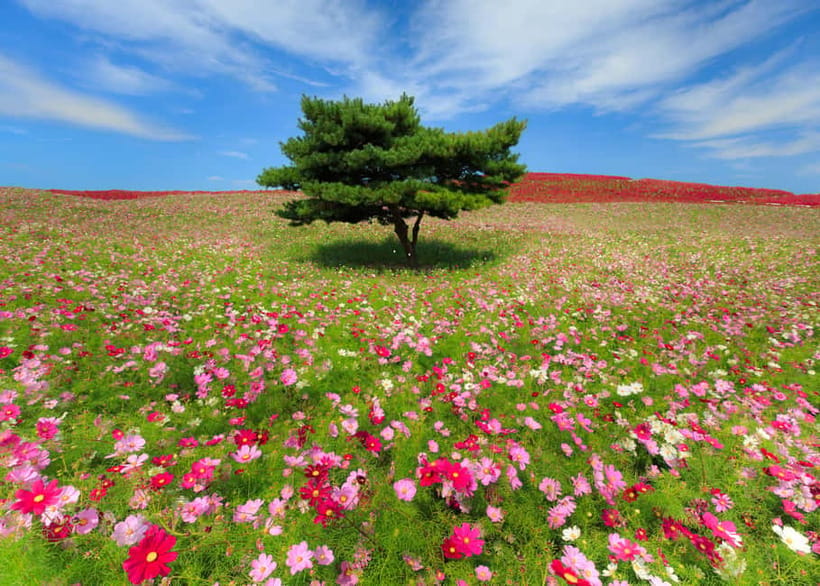
One of the most memorable features is the white wisteria tunnel, described as about 80 meters long. You walk through the corridor where wisteria blooms form a covered tunnel effect, giving you that slightly dreamy, storybook feel.
I love this part because it changes the tempo. At Hitachi you’re dealing with wide open blue views from a hill. At Ashikaga, you’re stepping into a more enclosed, tunnel-style experience where the surroundings frame you.
If you’re doing photography, the tunnel gives you a built-in composition. If you’re just there to feel the season, the walking pace slows down naturally because you’ll keep looking up and to the sides.
Time note: with 110 minutes on-site, you’ll need to choose your priorities when you arrive. If wisteria is your one goal, give it the first priority. If you also want to explore more gardens beyond the main wisteria scenes, you’ll still probably fit it in, but plan for some tradeoffs.






The Real Logistics: Timing, Traffic, and Japan’s 10-Hour Vehicle Rule
This tour is scheduled as a full day with multiple bus legs. That’s normal for Kanto-area day trips, but you should know two operational realities.
First, Japan has a legal limit that vehicles can operate for no more than 10 hours. The guide may adjust the itinerary based on real-time conditions. That means if there’s rain, heavy congestion, or other schedule friction, the order or stop timing could shift a bit.
Second, traffic and weather can affect the day. Peak seasons are a known challenge in and out of Tokyo. The good news is the guide’s role is to keep the plan moving while still ensuring you get meaningful time at each key spot.
Even when things run well, you’ll want to be ready for long sitting time on the bus. Bring water, keep a light layer for the ride, and if you’re prone to motion discomfort, consider a simple remedy before you leave.
What the Included Ticket Covers (and What You Still Pay For)
The price is listed at $98 per person, and the inclusions are practical: transportation, an English & Korean speaking guide, and admission tickets for the parks.
So your paid value shows up in two ways:
- You’re not separately buying entry into both parks.
- You’re not solving the travel puzzle between Tokyo, Ibaraki, and Tochigi (where Ashikaga is located) on your own.
What’s not included is also straightforward: meals and personal extras like traveler’s insurance. Since the day includes food stops and a lunch option, you’re likely to spend on your own choices. I’d assume you’ll pay out of pocket for at least one full meal and maybe snacks and drinks, especially since you’ll be outdoors and taking photos.
Who This Tour Fits Best (and Who Should Consider Alternatives)
This is a great fit if you want a spring-day highlight reel with minimal planning. If you’re short on time in Japan, or you’d rather not coordinate trains, this tour solves the big problem.
It also fits well if you care about both “iconic views” and “walk-through experiences,” because you get:
- the open, blue nemophila slope at Hitachi
- the structured, signature wisteria scenes at Ashikaga
- the in-between roadside food stop at Mibu
Who might find it less ideal? If you want to linger for hours at a single location, the time split can feel limiting. You may also feel that if your walking style is slow and you like to explore every garden corner, the on-site windows can feel just short of perfect.
If you’re bringing a stroller or wheelchair, the important note is that you should inform the operator so they can plan accordingly.
Should You Book This Spring Hitachi and Ashikaga Tour?
I’d book it if you want a dependable, guide-led day that hands you two of Japan’s most recognizable spring flower experiences. The value is strong because transportation plus both park admissions are included, and the day is paced so you still get real time in the bloom areas rather than just photo flashes.
I would also book it if you’re excited by the contrast: blue nemophila for the morning and purple-and-white wisteria for the afternoon. That contrast is the whole point, and this tour nails it.
Don’t book it if you already know you’ll want a long, slow afternoon at Ashikaga with no schedule pressure. In that case, you might feel rushed even with the 110-minute window, especially if you’re the type to stop for every angle. But if you’re happy with a well-managed spring day that hits the headline scenes, this is a smart way to spend it.
FAQ
Where are the pickup points for this tour?
Pickup depends on the option you book. The tour lists Starbucks Coffee near Shinjuku L Tower and a Starbucks Coffee option in the Tokyo Station area.
How long is the tour?
The duration is 690 to 750 minutes (about 11.5 to 12.5 hours).
What’s included in the price?
Transportation, an English & Korean-speaking guide, and admission tickets are included.
Are meals included?
Meals are not included in the price. Lunch opportunities are part of the day at the Mibu stop and a local restaurant, but you pay for what you order.
What flower display will you see at Hitachi Seaside Park?
In spring, Miharashi Hill becomes a sea of blue nemophila, with about 5.3 million flowers blooming across the slope.
What makes Ashikaga Flower Park special?
Ashikaga Flower Park is known for its Great Wisteria displays, with purple blooms cascading like curtains. The tour also highlights an about 80-meter white wisteria tunnel.
How much time do you get at Ashikaga Flower Park?
You’ll have about 110 minutes for photo stops, visiting, and free time at Ashikaga Flower Park.
Can I bring a stroller or wheelchair?
You should inform the operator if you are bringing a baby stroller or wheelchair so they can note it for the tour planning.
Is an infant seat included?
Infants are free of charge, but there is no seat available for the infant.
When will I receive trip reminders?
One day before departure, you’ll get a reminder email between 3:00PM and 5:00PM, including a link to a group chat where you can communicate with tour staff.